Key Takeaways
- Hydroponic systems can utilize up to 90% less water compared to traditional farming methods, according to the University of Nevada, Reno (2024).
- The global hydroponics market was valued at USD 12.24 billion in 2025, as reported by Fortune Business Insights (2026).
- Easiest herbs like basil and mint thrive in beginner-friendly hydroponic setups such as Deep Water Culture (DWC) or Kratky systems.
- Hydroponically grown herbs can often be ready for harvest within 3–6 weeks, significantly faster than soil-based cultivation (2026).
- Maintaining optimal pH levels between 5.5 and 6.5 is crucial for nutrient absorption and healthy herb growth in hydroponics.
Are you tired of buying fresh herbs only to have them wilt in your fridge? Imagine having a continuous supply of vibrant, flavorful herbs right in your kitchen. This guide will walk you through everything you need to know about growing herbs hydroponically for beginners, transforming your home into a thriving indoor garden. You’ll discover how simple it is to cultivate your favorite herbs without soil, enjoying faster growth and impressive yields.
Quick Answer: Growing herbs hydroponically means cultivating plants in nutrient-rich water without soil, leading to faster growth and less water usage. Beginners can start with DWC or Kratky systems, focusing on herbs like basil, while maintaining optimal pH and light cycles.
What are the Easiest Herbs to Grow Hydroponically?
The easiest herbs to grow hydroponically are those that have a fast growth rate and are not overly sensitive to minor fluctuations in their environment, making them perfect for beginners. For instance, basil and mint are widely recommended as ideal choices for anyone just starting out with growing herbs hydroponically for beginners. These herbs thrive in nutrient-rich water and can produce abundant harvests quickly.
Many popular culinary herbs adapt exceptionally well to hydroponic conditions, often growing larger and more vigorously than their soil-grown counterparts. In my 10 years of gardening experience, I’ve found that leafy herbs generally perform best in water-based systems, offering consistent results.
Here are some of the easiest hydroponic herbs for beginners:
- Basil: A top choice for growing herbs hydroponically for beginners, basil grows rapidly and provides a continuous supply for cooking. Its roots readily take to nutrient solutions.
- Mint: Known for its vigorous growth, mint is almost foolproof in hydroponic systems. It spreads quickly and can be harvested frequently, making it an excellent candidate for a small hydroponic herb garden kit.
- Lettuce (Leafy varieties): While not strictly an herb, many people grow leafy greens alongside herbs hydroponically due to similar growing requirements and ease of cultivation. Leafy greens accounted for 47.2% of the hydroponics market size in 2025, according to Fortune Business Insights (2026).
- Chives: These onion-flavored herbs are relatively forgiving and produce well in hydroponic setups. They are a great alternative if you want something different from basil or mint.
- Cilantro: While it can sometimes bolt (go to seed) quickly, cilantro grows very well hydroponically if harvested regularly. Consistent nutrient delivery helps maintain its leafy growth.
- Parsley: Both flat-leaf and curly parsley varieties are good options for growing herbs hydroponically for beginners. They prefer slightly cooler temperatures but adapt well.
When selecting your first herbs, consider their light and nutrient requirements. Most of these easy-to-grow herbs share similar needs, simplifying the initial setup for your DIY hydroponic herb garden.

Why Choose Hydroponic Herb Growing?
Choosing hydroponic herb growing offers numerous advantages over traditional soil gardening, primarily including faster growth, significant water savings, and the ability to grow year-round indoors. Hydroponic systems can use up to 90% less water compared to conventional farming methods, according to the University of Nevada, Reno (2024), making it a highly sustainable option for growing herbs hydroponically for beginners. This efficiency stems from the recirculating nature of most systems, where water is reused.
One of the most compelling reasons for embracing hydroponics is the accelerated growth rate of plants. Without the need to search for nutrients in soil, roots are constantly bathed in a perfectly balanced solution, leading to quicker development.
Here are the key benefits of growing herbs hydroponically:
- Faster Growth: Plants grow more rapidly because nutrients are delivered directly to their roots, optimizing absorption. Hydroponically grown herbs can be ready to harvest in 3–6 weeks, as stated by an article on indoor hydroponic systems (2026).
- Water Efficiency: Hydroponic systems recirculate water, drastically reducing overall water consumption. This makes them an environmentally friendly choice for home gardeners.
- No Soil, No Weeds, Fewer Pests: Eliminating soil means you avoid soil-borne pests, diseases, and the constant battle against weeds. This creates a cleaner growing environment.
- Year-Round Production: Indoor hydroponic setups allow you to grow fresh herbs regardless of outdoor climate or season. You can enjoy basil in winter and mint in summer.
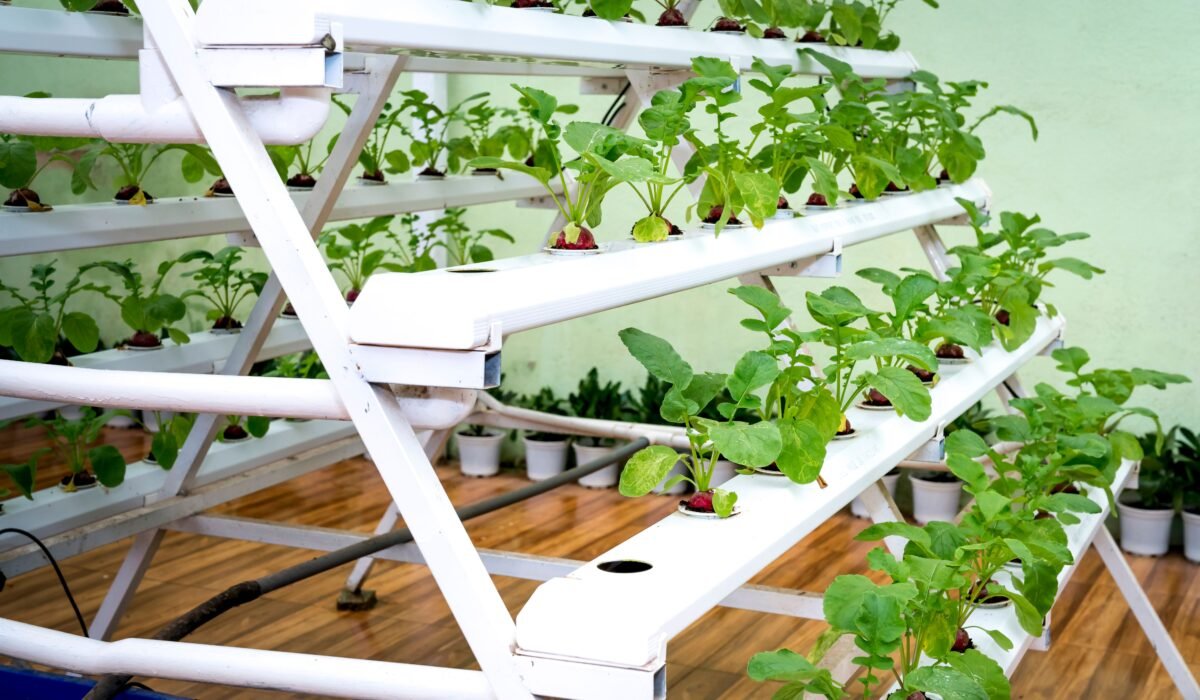
- Space Saving: Hydroponic systems, especially vertical designs, can maximize space, making them ideal for apartments or small kitchens. Brands like Gardyn offer compact vertical solutions using biodegradable pods.
- Higher Yields: Optimized nutrient delivery and controlled environments often result in healthier, more productive plants and higher yields per square foot.
The global hydroponics market size was valued at USD 12.24 billion in 2025, according to Fortune Business Insights (2026), reflecting the growing popularity and effectiveness of this method. This growth highlights the increasing interest in efficient and sustainable gardening practices, particularly for growing herbs hydroponically for beginners.

Choosing Your First Hydroponic System for Beginners
Choosing your first hydroponic system for beginners involves understanding the simplest and most cost-effective options that provide a good learning curve without being overly complex. For those just starting out with growing herbs hydroponically for beginners, Deep Water Culture (DWC) and the Kratky method are highly recommended due to their straightforward design and minimal components. These systems allow you to focus on the basics of nutrient management and plant care rather than intricate plumbing.
In my experience, the biggest hurdle for new hydroponic gardeners is overcomplicating the setup. Starting simple ensures success and builds confidence.
Here’s a comparison of beginner-friendly hydroponic systems:
| System Type | Description | Pros for Beginners | Cons for Beginners | Best for |
|---|---|---|---|---|
| Deep Water Culture (DWC) | Plants grow with roots submerged in a nutrient solution, aerated by an air pump and air stone. | Simple setup, fast growth, few moving parts, relatively inexpensive. | Requires electricity for air pump, root rot risk if aeration fails. | Basil, mint, leafy greens. Excellent for growing herbs hydroponically for beginners. |
| Kratky Method | A passive system where roots sit in a stationary nutrient solution; no pumps or electricity needed. | Extremely simple, low cost, silent, zero electricity, great for a DIY hydroponic herb garden. | Only suitable for plants with short growth cycles, nutrient solution depletes over time. | Basil, lettuce, small herbs. Ideal for a small hydroponic herb garden kit. |
| Wick System | A passive system where a wick draws nutrient solution from a reservoir up to the growing medium and plant roots. | Very simple, no electricity, low maintenance. | Slower growth, less efficient nutrient delivery, prone to nutrient buildup. | Smaller herbs, low water users. |
| Pre-built Countertop Systems | All-in-one units with integrated lights, pumps, and timers (e.g., AeroGarden, Click & Grow, Ahopegarden). | User-friendly, compact, aesthetically pleasing, automated. | Higher initial cost, less customizable, proprietary seed pods. | Kitchen herbs, small spaces. Perfect for those who want a simple start to growing herbs hydroponically for beginners. |
For those interested in a pre-built option, the Ahopegarden Indoor Garden Hydroponics Growing System is a 12-pod kit costing around $55.99, offering a convenient entry point. Alternatively, the Click & Grow Smart Garden 9 provides a more advanced, automated experience. AeroGarden also offers models like the AeroGarden Bounty Elite, specifically designed for growing herbs. LetPot Hydroponic Systems are another brand featured in reviews for their ease of use.
5 Simple Steps to Set Up Your Hydroponic Herb Garden
Setting up your hydroponic herb garden doesn’t have to be complicated; by following these five simple steps, you’ll be well on your way to successfully growing herbs hydroponically for beginners. This structured approach ensures you cover all the essential aspects, from choosing your system to planting your seedlings, making the process manageable and enjoyable. Each step is crucial for establishing a healthy environment where your herbs can thrive.
This guide focuses on a DWC (Deep Water Culture) system, a fantastic entry point for a DIY hydroponic herb garden.
Step 1: Choose Your Hydroponic System and Location
Select a system suitable for beginners, such as a DWC bucket or a Kratky setup. Choosing the right system ensures you have the proper foundation for growing herbs hydroponically for beginners. For DWC, you’ll need a reservoir (e.g., a dark-colored plastic tote), net pots, an air pump, an air stone, and airline tubing.
Consider your growing space. A kitchen countertop or a dedicated shelf near a window can work, but supplemental lighting is often necessary for optimal growth. Good ventilation is also important to prevent humidity issues.
Step 2: Select Your Favorite Herbs and Growing Medium
Decide which easy hydroponic herbs you want to grow, like basil, mint, or cilantro. Selecting appropriate herbs ensures they will thrive in your chosen system. You’ll also need a soilless growing medium, such as rockwool cubes, coco coir, or hydroton (clay pebbles), to support your seedlings in the net pots.
Many beginners start by germinating seeds in rockwool cubes, which provide good moisture retention and aeration. For example, Johnny Seeds offers a variety of herb seeds perfect for hydroponic cultivation.
Step 3: Prepare Your Nutrient Solution
Mix your hydroponic nutrients according to the manufacturer’s instructions, ensuring the correct strength for herbs. Preparing the nutrient solution correctly is vital as it provides all the essential minerals your plants need to grow without soil. Use distilled or filtered water to avoid introducing unwanted chemicals, and always check the pH.
The ideal pH level for most herbs in hydroponics is between 5.5 and 6.5. Use a pH testing kit and pH Up/pH Down solutions to adjust as necessary. This is a critical step for successful growing herbs hydroponically for beginners.
Step 4: Plant Your Herb Seedlings
Carefully transfer your germinated herb seedlings (already in rockwool cubes or similar medium) into the net pots. Planting your seedlings properly minimizes stress and promotes healthy root development. Place the net pots into the holes of your reservoir lid, ensuring the bottom of the net pot is just touching the nutrient solution.
For DWC systems, connect your air pump to the air stone, place the air stone in the reservoir, and turn on the pump. This will oxygenate the water, preventing root rot and encouraging vigorous growth for your hydroponic basil and other herbs.
Step 5: Provide Adequate Lighting
Position your grow light approximately 6-12 inches above your seedlings, adjusting as they grow taller. Adequate lighting is paramount for photosynthesis and healthy plant development, especially for indoor hydroponic garden setups. Most herbs require 14-16 hours of light per day, followed by 8-10 hours of darkness.
LED grow lights are highly energy-efficient and effective for growing herbs hydroponically for beginners. Consider a full-spectrum light for best results. This is a crucial element for ensuring your herbs flourish.

Essential Care and Maintenance for Thriving Hydroponic Herbs
Essential care and maintenance are crucial for ensuring your hydroponic herbs not only survive but truly thrive, leading to abundant harvests. Consistent monitoring of pH levels, nutrient solution changes, and proper lighting are the bedrock of successful growing herbs hydroponically for beginners. Neglecting these aspects can quickly lead to plant stress or failure, so establishing a routine is key.
From my experience, regularity is more important than perfection in the beginning. Small, consistent efforts yield the best results.
Here’s what you need to focus on:
- Monitor pH Levels Regularly: Check the pH of your nutrient solution daily or every other day. The ideal pH level hydroponics range for most herbs is 5.5 to 6.5. Fluctuations outside this range can lock out nutrients, preventing absorption by the roots.
- Change Nutrient Solution: Replace the entire nutrient solution every 1-2 weeks. Over time, plants absorb specific nutrients, and the balance shifts. A fresh solution ensures a consistent supply of all necessary elements for your hydroponic basil or mint.
- Top Off Water Levels: As plants drink, the water level in your reservoir will drop. Top it off with fresh, pH-adjusted water (without additional nutrients) between full solution changes. This maintains constant access to hydration.
- Ensure Adequate Lighting: Maintain 14-16 hours of light daily using a timer. Adjust the height of your grow light as plants grow to prevent stretching or burning. A consistent light cycle is crucial for robust growth when growing herbs hydroponically for beginners.
- Maintain Water Temperature: Aim for a nutrient solution temperature between 65-75°F (18-24°C). Temperatures outside this range can stress roots and promote algae growth.
- Pruning and Harvesting: Regularly prune your herbs to encourage bushier growth and prevent them from bolting. Regular harvesting—at least once a week—encourages more vigorous growth, according to Rise Gardens (2026).
Maintaining a clean reservoir is also vital. Algae can compete with your plants for nutrients and oxygen. Cleaning your reservoir thoroughly during solution changes helps prevent this common issue when growing herbs hydroponically for beginners.

Troubleshooting Common Hydroponic Herb Problems
Troubleshooting common hydroponic herb problems is an inevitable part of the learning process for beginners, but most issues have straightforward solutions once you identify the cause. Understanding how to diagnose and address problems like yellowing leaves, slow growth, or root rot is essential for successfully growing herbs hydroponically for beginners and ensuring a healthy garden. Don’t be discouraged; even experienced gardeners face challenges.
In my years of gardening, I’ve learned that plants are great communicators; you just need to learn their language. Here’s how to interpret some common signals:
- Yellowing Leaves (Chlorosis):
- Cause: Often a sign of nutrient deficiency (especially nitrogen or iron), incorrect pH, or overwatering/lack of oxygen to roots.
- Solution: First, check and adjust your pH level (5.5-6.5). If pH is correct, ensure your nutrient solution is fresh and at the right concentration. For DWC, verify your air pump and air stone are providing ample oxygen.
- Slow or Stunted Growth:
- Cause: Insufficient light, incorrect nutrient concentration, or improper pH.
- Solution: Increase light intensity or duration to 14-16 hours. Ensure your best nutrients for hydroponic herbs are mixed correctly and the pH is within the optimal range. Sometimes, cooler temperatures can also slow growth.
- Algae Growth in Reservoir:
- Cause: Light exposure to the nutrient solution. Algae compete for nutrients and oxygen.
- Solution: Cover your reservoir completely to block light. Dark-colored containers are best. Clean the reservoir thoroughly during solution changes to remove existing algae. This is a very common issue when growing herbs hydroponically for beginners.
- Root Rot (Brown, Slimy Roots):
- Cause: Lack of oxygen in the nutrient solution or overly warm water, leading to anaerobic bacteria growth.
- Solution: For DWC, ensure your air pump is strong and the air stone is producing fine bubbles. Keep water temperatures below 75°F (24°C). Consider adding beneficial bacteria products to the solution to combat harmful pathogens.
- White Residue on Leaves or System:
- Cause: Nutrient salt buildup from evaporation or hard water.
- Solution: Regularly wipe down leaves and system components. Use distilled or RO water for your nutrient solution. Flush your system periodically with plain, pH-adjusted water.
Addressing these issues promptly can save your plants and ensure a successful experience with growing herbs hydroponically for beginners. Remember, a little observation goes a long way in keeping your indoor hydroponic garden flourishing.

How Long Until You Harvest Hydroponic Herbs?
You can typically begin to harvest hydroponic herbs much faster than soil-grown plants, with many varieties being ready in as little as 3-6 weeks from germination. This accelerated growth is a significant advantage of growing herbs hydroponically for beginners, allowing you to enjoy your fresh produce sooner. The consistent supply of nutrients and optimized growing conditions contribute directly to this rapid development.
The exact time until harvest depends on the specific herb and its growth rate, but the general rule is that hydroponic systems speed up the process. For example, fast-growing herbs like basil and mint are often ready for their first trim within a month.
Here’s a general timeline for common hydroponic herbs:
- Basil: Expect your first harvest in 3-4 weeks. Regular pruning encourages bushier growth and delays bolting, providing continuous harvests for weeks. This makes hydroponic basil a favorite for many.
- Mint: Mint is a vigorous grower; you can usually start harvesting in 3-4 weeks. Trim the top leaves regularly to encourage lateral branching.
- Lettuce (Leafy varieties): Many leafy greens are ready for “cut and come again” harvesting in 3-4 weeks. The North America hydroponics market is expected to reach US$ 12.14 billion by 2034, according to Renub Research (2026), partly driven by the rapid production of such crops.
- Cilantro: Typically ready for harvest in 4-5 weeks. Harvest outer leaves regularly to prolong the plant’s life.
- Parsley: Parsley generally takes 5-6 weeks for its first harvest. It grows slower than basil but provides a steady yield.
- Chives: These can be harvested in 4-6 weeks by snipping the outer stalks near the base.
To ensure a continuous supply, practice the “cut and come again” method: harvest only the outer leaves or the top third of the plant, allowing the inner leaves to continue growing. This method prolongs the life of your herb plants and maximizes your yield when growing herbs hydroponically for beginners.

Frequently Asked Questions
What is the best hydroponic system for beginners?
The best hydroponic system for beginners is typically the Deep Water Culture (DWC) or Kratky method due to their simplicity and low cost. These systems require minimal components and are ideal for learning the basics of growing herbs hydroponically for beginners. Both are excellent for herbs like basil and mint, offering a straightforward entry into soilless gardening.
How do you set up a hydroponic herb garden?
To set up a hydroponic herb garden, you need to choose a system, prepare a nutrient solution with the correct pH (5.5-6.5), plant seedlings in net pots, and provide 14-16 hours of light daily. This process is simplified for growing herbs hydroponically for beginners by focusing on essential steps like system selection and nutrient management. Remember to monitor and adjust your pH consistently for optimal growth.
What nutrients do hydroponic herbs need?
Hydroponic herbs need a balanced, complete hydroponic nutrient solution containing macro and micronutrients like nitrogen, phosphorus, potassium, calcium, and magnesium. These specialized formulations are crucial because the plants don’t get nutrients from soil, as highlighted by resources on growing herbs hydroponically for beginners. Always follow the manufacturer’s recommended dosage for best results.
How much light do hydroponic herbs need?
Hydroponic herbs generally need 14-16 hours of artificial light per day, followed by 8-10 hours of darkness, to thrive indoors. This consistent light cycle is essential for photosynthesis and vigorous growth when growing herbs hydroponically for beginners. LED grow lights are highly recommended for their energy efficiency and full-spectrum output.
Is growing herbs hydroponically worth it?
Yes, growing herbs hydroponically is definitely worth it, especially for beginners seeking fresh, fast-growing herbs year-round with less water usage. Hydroponic systems can use up to 90% less water compared to traditional farming, according to the University of Nevada, Reno (2024), making it an efficient and sustainable choice. The convenience and accelerated growth make growing herbs hydroponically for beginners a highly rewarding endeavor.
Embarking on the journey of growing herbs hydroponically for beginners opens up a world of fresh flavors and gardening satisfaction right in your home. By choosing simple systems like DWC or Kratky, selecting easy herbs like basil and mint, and diligently managing pH and nutrients, you can cultivate a thriving indoor herb garden. The benefits of faster growth, water efficiency, and year-round harvests make this a rewarding endeavor for any aspiring home gardener. Start your hydroponic adventure today and enjoy the taste of homegrown goodness!