Key Takeaways
- Growing herbs from seed can be 100 times more cost-effective than buying mature plants, according to “Edible Forest Gardens Volume 2”.
- Cilantro seeds require a soil temperature of at least 55 degrees Fahrenheit for successful germination, as advised by The Home Depot (2026).
- The 2025–2026 Seed Exchange Catalog from the Hardy Plant Society features 766 seed donations, highlighting diverse options for growers.
- Annual herbs like basil, dill, and parsley are particularly easy to start indoors from seed, as noted by Planet Natural (2023).
- Providing adequate light, consistent moisture, and appropriate soil temperature are crucial for successful herb seed germination.
Are you ready to transform your garden or windowsill into a vibrant, aromatic haven without breaking the bank? Successfully growing herbs from seed offers immense satisfaction, a wider selection of varieties, and significant cost savings compared to purchasing established plants. In my 10 years of experience in horticulture, I’ve found that with the right knowledge and a little patience, anyone can master the art of cultivating their favorite herbs from tiny seeds into flourishing plants. This comprehensive guide will equip you with 7 essential tips to ensure your success, from germination to harvest.
Quick Answer: Successfully growing herbs from seed involves providing adequate light, consistent moisture, and appropriate soil temperature. Start with easy varieties like basil or cilantro indoors, ensure good drainage, and transplant carefully once seedlings are robust to ensure success.
Is growing herbs from seed hard for beginners?
No, growing herbs from seed is generally not hard for beginners, especially when choosing the right varieties and following a few fundamental steps. Many common herbs are remarkably forgiving, making them excellent candidates for those new to seed starting. The key insight here is that success often hinges on understanding each herb’s specific needs.
In practice, the challenge lies more in consistent care than in complex techniques, according to the University of Vermont Extension (2024). Once you master the basics of light, water, and soil, you’ll find growing herbs from seed to be a deeply rewarding experience. Even with minimal gardening experience, you can achieve a thriving herb patch.
The initial setup might seem daunting, but it’s a straightforward process of gathering a few supplies. From my experience, the biggest hurdle for new gardeners is often impatience, but the reward of fresh herbs makes the wait worthwhile. You’ll quickly discover the joy of nurturing plants from their very beginning.
What herbs are easiest to grow from seed?
The easiest herbs to grow from seed are typically fast-germinating annuals and some resilient perennials that don’t require complex pre-treatment. These varieties offer quick gratification and build confidence for those new to growing herbs from seed. Annual herbs like basil, cilantro, dill, and parsley are easily started indoors, as highlighted by Planet Natural (2023).
When considering what herbs are easiest to grow from seed, focus on those with minimal fuss and readily available seeds. These herbs generally sprout quickly and grow vigorously, making the process enjoyable for beginners. Opting for organic herb seeds for beginners can also ensure a healthy start.
Here are some top recommendations for easy-to-grow herbs from seed:
- Basil: A warm-weather annual, basil germinates quickly and thrives in sunny conditions. It’s perfect for growing herbs from seed indoors or out.
- Cilantro: This herb prefers cooler temperatures and can be direct-sown outdoors or started indoors. It’s one of the best easy herbs to grow from seed.
- Dill: Known for its feathery leaves, dill is another fast grower that tolerates a range of conditions. It’s excellent for growing herbs from seed for culinary use.
- Parsley: While it can take a little longer to germinate, parsley is a robust biennial often grown as an annual. It’s a staple for any herb garden.
- Chives: These onion-flavored herbs are very forgiving and can be grown easily from seed. Chives are also great for container gardening.
- Mint: Though vigorous, mint can be started from seed and is best contained to prevent spreading. It’s a popular choice for growing herbs from seed.
For those looking to expand, Sow True Seed offers a wide selection of reliable herb seeds suitable for beginners. Remember that while some herbs like rosemary can be grown from seed, they often have longer germination times and specific needs, making them less ideal for absolute beginners.
Essential steps for successful herb seed germination
Achieving successful herb seed germination hinges on providing the optimal environment, including the right seed-starting mix, consistent moisture, and appropriate temperatures. These foundational steps are critical for anyone serious about growing herbs from seed. Preparing your seed starting mix correctly creates the ideal foundation for young roots.
Step 1: choose the right herb seeds
Select high-quality seeds from reputable suppliers like Botanical Interests or Sow True Seed to ensure good germination rates. The viability of your seeds is the first crucial factor in growing herbs from seed, impacting everything from sprout count to plant vigor. Always check the seed packet for information on germination rates and optimal planting times.
Step 2: prepare your seed starting mix
Use a sterile, well-draining seed-starting mix, not garden soil, to prevent diseases and ensure proper aeration for delicate roots. A good mix typically contains peat moss, vermiculite, and perlite, providing the perfect balance for growing herbs from seed. This specialized medium helps prevent issues like damping-off, a common fungal disease.
Step 3: sow seeds correctly
Plant seeds at the depth recommended on the packet, usually two to three times their diameter, and gently cover with soil. Proper planting depth is vital for growing herbs from seed, as some require light for germination while others need darkness. Label your trays immediately to avoid confusion as seedlings emerge.
Step 4: provide optimal growing conditions
Maintain consistent moisture, warmth, and adequate light for your seeds to sprout successfully. A grow light setup for herbs is often essential, especially when growing herbs from seed indoors, ensuring seedlings don’t become leggy. A heating mat can also be beneficial for warmth-loving herbs like basil, which require a soil temperature of 65 degrees Fahrenheit for optimal sowing, according to The Home Depot (2026).
Step 5: care for herb seedlings
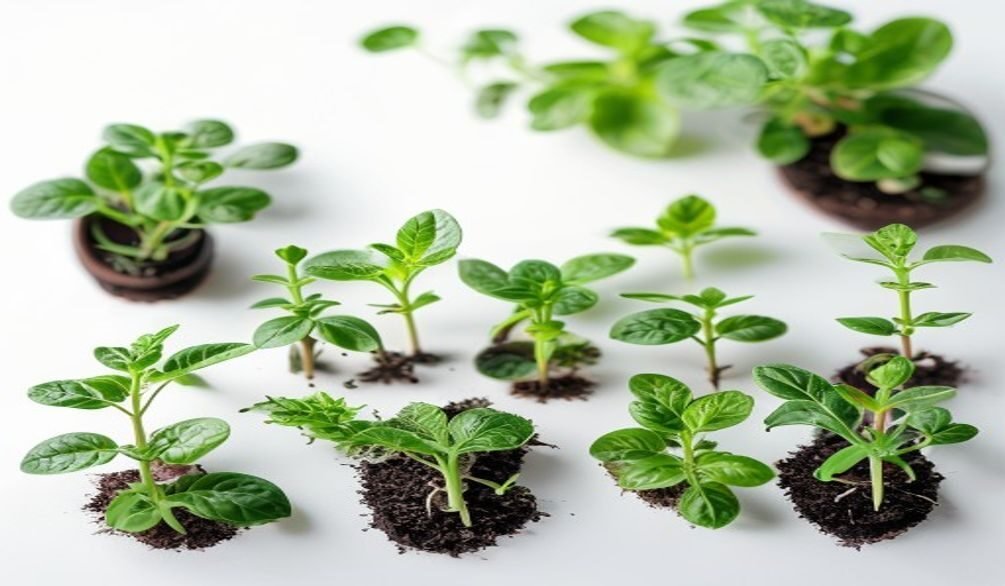
Once sprouted, ensure seedlings receive plenty of light (12-16 hours daily) and maintain consistent moisture without overwatering. Proper airflow is also important to prevent fungal issues when growing herbs from seed. Thin your seedlings to the strongest plants once they develop their first true leaves, giving them space to thrive.
Advanced seed starting techniques for herb growers
For experienced gardeners or those tackling challenging varieties, advanced seed starting techniques can significantly improve germination rates and overall success when growing herbs from seed. These methods address specific dormancy mechanisms that prevent some seeds from sprouting without intervention. Understanding how to germinate herb seeds faster often involves replicating natural conditions.
One such technique is **stratification**, which mimics the cold or warm periods seeds experience in nature. Cold stratification, for example, is crucial for many perennial herb seeds that require a period of cold dormancy before they can germinate. This process involves placing seeds in a moist medium in a refrigerator for several weeks.
Another technique is **scarification**, which involves physically breaking down the hard outer shell of certain seeds to allow water absorption. This can be done by gently rubbing seeds with sandpaper or nicking them with a knife, and it’s particularly useful for hard-coated seeds like those of some woody herbs. Tom DeBaggio, author of “Growing Herbs from Seed, Cutting, and Root,” often emphasizes the importance of understanding these specific seed requirements for optimal propagation. These methods demonstrate a deeper commitment to growing herbs from seed successfully.
For some light-dependent seeds, simply scattering them on the surface of the soil mix without covering them is the correct approach. Conversely, some seeds require complete darkness to germinate. Always consult the specific seed packet instructions or reliable gardening resources for these nuanced requirements.
Troubleshooting common herb seed starting problems
Encountering problems when growing herbs from seed is common, but most issues can be resolved with careful observation and timely intervention. Addressing these challenges proactively ensures your young plants have the best chance of survival. One of the most frequent issues is poor germination, which can stem from several factors.
Here are common problems and their solutions:
- No Germination: If seeds aren’t sprouting, check the age of your seeds, ensure proper planting depth, and verify that soil temperature and moisture are within the recommended range. Old seeds or incorrect environmental conditions are frequent culprits when growing herbs from seed.
- Leggy Seedlings: This occurs when seedlings stretch excessively towards a light source, resulting in weak, elongated stems. The solution is to provide more intense light closer to the seedlings, typically using a grow light setup for herbs for 12-16 hours daily.
- Damping-Off: A fungal disease that causes seedlings to collapse at the soil line. Prevent this by using sterile seed-starting mix, ensuring good air circulation, and avoiding overwatering. Fungicides can sometimes help, but prevention is key for successful growing herbs from seed.
- Yellowing Leaves: Often indicates a nutrient deficiency or overwatering. Check soil moisture levels and consider a diluted liquid fertilizer designed for seedlings if nutrient issues persist.
- Slow Growth: This could be due to insufficient light, low temperatures, or compacted soil. Optimize environmental conditions and ensure your potting mix remains loose and well-aerated.
By systematically checking these factors, you can diagnose and correct most issues encountered while growing herbs from seed. My experience suggests that consistency in care is your best defense against many common seedling problems.
Caring for your herb seedlings and transplanting outdoors
Proper care for your herb seedlings, including timely thinning and a gradual hardening-off process, is vital for their successful transition to the outdoor garden. This stage is critical for building robust plants capable of thriving in their permanent location after growing herbs from seed indoors. Adequate light and consistent moisture remain paramount.
Step 1: thinning and potting up
Once your seedlings have developed their first set of true leaves, thin them to the strongest plant per cell or pot. This gives the remaining seedlings ample space and resources to develop a strong root system. If multiple seedlings are thriving in a small space, consider potting them up into larger containers. This prevents overcrowding and competition for nutrients, which is crucial for healthy growing herbs from seed.
Step 2: hardening off herb seedlings
Before transplanting outdoors, gradually acclimate your seedlings to outdoor conditions over 7-14 days. This process, known as hardening off herb seedlings, involves exposing them to increasing periods of direct sunlight, wind, and cooler temperatures. Start with a few hours in a sheltered, shady spot and slowly increase exposure each day. This step is non-negotiable for healthy transplanting herb seedlings outdoors, reducing transplant shock significantly.
Step 3: transplanting herb seedlings outdoors
Choose a calm, overcast day for transplanting to minimize stress on the young plants. Prepare your garden bed or containers with well-draining soil, potentially incorporating some of the best organic soil amendments. Carefully remove seedlings from their trays, disturbing the roots as little as possible, and plant them at the same depth they were growing indoors. Water thoroughly after planting. For instance, cilantro seeds can be planted outdoors when the soil temperature is at least 55 degrees Fahrenheit, as advised by The Home Depot (2026).
Growing herbs from seed vs. buying starts: a cost analysis
Growing herbs from seed offers significant cost savings and a wider variety of choices compared to purchasing established plant starts. While buying starts provides instant gratification, the long-term benefits of growing herbs from seed are substantial, making it a savvy choice for many gardeners. This approach empowers you to cultivate a diverse herb garden.
A compelling example highlights the financial advantage: growing herbs from seed can be 100 times more cost-effective than buying mature plants, with a packet of 50 good King Henry seeds costing around $2.50 compared to $250 for 50 mature plants, according to “Edible Forest Gardens Volume 2”. This substantial difference quickly adds up, especially if you plan to grow many herbs. Beyond the cost, the range of herb varieties available as seeds is far greater than what you’ll find as starts at a local nursery.
Here’s a comparison to illustrate the benefits:
| Feature | Growing Herbs from Seed | Buying Plant Starts |
|---|---|---|
| Cost | Very low (e.g., $2.50 for 50 seeds) | Higher (e.g., $5 per plant) |
| Variety | Vast selection, including rare types | Limited to common nursery offerings |
| Time Investment | More time for germination & care | Minimal; immediate planting |
| Control | Full control over growing conditions (organic, pest-free) | Relies on nursery’s practices |
| Satisfaction | High; rewarding to nurture from scratch | Moderate; quicker results |
From my perspective, the initial time investment in growing herbs from seed pays dividends not only in savings but also in the deeper connection you develop with your garden. It allows you to select exactly what you want, from specific heirloom varieties to organic herb seeds for beginners, ensuring your garden truly reflects your preferences.
Frequently asked questions
Is it hard to grow herbs from seed?
No, growing herbs from seed is generally straightforward, especially for beginner-friendly varieties like basil and cilantro. Success primarily depends on consistent care, adequate light, and appropriate soil conditions, according to the University of Vermont Extension (2024). Many common herbs are quite forgiving, making them ideal for new gardeners.
What herbs are easy to grow from seed?
Easy herbs to grow from seed include annuals like basil, cilantro, dill, and parsley, which germinate quickly and grow vigorously. These varieties are often recommended for beginners due to their robust nature and relatively short time to harvest, as noted by Planet Natural (2023). Chives and mint are also good options.
How long do herb seeds take to sprout?
The time it takes for herb seeds to sprout varies significantly by species, ranging from 5-10 days for fast germinators like basil to several weeks for others. For example, cilantro seeds can be planted outdoors when the soil temperature is at least 55 degrees Fahrenheit, according to The Home Depot (2026), influencing their sprout time. Always check seed packet instructions for specific germination periods.
Do herb seeds need light to germinate?
Some herb seeds require light for germination, while others prefer darkness, and many are indifferent. For instance, tiny seeds like lettuce often need light, while larger seeds like beans typically prefer darkness. Always consult your seed packet, as providing the wrong light conditions can prevent sprouting entirely.
What kind of soil is best for growing herbs from seed?
A sterile, well-draining seed-starting mix is best for growing herbs from seed, offering aeration and preventing disease. This specialized medium typically contains peat moss, vermiculite, and perlite, providing a light, fluffy environment ideal for delicate root development. Avoid using heavy garden soil, which can compact and harbor pathogens.