Key Takeaways
- 49.5% of gardeners spent more money on gardening in 2025, an 11.5% increase from 2024.
- Harvesting herbs before they flower prevents bitterness in leafy varieties like basil, according to Melissa K. Norris.
- For optimal flavor, harvest herbs in the early morning after the dew evaporates, advises Kat Maier, author of *Energetic Herbalism* (2020).
- Regularly pinching back annual herbs can increase yields by up to 50% compared to infrequent harvesting.
- 63.6% of gardeners plan to plant more and expand their gardens in 2026.
Most Pune terrace gardeners know the frustration: you lovingly nurture your dhania or pudina, only to have it bolt and go bitter right when you need it most. The secret to a thriving herb patch isn’t just planting; it’s all about harvesting herbs for continuous growth. If you want more flavor, more yield, and plants that keep giving back, you’ve got to learn the right techniques. Let’s get into the simple ways you can harvest more from your herb garden.
Quick Answer: To harvest more herbs, cut them before flowering, use sharp tools, harvest in the early morning after dew, and employ methods like pinching back and cutting from the outside to encourage continuous growth and higher yields.
When is the best time to harvest herbs for peak flavor?
The best time to harvest herbs for peak flavor is generally in the early morning, just after the dew has evaporated but before the intense heat of the day sets in. This timing ensures the essential oils, which are responsible for aroma and taste, are concentrated in the leaves, according to Kat Maier, author of *Energetic Herbalism* (2020). Think about those mild Bangalore mornings — that’s your sweet spot!
You’ll notice the difference. Harvesting after a series of sunny days is ideal, as it makes drying your harvested herbs much easier too. For leafy herbs like basil or dhania, you absolutely want to harvest before the plant starts to flower. Melissa K. Norris, an expert on homegrown living, notes that “You do not want leafy herbs like basil and cilantro to flower when harvesting because these herbs can taste bitter once they begin flowering.” That bitterness can ruin your chutney or pesto, so keep an eye on those buds!
For herbs where you want the flowers, like chamomile or lavender, you’ll obviously wait until they’re in full bloom. But for most culinary herbs, it’s all about the leaves, and those leaves are best pre-flower. This simple timing adjustment is key to harvesting herbs for continuous growth and maximum potency.
How do you harvest herbs so they keep growing?
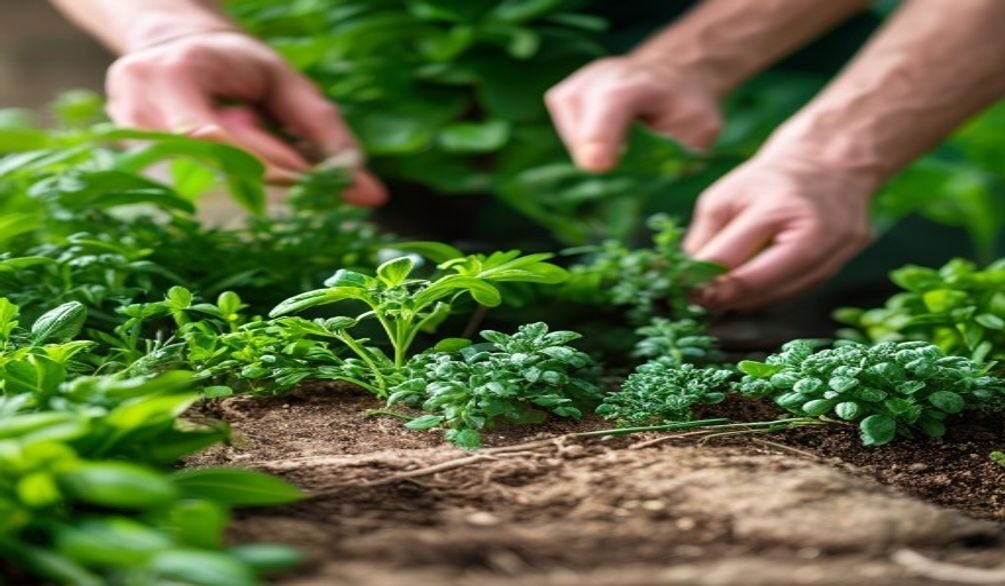
To encourage continuous growth, you should harvest herbs strategically by pinching or cutting above a leaf node or a set of leaves. This method stimulates the plant to branch out, leading to a bushier plant and more leaves for future harvests. It’s like giving your plant a haircut that makes it grow thicker, not just longer.
For annual herbs like basil or dhania, regularly pinching off the top few sets of leaves above a node is crucial. I’ve personally seen basil plants double their yield just by consistent pinching. You might have heard that organic fertilizers are always best for everything. In practice, for small container gardens, organic fertilizers are often overrated. The soil volume in a 12-inch pot is too small for slow-release nutrients to work the way they do in ground soil. Liquid fertilizers like diluted jeevamrit or seaweed extract work faster and are easier to control in pots, providing that quick boost after a harvest.
When it comes to perennial herbs like rosemary or pudina, you can cut back about a third of the plant at a time. Always leave enough foliage for the plant to photosynthesize and recover. This mindful approach to harvesting herbs for continuous growth ensures your plants remain vigorous and productive for weeks, or even seasons. My neighbour grew pudina from seeds twice and both times it was slow and patchy. Switched to cuttings from a fresh sabziwala bunch — 9 out of 10 rooted in water in 6 days and were in soil by day 8. Seeds are never worth it for pudina when cuttings work this well, especially if you’re aiming for quick, continuous harvests.
Harvesting methods for different herb types
- Pinching Back: Ideal for leafy annuals like basil, dhania, and lettuce. Simply pinch off the top 1-2 inches of growth above a set of leaves.
- Cutting Stems: For herbs like pudina, oregano, or marjoram, cut entire stems, leaving at least 2-3 sets of leaves on the plant.
- Outer Leaf Harvesting: For herbs that grow in rosettes like parsley or lettuce, snip the larger, outer leaves from the base, allowing the inner leaves to mature.
What are the best tools for harvesting herbs?
The best tools for harvesting herbs are sharp, clean scissors or pruning shears, as they make precise cuts that minimize damage to the plant. A clean cut heals faster, reducing the risk of disease and encouraging quicker regrowth. You don’t need fancy equipment; even a good pair of kitchen scissors will do the trick, but make sure they’re dedicated to gardening to avoid spreading pathogens.
For tougher, woody stems like rosemary or thyme, a small pair of bypass pruners, like those from Felco (a well-known brand), works wonders. They make a clean cut without crushing the stem. For delicate flowers like chamomile, a specialized chamomile harvester can be incredibly efficient, preventing hand cramping often experienced with scissors, as demonstrated by real-world examples. Always sanitize your tools before and after use with rubbing alcohol – it’s a simple step that really makes a difference in preventing plant diseases.
| Herb Type | Recommended Tool | Benefit |
|---|---|---|
| Leafy Annuals (Basil, Dhania) | Sharp Scissors or Fingernails | Precise cuts, easy pinching |
| Woody Perennials (Rosemary, Thyme) | Small Bypass Pruners | Clean cuts on tougher stems |
| Delicate Flowers (Chamomile) | Chamomile Harvester (optional) | Efficient, prevents hand fatigue |
Harvesting specific herbs: tips for basil, rosemary, and thyme
When it comes to specific herbs, tailoring your harvesting technique is crucial for maximizing yield and flavor. Different plants have different growth habits, so a one-size-fits-all approach just won’t cut it for harvesting herbs for continuous growth.
Basil (tulsi is a relative, but basil is what we’re talking about here!)
For basil, always pinch or cut the stem just above a pair of leaves or a branching point. This forces the plant to produce two new stems, making it bushier and delaying flowering. Regularly pinching basil above a growth point encourages bushy growth and more production. If you let it flower, the leaves get bitter fast. I usually harvest my basil every 1-2 weeks during the pre-monsoon and monsoon seasons, taking about a third of the plant each time. Don’t be shy; basil loves to be harvested!
Rosemary
Rosemary is a bit more forgiving, being a woody perennial. You can harvest by clipping anywhere along the stem, but try to cut new, soft growth for culinary use. A sustainable harvest involves taking up to 1/3 of the entire plant at once. Avoid cutting into the old, woody base unless you’re pruning for shape. In Delhi winters, my rosemary slows down, so I harvest less frequently, but come spring, it bounces back strong.
Thyme
When harvesting thyme, focus on the newer, greener growth at the tips of the stems. Snip off sprigs, leaving about 5-6 inches of the plant intact to ensure robust regrowth. You can take a good portion of the plant, but always leave enough foliage for it to recover. Thyme’s delicate leaves are packed with flavor, and regular harvesting keeps the plant compact and productive.
Common harvesting mistakes to avoid for better yields
Even seasoned gardeners can make mistakes that hinder their herb yields, so let’s talk about how to avoid them. One of the most common errors is taking too much from the plant at once, which can stress it and slow down regrowth.
Another big mistake is letting leafy herbs like basil and dhania go to flower. Once these plants start flowering, their energy shifts from leaf production to seed production, and the leaves often become bitter. Melissa K. Norris emphasizes this point, noting the bitter taste. You need to be proactive with pinching off those flower buds as soon as you see them forming. Also, using dull tools can crush stems instead of making clean cuts, leaving the plant vulnerable to diseases. Always keep your scissors sharp!
My neighbour in Mumbai, bless her heart, would sometimes let her pudina get leggy and then chop it all the way down to the soil. It would struggle to recover. The fix was simple: consistent, lighter harvests, taking only about a third of the plant’s growth at a time. This allows for constant regeneration, which is the whole point of harvesting herbs for continuous growth. Don’t forget about watering after a significant harvest, especially in the Indian summer heat of 40°C+; the plant needs energy to bounce back.
How often should you harvest herbs for optimal production?
The frequency of harvesting herbs largely depends on the herb type, its growth rate, and the season, but generally, consistent, light harvesting is best for optimal production. For fast-growing annuals like basil and dhania, you might be harvesting every week or two during their peak growing season, especially during the monsoon when they really take off. This encourages constant new growth and prevents bolting.
Perennial herbs like rosemary, thyme, or oregano can be harvested less frequently, perhaps every 3-4 weeks, as they tend to grow slower. Jeanine Davis, Extension Specialist at NC State Extension, notes that “Herbs should be harvested when the oils responsible for flavor and aroma are at their peak.” This means paying attention to your specific plant’s vigor. In my experience, if a plant looks happy and is putting out new growth, it’s ready for a trim. A surprising 63.6% of gardeners plan to plant more and expand their gardens in 2026, indicating a growing interest in consistent yields.
The key here is observation. If your herb plant looks dense and healthy, it’s likely ready for a harvest. If it’s looking sparse or stressed, give it a break. Consistent, small harvests are far better than one massive chop that can shock the plant. It’s all part of the dance of harvesting herbs for continuous growth.
Preserving your herb harvest: quick tips
After all that careful harvesting, you’ll want to preserve your herbs to enjoy their fresh flavors long-term. There are several simple methods to keep your bounty from going to waste. You’ve worked hard for this yield, so let’s make it last!
- Drying: This is a classic method for herbs like oregano, thyme, rosemary, and marjoram. Tie small bunches together and hang them upside down in a warm, dry, well-ventilated area away from direct sunlight. Once brittle, crumble and store in airtight containers.
- Freezing: Freezing works wonderfully for herbs like basil, dhania, pudina, and parsley, which lose flavor when dried. Chop them finely, mix with a little olive oil or water, and freeze in ice cube trays. Once frozen, transfer the cubes to freezer bags. This is my go-to for basil pesto in the off-season!
- Oil Infusion: For herbs like rosemary or oregano, you can infuse them in olive oil. Just be sure to properly sterilize your bottles and refrigerate the infused oil to prevent bacterial growth.
- Refrigeration: For short-term storage, treat leafy herbs like a bouquet of flowers. Place stems in a glass of water, cover loosely with a plastic bag, and refrigerate. They’ll stay fresh for about a week.
Frequently asked questions
When should i harvest herbs for best flavor?
You should harvest herbs for best flavor in the early morning after the dew has dried but before the sun gets too intense. This timing ensures essential oils are at their peak, according to Kat Maier, author of *Energetic Herbalism* (2020). Harvesting after a few sunny days also aids in easier drying.
How do you harvest herbs so they keep growing?
To ensure herbs keep growing, pinch or cut stems just above a leaf node or a set of leaves, which encourages branching and bushier growth. This method, often called “pinching back,” stimulates the plant to produce more foliage. For instance, regularly pinching basil above a growth point significantly boosts production.
What is the best time of day to harvest herbs?
The best time of day to harvest herbs is in the early morning, just after the dew has evaporated. This period is when the plant’s essential oils, which contribute to flavor and aroma, are most concentrated in the leaves. NC State Extension advises harvesting when these oils are at their peak, according to Jeanine Davis (2023).
How do you harvest herbs without killing the plant?
Harvest herbs without killing the plant by only taking about one-third of the plant’s total growth at any given time, and always making clean cuts above a leaf node. This ensures the plant has enough foliage to recover and continue photosynthesis. Avoid stripping the plant bare, especially for perennial varieties.
How often should you harvest herbs?
You should harvest herbs frequently and lightly, typically every 1-2 weeks for fast-growing annuals like basil and dhania, and every 3-4 weeks for slower-growing perennials. Consistent harvesting encourages the plant to produce more leaves and delays flowering, which is vital for maintaining flavor and yield. Gen Y (66.7%) and Gen Z (63.8%) spent more time gardening in 2025, showing increasing engagement with such practices.
Mastering the art of harvesting herbs for continuous growth is truly a game-changer for any home gardener, especially in our Indian climate. By understanding when to cut, how to make the right snips, and what tools to use, you’re not just getting a single harvest; you’re setting your plants up for season-long abundance. So go ahead, get those sharp scissors out, and start harvesting smarter. You’ll be amazed at how much more your herb garden will give back to you.