
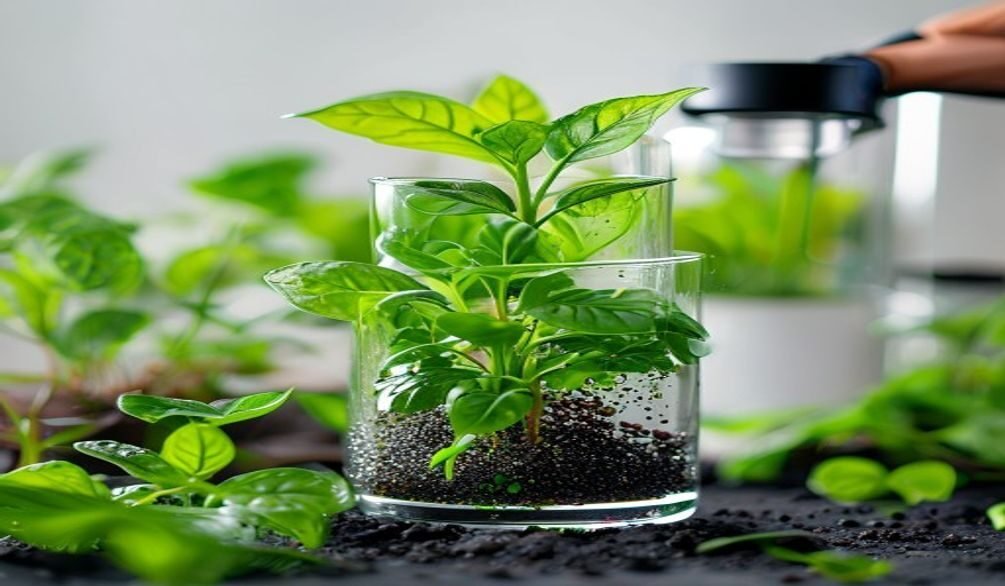
Key Takeaways
- Mixing hydroponic nutrients sequentially, starting with base solutions, prevents nutrient lockout and ensures proper dissolution.
- Accurate measurement of nutrient solutions is critical, as a 10% deviation can reduce plant yield by up to 20%, according to Dosatron (2026).
- Monitoring pH levels between 5.5 and 6.5 is crucial for nutrient absorption, as pH fluctuations can cause deficiencies, states Dosatron (2026).
- The global hydroponics market is projected to reach USD 30.79 billion by 2034, highlighting the growing importance of efficient nutrient management.
- Optimizing nutrient solution volume can reduce fertilizer costs by 53% while maintaining nitrogen utilization efficiency, based on research (2026).
Achieving thriving hydroponic gardens hinges on mastering **hydroponic nutrient solution mixing tips**. As an expert gardener with over 10 years of experience, I’ve seen firsthand how proper nutrient preparation directly impacts plant health and yields, preventing common issues like deficiencies or toxicities. This guide will provide you with essential methods to precisely mix your hydroponic nutrients, ensuring your plants receive the optimal nourishment they need to flourish.
Quick Answer: To correctly mix hydroponic nutrients, add base nutrients to water sequentially, followed by supplements and pH adjusters, stirring thoroughly. Always monitor pH and EC levels, adjusting to plant-specific needs for optimal growth and to prevent deficiencies or toxicities.
How to mix hydroponic nutrients correctly?
To correctly mix hydroponic nutrients, you must follow a precise, sequential process to ensure all components dissolve properly and avoid nutrient lockout. Water quality directly influences nutrient absorption, making it a vital factor in the hydroponic equation, according to Dosatron (2026). Mastering these hydroponic nutrient solution mixing tips is fundamental for successful plant cultivation.
Here’s a step-by-step guide to perfect your hydroponic nutrient solution mixing tips:
Step 1: prepare your water source
Always start with your water source, ensuring it is clean and free of contaminants. The quality of your water significantly impacts the effectiveness of your nutrient solution, as “water quality directly influences nutrient absorption,” states Dosatron (2026). If your tap water is hard or contains chlorine, consider using reverse osmosis (RO) water or letting tap water sit for 24 hours to allow chlorine to dissipate.
Step 2: measure base nutrients accurately
Precision is paramount when measuring your base nutrients. Use a high-quality measuring syringe or scale for powders, as inaccurate measurements can lead to imbalances. Garden Culture Magazine advises that “the salts are measured by weight, and an inexpensive food scale designed for kitchen use is not accurate; find one designed for lab use” (2026). These hydroponic nutrient solution mixing tips emphasize exactness.
Step 3: add nutrients sequentially to water
Add your base nutrients one at a time to the water, never mixing concentrates directly. This sequential mixing prevents chemical reactions that can cause nutrients to precipitate out of the solution, forming insoluble compounds. Follow the manufacturer’s recommended order, which typically starts with a “Grow” or “Micro” formula, like General Hydroponics FloraMicro. These precise hydroponic nutrient solution mixing tips prevent nutrient lockout.
Step 4: mix thoroughly after each addition
After adding each nutrient component, stir the solution thoroughly to ensure complete dissolution. Adequate mixing prevents nutrient hot spots and ensures a homogeneous solution, which is crucial for even nutrient uptake by plants. This is a simple yet vital component of effective hydroponic nutrient solution mixing tips.
Step 5: adjust ph levels
Once all nutrients are fully dissolved, measure and adjust the pH of your solution to the optimal range for your specific plants. Most hydroponic crops thrive between a pH of 5.5 and 6.5, but always verify your plant’s specific needs. Ignoring pH levels can severely affect nutrient absorption, leading to deficiencies, as highlighted by Dosatron (2026).
Step 6: monitor electrical conductivity (ec)
Measure the Electrical Conductivity (EC) or Total Dissolved Solids (TDS) of your final solution to confirm the nutrient concentration. This reading indicates the total amount of dissolved salts in the water, providing a crucial indicator of nutrient strength. Adjusting the EC to match your plant’s growth stage is a key aspect of advanced hydroponic nutrient solution mixing tips.
Step 7: maintain reservoir and change solution regularly
Regularly check your reservoir’s pH and EC levels, making small adjustments as needed. Consistency is key. You should also plan for routine solution changes to prevent nutrient imbalances and the buildup of unwanted elements. This proactive approach to hydroponic nutrient solution mixing tips maintains a stable growing environment.
The importance of accurate measurement in hydroponic nutrient mixing
Accurate measurement is undeniably the cornerstone of successful hydroponic nutrient solution mixing, directly impacting plant health and yield. Even small deviations in nutrient ratios can lead to significant problems, as research indicates that a 10% deviation in nutrient concentration can reduce plant yield by up to 20%, according to Dosatron (2026). Without precise measurements, you risk either underfeeding, causing deficiencies, or overfeeding, leading to nutrient burn and toxicity.
When it comes to **hydroponic nutrient solution mixing tips**, precision ensures that each plant receives the ideal balance of macro and micronutrients required for its specific growth stage. Using calibrated measuring tools, such as digital scales for powdered nutrients or accurate syringes for liquid concentrates, is non-negotiable. This meticulous approach prevents the guesswork that can lead to costly mistakes and compromised harvests. Maintaining consistent EC and TDS for hydroponics relies heavily on this initial accuracy.
Why mix hydroponic nutrients separately?
Mixing hydroponic nutrients separately is crucial because many nutrient elements, particularly calcium and phosphates, can react with each other in concentrated forms to create insoluble precipitates. This phenomenon, known as nutrient lockout, makes essential elements unavailable to plants, even if they are present in the solution. Following proper sequential nutrient mixing protocols is a fundamental aspect of effective **hydroponic nutrient solution mixing tips**.
For instance, if you combine a highly concentrated calcium nitrate solution directly with a phosphate-rich solution, calcium phosphate can form, settling at the bottom of your reservoir as a white residue. This renders both calcium and phosphorus inaccessible to your plants. Brands like General Hydroponics and Advanced Nutrients formulate their products to be added in a specific order precisely to avoid these detrimental interactions. By adding each component individually and mixing thoroughly, you ensure all nutrients remain soluble and available for plant uptake. This method is critical for optimal hydroponic plant health.
Understanding optimal ratios for hydroponic nutrient solutions
Optimal ratios for hydroponic nutrient solutions refer to the specific concentrations and balance of macro and micronutrients required for plants to thrive at different growth stages. A balanced nutrient solution gives your plants the best meal, helping them grow well, stay healthy, and produce abundant yields, according to Dosatron (2026). These ratios are not static; they need to be adjusted based on the plant species, its current growth phase (vegetative, flowering, fruiting), and even environmental conditions.
For example, leafy greens like lettuce and herbs, often the best hydroponic nutrients for leafy greens, typically require a higher nitrogen-to-phosphorus ratio during their vegetative phase. In contrast, fruiting plants like tomatoes or peppers demand increased phosphorus and potassium during their flowering and fruiting stages to support fruit development. Understanding these nuanced **hydroponic nutrient solution mixing tips** allows you to tailor your feeding schedule, maximizing growth and yield. Many growers use multi-part systems, such as the General Hydroponics Flora Series or Fox Farm Nutrient Trio, to precisely adjust these ratios.
Below is a general guide to nutrient ratios for common hydroponic crops:
| Plant Type/Stage | Nitrogen (N) | Phosphorus (P) | Potassium (K) | Notes on Hydroponic Nutrient Solution Mixing Tips |
|---|---|---|---|---|
| Leafy Greens (Veg) | High | Medium | High | Focus on robust leaf development. |
| Fruiting Plants (Veg) | Medium-High | Medium | Medium | Prepares plant for flowering. |
| Fruiting Plants (Flower/Fruit) | Medium | High | High | Supports bloom and fruit production. |
| Herbs (All Stages) | Medium-High | Medium | Medium-High | Consistent balance for continuous harvest. |
| Seedlings/Clones | Low | Low | Low | Gentle start, avoiding nutrient burn. |
Mastering ph and ec for hydroponic nutrient stability
Mastering pH and EC (Electrical Conductivity) is fundamental for maintaining hydroponic nutrient stability, as these two parameters directly control nutrient availability and uptake by plants. pH fluctuations can affect nutrient absorption, leading to deficiencies, as “when pH drifts too high or low, plants are not able to get their nutrients,” explains Dosatron (2026). The ideal pH range for most hydroponic plants is between 5.5 and 6.5, allowing maximum absorption of essential elements.
EC, on the other hand, measures the total concentration of dissolved salts—your nutrients—in the solution. Too low an EC indicates insufficient nutrients, leading to deficiencies, while too high an EC can cause nutrient burn and osmotic stress. Regular monitoring and adjustment of both pH and EC are critical **hydroponic nutrient solution mixing tips**. Advanced Nutrients offers pH Perfect technology in products like their Connoisseur line, which aims to stabilize pH automatically, simplifying this aspect of management. For more insights on environmental controls, consider exploring hydroponic water temperature control.
Troubleshooting common hydroponic nutrient imbalances
Troubleshooting common hydroponic nutrient imbalances involves observing specific plant symptoms and understanding how pH and EC deviations contribute to them. Nutrient deficiencies symptoms often manifest as discolored leaves, stunted growth, or unusual leaf patterns, signaling that your **hydroponic nutrient solution mixing tips** might need refinement. Identifying these issues early is crucial for maintaining plant health and maximizing yields.
One common issue is nutrient lockout hydroponics, where plants cannot absorb nutrients even if they are present in the solution, usually due to incorrect pH. For instance, iron deficiency often appears as yellowing between leaf veins (chlorosis) on new growth, which can occur if the pH is too high, making iron unavailable. Similarly, a potassium deficiency might show as yellowing or browning along leaf margins, often when EC levels are too low, or the plant is in a heavy flowering stage. Regular inspection and precise adjustments to your hydroponic nutrient schedule are key.
Here are some common imbalances and their solutions:
- Nitrogen Deficiency: Symptoms include overall yellowing of older leaves, stunted growth. Solution: Increase nitrogen-rich nutrients, ensure pH is within optimal range.
- Phosphorus Deficiency: Symptoms include dark green or purplish leaves, stunted growth, slow flowering. Solution: Increase phosphorus, check pH (low pH can lock out P).
- Potassium Deficiency: Symptoms include yellowing or browning leaf edges on older leaves, weak stems. Solution: Increase potassium, ensure adequate EC.
- Calcium Deficiency: Symptoms include stunted new growth, distorted or curled leaves, blossom end rot in fruits. Solution: Increase calcium (e.g., using calcium nitrate, as used with Hydro-Gardens Chem-Gro formulas), ensure pH is not too low.
- Magnesium Deficiency: Symptoms include yellowing between veins on older leaves, often starting at the edges. Solution: Increase magnesium (e.g., Epsom salts), verify pH.
- Iron Deficiency: Symptoms include yellowing between veins on new leaves (interveinal chlorosis). Solution: Lower pH slightly if too high, ensure iron is chelated.
Optimizing hydroponic nutrient mixing for cost and sustainability
Optimizing hydroponic nutrient mixing for cost and sustainability involves adopting practices that reduce waste, improve nutrient uptake efficiency, and potentially lower overall fertilizer expenses. Many large-scale hydroponic growers benefit greatly from mixing their own custom nutrients, which can save thousands of dollars per month and provide unprecedented control compared to store-bought options, according to an expert opinion from Garden Culture Magazine (2026). This approach is a prime example of advanced **hydroponic nutrient solution mixing tips**.
One effective strategy is to precisely match nutrient concentrations to plant needs, avoiding over-fertilization. Using a lower nutrient solution volume can reduce fertilizer costs by 53% compared to high-volume treatments, while maintaining similar nitrogen utilization efficiency in plants, based on research (2026). This not only saves money but also minimizes nutrient runoff into the environment, promoting more sustainable hydroponic practices. Technologies like Dosatron fertilizer injectors automate this process, delivering precise amounts of nutrients and removing guesswork. Further research into sustainable practices, such as those conducted by Purdue University’s NEMALI Lab on organic hydroponics, continues to advance this field, as seen in publications like Frontiers in Plant Science (2026).
How often should you change your hydroponic nutrient solution?
You should typically change your hydroponic nutrient solution every 7 to 14 days to prevent nutrient imbalances, pathogen buildup, and a decline in water quality. Over time, plants selectively absorb certain nutrients, leading to an unbalanced solution, which can negatively impact hydroponic plant health. Regularly refreshing the solution is one of the most important **hydroponic nutrient solution mixing tips** for maintaining a stable and productive growing environment.
Even with consistent pH and EC adjustments, the balance of individual nutrient elements in the reservoir will shift. Some elements might become depleted faster than others, while inert salts or trace contaminants can accumulate. A complete solution change ensures a fresh, balanced nutrient profile for your plants. This practice also helps in managing water quality hydroponics, reducing the risk of algae growth and bacterial issues. In my experience, even if your EC and pH seem stable, a bi-weekly change prevents hidden problems.
Frequently asked questions
How do you mix hydroponic nutrients correctly?
To mix hydroponic nutrients correctly, first add base nutrients sequentially to your water, stirring thoroughly after each addition. Then, incorporate any supplements and adjust the pH to your plant’s specific optimal range, typically between 5.5 and 6.5. This prevents nutrient lockout and ensures proper dissolution for plant uptake.
What is the best ratio for hydroponic nutrients?
The best ratio for hydroponic nutrients depends on the plant species and its growth stage, with leafy greens requiring higher nitrogen during vegetative growth. For example, a common vegetative ratio might be 5-1-3 (N-P-K), while flowering plants need higher phosphorus and potassium. Always consult the nutrient manufacturer’s feeding chart for specific guidance.
Should i mix hydroponic nutrients separately?
Yes, you absolutely should mix hydroponic nutrients separately, adding them one at a time to your water and stirring between each addition. This practice prevents certain elements, particularly calcium and phosphorus, from reacting prematurely to form insoluble compounds, which would make them unavailable to your plants. This sequential nutrient mixing is critical to avoid nutrient lockout.
How often should i change hydroponic nutrients?
You should change your hydroponic nutrient solution every 7 to 14 days to ensure optimal plant health and prevent nutrient imbalances. Plants selectively absorb nutrients, causing the solution’s elemental balance to shift over time, and regular changes prevent the buildup of undesirable compounds. This practice is essential for consistent nutrient uptake efficiency.
What is the impact of water quality on hydroponic nutrient mixing?
Water quality significantly impacts hydroponic nutrient mixing, as contaminants or high mineral content in the source water can alter the solution’s pH and EC. “Water quality directly influences nutrient absorption, making it a vital factor,” according to Dosatron (2026). Using filtered or reverse osmosis water often provides a cleaner slate, allowing for more precise nutrient control and better plant health.
Mastering these **hydroponic nutrient solution mixing tips** will undoubtedly elevate your hydroponic growing experience, transforming your garden into a model of efficiency and productivity. By prioritizing accurate measurement, sequential mixing, and diligent monitoring of pH and EC, you empower your plants to reach their full potential. Take these insights and apply them to your system today; your plants will thank you with robust growth and bountiful harvests.







