Key Takeaways
- The global hydroponics market is projected to reach USD 13.45 billion in 2026, driven by demand for pesticide-free food, according to Coherent Market Insights (2026).
- Hydroponic systems use up to 90% less water than traditional farming, greatly reducing reliance on chemical pesticides, as stated by Coherent Market Insights (2026).
- North America is expected to dominate the hydroponics market with a 41.6% share in 2026, fueled by advanced farming technologies, according to Coherent Market Insights (2026).
- Early detection and strict sanitation are the cornerstones of effective hydroponic pest prevention, preventing minor issues from becoming major infestations.
- Integrating biological controls like Ladybugs and beneficial mites offers a sustainable approach to hydroponic pest prevention, reducing the need for chemical interventions.
Navigating the world of hydroponics promises abundant, healthy harvests, but what happens when unwanted guests try to crash the party? Effective hydroponic pest prevention is crucial for maintaining a thriving soilless garden, safeguarding your plants from common threats that can quickly escalate in a controlled environment. This guide, drawing on my 10+ years of experience in horticulture, will equip you with the knowledge and strategies necessary to proactively protect your hydroponic system in 2026, ensuring robust plant health and maximizing your yields.
Quick Answer: Effective hydroponic pest prevention in 2026 relies on strict sanitation, environmental control, and early detection. Integrate biological controls and targeted organic treatments for a comprehensive strategy to maintain robust plant health and deter infestations in soilless systems.
What is Hydroponic Pest Management in 2026?
Hydroponic pest management in 2026 is a holistic and proactive approach to preventing, monitoring, and controlling pests and diseases in soilless growing systems. This involves integrating various strategies to create an environment where plants thrive and pests struggle to establish, ensuring effective hydroponic pest prevention. The global hydroponics market is projected to grow to USD 13.45 billion in 2026, exhibiting a compound annual growth rate (CAGR) of 10.87% during the forecast period, according to Coherent Market Insights (2026). This growth underscores the increasing need for sophisticated pest management solutions.
Unlike traditional soil-based gardening, hydroponics offers unique advantages and challenges when it comes to pest control. The absence of soil means many common soil-borne pests are eliminated, but the enclosed, often humid environment of a hydroponic system can be an ideal breeding ground for other specific pests and diseases if not managed correctly. Effective hydroponic pest prevention is about creating an unfavorable habitat for invaders.
The core of modern hydroponic pest management revolves around Integrated Pest Management (IPM) principles adapted for soilless cultivation. This means combining cultural practices, biological controls, and judicious use of organic treatments.
This systematic approach emphasizes prevention over reaction, minimizing the need for harsh chemical interventions. In my experience, a well-executed IPM program significantly reduces the risk of widespread infestations. The focus is always on sustainable and environmentally friendly methods for hydroponic pest prevention.
How Do You Prevent Pests in Hydroponics?
Preventing pests in hydroponics involves a multi-faceted strategy centered on cleanliness, environmental control, and constant vigilance. Implementing rigorous sanitation protocols is the most critical first step for effective hydroponic pest prevention. The Ohio State University Fruit and Vegetable Safety Program (2023) emphasizes that good agricultural practices (GAPs) for hydroponic crops include managing pests and animal intrusions to ensure food safety.
Proactive measures are far more effective and less resource-intensive than dealing with an established infestation. Think of it as building a fortress around your plants. This approach is key to successful hydroponic pest prevention.
Here’s how you can prevent pests in your hydroponic system:
-
Step 1: Implement Strict Sanitation Protocols
Maintaining a sterile growing environment is foundational for hydroponic pest prevention. Pests and diseases often enter your system on contaminated equipment or plant material.
- Cleanliness is Paramount: Always sterilize all equipment, including reservoirs, pumps, net pots, and growing media, before introducing new plants or starting a new cycle. Use a diluted bleach solution or hydrogen peroxide, then rinse thoroughly.
- Quarantine New Plants: Before introducing any new plants or clones to your main system, keep them in isolation for at least two weeks. This allows you to observe them for any hidden pests or diseases, preventing them from spreading to your entire crop. This is a non-negotiable step for effective hydroponic pest prevention.
- Remove Debris Promptly: Regularly remove any dead leaves, plant debris, or algae from your system. These can harbor pests and pathogens, providing them with food and shelter.
- Personal Hygiene: Wash your hands and clean any tools you use between different plants or systems. Pests can easily hitchhike on your clothing or gardening tools.
-
Step 2: Optimize Environmental Controls
Creating an environment that discourages pests while favoring plant growth is a smart strategy for hydroponic pest prevention. Pests often thrive in specific conditions that can be manipulated.
- Temperature and Humidity Management: Many common hydroponic pests, like spider mites and whiteflies, prefer hot, dry conditions, while fungus gnats love high humidity. Maintain optimal temperature and humidity levels for your specific crops, typically between 68-78°F (20-25°C) and 40-60% relative humidity, to deter these pests.
- Adequate Air Circulation: Good airflow prevents stagnant air pockets where pests can hide and fungal diseases can flourish. Use oscillating fans to ensure even air movement throughout your grow space. This is vital for overall plant health and hydroponic pest prevention.
- Proper Lighting: Ensure your plants receive adequate and appropriate lighting. Stressed plants are more susceptible to pest attacks. Healthy, vigorous plants have a natural defense against infestations.
-
Step 3: Monitor Regularly for Early Detection
Constant vigilance is your best defense in hydroponic pest prevention. Early detection allows for targeted intervention before an infestation becomes widespread.
- Daily Plant Inspections: Dedicate time each day to visually inspect your plants, paying close attention to the undersides of leaves, new growth, and stems. Look for tiny insects, eggs, webbing, or unusual spots.
- Use Sticky Traps: Yellow sticky traps are invaluable tools for monitoring flying pests like fungus gnats, whiteflies, and thrips. Place them strategically around your grow area and check them regularly to identify pest presence and population trends. They act as an early warning system for hydroponic pest prevention.
- Root Zone Checks: Periodically inspect your plant roots for discoloration, slime, or root aphids. Healthy roots are white and firm.
-
Step 4: Introduce Beneficial Organisms
Biological controls are a cornerstone of organic hydroponic pest prevention, leveraging nature’s own predators to manage pest populations. This method is highly effective and environmentally friendly.
- Ladybugs: These beloved insects are voracious predators of aphids, spider mites, and whiteflies. Releasing Ladybugs into your hydroponic system can significantly reduce pest numbers, as many hydroponic growers successfully demonstrate.
- Predatory Mites: Species like Phytoseiulus persimilis are excellent for controlling spider mites, while Amblyseius swirskii targets thrips and whiteflies.
- Nematodes: Beneficial nematodes can be added to your nutrient solution to target fungus gnat larvae and thrips pupae in the growing media.
-
Step 5: Apply Organic & Biorational Treatments
When pests are detected, organic and biorational treatments offer targeted control without harming your plants or the environment. These are crucial tools in your hydroponic pest prevention arsenal.
- Neem Oil: A powerful, all-natural pesticide, miticide, and nematicide. General Hydroponics AzaMax Concentrate, an OMRI-listed product, is an example of a Neem-based solution effective against a wide range of pests including spider mites, thrips, and aphids, and is safe for use up until harvest. More on this later.
- Insecticidal Soaps: These soaps work by suffocating soft-bodied insects like aphids, whiteflies, and spider mites on contact. Safer Brand offers popular insecticidal soap options.
- Beneficial Fungi/Bacteria: Products containing Bacillus thuringiensis (Bt) target caterpillar larvae, while others use beneficial fungi to combat fungus gnats or powdery mildew.
-
Step 6: Build Long-term Plant Resilience
A healthy plant is inherently more resistant to pests and diseases, making plant resilience a key component of long-term hydroponic pest prevention. Optimize your plants’ internal defenses.
- Balanced Nutrition: Ensure your plants receive a complete and balanced nutrient profile. Deficiencies or excesses can stress plants, making them more vulnerable to pests.
- Appropriate pH Levels: Maintain the correct pH for your nutrient solution, typically between 5.5 and 6.5, to ensure optimal nutrient uptake.
- Microbial Inoculants: Introduce beneficial microbes to the root zone. These can enhance nutrient uptake and create a protective barrier against root-borne pathogens.
What Are the Most Common Pests in Hydroponics?
The most common pests in hydroponic systems are typically small, fast-reproducing insects that thrive in controlled environments and can quickly infest plants if not managed through vigilant hydroponic pest prevention. Understanding these common invaders is the first step in protecting your crop. From my experience, these are the culprits you’ll most often encounter.
While hydroponics generally reduces the risk of soil-borne pests, the enclosed nature of many setups can be a double-edged sword, creating ideal conditions for airborne or hitchhiking pests to multiply rapidly. This makes early identification and robust hydroponic pest prevention strategies absolutely essential.
Here’s a breakdown of the usual suspects you might find in your hydroponic garden:
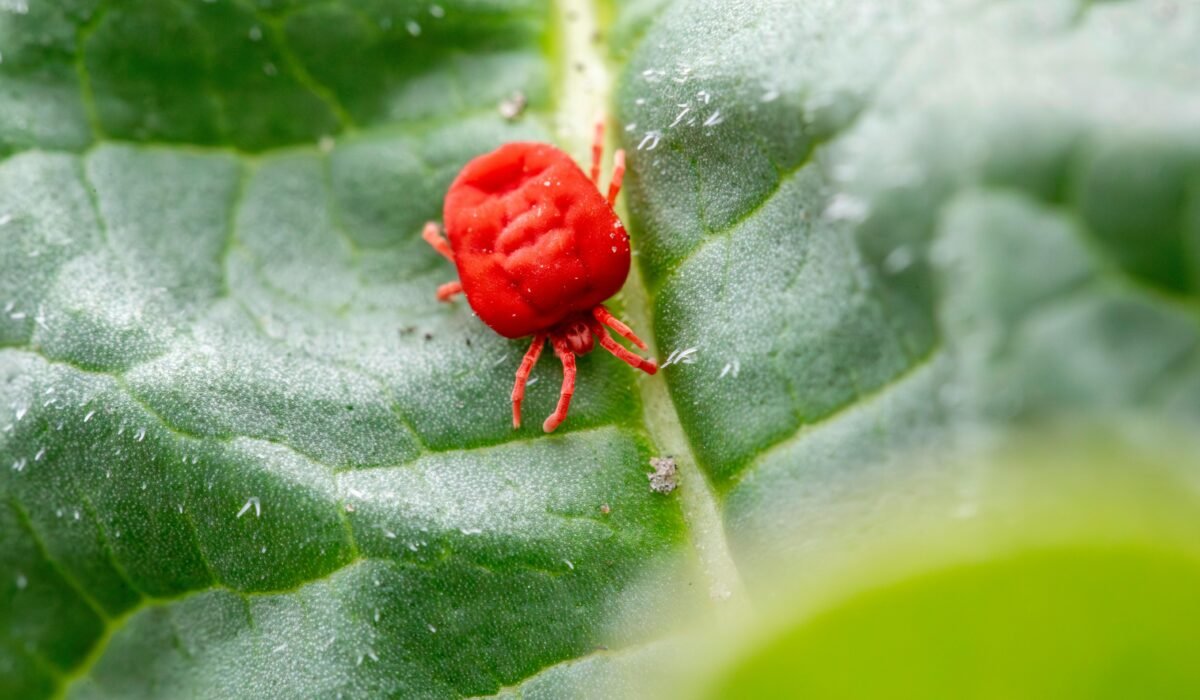
- Spider Mites: These tiny arachnids are notorious for causing significant damage. They feed on plant sap, leading to yellow stippling on leaves and fine webbing, especially on the undersides. They reproduce incredibly quickly, making early hydroponic pest prevention crucial.
- Aphids: Small, soft-bodied insects that cluster on new growth and the undersides of leaves, sucking sap. They excrete sticky “honeydew,” which can lead to sooty mold. Ladybugs are a natural predator often used in hydroponic pest prevention.
- Whiteflies: These small, white, moth-like insects fly up in a cloud when disturbed. Both adults and nymphs feed on plant sap, causing yellowing and stunted growth. EPM’s Protection Plus® is cited for its effectiveness, boasting up to a 100% kill rate for whiteflies in a single treatment, according to EPM (undated).
- Fungus Gnats: While the adult gnats are mostly a nuisance, their larvae feed on plant roots, causing wilting and stunted growth, especially in young plants. They thrive in moist growing media. Effective hydroponic pest prevention for fungus gnats often involves managing moisture.
- Thrips: Tiny, slender insects that scrape plant tissue and suck out the sap, leaving silvery streaks and distorted growth. They can be difficult to spot until damage is severe.
- Root Aphids: Unlike their foliar cousins, these aphids attack plant roots, leading to nutrient deficiencies, wilting, and overall plant decline. They can be particularly challenging to identify and control, making vigilant root zone inspection important for hydroponic pest prevention. SNS209 (Sierra Natural Science 203 Pesticide) is an all-natural systemic pest control agent effective against root aphids when added to the nutrient solution.
The key insight here is that each pest has its preferred conditions and vulnerabilities. Knowing your enemy is half the battle in successful hydroponic pest prevention. Regular scouting with a magnifying glass can help you catch these pests before they cause irreversible damage.
Effective Hydroponic Pest Prevention Strategies for 2026
Effective hydroponic pest prevention strategies for 2026 integrate a blend of modern technology, biological solutions, and time-tested horticultural practices to create robust, resilient hydroponic systems. The demand for pesticide-free, fresh, quality, and locally produced food crops is a significant factor contributing to the popularity and growth of hydroponics, as indicated by Freight Farms (2025), making these prevention methods more critical than ever.
In my years of experience, a layered approach is always the most successful. Relying on just one method leaves you vulnerable. These strategies form the backbone of a comprehensive hydroponic pest prevention program.
| Strategy Category | Key Action / Tool | Primary Pests Targeted | Benefit to Hydroponic Pest Prevention |
|---|---|---|---|
| Sanitation & Hygiene | Sterilizing equipment, quarantining new plants | All pests & pathogens | Prevents initial introduction and spread; foundational for hydroponic pest prevention |
| Environmental Control | Optimizing temp/humidity, airflow | Spider mites, whiteflies, fungus gnats, powdery mildew | Creates unfavorable conditions for pest reproduction and disease development |
| Monitoring & Detection | Sticky traps, daily visual inspections | Fungus gnats, whiteflies, thrips, spider mites, aphids | Enables early intervention before infestations become severe |
| Biological Controls | Ladybugs, predatory mites, beneficial nematodes | Aphids, spider mites, whiteflies, thrips, fungus gnats | Natural, sustainable, and chemical-free pest management. Ladybugs are excellent for hydroponic pest prevention. |
| Organic Treatments | Neem oil, insecticidal soaps, horticultural oils | Wide range of soft-bodied insects, mites | Targeted intervention with minimal environmental impact; crucial for organic hydroponic pest prevention. |
| Plant Resilience | Balanced nutrients, beneficial microbes | General pest & disease susceptibility | Boosts plants’ natural defenses, making them less attractive to pests |
One of the most effective strategies involves the consistent application of Integrated Pest Management (IPM) principles. This isn’t just a buzzword; it’s a systematic approach that combines various tactics for optimal hydroponic pest prevention.
Michael D. Rethwisch, honored with the 2025 Outstanding Contribution to Agriculture Award, highlights the ongoing need for expert guidance in pest management, reinforcing the importance of well-researched strategies. His work underscores that even seasoned professionals must stay updated on best practices for effective hydroponic pest prevention.
Advanced Monitoring & Environmental Controls for Hydroponic Pest Prevention
Advanced monitoring and environmental controls are no longer just for commercial operations; they are becoming increasingly accessible and vital for hobbyist growers seeking superior hydroponic pest prevention. Leveraging technology allows for precision management, catching issues before they escalate. While many guides focus on basic tools, a more sophisticated approach can make a significant difference.
The goal is to create a precisely controlled microclimate that maximizes plant health and minimizes pest opportunities. This proactive environmental management is a cornerstone of modern hydroponic pest prevention, moving beyond reactive treatments.
Here are some advanced methods and tools that can elevate your hydroponic pest prevention game:
- Smart Sensors and Automation:
- Environmental Sensors: Utilize sensors that continuously monitor temperature, humidity, CO2 levels, and even VPD (Vapor Pressure Deficit). Integrating these with automated systems allows for precise environmental adjustments, maintaining optimal conditions that deter pests.
- Nutrient Solution Monitoring: Advanced pH and EC meters, sometimes with automated dosing systems, ensure your plants always receive the ideal nutrient balance, boosting their natural resistance to pests and diseases. This is critical for hydroponic pest prevention.
- Camera-Based Monitoring:
- Remote Visual Inspection: Small, inexpensive cameras can be set up to provide remote visual checks of your plants, allowing you to spot early signs of pests or disease without physically being in the grow space. Some even offer time-lapse capabilities to observe subtle changes.
- Microscope Attachments: Attach a digital microscope to your phone or computer for incredibly detailed inspections of leaves and stems. This allows you to identify pests at their earliest, almost invisible stages, which is invaluable for targeted hydroponic pest prevention.
- Air Filtration Systems:
- HEPA Filters: Installing HEPA filters on air intake vents can prevent airborne pests like thrips and whiteflies, as well as fungal spores, from entering your grow environment. This is a robust physical barrier for hydroponic pest prevention.
- Ozone Generators (Use with Caution): While effective for sterilizing air and water, ozone generators must be used carefully and only when plants or people are not present, as high concentrations can be harmful. They can be part of a rigorous sanitation protocol for hydroponic disease prevention.
- Pest Traps with Pheromones:
- Species-Specific Traps: Beyond generic sticky traps, consider using pheromone traps that target specific pests. These traps release scents that attract male insects, helping to monitor and reduce breeding populations. This is a highly targeted approach to hydroponic pest prevention.
The University of Arizona Controlled Environment Agriculture Center (CEAC) is a leading research hub, consistently developing and promoting advanced techniques in controlled environment agriculture, including sophisticated pest management strategies. Their work underscores the potential of technology in maintaining pest-free hydroponic systems.
By investing in these advanced tools and techniques, you not only enhance your hydroponic pest prevention capabilities but also gain a deeper understanding and control over your entire growing environment.
Can You Use Neem Oil in Hydroponics?
Yes, you can absolutely use Neem Oil in hydroponics, and it is widely regarded as one of the most effective and safe organic solutions for hydroponic pest prevention and control. Neem oil is derived from the seeds of the neem tree (Azadirachta indica) and contains azadirachtin, a natural insect growth regulator and repellent. N.C. Cooperative Extension (2025) provides recommendations for organic and biorational pest control options, with Neem oil being a prominent choice.
Neem oil works in several ways: it disrupts insect feeding and growth, acts as an anti-feedant, and deters egg-laying. It’s particularly effective against soft-bodied insects and mites. This makes it a versatile tool for hydroponic pest prevention.
Here’s how to effectively use Neem Oil in your hydroponic system:
- Application Method:
- Foliar Spray: The most common method is to dilute Neem Oil concentrate with water and a small amount of insecticidal soap (as an emulsifier) and spray it directly onto the leaves of your plants, paying special attention to the undersides where many pests hide. Apply thoroughly until runoff.
- Systemic Treatment (with caution): Some Neem-based products, like General Hydroponics AzaMax Concentrate, are formulated to be added to the nutrient solution and absorbed by the plant roots, providing systemic protection. If using this method, ensure the product is specifically labeled for hydroponic root application and follow dosage instructions precisely to avoid root damage or nutrient imbalances. This can be a powerful form of hydroponic pest prevention.
- Dilution and Frequency:
- Always follow the manufacturer’s instructions for dilution. Over-concentrated solutions can harm plants.
- For active infestations, apply every 5-7 days. For proactive hydroponic pest prevention, a weekly or bi-weekly application is often sufficient.
- Best Practices for Neem Oil Use:
- Apply During Off-Peak Light: Spray in the evening or just before lights-off in an indoor grow. This prevents leaf burn and allows the oil to dry without rapid evaporation.
- Test First: Always test a small area of a plant before full application to ensure there are no adverse reactions.
- Shake Well: Neem oil and water separate, so shake your spray solution frequently during application.
- Safe Until Harvest: Many organic Neem products are safe to use up until the day of harvest, making them ideal for edible crops.
One commercial example is General Hydroponics AzaMax Concentrate. This OMRI-listed product is specifically designed for organic use and controls a wide range of pests including spider mites, thrips, fungus gnats, aphids, and whiteflies, making it an excellent choice for hydroponic pest prevention.
While extremely effective, it’s important to remember that Neem Oil acts as a deterrent and growth disruptor, not an instant killer. Consistent application is key to breaking pest life cycles and achieving long-term hydroponic pest prevention.
Building Plant Resilience: Long-term Hydroponic Pest Prevention Strategies
Building plant resilience is a fundamental, long-term strategy for hydroponic pest prevention, focusing on creating inherently strong and healthy plants that can naturally resist and recover from pest and disease pressures. Beyond immediate treatments, fostering robust plant health is the ultimate proactive defense. In my decade of gardening, I’ve seen time and again that healthy plants are simply harder for pests to conquer.
This approach aligns with the “Holistic & Proactive Hydroponic Ecosystem Management” philosophy, recognizing that a thriving plant is your best ally in the fight against infestations. It’s about optimizing the entire growing environment for sustainable hydroponic pest prevention.
Here’s how to cultivate truly resilient plants in your hydroponic system:
- Optimize Nutrient Delivery and Balance:
- Precise Formulations: Provide a complete and balanced nutrient profile tailored to your specific plant’s growth stage. Deficiencies or excesses of any macro or micronutrient can weaken plant defenses.
- Consistent pH: Maintain the nutrient solution’s pH within the optimal range (typically 5.5-6.5 for most hydroponic crops) to ensure maximum nutrient availability and uptake. Fluctuations stress plants, making them vulnerable.
- Harness Beneficial Microbes:
- Root Inoculants: Introduce beneficial bacteria and fungi (e.g., mycorrhizae, trichoderma) to your root zone. These microbes form a symbiotic relationship with plants, enhancing nutrient absorption, promoting root growth, and offering a protective barrier against root-borne pathogens and pests like root aphids. This is a powerful form of hydroponic root rot prevention and overall pest deterrence.
- Biostimulants: Use products like kelp extracts or humic acids, which contain natural hormones and compounds that boost plant immunity and stress tolerance.
- Manage Environmental Stress:
- Stable Conditions: Avoid drastic swings in temperature, humidity, or light intensity. Consistent, stable environmental conditions reduce plant stress and improve their natural defenses.
- Adequate Spacing: Ensure proper plant spacing to allow for good air circulation and light penetration. Overcrowded plants are more stressed and create humid microclimates favorable to pests and diseases. This also aids in general hydroponic disease prevention.
- Genetic Selection:
- Resistant Varieties: Whenever possible, choose plant varieties that are known for their natural resistance to common pests and diseases. This is a proactive step in hydroponic pest prevention from the very beginning.
- Regular Pruning and Plant Maintenance: