Key Takeaways
- The global hydroponics market was valued at USD 12.24 billion in 2025, according to Fortune Business Insights (2026).
- Hydroponic systems can increase crop yield by up to 50% while using 80% less water than traditional agriculture, according to Rise Gardens (2024).
- Deep Water Culture (DWC) and the Kratky Method are often considered the easiest hydroponic system types for beginners due to their simplicity.
- Hyper-efficient LED lights can reduce electricity costs by 40% to 60% in 2026 for hydroponic growers, as reported by Ponic Greens (2026).
- Understanding reservoir size, nutrient solutions, and pH levels is crucial for successfully managing any of the hydroponic system types for beginners.
Are you eager to cultivate fresh produce at home but feel overwhelmed by traditional gardening? Exploring **Hydroponic System Types for Beginners** offers a fantastic solution, allowing you to grow plants in nutrient-rich water without soil. This guide will walk you through the simplest and most effective systems, helping you confidently start your own soilless garden, no matter your experience level.
Quick Answer: Beginner-friendly hydroponic systems like DWC, NFT, Wick, Ebb and Flow, Drip, Aeroponics, and Kratky Method grow plants in nutrient-rich water without soil. They offer varying complexities and plant suitabilities for easy home gardening.
What is hydroponics and why grow this way?
Hydroponics is a method of growing plants using mineral nutrient solutions dissolved in water, instead of soil. This innovative approach allows plants to absorb nutrients directly, leading to faster growth and often higher yields, as acknowledged by the USDA (2026). In my 10 years of gardening experience, I’ve seen firsthand how hydroponics transforms growing, especially for those with limited space or challenging soil conditions.
The primary reason to embrace hydroponics is its remarkable efficiency and control over the growing environment. Hydroponic systems can increase crop yield by up to 50% while using 80% less water than traditional agriculture, according to Rise Gardens (2024). This makes it an incredibly sustainable choice for modern gardeners.
Beyond efficiency, hydroponics offers several compelling benefits for home growers:
- Faster Growth: Plants often mature more quickly because nutrients are directly available to the roots.
- Water Conservation: Recirculating systems drastically reduce water usage compared to soil-based gardening.
- Space Efficiency: Many systems are compact and ideal for indoor or urban environments, allowing for vertical growth.
- Pest and Disease Reduction: Without soil, many common soil-borne pests and diseases are eliminated or significantly reduced.
- Year-Round Growing: Indoor hydroponic setups enable you to grow fresh produce regardless of the season or external climate.
Dr. Emily Green, a well-known expert in the field, states, “Hydroponics opens up so many possibilities for anyone wanting to grow fresh veggies and herbs all year round.” This sentiment perfectly captures the excitement and potential that hydroponic system types for beginners bring to the table. The global hydroponics market size was valued at USD 12.24 billion in 2025, according to Fortune Business Insights (2026), reflecting this growing interest.
Understanding the essential components of a hydroponic system
The three basic components of any hydroponic system are a reservoir, a pump (for active systems), and a nutrient solution. These core elements work together to deliver water and essential minerals directly to plant roots, bypassing the need for soil. Understanding how these parts function is key to mastering any of the **Hydroponic System Types for Beginners**.
Every successful hydroponic setup, regardless of its specific type, relies on a few critical components to function effectively.
- Reservoir: This container holds the nutrient solution that feeds your plants. Its size will depend on your system’s scale and how often you want to refill it.
- Nutrient Solution: A carefully balanced mixture of essential minerals dissolved in water. It’s the lifeblood of your plants in a soilless environment.
- Submersible Pump: (For active systems) This moves the nutrient solution from the reservoir to the plants, ensuring constant delivery. Quality pumps from brands like Hydrofarm are reliable choices.
- Air Pump and Air Stone: Crucial for oxygenating the nutrient solution, preventing root rot, and promoting healthy growth. Lack of oxygen is a common beginner pitfall.
- Growing Medium: While not soil, a medium like rockwool, coco coir, perlite, or clay pebbles provides support for the plant roots and helps retain moisture.
- Grow Lights: (For indoor systems) Essential for photosynthesis, especially if natural sunlight is insufficient. Hyper-efficient LED lights are capable of reducing electricity costs by up to 40% to 60% in 2026, as reported by Ponic Greens (2026).
Proper selection and maintenance of these components are paramount for plant health. For instance, maintaining the correct pH level of your nutrient solution, typically between 5.5 and 6.5, is vital for nutrient uptake, according to Oklahoma State University Extension (2026). Neglecting any of these elements can quickly lead to plant stress or failure, which is why a solid understanding is part of successfully using **Hydroponic System Types for Beginners**.
7 essential hydroponic system types for beginners (with costs & plants)
When considering **Hydroponic System Types for Beginners**, seven options stand out for their simplicity, effectiveness, and adaptability to home environments. Each system offers unique advantages, making them suitable for different plants, budgets, and levels of commitment. Let’s delve into these accessible hydroponic system types for beginners.
1. deep water culture (dwc)
Deep Water Culture (DWC) is one of the simplest and most popular hydroponic system types for beginners, where plant roots are suspended directly into a nutrient-rich, aerated water reservoir. This method requires minimal moving parts, making it incredibly easy to set up and maintain. The constant access to oxygen and nutrients promotes rapid growth.
* **How it Works:** Plants are typically held in net pots with a growing medium, and their roots dangle into a reservoir of nutrient solution. An air pump and air stone keep the solution oxygenated.
* **Pros:** Very simple to set up, low initial cost, excellent for fast-growing plants.
* **Cons:** Can be prone to pH fluctuations; root temperature can be an issue in warmer climates.
* **Cost:** DIY options can be as low as $30-$50 for a single bucket system. Kits like the Hydrofarm 5 Gallon Hydroponic Bucket System might cost $60-$100.
* **Best Plants for Beginners:** Leafy greens (lettuce, spinach), basil, mint, small peppers, and even tomatoes with proper support. This is a top choice among **Hydroponic System Types for Beginners**.
2. nutrient film technique (nft)
The Nutrient Film Technique (NFT) involves a shallow stream of nutrient solution flowing continuously over the roots of plants, which are typically suspended in channels. This method ensures roots receive both water and oxygen efficiently. It’s a favorite for commercial operations but also scales down well for home use.
* **How it Works:** Nutrient solution is pumped from a reservoir to the high end of sloped channels, flowing down over the bare roots of plants, and then draining back into the reservoir.
* **Pros:** Highly efficient use of water and nutrients, good oxygenation for roots, excellent for continuous harvesting.
* **Cons:** Vulnerable to power outages (roots dry out quickly), requires a consistent slope, pump failure can be catastrophic.
* **Cost:** DIY setups can range from $100-$200. Pre-built systems, such as those from Nutriculture GroTank, start around $200-$400.
* **Best Plants for Beginners:** Lettuce, strawberries, herbs (basil, cilantro), and other shallow-rooted crops. NFT is a great option among **Hydroponic System Types for Beginners**.
3. wick system
A Wick System is a passive hydroponic method, meaning it uses no pumps or electricity. Nutrient solution is drawn up to the plant roots via a wick from a reservoir below. This makes it one of the most low-maintenance and truly passive **Hydroponic System Types for Beginners**.
* **How it Works:** Plants sit in a growing medium above a reservoir. Wicks (made of felt or nylon) extend from the medium into the nutrient solution, drawing it upwards through capillary action.
* **Pros:** Extremely simple, no electricity needed, very low maintenance.
* **Cons:** Not suitable for large, thirsty plants; can lead to nutrient buildup in the medium; oxygenation can be limited.
* **Cost:** Often the cheapest to set up, typically under $20 for a DIY system with household items. Small kits like AeroGarden Harvest Elite are pricier but offer convenience, starting around $100-$200.
* **Best Plants for Beginners:** Herbs, small leafy greens, and plants with low water requirements.
4. ebb and flow (flood and drain)
The Ebb and Flow system works by periodically flooding the growing tray with nutrient solution and then allowing it to drain back into the reservoir. This cycle provides plants with nutrients and oxygen, mimicking natural wet and dry cycles. This provides excellent oxygenation to the roots.
* **How it Works:** A timer controls a pump that floods the grow tray from the reservoir. After a set time, the pump turns off, and the solution drains back, exposing roots to air.
* **Pros:** Excellent root oxygenation, scalable, good for a variety of plants.
* **Cons:** Requires a timer and pump, potential for pump failure, can be slightly more complex to build than DWC.
* **Cost:** DIY systems can be built for $100-$250. Commercial kits typically start from $250-$500.
* **Best Plants for Beginners:** Herbs, leafy greens, larger vegetables like tomatoes and peppers, especially when using a larger system.
5. drip system
A Drip System delivers nutrient solution directly to the base of each plant through small emitters. This can be a recirculating system where excess solution is collected and reused, or a non-recirculating (to waste) system. It’s highly customizable, making it adaptable among **Hydroponic System Types for Beginners**.
* **How it Works:** A pump delivers nutrient solution through small tubes to individual plants, where it drips onto the growing medium.
* **Pros:** Highly efficient water and nutrient delivery, customizable for different plant needs, less prone to disease spread between plants.
* **Cons:** Emitters can clog, requires a timer and pump, potential for nutrient imbalances if not managed well.
* **Cost:** DIY can range from $100-$300 depending on scale. Small kits might be $150-$400.
* **Best Plants for Beginners:** Larger, slower-growing plants like tomatoes, peppers, cucumbers, and melons.
6. aeroponics
Aeroponics is an advanced method where plant roots are suspended in the air and misted with a nutrient solution. While typically more complex, smaller tabletop aeroponic systems are emerging, making it a viable (though slightly less beginner-friendly) option among **Hydroponic System Types for Beginners**.
* **How it Works:** Roots hang in an enclosed chamber and are periodically sprayed with a fine mist of nutrient solution by misters.
* **Pros:** Excellent root oxygenation, very fast growth rates, extremely efficient use of water and nutrients.
* **Cons:** High initial cost, very sensitive to pump or mister failure, requires precise timing and nutrient management.
* **Cost:** Entry-level systems can start at $300-$600. Advanced vertical systems like Gardyn Home Kit 4.0 can be significantly more.
* **Best Plants for Beginners:** Leafy greens, herbs, and strawberries.
7. kratky method
The Kratky Method is another passive hydroponic system, similar to DWC but without the need for an air pump or electricity. As the plant grows and consumes the nutrient solution, an air gap naturally forms between the bottom of the net pot and the decreasing water level, providing oxygen to the roots. It’s perhaps the simplest of all **Hydroponic System Types for Beginners**.
* **How it Works:** Plants are placed in net pots with a growing medium, suspended over a static reservoir of nutrient solution. No pumps, no wicks, no moving parts.
* **Pros:** Extremely simple, zero electricity needed, very low maintenance, perfect for set-and-forget growing.
* **Cons:** Not suitable for very large or long-term plants, reservoir needs to be topped off or replaced, not recirculating.
* **Cost:** Can be virtually free using recycled containers and basic nutrients.
* **Best Plants for Beginners:** Lettuce, spinach, kale, basil, and other quick-growing leafy greens.
Which hydroponic system is easiest for you?
The easiest hydroponic system for you depends largely on your budget, available space, and the level of involvement you desire. For absolute beginners, the **Kratky Method** and **Deep Water Culture (DWC)** are hands down the simplest to start with. These systems require minimal equipment and offer a straightforward introduction to soilless gardening. In my experience, many new hydroponic enthusiasts find success with these methods first, building confidence before tackling more complex setups.
Here’s a quick comparison to help you decide which of the **Hydroponic System Types for Beginners** suits your needs best:
| System Type | Complexity | Initial Cost (DIY) | Space Needs | Best for Beginners |
|---|---|---|---|---|
| Kratky Method | Very Low | $5 – $20 | Small to Medium | Excellent (Set-and-forget) |
| Deep Water Culture (DWC) | Low | $30 – $80 | Small to Medium | Excellent (Simple, few parts) |
| Wick System | Low | $20 – $50 | Small | Good (Passive, low maintenance) |
| Nutrient Film Technique (NFT) | Medium | $100 – $200 | Medium to Large (channels) | Fair (Requires consistent flow) |
| Ebb and Flow | Medium | $100 – $250 | Medium to Large | Good (Great oxygenation) |
| Drip System | Medium | $100 – $300 | Medium to Large (flexible) | Good (Customizable for larger plants) |
| Aeroponics | High | $300+ | Small to Medium (vertical options) | Challenging (Sensitive to failures) |
If you’re looking for the easiest hydroponic system to build, the Kratky Method is your winner, often requiring just a container, lid, net pot, and nutrient solution. For those interested in hydroponics for beginners indoors, both DWC and the Kratky Method are ideal, especially for small hydroponic systems for apartments. Brands like AeroGarden offer convenient pre-built options that simplify the process even further, though often at a higher cost.
Common hydroponic system issues & simple fixes
Even with the simplest **Hydroponic System Types for Beginners**, you might encounter a few common issues. The key is early detection and understanding the basic troubleshooting steps. Don’t get discouraged; these problems are usually easy to fix once you know what to look for. Dr. Emily Green emphasizes, “Hydroponics demands attention to detail,” noting that “even small mistakes can really impact how well your plants grow.”
Here are some frequent problems and their straightforward solutions:
- Algae Growth: This green film often appears in reservoirs or on growing media exposed to light.
- Fix: Block all light from reaching the nutrient solution. Use opaque containers, reservoir covers, and cover any exposed growing medium.
- Prevention: Ensure your reservoir is completely light-proof.
- pH Fluctuations: If your plants look unhealthy despite adequate nutrients, check the pH. Incorrect pH locks out nutrient uptake.
- Fix: Use pH Up or pH Down solutions to adjust the nutrient solution to the ideal range (5.5-6.5).
- Prevention: Monitor pH daily, especially in DWC systems, and adjust as needed.
- Nutrient Deficiencies: Yellowing leaves, stunted growth, or unusual spots can indicate a lack of specific nutrients.
- Fix: Ensure you’re using a balanced hydroponic-specific nutrient solution at the correct concentration. Check pH, as it affects nutrient availability.
- Prevention: Follow nutrient manufacturer guidelines and refresh your solution regularly.
- Root Rot: Brown, slimy, foul-smelling roots are a sign of insufficient oxygen or disease.
- Fix: Increase aeration (more air stone bubbles), ensure solution temperature is cool (65-72°F or 18-22°C), and consider adding beneficial microbes.
- Prevention: Maintain good oxygenation and avoid over-saturating roots in passive systems.
- Pump or Timer Failure: In active systems, a malfunctioning pump or timer can quickly dehydrate plants.
- Fix: Regularly inspect equipment. Have a backup pump or timer if possible. Address issues immediately.
- Prevention: Use reliable equipment from brands like Hydrofarm and perform routine checks.
Regular observation is your best tool. By paying attention to your plants and the system, you can catch most issues before they become serious. This proactive approach is a hallmark of successful hydroponic system types for beginners.
Choosing the right hydroponic system for urban gardening
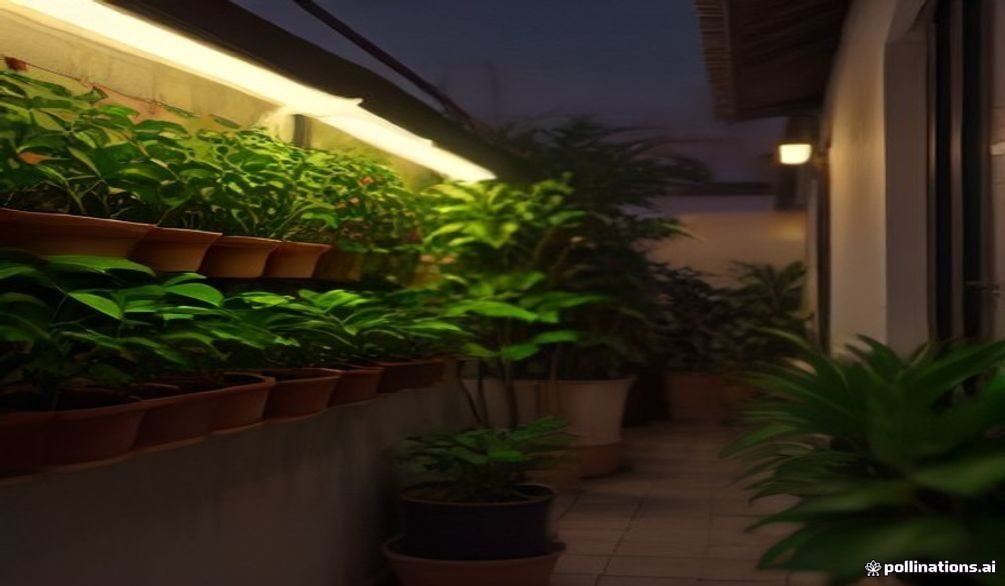
For urban gardeners, selecting a hydroponic system is often dictated by limited space and the desire for maximum yield in compact areas. The best **Hydroponic System Types for Beginners** for urban environments prioritize vertical growth, small footprints, and ease of indoor operation. My years of experience have shown that efficient space utilization is paramount when growing in city apartments or small balconies.
Consider these factors when choosing a system for urban gardening:
- Footprint: How much floor space does the system occupy? Vertical systems are often preferred.
- Height: Can it fit comfortably under grow lights or near a window without becoming cumbersome?
- Noise: Is the pump or air stone too loud for an indoor living space?
- Maintenance: How often does it require refilling or cleaning? Less frequent maintenance is a plus for busy urbanites.
- Aesthetics: Does it blend well with your home decor? Many modern systems are designed to be visually appealing.
For small balcony storage solutions or those looking for vertical garden space saving ideas, systems like the Gardyn Home Kit 4.0 are excellent examples of how hydroponics can be optimized for urban living. These vertical systems maximize yield in limited spaces and even include smart features like cameras to monitor plant growth, according to Gardyn (2026). Similarly, compact DWC buckets or multi-tiered NFT setups are fantastic for maximizing output in a small area. The LetPot LPH-SE Indoor Hydroponic Garden, with its Wi-Fi connectivity and app integration, also offers an advanced yet beginner-friendly option for remote monitoring in urban settings.
The Kratky Method and small DWC setups are perfect for those starting with hydroponics for beginners indoors, especially if you want to grow herbs or a few heads of lettuce on a countertop. For those with a bit more space or a dedicated grow area, a small Ebb and Flow system can offer greater plant variety and yield. The goal is to find a system that fits your lifestyle and space, making urban gardening a rewarding and productive endeavor.
Frequently asked questions
What are the 6 types of hydroponic systems?
The six primary types of hydroponic systems are Deep Water Culture (DWC), Nutrient Film Technique (NFT), Wick Systems, Ebb and Flow (Flood and Drain), Drip Systems, and Aeroponics. These systems represent the core methods for growing plants without soil, each with distinct operational principles. The Kratky Method is often considered a seventh, passive variation of DWC.
What is the easiest hydroponic system for beginners?
The easiest hydroponic system for beginners is widely considered to be the Kratky Method, followed closely by Deep Water Culture (DWC). Both are simple to set up, require minimal equipment, and are very forgiving for new growers. The Kratky Method requires no electricity or pumps, making it exceptionally low maintenance.
What is the most popular hydroponic system?
Deep Water Culture (DWC) is often cited as one of the most popular hydroponic system types for beginners and experienced growers alike due to its simplicity, effectiveness, and relatively low cost. It’s widely adopted for home setups and small-scale commercial operations. Greenhouse hydroponics contributed 68.3% of global sales in 2025, according to Mordor Intelligence (2026), with DWC and NFT being prevalent methods.
What are the 3 basic components of a hydroponic system?
The three basic components of any active hydroponic system are a reservoir to hold the nutrient solution, a pump to circulate the solution, and a growing medium to support the plants. For passive systems like the Kratky Method, the pump is omitted. These elements ensure plants receive essential water and minerals directly to their roots.
How much does it cost to set up a small hydroponic system?
The cost to set up a small hydroponic system for beginners can range from as little as $5-$20 for a DIY Kratky Method setup, to $50-$150 for a basic Deep Water Culture (DWC) kit. Pre-built, smart indoor gardens like AeroGarden can range from $100-$300, offering convenience at a higher price point. The global hydroponics market is projected to grow to USD 30.79 billion by 2034, indicating increasing accessibility and variety in price points, according to Fortune Business Insights (2026).
Choosing among the various **Hydroponic System Types for Beginners** truly opens up a world of fresh, homegrown produce right in your home. With my 10 years in horticulture, I can tell you that starting simple with a Kratky or DWC system will build your confidence and quickly yield delicious results. Don’t wait—select your first system, gather your components, and begin your exciting hydroponic journey today for a sustainable and rewarding gardening experience.