Key Takeaways
- Over 43% of Americans are now growing some kind of food at home, a significant increase from previous years.
- 71% of Americans planned to grow a food garden in 2025, according to consumer data (2025).
- The U.S. organic gardening products market was valued at $4.2 billion in 2023.
- Square foot gardening can produce up to 50% more yield than traditional row gardening, according to Mel Bartholomew, creator of the method.
- Healthy soil is the foundation of organic gardening, supporting plant health and nutrient density.
Figuring out where to begin with **organic garden layouts for beginners** can feel overwhelming, especially when you’re dreaming of fresh, homegrown produce but aren’t sure how to translate that vision into a thriving, chemical-free space. This guide will walk you through proven, easy-to-implement designs and essential organic practices, ensuring your first foray into gardening is both successful and sustainable.
Quick Answer: Organic garden layouts for beginners often feature simple designs like raised beds, square foot gardens, container gardens, and vertical gardens to maximize space and simplify organic practices for successful yields.
What is the easiest organic garden layout for beginners?
The easiest organic garden layout for beginners is often a raised garden bed, because it offers excellent control over soil quality and drainage, and reduces bending for easier maintenance. In my 10 years of experience, I’ve seen countless new gardeners find success with raised beds due to their manageability.
Raised beds are fantastic for organic garden layouts for beginners since you can fill them with a perfect blend of organic soil, compost, and amendments right from the start, bypassing any existing poor native soil. This approach simplifies organic soil preparation, which is a key principle in organic gardening. Plus, they warm up faster in spring, extending your growing season. What most people miss, though, is that the material you choose for your raised bed matters. Untreated cedar or metal beds are durable and don’t leach chemicals into your organic soil.
How do you plan an organic garden layout?
Planning an organic garden layout involves assessing your space, understanding sunlight patterns, choosing a suitable design, and focusing on soil health. Over 43% of Americans are now growing some kind of food at home, according to recent trends, highlighting the growing interest in home gardening.
Here’s the thing: you need to start with observation. Spend a few days watching how the sun moves across your yard. Most vegetables need at least six to eight hours of direct sunlight daily. So, plotting where the sun hits is your first crucial step for successful organic garden layouts for beginners. Next, consider your water source — how will you easily get water to your plants? After that, think about accessibility; you’ll need to reach all your plants for weeding, watering, and harvesting.
* Map Your Space: Draw a simple diagram of your yard, noting sunny and shady areas, existing structures, and water spigots. This visual aid is invaluable for designing effective organic garden layouts for beginners.
* Choose Your Layout: Decide which of the proven layouts (raised beds, square foot, container, etc.) best fits your space and time commitment.
* Select Your Plants: Research plants that thrive in your climate and consider companion planting for natural pest control and improved growth. For instance, planting basil near tomatoes can deter flies and hornworms.
* Prepare Your Soil: Focus on building rich, living soil with compost and organic matter. As Jane Shellenberger, author of *Organic Gardener’s Companion*, states, “Our most important job as vegetable gardeners is to feed and sustain soil life.” This is fundamental for any organic garden layouts for beginners.
* Plan for Succession: Think about what you’ll plant after your first harvest to keep your garden productive throughout the season.
7 proven organic garden layouts for beginners
There are several effective organic garden layouts for beginners that simplify the process and maximize yields, focusing on ease of management and organic principles. Real talk: you don’t need a huge plot to grow a significant amount of food organically.
Here are seven excellent options:
- Raised Bed Gardening:
This is my top recommendation for organic garden layouts for beginners. Raised beds offer excellent drainage, allow you to control soil quality from the start, and reduce strain on your back. You can build them with untreated wood, stone, or metal. They are perfect for small organic garden design and can be tailored to various sizes. I’ve found that a 4×8 foot bed is a very manageable size for most beginners.

- Square Foot Gardening:
Developed by Mel Bartholomew, this method divides a raised bed into 1×1 foot squares, each planted with a specific number of plants. It maximizes yield in small spaces and minimizes weeding. Square foot gardening can produce up to 50% more yield than traditional row gardening, according to Mel Bartholomew himself. It’s an incredibly efficient option for organic garden layouts for beginners.

- Container Gardening:
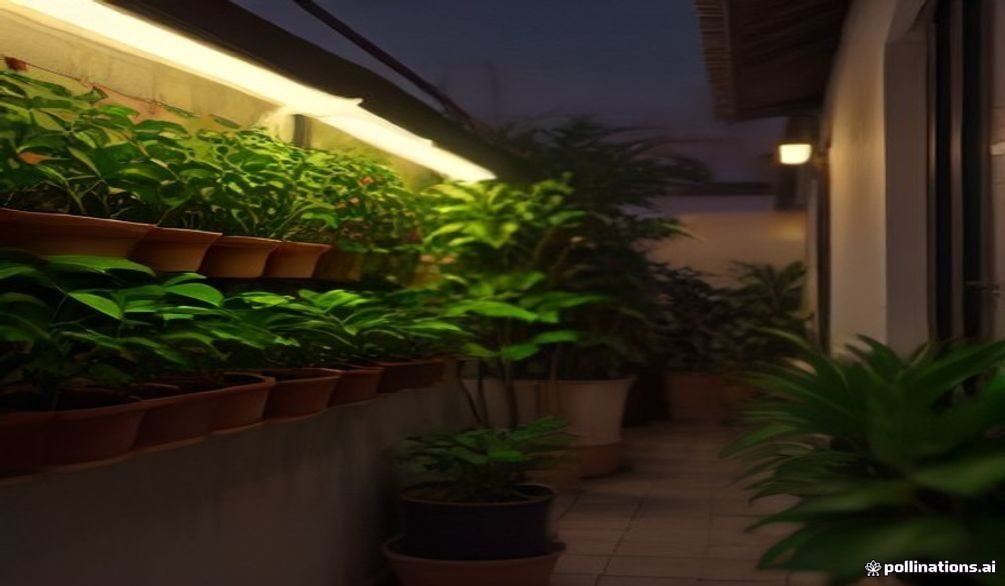
Ideal for patios, balconies, or limited ground space, container gardening allows you to grow vegetables and herbs in pots, buckets, or repurposed items. This is a flexible choice for organic garden layouts for beginners, letting you move plants to optimize sun exposure. Just remember to choose large enough containers for root development and ensure good drainage. This method is often the first step for urban gardeners.

- Vertical Gardening:
When horizontal space is limited, go vertical! This method involves growing plants upwards using trellises, hanging planters, or tiered systems. It’s a creative way to expand your growing area and a great idea for organic garden layouts for beginners in urban environments. Think about growing climbing beans, cucumbers, or even strawberries vertically. For tips on managing roots in these systems, you might find our article on vertical garden root system management helpful.

- Keyhole Garden:
Originating from Africa, keyhole gardens are circular raised beds with a central composting basket. This design makes composting and watering incredibly efficient, as nutrients and moisture slowly release into the surrounding soil. It’s a sustainable garden design that embodies organic principles, making it an excellent choice for organic garden layouts for beginners focused on self-sufficiency.
- In-Ground Row Gardening (Modified):
While traditional row gardening can be labor-intensive, a modified version focuses on wider rows or beds with permanent pathways. This reduces soil compaction and allows for denser planting. For organic garden layouts for beginners using this method, focus heavily on amending the existing soil with compost before planting. This is simpler than it sounds if you focus on one area at a time.
- Lasagna Gardening (No-Dig):
This no-till method involves layering organic materials like cardboard, leaves, compost, and straw directly onto your desired garden spot. Over time, these layers break down to create rich, fertile soil. It’s a fantastic, low-effort approach for organic garden layouts for beginners who want to build soil without digging. I often recommend this for areas with poor existing soil. It takes a little patience, but the results are worth it.
What are the 7 principles of organic gardening?
The 7 principles of organic gardening guide sustainable practices that foster a healthy ecosystem rather than relying on synthetic inputs. These principles are crucial for anyone planning organic garden layouts for beginners.
1. Feed the Soil, Not the Plant: This is arguably the most important principle. Focus on enriching your soil with compost, organic matter, and cover crops. As Jane Shellenberger emphasizes, “If we do this, our plants will thrive, we’ll grow nutritious, healthy food, and our soil conditions will get better each year.” This directly supports productive organic garden layouts for beginners.
2. Promote Biodiversity: Encourage a variety of plants, insects, and microorganisms in your garden. Companion planting, for example, helps deter pests naturally and attracts beneficial insects.
3. Use Natural Pest and Disease Control: Instead of chemical pesticides, rely on beneficial insects, crop rotation, and healthy plant vigor to manage pests and diseases.
4. Conserve Resources: Practice water conservation through mulching and efficient irrigation. Also, reuse and recycle materials whenever possible.
5. Avoid Synthetic Inputs: Steer clear of chemical fertilizers, pesticides, herbicides, and genetically modified organisms (GMOs).
6. Practice Crop Rotation: Change the location of your crops each season to prevent nutrient depletion and break pest and disease cycles.
7. Integrate Animals (if applicable): If possible, integrate small livestock like chickens for pest control, weeding, and manure production. For most organic garden layouts for beginners, this might mean simply supporting local wildlife.
Best plants for a beginner organic garden
Choosing the right plants that are forgiving and relatively easy to grow organically is key to success for organic garden layouts for beginners. Many new gardeners get ambitious, but starting with resilient varieties makes a huge difference.
Here’s a table of some excellent choices:
| Plant Name | Why It’s Good for Beginners | Ideal Layouts |
|---|---|---|
| Lettuce & Leafy Greens | Quick growing, tolerates some shade, relatively few pest issues. | Raised Beds, Containers, Square Foot |
| Radishes | Extremely fast (ready in 3-4 weeks), easy to grow. | Raised Beds, Square Foot, In-Ground |
| Bush Beans | High yield, nitrogen fixers, relatively pest-resistant. | Raised Beds, Square Foot, In-Ground |
| Cherry Tomatoes | Productive, more forgiving than larger varieties, good for containers. | Raised Beds, Containers, Vertical (with support) |
| Zucchini/Squash | Very prolific, but needs space. Easy to grow from seed. | Raised Beds, In-Ground (can sprawl) |
| Herbs (Basil, Mint) | Fragrant, deter some pests, grow well in pots. | Containers, Raised Beds, Square Foot |
| Carrots | Rewarding to harvest, need loose soil. | Raised Beds, Deep Containers, In-Ground |
Worth knowing: many herbs, like basil, are excellent companion plants for tomatoes, helping to deter pests and enhance flavor. This is a simple trick for any of your organic garden layouts for beginners.
Common organic gardening mistakes to avoid
Avoiding common pitfalls is just as important as knowing what to do when setting up organic garden layouts for beginners. Many people skip crucial steps and regret it later.
* Ignoring Soil Health: The biggest mistake is neglecting the soil. “Healthy soil is the finest capital,” as a veteran smallholder once put it. Without rich, living soil, your plants will struggle, no matter how perfect your organic garden layouts for beginners seem. Always prioritize adding compost and organic matter.
* Overwatering or Underwatering: Consistency is key. Stick your finger into the soil; if it feels dry an inch or two down, it’s time to water. 72% of container plants fail due to poor drainage or improper watering, according to Penn State Extension (2023), so be mindful, especially with container gardening organic setups.
* Planting Too Closely: While square foot gardening encourages density, overall, plants need space to grow, access light, and allow for air circulation to prevent disease. Read seed packets for spacing recommendations.
* Not Mulching: Mulch conserves moisture, suppresses weeds, and regulates soil temperature. Skipping it means more weeding and watering for you.
* Ignoring Pests Until It’s Too Late: Regularly inspect your plants. Early detection of pests allows for organic solutions like hand-picking or insecticidal soap before infestations get out of control.
* Giving Up Too Soon: Gardening has its challenges. Don’t get discouraged by a few failures. Every season is a learning experience.
Budgeting and sourcing organic materials
Effectively budgeting and sourcing organic materials is a practical step for establishing sustainable organic garden layouts for beginners without breaking the bank. The U.S. organic gardening products market was valued at $4.2 billion in 2023, showing the growing availability of organic options.
* Compost is King: Making your own compost is the most cost-effective way to enrich your soil. Start a compost pile with kitchen scraps and yard waste. If buying, look for certified organic compost.
* Seeds vs. Starts: Starting plants from organic seeds is generally cheaper than buying organic plant starts. The U.S. organic seed market was valued at $1.32 billion in 2024 and is projected to surpass $3.82 billion by 2034, indicating a wide variety of organic seeds are available.
* Repurpose Materials: For raised beds or containers, look for untreated lumber scraps, old tires (check for chemical leaching concerns), or even food-grade barrels. This saves money and is environmentally friendly.
* Tools: You don’t need every gadget. A good quality trowel, hand pruners, and a watering can are excellent starting points. Gardener’s Supply Company offers durable, sustainably-focused tools that last.
* Local Nurseries and Farmers: Support local businesses that specialize in organic practices. They often have the best advice and regionally adapted plants for your organic garden layouts for beginners.
Frequently asked questions
What is the easiest garden layout for beginners?
The easiest garden layout for beginners is often a raised garden bed because it offers excellent control over soil conditions and reduces physical strain. Raised beds allow you to build ideal organic soil from scratch, which is crucial for healthy plant growth. This setup simplifies the initial steps for any aspiring gardener.
How do you plan an organic garden layout?
Planning an organic garden layout involves assessing sunlight patterns, drawing a simple map of your space, selecting a suitable layout, and prioritizing organic soil preparation. 71% of Americans reported plans to grow a food garden in 2025, according to consumer data (2025), highlighting the widespread interest in home food production. Start by observing your site’s sun exposure throughout the day to ensure your plants get enough light.
What are the 7 principles of organic gardening?
The 7 principles of organic gardening include feeding the soil, promoting biodiversity, using natural pest control, conserving resources, avoiding synthetic inputs, practicing crop rotation, and integrating animals. These principles guide gardeners toward creating a healthy, self-sustaining ecosystem. Adhering to these tenets ensures your organic garden layouts for beginners are truly sustainable.
What are the best plants for a beginner organic garden?
The best plants for a beginner organic garden include leafy greens like lettuce, radishes, bush beans, cherry tomatoes, zucchini, and various herbs. These plants are generally forgiving, have fewer pest issues, and provide quick, rewarding harvests. Starting with these resilient choices increases the likelihood of success for organic garden layouts for beginners.
What are some common organic gardening mistakes to avoid?
Common organic gardening mistakes to avoid include neglecting soil health, improper watering, planting too closely, not mulching, and ignoring early signs of pests. Focusing on building rich soil is paramount, as “good soil is structure, carbon, air, moisture, and life held together,” according to organic farming wisdom. Addressing these issues early can prevent major setbacks and ensure your organic garden layouts for beginners thrive.
Embarking on your journey with **organic garden layouts for beginners** is a rewarding experience that connects you with nature and provides healthy food. By choosing simple designs like raised beds or square foot gardens, focusing on nutrient-rich soil, and embracing organic principles, you’re setting yourself up for success. Remember, every season is a chance to learn and grow, and with these proven layouts, your organic garden will flourish. Start small, observe, and enjoy the incredible bounty of your very own organic space.