
Key Takeaways
- Over 4 in 5 (81%) of homeowners prefer eco-friendly pest control for plants, according to Modern Pest Services (2026).
- Basil, rosemary, mint, sage, chives, thyme, and oregano are seven highly effective pest-resistant herbs for garden use.
- The global agri natural enemy pest control market is projected to reach USD 19.96 billion in 2025, according to Roots Analysis (2026).
- Strategic companion planting of pest-resistant herbs can reduce pest damage by masking crop scents and attracting beneficial insects.
- DIY pest sprays using herbs like mint and rosemary offer natural, non-toxic solutions for common garden invaders.
Are you tired of battling garden pests with harsh chemicals, only to see your precious plants suffer? As a gardener with over 10 years of experience in horticulture, I’ve seen firsthand how effectively **Pest-Resistant Herbs for Garden** can transform a struggling patch into a thriving, balanced ecosystem. These aromatic plants are not just culinary delights; they are your garden’s natural defense system, offering a sustainable path to healthier growth and abundant harvests.
Quick Answer: Basil, rosemary, mint, sage, chives, thyme, and oregano are seven pest-resistant herbs. They deter pests via strong scents, masking host plants, or attracting beneficial predatory insects, offering natural garden pest management.
What are Pest-Resistant Herbs and How Do They Work?
Pest-resistant herbs are plants that naturally deter harmful insects and other garden invaders through their unique biochemical properties. These herbs typically work by emitting strong scents, containing compounds that are unpalatable or toxic to pests, or by attracting beneficial insects that prey on unwanted visitors. This makes them invaluable **Pest-Resistant Herbs for Garden** protection.
The effectiveness of these plants stems from their natural defense mechanisms, developed over millennia to protect themselves from predation. For instance, some plants with highly scented foliage may help discourage mosquitoes in your garden, a fact highlighted by Jarrod Reed of ClearDefense Pest Control. Incorporating these plants is a foundational step in organic pest control.
Many of these herbs contain volatile organic compounds (VOCs) that confuse pests or mask the scent of nearby desirable plants. This olfactory camouflage is a clever tactic that prevents pests from locating their target crops. The strong aroma of rosemary, for example, can make it harder for carrot rust flies to find their host plants.
Beyond simple deterrence, some **Pest-Resistant Herbs for Garden** actively produce insecticidal compounds. Pyrethrum, a natural insecticide derived from certain chrysanthemum species, is a well-known example, though not technically an herb in the culinary sense. The goal is always to create a thriving garden environment.
Here’s how these natural pest control powerhouses generally operate:
- Scent Masking: Strong aromatic oils confuse pests, making it difficult for them to detect their preferred food sources. This is particularly effective against generalist feeders.
- Repellent Compounds: Some herbs release specific chemicals that pests find irritating or toxic, driving them away. Lemon balm, for instance, contains citronellal, known to repel mosquitoes.
- Attracting Beneficials: Certain herbs act as “trap crops” or nectar sources for predatory insects like ladybugs and lacewings, which then feast on aphids and other soft-bodied pests. This is a key aspect of companion planting herbs.
- Physical Barriers: Dense, bushy herbs can sometimes create a physical barrier, making it harder for pests to access vulnerable plants. This is a less common, but still contributing, factor when considering **Pest-Resistant Herbs for Garden**.
The integration of **Pest-Resistant Herbs for Garden** is a cornerstone of an integrated pest management strategy. It reduces reliance on synthetic pesticides, contributing to a healthier environment and safer produce. This approach aligns with the preferences of many gardeners; over 4 in 5 (81%) of homeowners prefer eco-friendly pest control for plants, according to Modern Pest Services (2026).
7 Essential Pest-Resistant Herbs for Your Garden
Choosing the right **Pest-Resistant Herbs for Garden** can significantly reduce pest pressure and foster a more resilient planting space. My experience over the past decade has shown these seven herbs to be consistently effective in deterring common garden invaders. These are the core elements of natural pest control for vegetable garden.
Here are seven essential pest-resistant herbs, detailing their specific benefits and target pests:
1. Basil (Ocimum basilicum)
Basil is an aromatic powerhouse known for its culinary versatility and its ability to repel a wide array of pests. The intense, spicy aroma of basil helps mask the scent of your crops, throwing off pests like whitefly and thrips that would otherwise make a beeline for your prize tomatoes, as noted by Jude Allan, head grower at Wild restaurant. This makes it one of the most effective **Pest-Resistant Herbs for Garden** use.
Interplanting basil with tomatoes helps mask tomato plants from thrips and reduces egg-laying behavior in adult tomato hornworms. It’s also effective against mosquitoes and flies, making it a great choice for patio containers. From my perspective, basil is a non-negotiable for anyone growing tomatoes or peppers.
2. Rosemary (Salvia rosmarinus)
This fragrant, woody herb is a robust deterrent against several common garden pests. Rosemary’s strong, pine-like scent is particularly disliked by carrot rust flies, cabbage moths, and slugs. It’s an excellent choice among **Pest-Resistant Herbs for Garden** borders.
Rosemary can also help deter mosquitoes and even some larger pests like deer and rabbits, who are often put off by its potent aroma. Nicole Burke, a professional gardener and owner of Gardenary, often recommends rosemary for its hardiness and pest-repelling qualities. Place rosemary strategically around susceptible plants.
3. Mint (Mentha spp.)
Mint, with its invigorating aroma, is a highly effective repellent for many insects, including ants, aphids, flea beetles, and even mice. However, its vigorous spreading habit means it’s best grown in containers or with root barriers to prevent it from taking over your garden beds. This makes it one of the best pest resistant herbs for containers.
The menthol in mint is particularly offensive to many pests, making it a powerful natural pest control solution. I often suggest planting mint near outdoor seating areas to help repel mosquitoes. Just remember to contain it, and it will be one of your most reliable **Pest-Resistant Herbs for Garden**.
4. Sage (Salvia officinalis)
Sage is another highly aromatic herb that can deter cabbage moths, carrot rust flies, and flea beetles. Its earthy, pungent scent provides a strong deterrent, especially when planted near brassicas. Sage is a superb choice when looking for **Pest-Resistant Herbs for Garden** that also offer culinary value.
Sage is also effective at protecting cucurbits like melons, squash, and cucumbers from pests, including the squash vine borer. Its dense foliage also offers shelter for beneficial insects. This herb exemplifies the dual benefit of many **Pest-Resistant Herbs for Garden**—flavor and protection.
5. Chives (Allium schoenoprasum)
As a member of the allium family, chives emit a sulfurous compound that is highly effective against aphids, Japanese beetles, and carrot rust flies. Their delicate purple flowers also attract pollinators, adding beauty and biodiversity to your garden. Chives are excellent **Pest-Resistant Herbs for Garden** companion planting.
Planting chives near roses can help deter aphids, and alongside carrots, they can confuse the carrot rust fly. This simple act of companion planting herbs can make a significant difference in pest management. Chives are low-maintenance and provide continuous pest deterrence.
6. Thyme (Thymus vulgaris)
Thyme is a low-growing, fragrant herb that excels at deterring cabbage worms, whiteflies, and corn earworms. Its dense growth habit can also act as a living mulch, suppressing weeds and retaining soil moisture. Thyme is a versatile choice among **Pest-Resistant Herbs for Garden** groundcovers.
Underplanting tomato plants with thyme forms a mulch-like carpet that deters egg-laying by yellow-striped armyworm moths. This strategic placement demonstrates how to use herbs for organic pest control effectively. Its tiny flowers also attract beneficial insects.
7. Oregano (Origanum vulgare)
Oregano, with its strong, spicy aroma, is a robust deterrent for many common garden pests, including cabbage moths, cucumber beetles, and spider mites. Its spreading nature makes it a great groundcover in larger garden areas. Oregano is a powerful addition to your collection of **Pest-Resistant Herbs for Garden**.
Like many of its Mediterranean cousins, oregano releases potent essential oils that confuse and repel pests. It’s particularly useful when interplanted with brassicas or cucurbits. I’ve found oregano to be incredibly resilient and a reliable pest deterrent in my own garden.
| Herb | Primary Pests Repelled | Mechanism | Best Companion Plants |
|---|---|---|---|
| Basil | Mosquitoes, Flies, Thrips, Whiteflies, Tomato Hornworms | Strong scent masking | Tomatoes, Peppers |
| Rosemary | Carrot Rust Flies, Cabbage Moths, Slugs, Deer | Strong pine-like aroma | Carrots, Cabbage, Beans |
| Mint | Ants, Aphids, Flea Beetles, Mice | Menthol compounds, strong scent | Cabbage, Tomatoes (in containers) |
| Sage | Cabbage Moths, Carrot Rust Flies, Flea Beetles, Squash Vine Borers | Pungent, earthy aroma | Cabbage, Carrots, Cucurbits |
| Chives | Aphids, Japanese Beetles, Carrot Rust Flies | Sulfurous compounds | Roses, Carrots, Tomatoes |
| Thyme | Cabbage Worms, Whiteflies, Corn Earworms | Strong scent, groundcover | Cabbage, Tomatoes, Eggplant |
| Oregano | Cabbage Moths, Cucumber Beetles, Spider Mites | Spicy, potent aroma | Cabbage, Cucumbers, Broccoli |
Beyond Repulsion: Herbs That Attract Beneficial Insects
While many **Pest-Resistant Herbs for Garden** are celebrated for their repellent qualities, some also play a crucial role in pest management by attracting beneficial predatory insects. This dual function creates a more balanced and self-regulating garden ecosystem, moving beyond just deterring pests to actively managing their populations. The global agri natural enemy pest control market, valued at USD 18.5 billion in 2024, is projected to reach USD 19.96 billion in 2025, according to Roots Analysis (2026), highlighting the growing importance of natural predators.
Herbs like dill, cilantro, and calendula are magnets for natural pest enemies. Their small, often flat-topped flowers provide accessible nectar and pollen for tiny beneficial insects. These insects, in turn, are voracious predators of common garden pests.
The power of these herbs lies in their ability to support the lifecycle of insects that control pests:
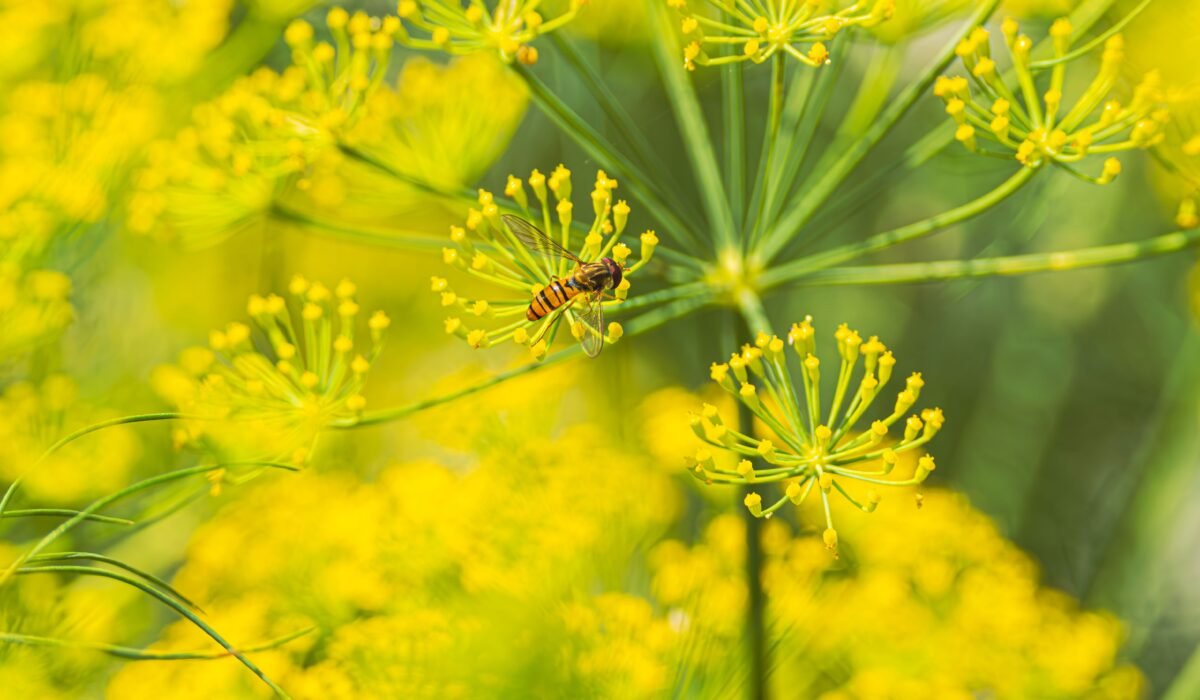
- Dill: Its wide, flat, yellow umbel flowers attract parasitic wasps, which then hunt down aphids on peppers and cucumbers. It also draws in ladybugs and lacewings.
- Cilantro: When allowed to bolt and flower, cilantro provides nectar for hoverflies, whose larvae are excellent aphid predators. It’s a superb choice for attracting beneficial insects.
- Calendula: This cheerful flower, often interplanted with vegetables, is known to attract ladybugs and other predatory insects. Planting calendula near collards has been proven to deter aphids.
- Fennel: Similar to dill, fennel’s umbrella-shaped flowers are ideal for attracting predatory wasps and hoverflies. It’s a great companion for a wide range of plants.
Jude Allan emphasizes the importance of these herbs: “If you aren’t tucking herbs like dill and basil into the margins, understories and row ends, you’re missing a massive trick.” This strategy leverages the full potential of **Pest-Resistant Herbs for Garden** to create a dynamic pest control system. By providing food and shelter, we encourage these natural allies to stay and help.
This approach is particularly valuable for organic pest control, as it reduces the need for interventions. A diverse planting of **Pest-Resistant Herbs for Garden** varieties ensures a continuous supply of nectar and pollen, maintaining a healthy population of beneficial insects throughout the growing season. This creates a resilient garden ecosystem.
Strategic Placement: Maximizing Your Pest-Resistant Herbs
The effectiveness of **Pest-Resistant Herbs for Garden** isn’t just about *what* you plant, but *where* you plant it. Strategic placement, often referred to as companion planting herbs, can significantly enhance their pest-repelling capabilities and protect your vulnerable crops. In my experience, haphazard planting yields mediocre results; intentional placement is key.
For example, planting strong-smelling herbs like rosemary around the perimeter of your vegetable beds creates a scented barrier, making it harder for pests to enter. This forms a first line of defense, a key strategy when incorporating **Pest-Resistant Herbs for Garden** into your design. This is a practical application of how to use herbs for organic pest control.
Consider these placement strategies to maximize the impact of your pest-resistant herbs:
- Interplanting: Weave **Pest-Resistant Herbs for Garden** directly among your susceptible vegetables. Basil near tomatoes, chives near carrots, or sage near cabbage are classic examples. This masks the scent of the target crop.
- Border Planting: Create a protective border around your entire garden or specific beds with highly aromatic herbs. Rosemary, mint (in containers), or lavender can form an effective fragrant fence.
- Container Gardening: For invasive herbs like mint, or for smaller spaces, containers are ideal. Place pots of **Pest-Resistant Herbs for Garden** strategically around your patio, near doorways, or directly within raised beds to manage their spread while still benefiting from their pest-repelling properties. This is especially useful for best pest resistant herbs for containers.
- Underplanting: Grow low-growing herbs like thyme beneath taller plants. This creates a living mulch that can deter ground-dwelling pests and provide additional scent camouflage.
- Grouping: Plant several of the same herb together in a cluster to intensify their repellent scent. A concentrated patch of marigolds, for instance, can be more effective than scattered individual plants.
Penn State Extension often highlights the benefits of companion planting, emphasizing how certain plants can support each other through various mechanisms, including pest deterrence (Penn State Extension, 2023). This science-backed approach ensures that your **Pest-Resistant Herbs for Garden** are working overtime for you. Always consider the growth habits of your herbs; vigorous spreaders need more thoughtful placement.
In practice, I’ve found that rotating the location of your **Pest-Resistant Herbs for Garden** annually can also help confuse pests that may become accustomed to certain plant patterns. This dynamic approach keeps your garden’s defenses strong. This ensures a thriving garden that is less susceptible to pest outbreaks.
DIY Pest Control Solutions Using Garden Herbs
Beyond simply planting them, you can harness the potent properties of **Pest-Resistant Herbs for Garden** to create effective, natural DIY pest control solutions. These homemade remedies offer a non-toxic alternative to chemical sprays, making them safer for your plants, pets, and the environment. This is a hands-on way to implement organic pest control.
One of the easiest ways to use these herbs is by making infused sprays. The essential oils extracted from the herbs can be powerful deterrents when applied directly to affected plants. My experience shows these are most effective as preventative measures or for early-stage infestations.
Here are a few simple DIY solutions you can create with your **Pest-Resistant Herbs for Garden**:
- Garlic and Chili Pepper Spray:
- Ingredients: 2-3 cloves of garlic, 1-2 hot chili peppers (e.g., cayenne), 1 tablespoon liquid dish soap, 1 quart water.
- Method: Blend garlic and peppers with a small amount of water until smooth. Steep in 1 quart of hot water for several hours or overnight. Strain the liquid, add dish soap, and dilute with more water if needed.
- Use: Spray on plants to repel aphids, spider mites, and whiteflies.
- Mint or Rosemary Repellent Spray:
- Ingredients: 1 cup fresh mint or rosemary leaves, 1 quart boiling water, 1 teaspoon liquid dish soap.
- Method: Pour boiling water over the herb leaves and let steep until cool. Strain the liquid, add dish soap, and mix well.
- Use: Effective against aphids, flea beetles, and some caterpillars. Also great as a general insect repellent for outdoor areas. These **Pest-Resistant Herbs for Garden** are particularly potent.
- Herbal Sachets for Larger Pests:
- Ingredients: Dried mint, rosemary, or bay leaves.
- Method: Fill small cloth bags or old stockings with dried herbs.
- Use: Place sachets around vulnerable plants or hang them in fruit trees to deter deer, rabbits, and rodents. This is a simple, passive method using **Pest-Resistant Herbs for Garden**.
Remember to always test any DIY spray on a small portion of a plant first to ensure it doesn’t cause damage, especially in hot, direct sunlight. Apply these solutions in the early morning or late evening. These methods represent a sustainable approach to how to use herbs for organic pest control, aligning with the 49% of gardeners who plan to use pest-repellent plants as an eco-friendly pest control method, according to Modern Pest Services (2026).
What most people miss is the consistency required. Regular application, especially after rain, is crucial for maintaining the deterrent effect of these natural solutions. This ongoing effort ensures your **Pest-Resistant Herbs for Garden** contribute effectively to your pest management strategy.
Cultivating a Healthy Garden Ecosystem with Herbs
Cultivating a healthy garden ecosystem with **Pest-Resistant Herbs for Garden** is about more than just repelling bugs; it’s about fostering biodiversity and natural balance. By integrating these beneficial plants, you create a resilient environment where plants thrive, beneficial insects flourish, and pest problems are naturally minimized. This holistic approach supports a thriving garden.
A diverse garden, rich in various plant types, is inherently more resistant to pest outbreaks. When you introduce **Pest-Resistant Herbs for Garden**, you’re adding layers of defense and support. For instance, in 2025, spotted wing drosophila (SWD) was cited as the biggest pest threat by 21% of growers, according to Vegetable Growers News (2025); a varied ecosystem can help mitigate such threats.
Here’s how herbs contribute to a robust garden ecosystem:
- Increased Biodiversity: Different herbs attract different beneficial insects and deter various pests, creating a complex web of interactions that keeps any single pest population from exploding.
- Reduced Chemical Reliance: By providing natural pest control, herbs lessen the need for synthetic pesticides, which can harm beneficial insects, pollinators, and soil health. This is a core tenet of organic garden soil building tips.
- Improved Soil Health: Some herbs, especially those with deep root systems, can improve soil structure and nutrient cycling. Their presence can also contribute to a healthy soil microbiome.
- Pollinator Support: Many **Pest-Resistant Herbs for Garden**, when allowed to flower, provide essential nectar and pollen for bees, butterflies, and other pollinators, critical for fruit and vegetable production.
- Enhanced Plant Vigor: Plants grown in a balanced ecosystem with natural pest control often experience less stress, leading to stronger growth and higher yields. This creates a truly thriving garden.
The Royal Horticultural Society (RHS) consistently advocates for gardening practices that support wildlife and biodiversity, recognizing the vital role these play in natural pest management (Royal Horticultural Society, 2026). This aligns perfectly with the philosophy of using **Pest-Resistant Herbs for Garden** to create a sustainable and self-sufficient space.
Gen Y (66.7%) and Gen Z (63.8%) spent more time gardening in 2025 compared to Gen X (33.1%), as reported by Axiom (2025), indicating a growing interest in sustainable practices. This shift towards natural methods, including the use of **Pest-Resistant Herbs for Garden**, is a promising trend for the future of home gardening.
Frequently Asked Questions
What herbs keep pests away from gardens?
Basil, rosemary, mint, sage, chives, thyme, and oregano are among the top herbs known to keep pests away from gardens. These **Pest-Resistant Herbs for Garden** release strong aromas or compounds that deter common garden invaders. Over 4 in 5 (81%) of homeowners prefer eco-friendly pest control for plants, according to Modern Pest Services (2026), making these herbs a popular choice. Incorporating these herbs into companion planting schemes can significantly enhance their effectiveness.
What is a natural pest repellent for gardens?
Natural pest repellents for gardens include aromatic herbs like basil and mint, which emit scents that confuse or deter pests. These **Pest-Resistant Herbs for Garden** also include plants that attract beneficial predatory insects. The global agri natural enemy pest control market is projected to reach USD 19.96 billion in 2025, according to Roots Analysis (2026), underscoring the demand for natural solutions. Utilizing these plants reduces the reliance on synthetic chemicals for pest management.
What plants keep bugs away from other plants?
Many **Pest-Resistant Herbs for Garden**, such as rosemary and chives, keep bugs away from other plants by masking the scent of vulnerable crops or releasing repellent compounds. For instance, planting calendula near collards has been proven to deter aphids. This companion planting strategy leverages the natural defenses of herbs to protect more susceptible plants.
What is the best herb to repel all insects?
No single herb can effectively repel *all* insects, but a combination of **Pest-Resistant Herbs for Garden** offers broad-spectrum protection. Mint is highly effective against a wide range of pests like ants and aphids, while basil deters mosquitoes and flies. A diverse planting strategy using multiple pest-resistant herbs creates a more robust defense than relying on just one.
How do herbs attract beneficial insects for pest control?
Herbs attract beneficial insects for pest control by providing nectar and pollen from their flowers, which are essential food sources for predators like ladybugs, lacewings, and parasitic wasps. Dill’s umbel flowers, for example, are known to attract parasitic wasps that prey on aphids. This method of using **Pest-Resistant Herbs for Garden** supports a natural, balanced ecosystem to manage pests.
Embracing **Pest-Resistant Herbs for Garden** is one of the most rewarding steps you can take toward cultivating a truly healthy and vibrant outdoor space. From deterring common nuisances with their potent aromas to attracting beneficial predators, these plants offer a sustainable, chemical-free path to pest management. By thoughtfully integrating these seven essential herbs into your garden design, you’re not just planting; you’re actively building a resilient ecosystem that thrives naturally. Start experimenting with these powerful allies today, and watch your garden flourish with less effort and more joy.







