
Key Takeaways
- The global urban farming market was valued at US$ 234.7 billion in 2025, according to DMI analysis (2026).
- Tomatoes are the most popular homegrown vegetable, found in 86% of food gardens, based on 2025 data.
- Vertical gardening is the single most effective way to multiply your growing area in a compact terrace space.
- Selecting compact, high-yielding varieties is crucial for maximizing the output of productive terrace garden vegetables.
- Companion planting enhances growth and deters pests, making your productive terrace garden more resilient.
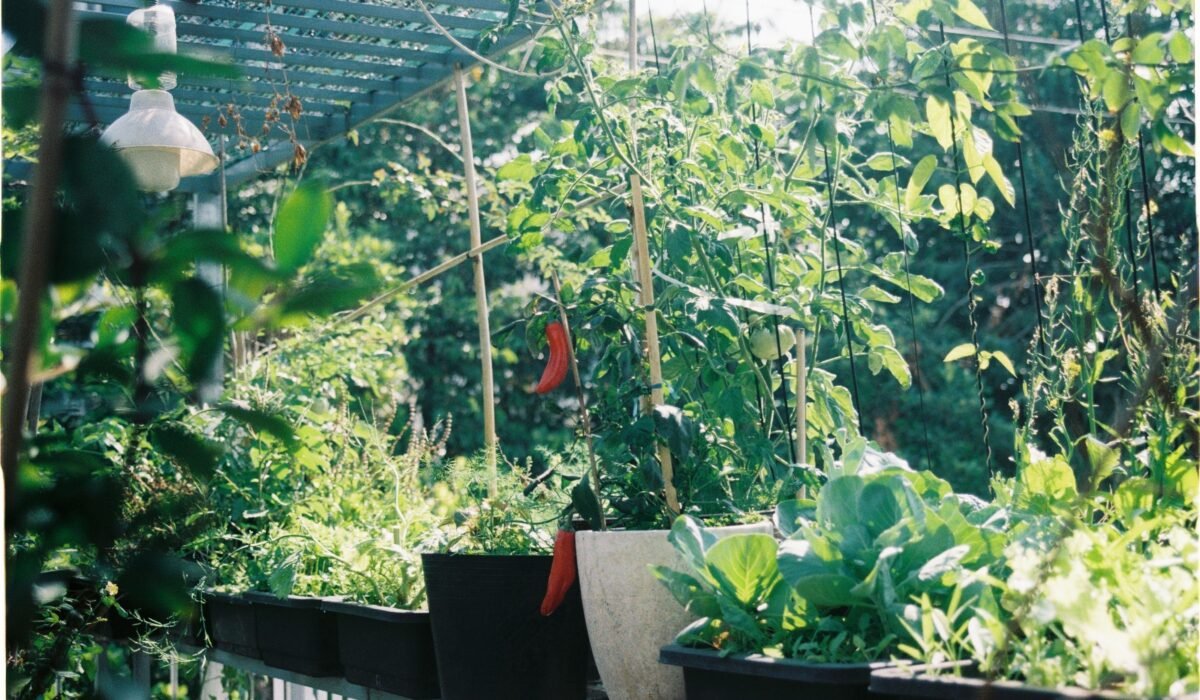
Are you dreaming of fresh, organic produce right outside your door, even if you only have a small balcony or rooftop? Cultivating **Productive Terrace Garden Vegetables** is an achievable and rewarding endeavor, transforming limited urban spaces into thriving edible havens. In my 10+ years of experience in horticulture, I’ve seen firsthand how strategic plant choices and smart techniques can yield an abundant harvest, and this guide will show you exactly how to select and nurture the best vegetables for maximum productivity.
Quick Answer: For a productive terrace garden, choose compact, high-yielding vegetables like cherry tomatoes, bush beans, leafy greens, radishes, peppers, cucumbers, and chilies. Prioritize good drainage, ample sunlight, and vertical growing to maximize your harvest in limited space.
What makes a vegetable “essential” for a productive terrace garden?
A vegetable earns the title “essential” for a productive terrace garden by demonstrating **high yield in confined spaces**, requiring minimal root run, and adapting well to container conditions. About 55% of U.S. households have a garden, translating to 71.5 million gardening households, according to Scotts Miracle-Gro and Wakefield research (2025), highlighting the widespread interest in home growing, even in urban settings. For a productive terrace garden, it’s not just about growing; it’s about growing *smart*.
The key insights here involve selecting varieties specifically bred for small spaces, often labeled as “patio,” “bush,” or “dwarf.” These varieties offer full-sized crops without sprawling vines or deep taproots, making them ideal for a productive terrace garden. Prioritizing resistance to common container-related stresses like uneven watering and nutrient depletion also contributes to consistent harvests.
For truly productive terrace garden vegetables, consider their growth habit, sunlight requirements, and how quickly they mature. Fast-growing options allow for multiple harvests in a single season, maximizing your space’s output.
Furthermore, disease resistance and tolerance to fluctuating temperatures on a terrace are vital. Investing in robust plant starts or seeds from reputable brands like Southern Living Plant Collection can significantly reduce potential problems, ensuring your productive terrace garden remains healthy.
7 essential productive terrace garden vegetables for maximum yield
To achieve maximum yield from **Productive Terrace Garden Vegetables**, focus on varieties that are compact, fast-growing, and offer continuous harvests. Tomatoes are the most popular homegrown vegetable, found in 86% of food gardens, based on 2025 data, underscoring their universal appeal and productivity. My experience shows that choosing the right “patio” or “bush” varieties is paramount for success with productive terrace garden vegetables.
Here are seven essential productive terrace garden vegetables that consistently deliver:
- Cherry Tomatoes: These are arguably the kings of productive terrace garden vegetables. “Patio” or “Bush” varieties like ‘Tiny Tim’ or ‘Sungold’ produce abundant, sweet fruits over a long season from a single plant. You can expect 5-10 pounds per plant with proper care.
- Bush Beans: Unlike pole beans, bush beans don’t require extensive trellising, making them ideal productive terrace garden vegetables. Varieties like ‘Provider’ or ‘Contender’ yield multiple flushes of beans, often producing up to 2-3 pounds per plant in a compact space.
- Leafy Greens (Lettuce, Spinach, Kale): These are incredibly efficient productive terrace garden vegetables. A single grow bag of salad leaves can provide fresh greens for three months from a balcony. Cut-and-come-again varieties ensure a continuous supply, perfect for small containers.
- Radishes: For quick gratification, radishes are unbeatable among productive terrace garden vegetables. They mature in as little as 3-4 weeks, allowing for successive plantings and constant harvests. Varieties like ‘Cherry Belle’ thrive in shallow containers.
- Bell Peppers/Chilies: Compact pepper plants, especially smaller bell pepper varieties or hot chilies like ‘Jalapeño’, are excellent productive terrace garden vegetables. They are visually appealing and a single plant can yield 10-20 peppers throughout the growing season.
- Cucumbers (Bush Varieties): While traditional cucumbers sprawl, bush varieties such as ‘Bush Crop’ or ‘Spacemaster’ are specifically bred for containers. These productive terrace garden vegetables offer crisp, fresh cukes without taking over your entire terrace, yielding 5-10 fruits per plant.
- Strawberries: Often overlooked as productive terrace garden vegetables, everbearing strawberry varieties are perfect for hanging baskets or vertical planters. They produce sweet berries throughout the summer and stay away from slugs, offering easy picking.
When selecting seeds or starts, always look for descriptions that mention “container-friendly,” “compact,” or “dwarf” to ensure you’re getting the most suitable options for your productive terrace garden setup.
Beyond the basics: advanced tips for hyper-productive terrace gardening
To push your **Productive Terrace Garden Vegetables** beyond basic yields into hyper-productivity, integrate strategic watering, consistent feeding, and vigilant pruning. The “secret is not to grow everything at once but to begin with crops that are naturally resilient, productive and forgiving of beginner mistakes,” advises Riya Singh of 30 Stades (June 2026), but advanced gardeners can layer techniques for even greater output. For a truly productive terrace garden, it’s about optimizing every resource.
One crucial advanced tip is implementing a self-watering system. This ensures consistent moisture levels, preventing the stress that leads to blossom drop or stunted growth in productive terrace garden vegetables. Drip irrigation from Gardena, for instance, can significantly reduce water waste and labor.
Another technique is **succession planting**, where you plant small batches of quick-maturing crops every 2-3 weeks. This ensures a continuous harvest rather than a single large one, maximizing the output of your productive terrace garden over the entire season.
For nutrient delivery, consider a slow-release organic fertilizer like Jobe’s Organics granular plant food at planting, supplemented with a liquid feed like Miracle-Gro’s organic line every 2-4 weeks. This consistent nutrient supply fuels the continuous growth of your productive terrace garden vegetables, especially for heavy feeders. My experience shows that consistent feeding is often the difference between a good harvest and a truly hyper-productive terrace garden.
Addressing unique terrace challenges: wind, weight, and heat solutions
Terraces present distinct environmental challenges like strong winds, structural weight limits, and intense heat retention, which must be addressed to maintain **Productive Terrace Garden Vegetables**. NY Horticulture Group, experts in urban green spaces, specializes in transforming rooftops and terraces, considering sun exposure, wind conditions, and weight limits for customized outdoor oases. Successfully mitigating these factors is essential for any productive terrace garden.
For wind protection, strategically place taller, more robust plants to act as natural windbreaks for more delicate productive terrace garden vegetables. You can also install lightweight trellises or fabric screens, ensuring they are securely anchored to prevent damage. Wind can quickly dehydrate plants, so windbreaks also help conserve moisture.
Weight is a critical structural consideration for a productive terrace garden. Always use lightweight potting mixes, often containing perlite or coco coir, to reduce the overall load. Opt for plastic or fabric grow bags instead of heavy terracotta or ceramic pots. Consulting with a structural engineer is advisable for very large installations to ensure safety.
Heat retention in containers, especially dark-colored ones, can stress roots. To combat this, use lighter-colored pots or paint existing ones white to reflect sunlight. Employ mulching with straw or wood chips to insulate the soil and reduce evaporation, keeping the roots of your productive terrace garden vegetables cooler and happier.
Smart space-saving & vertical growing techniques
Smart space-saving and vertical growing techniques are indispensable for cultivating **Productive Terrace Garden Vegetables** in limited urban environments. “Vertical gardening is the single most effective way to multiply your growing area” when you run out of floor space, according to gardening experts. These methods allow gardeners to dramatically increase their yield without expanding their footprint, making every square inch count for productive terrace garden vegetables.
Embracing vertical structures, such as tiered planters, wall-mounted pockets, or repurposed old guttering, can transform unused vertical space into prime growing real estate. For example, old guttering fixed to a sunny fence can effectively grow radishes or baby leaf spinach.
Consider using hanging baskets for vining plants like strawberries or cherry tomatoes, allowing them to trail downwards and utilize air space. This not only maximizes your productive terrace garden’s capacity but also adds aesthetic appeal.
Another effective technique involves espaliering, traditionally used for fruit trees, but adaptable for certain productive terrace garden vegetables like cucumbers or even squash if grown on a strong trellis. This method trains plants to grow flat against a wall or trellis, saving significant horizontal space. For more detailed guidance on vertical setups, explore our guide on vertical garden setup beginner steps.

Companion planting for container vegetables: boost growth naturally
Companion planting is a natural, sustainable strategy that significantly boosts the growth and resilience of **Productive Terrace Garden Vegetables** by deterring pests and enhancing nutrient uptake. By mixing short-duration vegetables with long-duration fruit plants, households can enjoy regular harvests throughout the year, as noted by Bhawna and Akash, Horticulture Development Officer and Senior Research Fellow (February 2026). This symbiotic approach is particularly effective in the confined conditions of a productive terrace garden.
A classic example for productive terrace garden vegetables is planting basil underneath tomatoes. This not only saves space but also helps repel common pests that target tomatoes, such as whiteflies and tomato hornworms. The basil also benefits from the shade provided by the taller tomato plant.
Marigolds (Tagetes spp.) are excellent companions for almost any productive terrace garden vegetable, particularly those susceptible to nematodes or other soil-borne pests. Their roots release compounds that deter these unwanted organisms, contributing to healthier plant growth.
Another beneficial pairing for your productive terrace garden is carrots with rosemary. Chef’s Choice® Rosemary from Southern Living Plant Collection, an aromatic, drought-tolerant, and durable herb, can help repel carrot rust flies. This natural pest control reduces the need for chemical interventions, aligning with sustainable terrace gardening practices. For more insights on this method, check out our article on balcony garden companion planting.
How to start your simple terrace garden (step-by-step)
Starting a simple terrace garden requires thoughtful planning and execution to ensure your **Productive Terrace Garden Vegetables** thrive from day one. This step-by-step guide will walk you through the essential process, making it easy for anyone to begin their urban gardening journey. A well-planned start is the foundation for a truly productive terrace garden.
Step 1: choose your location wisely
Assess your terrace for sunlight exposure throughout the day; most productive terrace garden vegetables need at least 6-8 hours of direct sun. Understanding your sun patterns is crucial for selecting appropriate plants and maximizing their growth potential.
Step 2: select suitable containers & soil
Choose containers that are appropriately sized for your chosen vegetables, ensuring they have drainage holes. Use a high-quality potting mix like Espoma Organic Potting Mix or Miracle-Gro’s Potting Mix, which provides adequate drainage and nutrients for productive terrace garden vegetables. A good soil mix is non-negotiable for container success. For specific recipes, see our guide on terrace garden soil mix recipes.
Step 3: plan your vegetable layout
Before planting, sketch out where each vegetable will go, considering its mature size and sunlight needs. This planning prevents overcrowding and ensures each of your productive terrace garden vegetables gets the resources it needs.
Step 4: install drainage & watering system
Ensure every pot has excellent drainage to prevent waterlogging, which can kill roots. Consider a simple drip irrigation system or self-watering planters to provide consistent moisture, especially for moisture-loving productive terrace garden vegetables.
Step 5: plant your chosen vegetables
Carefully transplant your seedlings or sow seeds according to package directions, ensuring proper spacing. Give your newly planted productive terrace garden vegetables a good initial watering to help them settle in.
Step 6: implement vertical growing solutions
Integrate trellises, stakes, or hanging baskets early on for vining or tall productive terrace garden vegetables. This maximizes space and supports healthy plant growth, preventing plants from sprawling onto the terrace floor.
Step 7: monitor and maintain regularly
Regularly check your plants for pests, diseases, and nutrient deficiencies. Consistent monitoring allows for early intervention, keeping your productive terrace garden healthy and yielding. Use organic solutions like Jobe’s Organics for pest control.
Step 8: harvest your produce
Harvest vegetables at their peak ripeness to encourage continuous production. Regular harvesting signals to the plant to produce more, keeping your productive terrace garden in full swing.
The roi of a productive terrace garden: grow more, spend less
Investing time and effort into **Productive Terrace Garden Vegetables** offers a substantial return on investment (ROI), not just in fresh produce but also in financial savings and personal well-being. The urban farming market is projected to reach $185.7 billion in 2026, growing at a compound annual growth rate (CAGR) of 7.2% from 2025, according to The Business Research Company (2026), reflecting a broader trend towards localized food production. A productive terrace garden directly contributes to this movement by reducing grocery bills and providing healthier options.
Beyond the monetary savings, there’s the invaluable return of knowing exactly where your food comes from, free from pesticides and harmful chemicals. This peace of mind is a significant benefit of cultivating productive terrace garden vegetables.
| Vegetable Type | Estimated Yield (per plant/season) | Potential Savings (per season) |
|---|---|---|
| Cherry Tomatoes | 5-10 lbs | $20 – $40 |
| Bush Beans | 2-3 lbs | $8 – $12 |
| Leafy Greens | Continuous (multiple harvests) | $15 – $30 |
| Bell Peppers | 10-20 peppers | $15 – $30 |
| Cucumbers (Bush) | 5-10 fruits | $10 – $20 |
Furthermore, 63% of adults find gardening aids their mental health, according to Mind (2026), adding a significant psychological ROI. The satisfaction of harvesting your own productive terrace garden vegetables can’t be understated, making it a truly worthwhile endeavor.
With 63.6% of gardeners planning to expand their gardens and plant more in 2026, according to a report on landscaping, gardening, and plants statistics (2025), the trend towards self-sufficiency and urban food production is clearly growing. Your productive terrace garden is a part of this larger, sustainable movement.
Frequently asked questions
Which vegetables are best for small container gardens?
The best vegetables for small container gardens are compact, high-yielding varieties like cherry tomatoes, bush beans, radishes, and leafy greens. These plants are bred to thrive in limited root space, making them ideal for a productive terrace garden. You can expect substantial yields from these selections even in small pots.
What is the “lemonading” garden trend?
“Lemonading” is a 2026 garden design trend that embraces garden imperfections and creatively works with difficult conditions like shade or awkward shapes. This approach encourages gardeners to make the most of their existing space, which is highly relevant for designing a productive terrace garden. It’s about adapting and finding beauty and productivity in challenging environments.
What to grow in a micro garden?
In a micro garden, you should grow compact, fast-maturing, and highly productive plants such as herbs, microgreens, radishes, carrots, and small pepper varieties. The micro garden trend is allowing people across the country to connect with nature and grow their own veggies, flowers, and fruits despite not having a big yard. These choices ensure a consistent harvest from a small footprint, ideal for a productive terrace garden.
How to make a simple terrace garden (step-by-step)?
To make a simple terrace garden, start by choosing a sunny spot, selecting appropriate containers with drainage, and filling them with quality potting mix. Then, plant your chosen productive terrace garden vegetables, water consistently, and provide support as needed. This straightforward approach provides a solid foundation for urban growing, allowing you to enjoy fresh produce.
What are high-yield vegetables for small spaces?
High-yield vegetables for small spaces include cherry tomatoes (e.g., ‘Patio Princess’), bush beans (‘Provider’), leafy greens (cut-and-come-again lettuce), radishes, and compact pepper varieties. Tomatoes are the most popular homegrown vegetable, found in 86% of food gardens, based on 2025 data, proving their high-yield potential even in containers. These selections ensure maximum production from your productive terrace garden.
Cultivating **Productive Terrace Garden Vegetables** is a deeply rewarding journey that brings fresh, healthy food right to your doorstep, regardless of space constraints. By selecting the right varieties, implementing smart techniques like vertical gardening and companion planting, and staying consistent with care, you can transform your terrace into a vibrant, edible oasis. Start small, learn as you grow, and soon you’ll be enjoying the bountiful harvests from your very own productive terrace garden. Embrace the green thumb within and begin growing your fresh produce today!







