Key Takeaways
- Selecting the best potting mix ensures proper drainage and aeration, which are critical for healthy root development.
- The global Potting Soil Market was valued at USD 5.897 billion in 2024, according to market estimates.
- Peat-free potting soils have increased their market share from about 7% to 21% in recent years, reflecting a sustainable shift.
- The indoor gardening segment is projected to lead the premium potting soils market with a 39.6% share in 2026.
- A quality potting mix should be lightweight, fluffy, and comprise ingredients like peat, coir, bark, perlite, or vermiculite.
Are you wondering how to give your container plants the absolute best start? **Selecting the best potting mix** is perhaps the most foundational decision you’ll make for their health and vitality. As a gardener with over a decade of experience, I’ve seen firsthand how the right mix can transform struggling plants into thriving specimens, and I’m here to share my expert knowledge to help you choose wisely.
Quick Answer: Selecting the right potting mix is crucial for plant health, requiring a blend that balances moisture retention, drainage, and aeration. Consider plant-specific needs, opt for lightweight and fluffy mixes, and examine ingredients like peat moss, coir, perlite, and vermiculite for optimal growth.
What is potting mix and why is it essential?
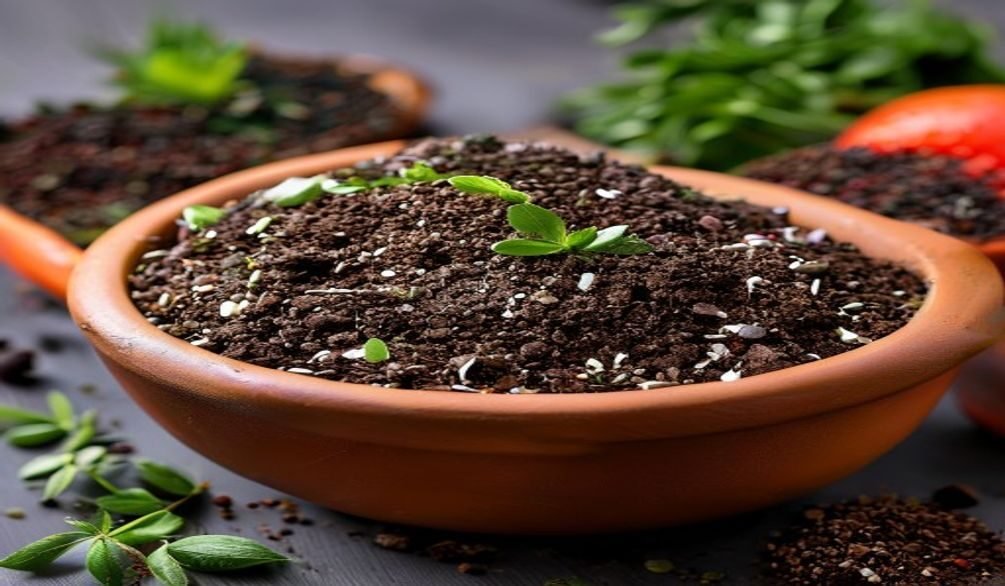
Potting mix is a soilless growing medium specifically formulated to support plants in containers, providing a lightweight, aerated environment for root development. This specialized blend is essential because it addresses the unique challenges of container gardening, where traditional garden soil would compact, restrict air, and lead to root rot. As UNH Extension stated in 2020, “Air space is actually one of the most critical aspects of potting mix. If the roots don’t have enough air, a plant usually doesn’t survive.”
Understanding the difference between potting soil vs potting mix is crucial. Potting mix, often called soilless mix, contains no actual “soil” (dirt from the ground) but rather a blend of organic and inorganic materials. Garden soil, on the other hand, is too heavy, poorly draining, and may contain pathogens or weed seeds that are detrimental in a confined pot.
The global Potting Soil Market was estimated at USD 5.897 billion in 2024, underscoring the widespread reliance on these specialized growing mediums.
When you’re considering selecting the best potting mix, remember that its primary role is to provide a stable anchor for roots, deliver consistent moisture, and allow for adequate airflow. Without these core components, even the most vigorous plants will struggle to thrive in a container. This makes selecting the best potting mix a non-negotiable step for successful gardening.
What ingredients should be in a quality potting mix?
A quality potting mix should contain a balanced blend of ingredients that ensure proper drainage, moisture retention, and aeration for plant roots. The best mixes are typically lightweight, fluffy, and include a combination of organic and inorganic components. My experience has shown that selecting the best potting mix often comes down to understanding what each ingredient brings to the table.
Here are the key ingredients you should look for when selecting the best potting mix:
- Peat Moss: Excellent for moisture retention and providing an acidic pH, which many plants prefer. However, its harvesting raises environmental concerns, leading many to seek peat-free potting mix benefits.
- Coconut Coir: A sustainable alternative to peat moss, coir offers superb water retention while also providing good aeration. It’s pH neutral and breaks down slowly, making it a reliable component for selecting the best potting mix.
- Perlite: These white, volcanic glass particles create air pockets, significantly improving drainage and aeration. It’s indispensable for preventing compaction and ensuring roots can breathe.
- Vermiculite: A hydrated mineral that retains both water and nutrients, slowly releasing them back to the plant. It also helps to lighten the mix and improve aeration.
- Compost or Aged Bark: Provides organic matter, essential nutrients, and improves the overall structure of the potting mix. Aged bark is particularly good for drainage and adding bulk.
- Wetting Agents: Some commercial mixes include these to help the mix absorb water more easily, especially if it has dried out completely.
- Fertilizers: Many potting mixes come with a slow-release fertilizer to provide initial nutrients, though supplemental feeding will eventually be needed.
The ideal combination of these elements ensures you are selecting the best potting mix for your plants, promoting robust growth and preventing common container gardening issues. For instance, a mix with ample perlite and coir will offer superior performance for most potted plants.
How to choose the best potting mix for different plants?
Choosing the best potting mix for different plants depends entirely on their specific needs for moisture, drainage, and nutrient levels. There isn’t a one-size-fits-all solution, as a mix perfect for a succulent would drown a fern, and vice-versa. Melinda Myers, a gardening expert, emphasized in 2024 that “The right potting mix will help ornamental and edible plants thrive.”
When you’re selecting the best potting mix, consider these plant categories:
- Potting Mix for Succulents & Cacti: These plants require exceptionally sharp drainage to prevent root rot. Look for mixes with a high percentage of inorganic materials like perlite, pumice, or coarse sand, and less peat. Wonder Soil offers coco coir-based options that can be adapted.
- Potting Mix for Indoor Plants: Most indoor plants prefer a well-draining yet moisture-retentive mix. A general-purpose indoor potting mix with peat moss or coir, perlite, and vermiculite is usually ideal. The indoor gardening segment is expected to lead the premium potting soils market with a 39.6% share in 2026, highlighting the importance of specialized indoor mixes.
- Potting Mix for Vegetables & Herbs: Edible plants are often heavy feeders and require a rich, moisture-retentive mix that still drains well. An organic potting mix with composted materials and balanced nutrients is excellent. For example, FoxFarm Ocean Forest Potting Soil is renowned for its nutrient-rich blend.
- Potting Mix for Orchids: Orchids are epiphytes and need a very coarse, airy mix that mimics their natural habitat on trees. Bark chips, sphagnum moss, and charcoal are common components for selecting the best potting mix for these unique beauties.
In practice, always check the plant tag or do a quick search to understand your plant’s native environment; this will give you the best clues for selecting the best potting mix.
For instance, a plant that thrives in dry, arid conditions will benefit from a mix designed for quick water dissipation. Conversely, a tropical plant will appreciate a mix that holds onto moisture for longer periods. This careful consideration when selecting the best potting mix ensures your plants receive the optimal environment from day one.
Sustainable & peat-free potting mix options
Sustainable and peat-free potting mix options are increasingly important for environmentally conscious gardeners, offering effective alternatives to traditional peat-based mixes. The harvesting of peat moss contributes to the destruction of vital wetland ecosystems and releases stored carbon into the atmosphere. Fortunately, the market is rapidly expanding with excellent eco-friendly choices. Peat-free potting soils have increased their market share from about 7% to 21% in recent years, demonstrating a significant shift in consumer preferences.
When you’re selecting the best potting mix with sustainability in mind, look for mixes that primarily use:
- Coconut Coir: A byproduct of the coconut industry, coir is an excellent renewable resource. It offers similar water retention properties to peat but has better aeration and a neutral pH. Brands like Back to the Roots offer organic coir expanding soil.
- Composted Bark & Wood Fibers: These provide structure, drainage, and some nutrient content. They are often sourced from sustainably managed forests.
- Biochar: This charcoal-like material improves soil structure, water retention, and nutrient availability. Rosy Soil, a U.S.-based brand, is specifically known for its biochar-fueled, peat-free potting soil.
- Rice Hulls: A lightweight and readily available agricultural waste product that improves drainage and aeration.
Opting for a sustainable potting mix not only benefits the environment but often provides superior performance due to its stable structure and excellent aeration.
The global potting soil market is seeing a shift towards sustainable solutions, with sustainable mixes now comprising approximately 35% of product offerings. This trend makes selecting the best potting mix for your garden also an opportunity to make an environmentally responsible choice.
Diy potting mix recipes: crafting your own blends
Crafting your own DIY potting mix recipes allows for complete customization, ensuring you have the exact blend for your plants’ specific needs while often saving money and reducing waste. This approach gives you ultimate control over ingredients, especially beneficial when you are selecting the best potting mix for unusual or very particular plants. LSU AgCenter offers a straightforward guide for making homemade potting mix.
Here are some popular DIY potting mix recipes, demonstrating how you can tailor your blend:
| Plant Type | Ingredients & Ratios | Notes for Selecting the Best Potting Mix |
|---|---|---|
| General Purpose (Indoor/Outdoor) | 1 part Peat Moss or Coir 1 part Perlite 1 part Vermiculite 1/2 part Composted Bark |
Good for most houseplants, annuals, and general container gardening soil. Provides balanced moisture and drainage. |
| Succulents & Cacti | 1 part Potting Mix (general) 1 part Coarse Sand or Pumice 1 part Perlite |
Ensures very fast drainage, crucial for arid-loving plants. Prevents waterlogging and root rot. |
| Vegetables & Heavy Feeders | 2 parts Peat Moss or Coir 1 part Composted Manure or Worm Castings 1 part Perlite or Vermiculite 1/2 part Garden Lime (if pH is low) |
Rich in nutrients and holds moisture well, ideal for productive terrace garden vegetables. |
When you’re selecting the best potting mix by making your own, always ensure your ingredients are sterile to avoid introducing pests or diseases. Mix everything thoroughly to achieve a consistent texture. This hands-on approach to selecting the best potting mix can be incredibly rewarding.
Troubleshooting common potting mix issues
Troubleshooting common potting mix issues is essential for maintaining plant health, as even the best initial choice can develop problems over time. Issues like compaction, poor drainage, or nutrient deficiencies often stem directly from the potting mix itself. My years of experience have taught me that addressing these problems promptly can save your plants.
Here are common issues and how to fix them:
- Compaction: Over time, potting mix can settle and compact, reducing air pockets and impeding drainage. This often leads to poor root growth and suffocation.
Solution: Gently aerate the top few inches with a chopstick or fork. For severe cases, repotting into fresh, looser mix is necessary. When selecting the best potting mix, opt for blends with plenty of perlite or bark to resist compaction.
- Poor Drainage: If water sits on the surface or drains very slowly, your potting mix has poor drainage. This is a common cause of root rot, especially if you’re making indoor plant watering mistakes. House Fur emphasized in 2025 that “Choosing a well-drained potting mix is not just a good idea; it’s your Oxalis triangularis’ lifeline against root rot.”
Solution: For minor issues, try adding more perlite or coarse sand to the top layer. For significant problems, repot with a better-draining mix, ensuring adequate drainage holes in the pot. This is a critical factor when selecting the best potting mix.
- Nutrient Depletion: Potting mixes provide initial nutrients, but these are quickly used up or leached out, especially with frequent watering.
Solution: Begin a regular fertilization schedule tailored to your plant’s needs. Incorporate slow-release fertilizers or liquid feeds. Reusing potting mix without amending it often leads to this problem.
- Pests & Diseases: Sometimes, potting mix can harbor fungus gnats or disease spores.
Solution: Use fresh, sterile potting mix. For gnats, allow the top inch of soil to dry out between waterings. Consider neem oil drenches or beneficial nematodes. This is why selecting the best potting mix from a reputable source is important.
Addressing these issues promptly ensures your plants continue to thrive, reinforcing the importance of not just selecting the best potting mix initially, but also managing it over time.
Long-term potting mix management: refresh & rejuvenate
Long-term potting mix management involves refreshing and rejuvenating your existing mix to maintain optimal plant health and extend its usability. Potting mix degrades over time, losing its structure, nutrients, and aeration, which negatively impacts plant growth. From my experience, neglecting this step can quickly undo all the benefits of initially selecting the best potting mix.
Here’s how to manage your potting mix long-term:
- Know When to Replace: Generally, most container plants benefit from fresh potting mix every 1-2 years, especially if they are heavy feeders or have outgrown their pot. Signs include compaction, poor drainage, persistent pest issues, or declining plant vigor.
- Top Dressing: For established plants that don’t need full repotting, remove the top inch or two of old mix and replace it with fresh, nutrient-rich potting mix or compost. This provides a nutrient boost and improves surface aeration.
- Rejuvenating Old Mix: You can often reuse potting mix if it hasn’t been used for diseased plants. To rejuvenate:
- Screen out old roots and debris.
- Amend with fresh organic matter like compost or worm castings to replenish nutrients.
- Add perlite or coarse sand to restore aeration and drainage.
- Consider a slow-release granular fertilizer.
This process is crucial for sustainable gardening practices and can be a cost-effective way to refresh your container gardening soil.
- Sterilization (Optional): If you suspect pathogens, you can sterilize old potting mix by baking it in an oven at 180-200°F (82-93°C) for 30 minutes, or by solarization. However, this can also kill beneficial microbes.
Proactive management ensures that the effort you put into selecting the best potting mix initially continues to pay dividends for your plants year after year.
Ignoring the long-term health of your potting mix is akin to trying to grow healthy plants in depleted garden soil; it just won’t work effectively. This continuous attention is part of the art of successful container gardening.
Top potting mix brands and recommendations
When it comes to selecting the best potting mix, several reputable brands consistently deliver quality and performance. Choosing a well-known brand can provide peace of mind, knowing you’re investing in a product designed to support healthy plant growth. The Mulch & Soil Council’s Mid-Year 2025 Sales Growth Survey reported bagged soil sales showed 58% year-over-year growth in the first half of 2025, indicating strong market activity.
Here are some top potting mix brands and why they stand out:
- Miracle-Gro: A widely recognized brand, Miracle-Gro Potting Mix is a classic choice for many gardeners. Their Indoor Plant Mix, for instance, leverages a blend of peat moss, perlite, coconut coir, and slow-release fertilizers, making selecting the best potting mix straightforward for beginners.
- FoxFarm: Known for its nutrient-rich, high-quality blends. FoxFarm Ocean Forest Potting Soil is a popular choice for its unique blend of ingredients from the earth and sea, providing exceptional benefits for thriving plants. FoxFarm Happy Frog Potting Soil is another excellent option, amended with beneficial microbes and aged forest products for high fertility.
- Espoma Organic: This brand is a trusted name in organic gardening. Espoma Organic Potting Mix stands out for its great water retention properties and the inclusion of mycorrhizal inoculants, which improve nutrient uptake for your plants.
- Back to the Roots: Focused on organic and sustainable solutions. Back to the Roots Organic Coir Expanding Soil is highlighted for its organic integrity and predictable performance as a peat-free alternative. They also released an Organic Master Potting Mix in March 2026, marketed as a professional-grade soil mix for home gardeners, further expanding options for selecting the best potting mix.
- Wonder Soil: Offering coco coir-based, peat-free options, Wonder Soil Organic Potting Soil includes added nutrients and mycorrhizae, catering to gardeners seeking sustainable and performance-driven mixes.
- Rosy Soil: This U.S.-based brand is making waves with its biochar-fueled, peat-free, sustainable potting soil. Having secured $5 million in Series A funding in February 2026, Rosy Soil focuses on indoor gardening and houseplants, providing an innovative choice when selecting the best potting mix.
Each of these brands offers distinct advantages, making selecting the best potting mix a matter of aligning their specific features with your plants’ requirements and your gardening philosophy.
Whether you prioritize organic ingredients, specific nutrient blends, or sustainable sourcing, there’s a top brand out there for your needs.
Frequently asked questions
What ingredients should be in potting mix?
A quality potting mix should include a balanced blend of peat moss or coir for moisture, perlite or pumice for drainage and aeration, and vermiculite for nutrient retention. These components create the lightweight, fluffy structure essential for healthy root development in containers.
How do i choose a good potting soil?
To choose a good potting mix (not soil), assess your plant’s specific needs for drainage and moisture, then check the ingredient list for a lightweight, aerated blend. Look for reputable brands like Miracle-Gro or Espoma Organic, as the global Potting Soil Market was valued at USD 5.897 billion in 2024, indicating many trusted options exist. Opt for mixes with perlite for drainage and coir for moisture.
What is the best type of potting mix?
The best type of potting mix is highly plant-specific; there is no single universal “best” mix. For example, succulents need extremely fast-draining mixes, while moisture-loving ferns require mixes with high water retention. Always match the potting mix to your plant’s unique requirements for optimal growth.
What is the difference between potting soil and potting mix?
Potting mix is a soilless medium made from ingredients like peat, coir, perlite, and vermiculite, designed for container plants to ensure proper aeration and drainage. Potting soil often contains actual garden soil, which is too heavy, compacts easily, and can harbor pathogens or weed seeds, making it unsuitable for pots.
How often should you change potting mix?
You should generally change potting mix every 1-2 years, or when signs of compaction, poor drainage, or nutrient depletion become evident. Regular refreshing ensures your plants continue to receive the necessary aeration, moisture retention, and nutrient support for vigorous growth.
Ultimately, **selecting the best potting mix** is a pivotal step in cultivating healthy, thriving container plants. By understanding the critical role of aeration, drainage, and nutrient availability, and by choosing a mix tailored to your plants’ specific needs, you set the stage for gardening success. Take the time to evaluate ingredients, consider sustainable options, and don’t hesitate to customize your blends for truly exceptional results in your garden.