Key Takeaways
- Plant labels are the third most important decision factor for 11.6% of gardeners when buying plants, according to Axiom (2025).
- The global labels market is projected to reach USD 49.37 billion by 2026, growing at a CAGR of 5.41%, according to market analysis (2026).
- Over 50% of consumers make purchasing decisions based on packaging and labeling aesthetics, as highlighted by the World Packaging Organization.
- The USDA Plant Hardiness Zone Map divides the U.S. into 13 zones based on average annual minimum winter temperatures.
- Flexographic printing held 44.7% of the global label market share in 2025, primarily due to its high-speed production.
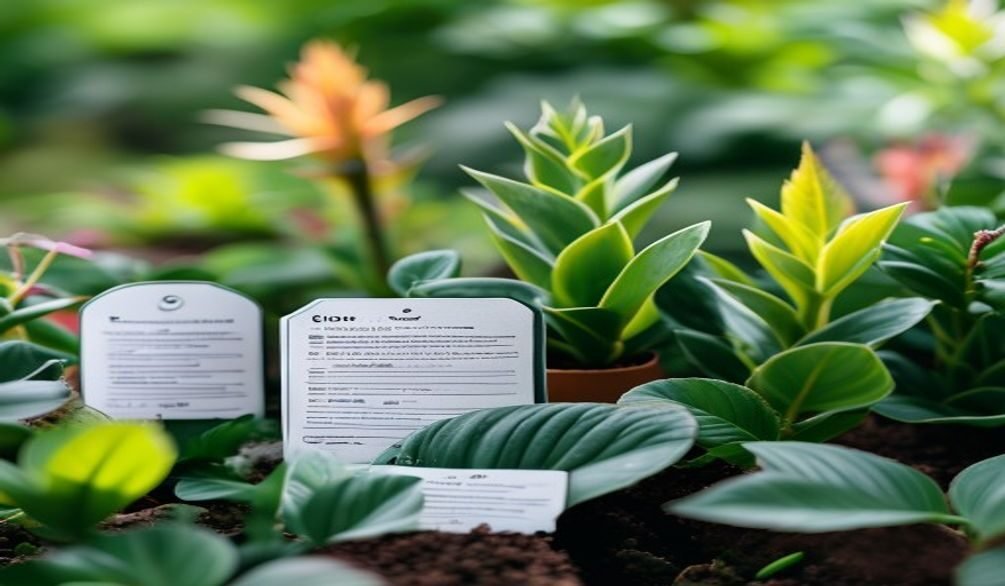
Figuring out what a plant needs can feel like trying to solve a puzzle when you’re just starting your gardening journey, which is why **understanding plant labels for beginners** is so important. These small tags hold a wealth of information that, once decoded, will guide you to make smart choices for your garden and ensure your plants thrive. As someone who’s spent over a decade in horticulture, I’ve seen firsthand how crucial these labels are for both new and experienced gardeners alike.
Quick Answer: Plant labels provide crucial information such as common and scientific names, mature size, sunlight and water requirements, and hardiness zone, empowering beginners to make informed choices and ensure proper plant care.
Why are plant labels important for every gardener?
Plant labels are incredibly important for every gardener because they serve as a plant’s instruction manual, providing the fundamental details needed for successful growth. In fact, 11.6% of gardeners considered “highly descriptive tags” as the third most important decision factor when purchasing garden plants and supplies, according to Axiom (2025). This data underscores how vital clear plant information is to a gardener’s buying decision.
Think about it: picking a plant without its label is like trying to bake a cake without a recipe. You might get lucky, but more often than not, you’ll end up with a mess. For beginners, this guidance is even more critical, preventing common mistakes and building confidence. Samuel E. Hand, Jr., Associate Professor and Director of Industry Credentialing Training Programs, FAMU Cooperative Extension, wisely observes that “Even experienced gardeners can benefit from reading tags because of the frequent introduction of new cultivars with growing requirements different from others in the same species.” This highlights that even with years of experience, keeping up with new varieties and their specific needs requires good label information.
What most people miss is that a good label doesn’t just tell you what a plant needs; it helps you envision its future in your garden. It’s about matching the plant’s potential to your garden’s reality. From my 10 years of gardening, I’ve seen countless times how a quick glance at a label can save a plant from an unsuitable spot, or a gardener from frustration. So, truly, **understanding plant labels for beginners** is the first step towards a thriving garden.
What are the 5 essential things to know on plant labels?
When you’re starting out, focusing on five key pieces of information on any plant label will give you a solid foundation for choosing the right plant. The global labels market size is expected to increase from USD 47.01 billion in 2025 to USD 49.37 billion in 2026, growing at a CAGR of 5.41% over 2026-2031, which means there’s a lot of investment in making these labels informative. Here’s what to prioritize:
- Common and Scientific Names: The common name is what you’ll usually hear people say, like “Rose” or “Sunflower.” But the scientific name (genus and species, often in italics) is the plant’s universal identifier. It’s important because many common names refer to different plants, leading to confusion. Real talk: always check the scientific name to be sure you’re getting exactly what you want.
- Mature Size (Height and Spread): This tells you how big the plant will get when it’s fully grown. Skipping this step is a common mistake I’ve seen; people often plant something small only for it to overwhelm its space later. Understanding this helps you plan your flower garden layout effectively.
- Sunlight Requirements: This is critical for plant health. Labels will specify “Full Sun” (6+ hours direct sun), “Partial Sun/Shade” (3-6 hours direct sun), or “Full Shade” (less than 3 hours direct sun). Matching the plant’s light needs to your garden’s conditions is non-negotiable for success.
- Watering Needs: Does it like consistently moist soil, or does it prefer to dry out between waterings? This information helps you avoid over or under-watering, two of the most common causes of plant failure.
- Hardiness Zone: This number corresponds to the USDA Plant Hardiness Zone Map, indicating the coldest temperature the plant can tolerate. We’ll dive deeper into this soon, but for now, know that it’s about whether the plant can survive winter in your area.
Focusing on these five points will make **understanding plant labels for beginners** much less daunting.
How do you read plant symbols and what do they mean?
Plant symbols are visual shortcuts that quickly convey important care information, often making plant tag meanings easier to grasp at a glance. Many growers, like those supplying Lowe’s, use standardized icons, which is incredibly helpful for gardening tips for beginners.
Here’s a breakdown of common plant symbols and what they represent:
| Symbol | Meaning | Practical Application |
|---|---|---|
| ☀️ (Sun with rays) | Full Sun: Requires at least 6 hours of direct sunlight daily. | Place in unshaded south-facing spots. |
| ⛅ (Half sun, half cloud) | Partial Sun/Shade: Needs 3-6 hours of direct sun, or dappled light all day. | Ideal for east-facing locations or under taller, open trees. |
| ☁️ (Cloud or shaded circle) | Full Shade: Thrives with less than 3 hours of direct sun. | Perfect for north-facing areas or deep under dense canopies. |
| 💧 (Water droplet) | Water Needs: Indicates frequency (e.g., frequently, moderately, drought-tolerant). | Match to your watering habits or consider drip irrigation for consistent moisture. |
| 📏 (Ruler or arrow) | Mature Size: Shows approximate height and spread. | Crucial for spacing plants and avoiding overcrowding in your organic garden layouts. |
| ❄️ (Snowflake or zone number) | Hardiness Zone: The lowest temperature the plant can endure. | Compare with your local USDA zone to ensure winter survival. |
| 🐝 (Bee or butterfly) | Pollinator Friendly: Attracts bees, butterflies, or hummingbirds. | Great for creating a wildlife-friendly garden. |
In practice, these plant information symbols are designed to make choosing healthy plants straightforward. I’ve often seen people just grab plants based on how pretty they look, ignoring these symbols. But a plant that looks great in the nursery might quickly decline if its light or water needs aren’t met at home. This is where **understanding plant labels for beginners** really pays off, because these symbols are a universal language for plant care instructions.
Decoding botanical names: common vs. scientific
Decoding botanical names means understanding the difference between a plant’s everyday name and its precise, globally recognized scientific name. The common name is what most people use, like “Sunflower,” but these can vary wildly by region and sometimes refer to different plants entirely. On the other hand, the scientific name, often presented in Latin, consists of two parts – the genus and the species – and provides an unambiguous identifier for that specific plant.
For example, _Corylus avellana_ ‘Contorta’ is the scientific name for what’s commonly known as Harry Lauder’s walking stick. The ‘Contorta’ part describes its unique, contorted growth habit, which is a specific cultivar. This precise naming helps botanists and gardeners worldwide communicate without confusion.
Here’s the thing: while common names are friendly and approachable, they can be misleading. Imagine asking for “Daisy” at a nursery; you might get a Shasta Daisy, an English Daisy, or even a Gerbera Daisy, all very different plants! The scientific name, like _Leucanthemum superbum_ for a Shasta Daisy, cuts through that ambiguity. So, when you’re serious about plant purchasing guide, always double-check the botanical names explained on the label. This attention to detail is a key part of **understanding plant labels for beginners**.
Understanding hardiness zones and climate suitability
Understanding hardiness zones and climate suitability is about knowing whether a plant can survive the winter temperatures in your specific geographic location. The United States Department of Agriculture (USDA) developed the Plant Hardiness Zone Map, which divides North America into 13 distinct zones based on average annual minimum winter temperatures, with each zone representing a 10-degree Fahrenheit difference.
For instance, if a plant label says “Hardy to Zone 5,” it means that plant is expected to survive winter in areas designated as USDA Zone 5 or warmer. If you live in Zone 4, that plant might not make it through your colder winters without significant protection. This mapping system is incredibly important for choosing fruit trees for your yard or any perennial plants you expect to return year after year.
USDA Plant Hardiness Zones Explained:
- Zone 1: Extremely cold winters (e.g., -60°F to -50°F)
- Zone 5: Cold winters (e.g., -20°F to -10°F)
- Zone 10: Mild winters (e.g., 30°F to 40°F)
This is where most guides stop—we won’t. It’s also worth knowing that within each zone, there are microclimates created by buildings, water bodies, or elevation changes. You might be in Zone 6, but a sheltered courtyard could act like Zone 7, or an exposed hillside might feel more like Zone 5. So, consider your specific garden’s conditions, not just the broad hardiness zone map. This deeper layer of **understanding plant labels for beginners** can make all the difference in a plant’s long-term success.
Beyond the basics: advanced plant label information
Beyond the fundamental details, advanced plant label information provides deeper insights that can truly optimize your gardening efforts, especially as you move past the absolute beginner stage. These additional details often include specific soil preferences, pest resistance, drought tolerance, bloom time, and even ideal uses like “great cut flowers” or “non-stop bloomer,” as seen on an Arizona Sun Blanket Flower label.
Lowe’s, for example, uses a “Grow Together” indicator on its plant tags, which helps customers find different plants that thrive when planted together by matching numbers on the tags. This is an excellent feature for planning companion planting or creating cohesive garden designs. I’ve personally found these kinds of indicators invaluable when trying new plant groupings.
Other advanced notes might include:
* Bloom Time and Flower Color: Knowing when a plant flowers helps you plan for continuous color in your garden.
* Special Attributes: Such as “deer resistant,” “attracts hummingbirds,” or “good for containers.” These details help you select plants that fit your specific needs or address particular garden challenges.
* Growth Habit: Whether it’s a mounding, upright, or spreading plant influences its placement.
* Propagation Information: Sometimes, labels might give hints on how to propagate the plant, though this is less common on retail tags.
The short answer is that these extra bits of information transform a simple purchase into an informed decision, leading to a much more satisfying gardening experience. They move you from just reading plant tags to truly mastering **understanding plant labels for beginners**.
Tips for organizing and storing your plant labels
Organizing and storing your plant labels effectively ensures you have a valuable reference library for future garden planning and plant care, rather than a pile of faded plastic. It’s a simple step that many gardeners overlook, but it can save you a lot of guesswork down the line.
Here are some practical tips for keeping your labels in order:
* Photo Documentation: Take a picture of the label and the plant after you’ve planted it. Store these photos in a dedicated album on your phone or computer, perhaps organized by bed or planting date. This is the method most people reach for first—and it’s a good one because it’s so quick.
* Garden Journal: Create a physical or digital garden journal. Glue or tape the labels into the journal, noting the planting date, location, and any observations. This provides a comprehensive record of your garden’s history.
* Label Collection Box: Use a small, waterproof container or a clear binder with plastic sleeves to store the physical labels. Sort them alphabetically by common name, scientific name, or by planting bed.
* DIY Plant Labels: When you make your own labels for seed starting or dividing plants, consider durable materials like copper tags, zinc labels, or painted stones. These are less likely to fade or break than standard plastic tags.
* Digital Spreadsheets: For the tech-savvy, a simple spreadsheet can track plant names, purchase dates, care notes, and even links to online resources.
From experience, having a system for **understanding plant labels for beginners** and keeping them organized makes a huge difference. You’ll be surprised how often you refer back to them, especially when trying to remember a plant’s specific needs or when sharing details with fellow gardening enthusiasts.
Frequently asked questions
What are the 5 things you should know about plant labels?
You should know the common name, scientific name, mature size, sunlight requirements, and hardiness zone from plant labels. These five pieces of information are fundamental for ensuring a plant’s success in your garden, as they dictate its basic environmental needs.
How do you read plant symbols?
Plant symbols are read as visual cues representing care instructions like sunlight, water, and mature size. For example, a sun icon usually means “full sun,” while a water droplet indicates watering frequency, making plant symbols explained easier to understand.
What is the most important information on a plant tag?
The most important information on a plant tag is arguably the hardiness zone, as it determines if a plant can survive in your local climate. Without matching the plant’s hardiness to your area, other care instructions may become irrelevant if the plant cannot tolerate winter, according to the USDA.
Why are plant labels important?
Plant labels are important because they provide critical care instructions and identification, preventing common gardening mistakes and guiding informed purchasing decisions. Mike Reiber, CEO of Axiom, noted that gardeners spent record amounts on their gardens in 2025, highlighting the value of clear information for successful outcomes.