Key Takeaways
- The global vertical farming lighting market was valued at USD 2.9 billion in 2025, according to market data.
- LED grow lights can reduce energy consumption by up to 70% compared to traditional lighting, lowering operational costs significantly.
- North America led the global vertical farming lighting market, holding a 32.0% share in 2025.
- The hardware segment, including fixtures and bulbs, accounted for 68.0% of the vertical farming lighting industry in 2025.
- Plants need specific light spectrums and durations, typically 12-16 hours daily, for optimal growth in vertical gardens.
Struggling to get your vertical garden to thrive indoors? The secret often lies in optimizing your vertical garden lighting solutions. Proper illumination is the single most critical factor for indoor plant growth, ensuring your leafy greens, herbs, and even fruiting plants receive the energy they need to flourish.
Quick Answer: Effective vertical garden lighting uses energy-efficient, full-spectrum LED grow lights, strategically placed for even distribution across all plant tiers. Timers are essential for regulating light cycles to support healthy plant growth and maximize yields.
What kind of lighting do vertical gardens need?
Vertical gardens primarily need full-spectrum LED grow lights that mimic natural sunlight, providing the specific wavelengths plants use for photosynthesis. “Every other variable — water, nutrients, soil — is secondary to light,” emphasizes a statement on indoor vertical gardening, underscoring its critical role.
This means you can’t just throw any old light bulb at your plants and expect results. Plants need more than just brightness; they require a specific balance of red and blue light for vegetative growth and flowering, along with other wavelengths found in a full spectrum. The global vertical farming lighting market, which addresses these specific needs, was valued at USD 2.9 billion in 2025.
When selecting vertical garden lighting solutions, consider these key aspects:
- Spectrum: Full-spectrum lights are best as they cover all necessary wavelengths, from blue for leafy growth to red for flowering.
- Intensity: Measured in PAR (Photosynthetically Active Radiation) and PPFD (Photosynthetic Photon Flux Density), this determines how much usable light reaches your plants.
- Duration: Plants need consistent light cycles, typically 12-16 hours of light followed by a dark period, to simulate natural day-night rhythms.
- Placement: Due to the multi-tiered nature of vertical gardens, uniform light distribution across all levels is crucial.
In my 10 years of experience, inadequate light is the most common reason for leggy, weak plants in indoor vertical setups. Investing in quality vertical garden lighting solutions pays dividends in plant health and yield.
How do you light a vertical garden indoors effectively?
To light a vertical garden indoors effectively, you need to strategically position full-spectrum LED grow lights to ensure uniform light distribution across all plant tiers and use timers to maintain consistent light cycles. The hardware segment, which includes these essential lighting fixtures, led the global vertical farming lighting industry, accounting for a 68.0% share in 2025.
Effective vertical garden lighting solutions are all about precision. What most people miss is that light intensity drops off sharply with distance. For a multi-tiered system, this means a single overhead light won’t cut it. You’ll need multiple light sources, often one per tier or a continuous strip light that covers the entire vertical plane.
Optimal placement for vertical garden lighting solutions
Consider these strategies for optimal light placement:
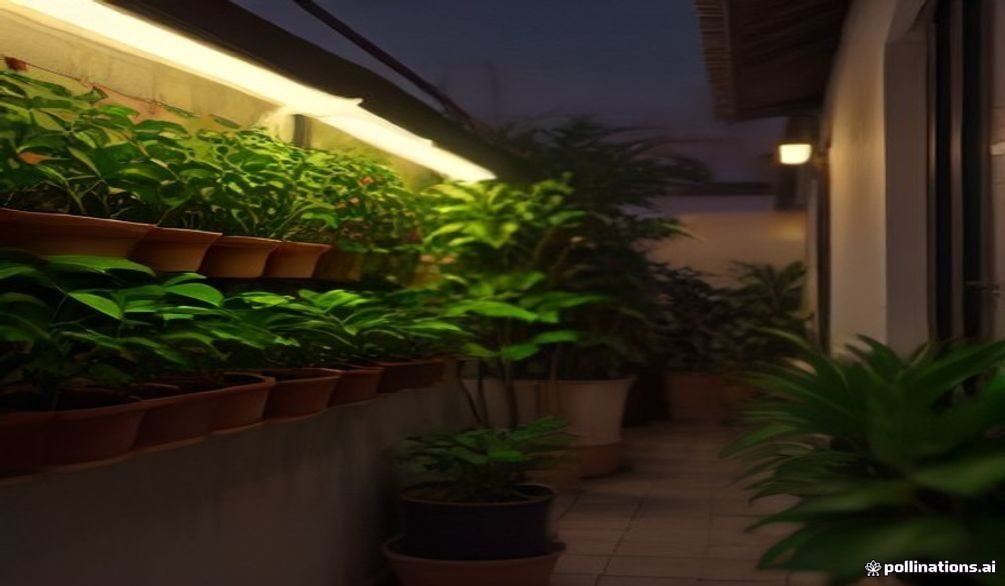
- Tiered Systems: For vertical garden light systems with multiple shelves, mount LED grow lights directly above each tier. The Barrina T5 LED Grow Light Bars, for instance, are great for this, allowing for close-range, even light.
- Wall-Mounted Gardens: For systems like pocket planters on a wall, strip lights or bars can be arranged vertically or horizontally to cover all plant pockets.
- Adjustable Fixtures: Lights that can be raised or lowered are incredibly useful as plants grow, preventing light burn and ensuring consistent DLI (Daily Light Integral).
Real talk: it’s not always easy to get perfect coverage, especially with diverse plant heights. But with smart planning for your vertical garden lighting solutions, you can minimize shadowed areas and ensure every plant gets its share of photons.
How many hours of light do vertical gardens need daily?
Most vertical gardens need between 12 to 16 hours of light daily, followed by an uninterrupted dark period, to support healthy plant growth and mimic natural cycles. This consistent schedule is crucial for photosynthesis and other vital plant processes.
The exact duration depends heavily on the type of plants you’re growing. Leafy greens like lettuce and herbs often thrive with 14-16 hours of light, while fruiting plants like tomatoes or strawberries might prefer a slightly shorter period, around 12-14 hours, to encourage flowering and fruit development. A common mistake I see is growers leaving lights on 24/7, thinking more light is always better – it’s not. Plants need darkness to process nutrients and complete their respiratory cycle.
Here’s a quick guide to light duration:
| Plant Type | Recommended Light Hours (Daily) | Why this duration? |
|---|---|---|
| Leafy Greens (Lettuce, Spinach) | 14-16 hours | Promotes rapid vegetative growth and large leaves. |
| Herbs (Basil, Mint, Cilantro) | 12-16 hours | Encourages bushy growth and strong flavor development. |
| Fruiting Plants (Strawberries, Peppers) | 12-14 hours | Supports both vegetative growth and induces flowering/fruiting. |
| Root Vegetables (Radishes, Carrots) | 10-12 hours | Allows for root development while minimizing top growth. |
Using a timer is non-negotiable for consistent vertical garden lighting solutions. Manual switching leads to irregular cycles, which stresses plants and reduces yields. Smart lighting vertical garden systems can automate this, providing precision and convenience.
Are led lights good for vertical gardens, and why?
Yes, LED lights are exceptionally good for vertical gardens because they are energy-efficient, produce minimal heat, and offer customizable full-spectrum illumination tailored for plant growth. Mars Hydro, a prominent grow light brand, states that “LED grow lights are specially designed for indoor farming, providing energy-efficient, full-spectrum illumination.”
This flexibility and efficiency make them the go-to choice for almost all modern vertical farming lighting market applications. LED grow lights consume up to 70% less energy than traditional lights, according to industry data, significantly reducing operational costs. That’s a huge saving, especially for year-round indoor growing. Plus, their low heat output means you don’t have to worry as much about overheating your plants or running up your air conditioning bill.
Why are LED grow lights vertical garden setups so popular?
- Energy Efficiency: As mentioned, they use far less electricity, making them cost-effective in the long run.
- Customizable Spectrum: Many LED models allow you to adjust the light spectrum, providing specific wavelengths for different growth stages—blue for vegetative, red for flowering.
- Low Heat Emission: This allows for closer placement to plants without causing heat stress, which is vital in compact vertical garden light system designs.
- Long Lifespan: LEDs last significantly longer than other grow light types, reducing replacement frequency and maintenance.
- Directional Light: LED iBond, an LED technology company, notes that LEDs have “great directional focus,” meaning the light is concentrated directly on the plants.
For DIY vertical garden lighting, LEDs are often easier and safer to install than bulkier, hotter alternatives. They truly are the backbone of effective vertical garden lighting solutions.
Advanced strategies for optimal vertical garden lighting
Beyond basic setup, advanced strategies for optimal vertical garden lighting involve understanding and controlling metrics like PAR, PPFD, and DLI, and integrating smart lighting systems. These elements allow for a fine-tuned environment that maximizes plant health and yields.
What most people overlook is that simply having a grow light isn’t enough; it’s about the quality and quantity of light delivered over time. For serious growers, particularly those cultivating fruiting crops in larger indoor vertical garden lighting setups, measuring these light metrics becomes crucial.
Understanding par, ppfd, and dli for vertical garden lighting solutions
- PAR (Photosynthetically Active Radiation): This refers to the spectrum of light (400-700 nanometers) that plants use for photosynthesis. It’s the “quality” of light.
- PPFD (Photosynthetic Photon Flux Density): This measures the number of photosynthetically active photons that fall on a specific area per second (micromoles per square meter per second, µmol/m²/s). It’s the “intensity” of light at the plant canopy. A Mars Hydro TS 600W, for example, produces meaningful PPFD across a 2×2 ft footprint.
- DLI (Daily Light Integral): This is the total amount of PAR light received by a plant over a 24-hour period. It’s a cumulative measure, integrating intensity and duration. Aiming for the correct DLI for your specific crop is key to successful vertical garden lighting solutions.
Now here’s where it gets interesting: smart lighting vertical garden systems can dynamically adjust light intensity and spectrum based on plant needs or growth stage. This kind of precision can lead to significantly higher yields and more robust plants.
Choosing the best vertical garden grow lights for your setup
Choosing the best vertical garden grow lights for your setup depends on your specific plant types, garden size, and budget, with energy-efficient, full-spectrum LEDs being the most versatile choice. Different vertical garden light requirements call for different approaches.
Let me be honest with you: there’s no single “best” light for every situation. A small herb tower will have vastly different needs than a large vertical farming operation for fruiting plants. But understanding your options for vertical garden lighting solutions helps you make an informed decision.
Comparison of popular vertical garden grow lights
| Grow Light Model | Best For | Key Features | Considerations |
|---|---|---|---|
| Mars Hydro TS 600W | Herb towers, small-medium vertical systems | Full spectrum, 100W actual draw, dimmable | May need multiple for larger setups |
| Barrina T5 LED Grow Light Bars | Wall-mounted, multi-tier shelving | Strip format, easy linking, low heat | Lower intensity, best for leafy greens/herbs |
| Spider Farmer SE3000 | Fruiting crops, larger vertical systems | High PPFD, full spectrum, commercial-grade | Higher initial cost, more powerful |
| Philips GreenPower LED Modules | Professional vertical farms | Optimized spectrums, high efficiency, durable | Industrial scale, not typically for home use |
When selecting your vertical garden lighting solutions, always check the light’s actual power draw (watts) and its PPFD values, not just the advertised “equivalent” wattage. This is where most guides stop – we won’t. Also, consider the spread of the light. Will it cover all your plants evenly, or will you need multiple units for proper vertical garden light placement?
Troubleshooting common vertical garden lighting issues
Common vertical garden lighting issues often involve uneven growth, light burn, or legginess, which can usually be resolved by adjusting light placement, intensity, or duration. In practice, these problems are almost always a symptom of incorrect vertical garden lighting solutions.
One common mistake I’ve seen is growers assuming all plants on a vertical system need the same light. But different plant types, and even different growth stages, have varying light requirements. This can lead to some plants thriving while others struggle in the same setup.
Here are some troubleshooting tips:
- Leggy, Stretched Plants: This indicates insufficient light intensity. Move your vertical garden grow lights closer to the plants or increase the light’s intensity if it’s dimmable.
- Burnt or Yellowing Leaves (especially on upper tiers): This is usually light burn, meaning the light is too intense or too close. Raise the lights or reduce their intensity.
- Uneven Growth Across Tiers: This points to inconsistent light distribution. Add more lights to cover shadowed areas or reposition existing lights for better overlap. Consider Barrina T5 LED Grow Light Bars for wall-mounted systems to ensure even light across all pockets.
- Slow or Stunted Growth: Could be insufficient light duration or an incorrect spectrum. Ensure your vertical garden light requirements are met with 12-16 hours of full-spectrum light daily.
Worth knowing: sometimes, issues that seem like lighting problems are actually nutrient deficiencies or watering issues. But always rule out lighting first, because it’s the foundation for plant health.
Frequently asked questions
What is the best type of light for a vertical garden?
The best type of light for a vertical garden is typically full-spectrum LED grow lights, as they provide efficient, targeted illumination for plant growth. LED grow lights consume up to 70% less energy than traditional lights, according to industry data. This efficiency reduces operational costs and minimizes heat output, which is crucial in compact vertical garden setups.
How much electricity does a vertical garden grow light use?
The electricity consumption of a vertical garden grow light varies, but modern LED grow lights are highly energy-efficient, using significantly less power than older technologies. For example, a Mars Hydro TS 600W, a popular option for vertical gardens, has an actual power draw of 100W. This lower power usage translates to reduced electricity bills and a smaller carbon footprint for your indoor garden.
Can vertical gardens grow without sunlight?
Yes, vertical gardens can absolutely grow without natural sunlight, provided they are equipped with appropriate artificial vertical garden lighting solutions. Artificial grow lights, especially full-spectrum LEDs, deliver the necessary light spectrum and intensity for photosynthesis. This independence from sunlight is a key advantage of vertical farming, allowing cultivation in any indoor environment, from basements to urban warehouses.
What is par ppfd dli vertical garden?
PAR, PPFD, and DLI are crucial metrics for measuring and optimizing light for vertical gardens. PAR (Photosynthetically Active Radiation) is the light spectrum plants use for photosynthesis; PPFD (Photosynthetic Photon Flux Density) measures the intensity of this usable light reaching the plants at any given moment; and DLI (Daily Light Integral) is the total amount of PAR light received over a 24-hour period. Understanding these metrics helps growers provide precise vertical garden light requirements, leading to healthier plants and higher yields.
How far should grow lights be from vertical garden plants?
Grow lights should typically be positioned 6 to 18 inches from vertical garden plants, depending on the light’s intensity and the plant’s growth stage. Powerful LED grow lights, like those from Spider Farmer, can be placed further away, while less intense lights, such as Barrina T5 LED Grow Light Bars, may need to be closer. Always observe your plants for signs of light burn (too close) or legginess (too far) and adjust accordingly to optimize your vertical garden lighting solutions.
Mastering your vertical garden lighting solutions is truly the cornerstone of a thriving indoor vertical garden. By choosing the right full-spectrum LED grow lights, understanding light intensity and duration, and implementing smart placement strategies, you can create an environment where your plants don’t just survive but flourish. Don’t underestimate the power of light; it’s the energy source that fuels all plant life. So, take these strategies, apply them to your setup, and watch your vertical garden reach its full potential. Happy gardening!