
Key Takeaways
- The global vertical garden construction market is projected to reach USD 3.04 billion by 2034, according to market analysis (2024).
- Vertical gardens can absorb over 40% more sound than a regular facade, reducing noise pollution, according to research.
- Plants in the workplace can boost positivity by 15%, enhancing well-being, according to psychological studies.
- Hydroponic vertical gardens use 95% less water than traditional gardening, as demonstrated by systems like Lettuce Grow (2024).
- A layer of vegetation on buildings can cut heating demand by 25%, according to the University of Cambridge (2024).
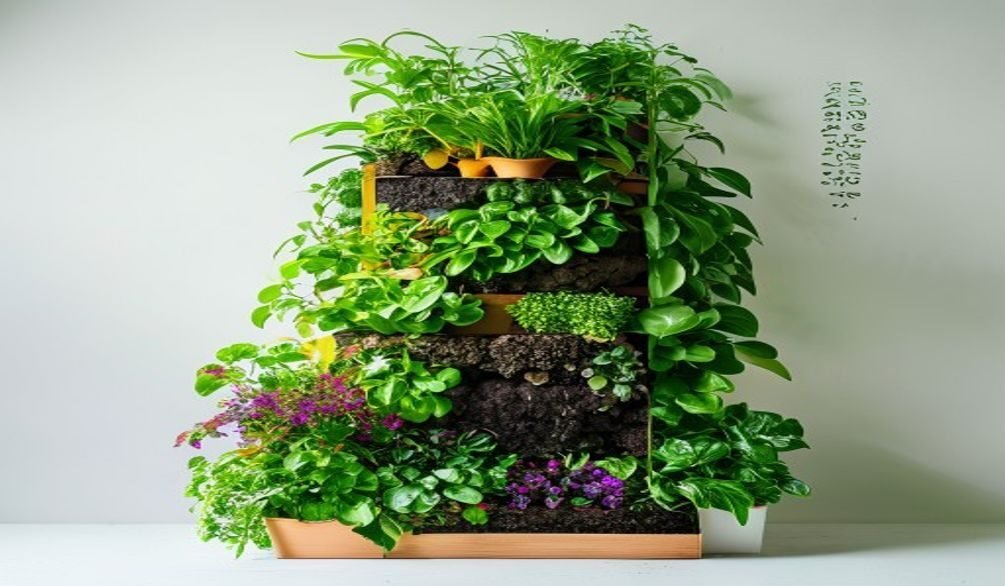
Are you struggling to grow fresh produce because of limited space? The incredible vertical gardening benefits offer a powerful solution, transforming small areas into thriving green havens. In my 10 years of gardening experience, I’ve seen firsthand how adopting vertical methods can maximize yield, improve plant health, and bring a touch of nature to even the most cramped urban environments.
Quick Answer: Vertical gardening offers numerous advantages including maximizing limited space, improving air quality, enhancing plant health, reducing water usage, and adding aesthetic appeal. It’s an efficient and sustainable method for growing plants in various environments.
What are the main advantages of vertical gardening?
The main advantages of vertical gardening encompass space efficiency, improved plant health, environmental sustainability, and significant aesthetic enhancements. The global vertical garden construction market size was valued at USD 1.30 billion in 2024, projected to reach USD 3.04 billion by 2034, according to market analysis (2024), highlighting its growing adoption. These systems allow you to cultivate a wider variety of plants, even in compact areas, making the vertical gardening benefits accessible to everyone.
Here’s the thing: many people think vertical gardening is just for aesthetics, but the practical vertical gardening benefits are immense. It’s about more than just looking good; it’s about making gardening possible and more productive for more people.
- Space Maximization: Vertical gardens allow you to grow more in less area.
- Enhanced Plant Health: Improved air circulation and reduced ground-level pests lead to healthier plants.
- Water Conservation: Many vertical systems, especially hydroponic ones, use water more efficiently.
- Aesthetic Appeal: They transform drab walls into vibrant green spaces.
- Accessibility: Gardening at waist height or higher can be easier for those with mobility issues, as highlighted by expert David Hillock.
How does vertical gardening save space?
Vertical gardening saves space by utilizing upward growth rather than outward expansion, allowing gardeners to cultivate a significant number of plants within a minimal footprint. David Hillock, an Oklahoma State University Cooperative Extension consumer horticulturist, notes that “Vertical gardening is a great way to take advantage of empty vertical space such as walls or fences,” indicating its primary space-saving advantage. This approach is particularly valuable for urban gardening benefits, where traditional horizontal garden plots are simply not an option.
In practice, this means instead of needing a large backyard, you can turn a small balcony, patio, or even an indoor wall into a productive garden. Think about a stackable planter system like GreenStalk Vertical Planters; they allow you to grow multiple tiers of plants in the same footprint as a single pot. This is one of the most compelling vertical gardening benefits for city dwellers. What most people miss is that this isn’t just about small pots—it’s about rethinking how we use every available surface for cultivation.
Consider the potential:
| Gardening Method | Space Required for 20 Plants | Key Advantage |
|---|---|---|
| Traditional Ground Bed | ~20 sq ft (assuming 1 sq ft/plant) | Natural soil interaction |
| Vertical Garden (e.g., VIVOSUN 5-Tier) | ~1.5 sq ft (stacked) | Maximum plant density |
This table clearly shows the dramatic difference in space efficiency. It’s why vertical garden advantages are so often tied to urban environments.
What are the environmental benefits of vertical gardens?
The environmental benefits of vertical gardens are substantial, including improved air quality, reduced urban heat island effect, and significant water conservation. A layer of vegetation can reduce heat loss from buildings, cutting the wind chill factor by 75% and heating demand by 25%, according to research by the Centre for Sustainable Development at the University of Cambridge (2024). These systems contribute positively to local ecosystems and sustainable gardening benefits.
- Air Purification: Plants naturally filter pollutants and produce oxygen, improving the air we breathe.
- Reduced Urban Heat: Green walls absorb sunlight, cooling surrounding areas and mitigating the heat island effect common in cities.
- Water Efficiency: Many vertical systems, especially those using hydroponics or drip irrigation, recirculate water, leading to less waste. For instance, the Lettuce Grow Farmstand Hydroponic Vertical Garden uses 95% less water than traditional gardening, according to Lettuce Grow (2024).
- Biodiversity Support: Even small vertical gardens can attract pollinators and beneficial insects, supporting local wildlife.
Let me be honest with you: while a single vertical garden won’t solve global warming, the cumulative impact of many such installations can be quite significant. The sustainable gardening benefits extend beyond just your own home. It’s about contributing to a greener, healthier community. And that’s a vertical gardening benefit we should all appreciate.
Can vertical gardening improve plant health?
Yes, vertical gardening can significantly improve plant health by enhancing air circulation, reducing pest and disease incidence, and preventing soil-borne issues. Elevating plants off the ground helps to keep foliage drier, which can prevent fungal diseases that thrive in damp conditions. I’ve often seen how plants in vertical garden systems suffer less from common ground-level pests.
Real talk: when plants are grown vertically, they usually get better airflow around their leaves. This helps prevent problems like powdery mildew. Also, many common garden pests, such as slugs and snails, struggle to reach plants positioned higher up. This means you might need fewer pesticides, leading to healthier, more robust plants. The vertical gardening benefits here are clear: less stress for your plants, and less work for you.
Common mistakes I’ve seen include overwatering in traditional ground beds, which can lead to root rot. With many vertical systems, particularly hydroponic ones, nutrient delivery is precise, preventing both over and underwatering. This controlled environment is a huge plus for plant health vertical garden setups offer.
Reducing pests and diseases
One of the quiet advantages of living walls is their inherent pest management. By lifting plants, you create a natural barrier against many ground-dwelling insects and diseases that spread through soil splash. This is a key reason for the positive vertical gardening benefits for plant vitality.
- Fewer Soil-Borne Pathogens: Plants aren’t directly in contact with contaminated soil.
- Improved Drainage: Gravity naturally assists drainage, preventing waterlogging.
- Easier Inspection: Plants are at eye level, making it simpler to spot and address issues early.
What are the aesthetic and well-being benefits?
The aesthetic and well-being benefits of vertical gardening are profound, transforming dull spaces into vibrant green walls that enhance mood and reduce stress. Plants in the workplace can boost positivity by 15%, according to psychological studies, demonstrating the impact of greenery on human well-being. These living installations offer a unique way to add visual interest and create a calming atmosphere.
Think about walking past a plain concrete wall versus one covered in lush greenery. The difference is striking, isn’t it? Vertical gardens are not just functional; they are living art pieces that can drastically improve the look and feel of any area. This aesthetic appeal is one of the most immediately noticeable vertical gardening benefits. Derek Fell, author of *Vertical Gardening: Grow Up, Not Out*, describes it as a “unique way to add visual interest to your space.”
- Visual Appeal: They create stunning focal points and enhance architectural features.
- Improved Mood: Exposure to nature is known to reduce stress and increase feelings of well-being.
- Noise Reduction: A vertical garden can absorb upwards of 40% more sound than a regular facade, according to research, making spaces quieter and more peaceful.
- Increased Property Value: Beautiful landscaping, including green walls, can add value to homes and businesses.
The key insight here is that the benefits of green walls extend beyond just looking pretty. They actively contribute to a healthier, more pleasant environment for everyone. It’s a holistic approach to design and nature.
What are the benefits of a vertical garden in an urban environment?
The benefits of a vertical garden in an urban environment are particularly significant, addressing challenges like limited space, poor air quality, and the urban heat island effect. The home gardening market is projected to reach approximately USD 16.71 billion in 2026, with smart gardening technologies and urban gardening innovations like vertical planting systems driving significant adoption, according to industry projections (2024). This growth underscores the importance of such solutions for city dwellers.
In crowded cities, every square foot counts. Vertical gardens allow urban residents to grow their own food or simply enjoy greenery without needing expansive plots of land. This is where the space-saving gardening aspect truly shines. Imagine fresh herbs or vegetables grown right on your balcony using systems like the Outland Living Five-Tier Vertical Garden. That’s a direct, tangible vertical gardening benefit.
The advantages of living walls in urban settings include:
- Space Optimization: They turn unused walls, fences, and balconies into productive garden areas.
- Air Quality Improvement: Urban plants filter out pollutants, contributing to cleaner city air.
- Temperature Regulation: Green walls can cool buildings and surrounding areas, reducing the need for air conditioning, as noted by the University of Cambridge (2024).
- Noise Dampening: They act as natural sound barriers, which is incredibly valuable in noisy urban landscapes.
- Community Engagement: Public vertical gardens can foster community spirit and provide educational opportunities.
This is where most guides stop—we won’t. The impact of vertical gardening benefits in cities is transformative, not just incremental. It’s about creating livable, breathable, and beautiful spaces where there were none before. Companies like Smallhold and Vertical Roots are even scaling these urban gardening benefits into commercial vertical farms, providing fresh produce directly to city residents.
What are the disadvantages of vertical gardening?
While the vertical gardening benefits are numerous, there are also some disadvantages to consider, including initial setup costs, specific watering requirements, and potential structural limitations. The initial investment for a robust vertical system can be higher than traditional gardening, especially for advanced hydroponic setups. Worth knowing: these systems often require careful planning.
One common mistake I’ve seen is underestimating the watering needs. Because many vertical gardens are exposed to more air circulation, they can dry out faster than ground-level beds. This means you might need to water more frequently or invest in an automated irrigation system. But in my experience, the long-term vertical gardening benefits often outweigh these initial hurdles.
Let’s look at some key challenges:
- Higher Initial Investment: Specialized planters, irrigation systems, and structural supports can be costly.
- Watering Frequency: Plants in vertical systems can dry out faster, requiring more frequent watering or automated solutions.
- Structural Integrity: Ensuring the wall or frame can support the weight of plants, soil, and water is crucial.
- Plant Selection Limitations: Not all plants are suitable for vertical growing; deep-rooted or very large plants can be challenging.
- Maintenance at Height: Reaching higher plants for pruning, harvesting, or pest control can sometimes be difficult.
But, with careful planning and the right system, these disadvantages can often be mitigated. The vertical garden pros still largely dominate the cons for many gardeners looking for efficient solutions.
Frequently asked questions
What are the benefits of vertical farming?
Vertical farming offers significant benefits, primarily maximizing food production in urban areas and reducing the environmental footprint of agriculture. It uses 95% less water than traditional farming methods, according to Lettuce Grow (2024), and can grow crops year-round. This allows for fresh, local produce with reduced transportation costs and pesticide use.
What are the benefits of a green wall?
The benefits of a green wall include improved air quality, reduced urban heat, enhanced aesthetics, and significant noise reduction. A vertical garden can absorb upwards of 40% more sound than a regular facade, making urban spaces quieter, according to research. Green walls also provide insulation, helping to lower building heating and cooling costs.
What are the advantages of living walls?
The advantages of living walls are their ability to transform barren surfaces into vibrant ecosystems, contributing to biodiversity and human well-being. They act as natural air filters, reduce the urban heat island effect, and offer psychological benefits by connecting people with nature. Living walls also increase property value and create visually appealing environments.
Why vertical garden?
You should consider a vertical garden to maximize limited space, improve air quality, enhance plant health, and contribute to sustainable living practices. It’s an innovative solution for growing food or ornamental plants in urban settings or small homes, allowing you to enjoy fresh produce and beautiful greenery even without a traditional garden plot.
What are the benefits of stackable planters?
The benefits of stackable planters include their exceptional space-saving design, versatility for various plants, and ease of assembly and maintenance. Products like GreenStalk Vertical Planters allow you to grow a large number of plants in a compact footprint, making them ideal for balconies, patios, or small yards. They also offer flexible arrangements and can be moved easily.
The myriad vertical gardening benefits make it an increasingly popular and practical solution for gardeners of all levels. From maximizing small spaces to improving air quality and enhancing overall well-being, vertical gardening offers a sustainable and visually appealing way to connect with nature. So, whether you’re looking to grow fresh herbs on your balcony or create a stunning living wall, embracing the advantages of vertical gardening can truly transform your environment.







