Key Takeaways
- The global vertical farming market was estimated at USD 9.62 billion in 2025, according to market data (2025).
- Hydroponics held the largest market share of 60.36% in 2025 within the vertical farming market, according to industry reports (2025).
- Stackable planters like the GreenStalk system allow up to 50 plants in a small footprint, maximizing yield in limited areas.
- Automated drip irrigation systems can reduce water usage by up to 90% compared to traditional methods, according to the USDA (2022).
- Leafy greens, herbs, and strawberries are excellent choices for vertical vegetable gardening in small spaces due to their compact growth.
Struggling to grow your own fresh produce because you lack ground space? Vertical vegetable gardening in small spaces is your game-changer, allowing you to cultivate a thriving harvest even on a tiny balcony or patio.
Quick Answer: Vertical vegetable gardening in small spaces involves growing plants upward using structures like trellises, wall-mounted planters, or stackable systems, maximizing yields in limited areas like balconies or patios.
What is vertical vegetable gardening and why is it perfect for small spaces?
Vertical vegetable gardening involves growing plants upwards rather than outwards, using stacked containers, wall-mounted systems, or trellises to maximize cultivation in limited square footage. The global vertical farming market size was estimated at USD 9.62 billion in 2025, according to market data (2025), highlighting the growing interest in space-saving cultivation methods. This approach is ideal for urban dwellers, apartment residents, or anyone with a small patio or balcony, transforming unused vertical areas into productive gardens.
Why is this so perfect for limited areas? Because it dramatically increases your planting capacity. Think about it: instead of a single row of basil, you can have three or four rows stacked one above the other. This gives you more yield from the same footprint.
Here’s the thing: many people assume you need a huge backyard to grow your own food. That’s simply not true. With creative vertical solutions, you can grow a surprising amount of produce. In my 10 years of gardening, I’ve seen countless small spaces transformed into lush, edible oases.
- Space Efficiency: It’s the most obvious benefit. You’re using air space, not ground space.
- Increased Yield: More plants in a smaller area means more food.
- Accessibility: Growing vertically can mean less bending and kneeling, making gardening easier for some.
- Pest Reduction: Elevated plants can be less susceptible to ground-dwelling pests and diseases.
- Aesthetic Appeal: A well-designed vertical garden can be a beautiful living art piece for your home.
What most people miss is that vertical vegetable gardening in small spaces isn’t just practical; it’s incredibly rewarding. You get to enjoy fresh, organic vegetables, and you contribute to a greener environment, all within your compact urban footprint.
What vegetables can grow in a vertical garden for small spaces?
Many vegetables are excellent candidates for vertical vegetable gardening in small spaces, especially those with shallow root systems or vining habits. Hydroponics, a method often used in vertical setups, held the largest market share of 60.36% in 2025 within the vertical farming market, according to industry reports (2025), indicating its effectiveness for various crops.
When choosing plants, think about how they grow naturally. Do they sprawl? Do they climb? Do they need a lot of soil depth? Understanding these growth habits will help you pick the right plants for your vertical system. My personal observation is that beginners often try to grow large root vegetables vertically, which usually leads to disappointment.
Best choices for vertical systems
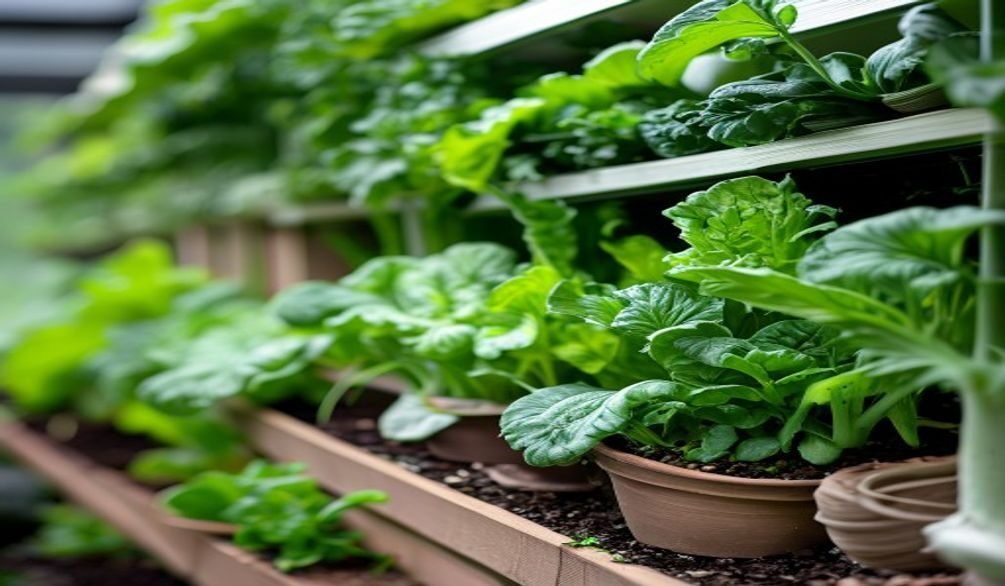
- Leafy Greens: Lettuce, spinach, kale, arugula, and Swiss chard thrive in vertical pockets or shallow trays. They grow quickly and are perfect for continuous harvesting.
- Herbs: Basil, mint, chives, parsley, and cilantro are fantastic. Many herbs have compact root balls and love the sun exposure vertical gardens provide. You can even create a terrace herb garden this way.
- Strawberries: These berries are natural candidates for vertical growing, producing abundant fruit that dangles beautifully from tiered planters.
- Bush Beans & Peas: While some beans and peas vine, bush varieties are more compact, and vining types can easily be trained up a trellis.
- Small Peppers: Bell peppers and chili peppers can do well in larger pockets or containers within a vertical setup, especially if they’re dwarf varieties.
- Cherry Tomatoes: Determinate (bush) varieties of cherry tomatoes are perfect for vertical growing, especially in sturdy wall-mounted planters or large stackable systems.
Considerations for vining plants
For plants like cucumbers or larger vining tomatoes, you’ll need a robust trellis system. Real talk: a flimsy netting won’t cut it for a heavy cucumber vine. You need strong support. These plants still benefit from vertical growth because it keeps them off the ground, reducing disease and making harvesting easier.
How do you start a vertical vegetable garden for beginners?
Starting a vertical vegetable garden in small spaces as a beginner is simpler than you might think, focusing on careful planning and choosing the right system for your specific area. The key insight here is that you don’t need to overcomplicate it; a basic setup can yield fantastic results.
What’s the first step? Assess your space. Before you buy anything, look at your chosen area. How much sunlight does it get? Is it protected from strong winds? How much weight can it hold? This information will guide your choices.
- Choose Your Location: Most vegetables need at least 6-8 hours of direct sunlight daily. An east or south-facing wall or balcony is often ideal.
- Select Your System: This is where the fun begins. Options range from DIY pallets to ready-made kits. We’ll cover specific systems in the next section, but for now, consider what fits your budget and DIY comfort level.
- Prepare Your Growing Medium: Use a high-quality, lightweight potting mix that drains well. For hydroponic systems, you’ll need inert media like rockwool or coco coir.
- Pick Your Plants: Start with easy-to-grow vegetables and herbs that are well-suited for vertical growth, as discussed earlier.
- Planting: Follow the instructions for your specific vertical garden system. Ensure adequate spacing for air circulation, which is crucial in compact setups.
- Watering & Feeding: Vertical gardens can dry out faster. Establish a consistent watering schedule and use a balanced liquid fertilizer, especially for container-grown plants.
One common mistake I’ve seen beginners make is choosing too many different plant types. Start with just a few varieties you love and are confident growing. Master those, then expand. This approach makes vertical vegetable gardening in small spaces much less intimidating.
What is the best vertical gardening system for small spaces?
The best vertical gardening system for small spaces depends heavily on your available area, budget, and the types of vegetables you want to grow. The vertical garden construction market is projected to grow from $1.13 billion in 2025 to $1.24 billion in 2026, according to market analysis (2026), reflecting diverse options.
Let me be honest with you: there’s no single “best” system for everyone. It’s about finding the right fit for you. What works for a sunny balcony might not work for a shaded patio. This is where most guides stop—we won’t.
Popular vertical garden systems
Here’s a breakdown of common types, each with its own benefits for vertical vegetable gardening in small spaces:
| System Type | Description | Pros for Small Spaces | Cons |
|---|---|---|---|
| Stackable Planters | Tiered pots or modules that stack vertically, like GreenStalk or Garden Tower 2. | Maximizes plant count in minimal footprint; portable; often includes composting. | Can be heavy when filled; lower tiers may get less light. |
| Wall-Mounted Pockets | Fabric or plastic pockets attached to a frame or wall, such as Woolly Pocket. | Excellent for tight wall spaces; lightweight; good for herbs & leafy greens. | Dries out quickly; can be challenging to replace individual plants. |
| Trellises/Arbors | Structures for vining plants to climb, often made of wood or metal. | Supports heavy vining crops; creates shade; relatively inexpensive. | Requires ground space for the base; limited to climbing plants. |
| Hydroponic Towers | Systems like Lettuce Grow Farmstand or Gardyn that grow plants in water. | Uses 95% less water than traditional gardening, according to Lettuce Grow (2023); very high yield; no soil mess. | Higher initial cost; requires electricity; specific nutrient management. |
| DIY Pallet Gardens | Repurposed wooden pallets with plants tucked into slats. | Very low cost; rustic aesthetic; good for shallow-rooted plants. | Can be heavy; wood may rot; potential for chemical treatment on pallets. |
For most beginners, stackable planters or wall-mounted pockets are a great starting point. They are relatively inexpensive, easy to set up, and forgiving. If you’re feeling more adventurous and want a high-tech solution, a hydroponic vertical garden is incredibly efficient and fascinating. The hardware segment held the largest revenue share of 67.35% in 2025 in the vertical farming market, by offering and component, demonstrating the investment in these advanced systems (2025).
How do you water a vertical garden effectively?
Effectively watering a vertical garden is crucial because these systems often dry out faster than traditional ground beds due to increased air exposure and smaller soil volumes. Automated drip irrigation systems can reduce water usage by up to 90% compared to traditional methods, according to the USDA (2022), making them a highly efficient option.
What most people miss is that consistent moisture, not just frequent watering, is key. Because gravity pulls water downwards, the top plants often get plenty, but the bottom plants can sometimes be left wanting. You need a strategy.
Watering strategies for vertical vegetable gardening small spaces
- Top-Down Manual Watering: The simplest method involves watering plants from the top tier down, allowing water to cascade through the system. This works well for stackable planters like the GreenStalk system, which is designed with internal channels. Just make sure you’re getting enough water to the bottom.
- Drip Irrigation: This is my preferred method for efficiency and consistency. A simple balcony garden drip irrigation system with emitters for each plant or tier ensures precise water delivery directly to the roots. It saves time and prevents over or under-watering.
- Hydroponic Recirculation: For systems like the Lettuce Grow Farmstand, water and nutrients are pumped from a reservoir to the top, then flow down over the roots before returning to the reservoir. This is incredibly water-efficient.
- Wicking Systems: Some vertical planters incorporate wicking material that draws water up from a reservoir, providing continuous moisture to the roots. This is great for those who forget to water.
Sounds simple, right? It’s not always. Monitoring soil moisture is important. Stick your finger an inch or two into the soil; if it feels dry, it’s time to water. And remember, different plants have different water needs. A thirsty tomato will need more than a drought-tolerant herb.
Quick note before we move on: consider rainwater harvesting for your vertical vegetable gardening in small spaces. Even a small barrel can collect enough water to significantly reduce your tap water usage, especially for smaller setups.
What are the disadvantages of vertical vegetable gardening?
While vertical vegetable gardening offers significant benefits for small spaces, it also comes with certain challenges that gardeners should be aware of. One key disadvantage is that vertical systems can dry out more quickly than traditional garden beds, requiring more frequent or automated watering.
Every gardening method has its trade-offs, and vertical gardening is no exception. It’s not a magic bullet, but understanding the downsides helps you mitigate them.
Common drawbacks of vertical gardening
- Increased Watering Needs: As mentioned, smaller soil volumes and increased air circulation mean plants can dehydrate faster. This demands consistent attention or an investment in an automated watering system.
- Higher Initial Setup Cost: While DIY options are cheap, purchasing ready-made vertical garden kits, especially hydroponic ones, can be more expensive upfront than traditional pots or raised beds.
- Limited Plant Selection: Not all vegetables are suitable for vertical growth. Root vegetables like carrots or potatoes, and sprawling plants like pumpkins, are generally not good candidates.
- Sunlight Distribution: Lower tiers in stackable or wall-mounted systems might receive less sunlight, potentially affecting plant growth and yield. Regular rotation of planters can help, but it’s an added chore.
- Nutrient Depletion: Plants in containers or hydroponic systems rely entirely on you for nutrients. This means consistent fertilizing or nutrient solution management.
- Weight Considerations: Fully planted and watered vertical systems can be surprisingly heavy. If you’re on a balcony, you need to ensure the structure can support the weight.
In practice, the biggest challenge for many home gardeners is the watering. Most people skip this step and regret it. It’s easy to forget, especially during hot spells. But with a bit of planning, like setting up a timer for a drip system, these disadvantages become manageable. The benefits of fresh produce from vertical vegetable gardening in small spaces often outweigh these hurdles.
Beyond setup: long-term maintenance for your vertical garden
Long-term maintenance is crucial for the sustained success and productivity of your vertical vegetable garden, extending beyond the initial setup to ensure a continuous harvest. Proper care ensures your plants remain healthy and your system functions efficiently over time.
Setting up your vertical vegetable gardening in small spaces is just the beginning. To truly thrive, your garden needs ongoing attention. What’s the secret? Consistency. Small, regular tasks prevent big problems down the line.
Key maintenance tasks
- Regular Watering: Continue to monitor soil moisture daily, especially during hot weather. Adjust your watering schedule as plants grow larger and require more water.
- Nutrient Replenishment: For soil-based systems, replenish nutrients every 2-4 weeks with a balanced liquid fertilizer, as discussed in my 10+ years of experience. Hydroponic systems require regular monitoring and adjustment of nutrient solution levels and pH.
- Pest and Disease Management: Inspect your plants frequently for signs of pests or diseases. Vertical gardens can still get issues, so early detection is key. Use organic pest control methods like neem oil or insecticidal soap. If you encounter thrips or other common garden pests, address them immediately.
- Pruning and Harvesting: Regularly harvest ripe vegetables to encourage further production. Prune back overgrown or yellowing foliage to improve air circulation and direct plant energy to fruit production.
- Rotation and Replenishment: Consider rotating your crops if possible, or replenishing the growing medium annually, especially for soil-based systems. This helps maintain soil health and prevents nutrient deficiencies.
- Structural Integrity Check: Periodically inspect your vertical garden structure for stability, especially wall-mounted units or trellises. Ensure all connections are secure and that the system can still support the weight of mature plants.
This is where most people give up—they treat gardening like a one-time project. But it’s an ongoing relationship. Dedicating just a few minutes each day or a longer session once a week will keep your vertical vegetable gardening in small spaces flourishing. And you’ll be rewarded with fresh, homegrown produce.
Frequently asked questions
What vegetables can grow in a vertical garden?
Leafy greens like lettuce and spinach, herbs such as basil and mint, and vining plants like strawberries and cherry tomatoes are excellent choices for a vertical garden. Hydroponics, a common vertical gardening method, held the largest market share of 60.36% in 2025, according to industry reports (2025), proving its versatility for many crops. Choose plants with shallow roots or climbing habits for best results.
How do you start a vertical garden for beginners?
Begin by assessing your space for sunlight and choosing a simple system like stackable planters or wall pockets. Use a good quality potting mix and start with easy-to-grow vegetables like herbs or leafy greens. Consistent watering and feeding are key for initial success in vertical vegetable gardening in small spaces.
What is the best vertical gardening system?
The best vertical gardening system depends on your specific needs, but stackable planters are often recommended for their ease of use and efficiency for beginners. The vertical garden construction market is projected to grow from $1.13 billion in 2025 to $1.24 billion in 2026, according to market analysis (2026), indicating a wide range of effective options. Consider factors like budget, space, and plant types when making your choice.
What are the disadvantages of vertical gardening?
Disadvantages include increased watering frequency due to smaller soil volumes and higher initial setup costs for some advanced systems. Plants in lower tiers might also receive less sunlight, potentially impacting growth. However, strategic planning and automated systems can mitigate these challenges for vertical vegetable gardening in small spaces.
How do you water a vertical garden effectively?
Watering a vertical garden effectively involves consistent top-down manual watering or installing an automated drip irrigation system. Automated drip irrigation can reduce water usage by up to 90% compared to traditional methods, according to the USDA (2022). Always ensure water reaches all plant levels, especially the lower tiers, to prevent dehydration.
Vertical vegetable gardening in small spaces is a powerful way to transform limited areas into productive, beautiful gardens. By choosing the right system, selecting appropriate plants, and committing to consistent maintenance, you can enjoy fresh, homegrown vegetables regardless of your backyard size. Ready to maximize your harvest? Start planning your vertical garden today and experience the joy of urban gardening.