Key Takeaways
- Young fruit trees need 3-5 gallons of water weekly, especially in their first year, according to UC IPM (2026).
- Most fruit crops require approximately 1 inch of water per week for optimal growth and production (Orchard People, 2026).
- Drip irrigation systems can significantly increase fruit size and yield, leading to $700-$2000 per acre increased returns (Washington State University, 2019).
- Deep, infrequent watering encourages strong, extensive root systems, which is crucial for fruit tree health (UC IPM, 2026).
- Overwatering can be as damaging as underwatering, leading to root rot and nutrient deficiencies, according to Robert Kourick (2005).
Knowing how to water fruit trees effectively is arguably the most critical aspect of ensuring a bountiful harvest and healthy growth in 2026. As an expert with over 10 years of experience in horticulture, I’ve seen firsthand how proper irrigation can transform a struggling orchard into a thriving one, and I’m here to guide you through the precise techniques and considerations for watering your fruit trees. This comprehensive guide will equip you with the knowledge to meet your trees’ specific hydration needs, from newly planted saplings to mature, fruit-bearing giants.
Quick Answer: To effectively water fruit trees, aim for deep, infrequent irrigation to encourage strong root growth. Young trees need 3-5 gallons weekly, while established trees require about 1 inch of water per week, tailored to soil type, climate, and tree age.
Understanding Your Fruit Trees’ Water Needs in 2026
Understanding your fruit trees’ water needs involves recognizing that these needs are dynamic, changing with the tree’s age, the season, soil type, and local climate. Fruit and nut trees require consistent, uniform soil moisture for optimal health, especially during critical growth periods, according to UC IPM (2026). This foundational understanding is key to knowing exactly how to water fruit trees efficiently.
Proper watering promotes strong root development, which is essential for nutrient uptake and anchoring the tree. Inadequate or excessive watering can stunt growth, reduce fruit yield, and even lead to tree death, highlighting the importance of getting the balance right when considering how to water fruit trees.
Factors Influencing Water Needs
Several factors dictate exactly how much and how often you need to water your fruit trees. Ignoring these variables can lead to inefficient watering and compromised tree health. These considerations are vital when planning how to water fruit trees throughout the year.
- Soil Type: Clay soils hold water longer than sandy soils, which drain quickly. Sandy soils may require more frequent, lighter watering, while clay soils benefit from less frequent, deeper irrigation. Understanding your soil type is crucial for this.
- Tree Age and Size: Young trees have smaller root systems and need more frequent watering to establish. Mature trees, with their extensive root zones, can tolerate longer periods between watering but require larger volumes per session.
- Climate and Weather: Hot, dry, and windy conditions increase evapotranspiration, meaning trees lose water faster and need more frequent watering. Conversely, during cooler, humid periods or after rainfall, water requirements decrease.
- Fruiting Stage: Water demand is highest during flowering, fruit set, and fruit development. Consistent moisture during these stages is critical for fruit size and quality. Robert Kourick, author of Roots Demystified, states that “frequent irrigation will produce the most amount of fruit” (2005).
- Mulching: A layer of organic mulch around the tree base significantly reduces soil moisture evaporation, regulates soil temperature, and suppresses weeds that compete for water. This practice can reduce watering frequency by 25-50%, according to the National Gardening Association (2023).
Considering these factors helps you develop a customized watering strategy, moving beyond a one-size-fits-all approach. My experience has shown that observation and adaptability are paramount when deciding how to water fruit trees.
How Much Water Do Fruit Trees Need Weekly?
Fruit trees generally require around 1 inch of water per week for optimal growth and fruit production, though this can vary significantly based on their age, size, and environmental conditions. This 1-inch benchmark is a good starting point when determining how to water fruit trees effectively.
For young fruit trees, especially during their first year, they may require 3 to 5 gallons of water per week to establish robust root systems, according to UC IPM (2026). This consistent moisture is vital for root development.
An established fruit tree, particularly during the peak growing season from June to August, generally needs approximately 10 gallons of water per week for every 1 inch of trunk diameter, as advised by UC IPM (2026). This larger volume ensures deep penetration to the extensive root zone.
To calculate how much water you are applying, you can use a rain gauge or estimate based on your irrigation method. For example, a standard garden hose at medium pressure can deliver about 5 gallons per minute, meaning a young tree might need 30-60 seconds of direct watering. This practical calculation helps you understand how to water fruit trees without guesswork.
| Tree Age/Size | Approximate Weekly Water Volume | Source |
|---|---|---|
| Newly Planted (First Year) | 3-5 gallons (approx. 20 liters) | UC IPM (2026), The Orchard Project (2026) |
| Young (2-3 years) | 5-10 gallons | Orchard People (2026) |
| Established (Mature) | 1 inch of water per week (approx. 10 gallons per 1 inch trunk diameter) | Orchard People (2026), UC IPM (2026) |
| Containerized Trees | Daily or every other day, depending on pot size and weather | My experience (Gaurav, 2026) |
Remember, these are guidelines; the actual amount needed depends on monitoring your specific soil moisture and tree health. The goal is to keep the root zone consistently moist but not waterlogged, a critical aspect of how to water fruit trees for long-term success.
What’s the Best Way to Water Fruit Trees for Deep Roots?
The best way to water fruit trees for deep roots is through deep, slow, and infrequent irrigation, which encourages roots to grow downwards in search of moisture rather than spreading shallowly. This method is far superior to frequent, shallow watering when learning how to water fruit trees.
Deep watering promotes a robust and resilient root system that can better withstand dry spells and access nutrients more efficiently. Orchard People (2026) strongly advocates for slow, deep watering as the most effective method.
Step 1: Evaluate Soil and Tree Needs
Before you even turn on the hose, assess your soil type and the specific needs of your fruit tree. This initial evaluation helps you tailor your watering approach, which is the first crucial step in understanding how to water fruit trees effectively.
Different soils absorb and retain water differently; sandy soils require more frequent but shorter watering, while clay soils need less frequent but longer sessions for water to penetrate deeply. You can perform a simple soil test by digging a small hole to understand its composition.
Step 2: Select an Effective Watering Method
Choosing the right method for how to water fruit trees ensures efficient water delivery to the root zone, minimizing waste and maximizing absorption. Several options exist, each with its advantages.
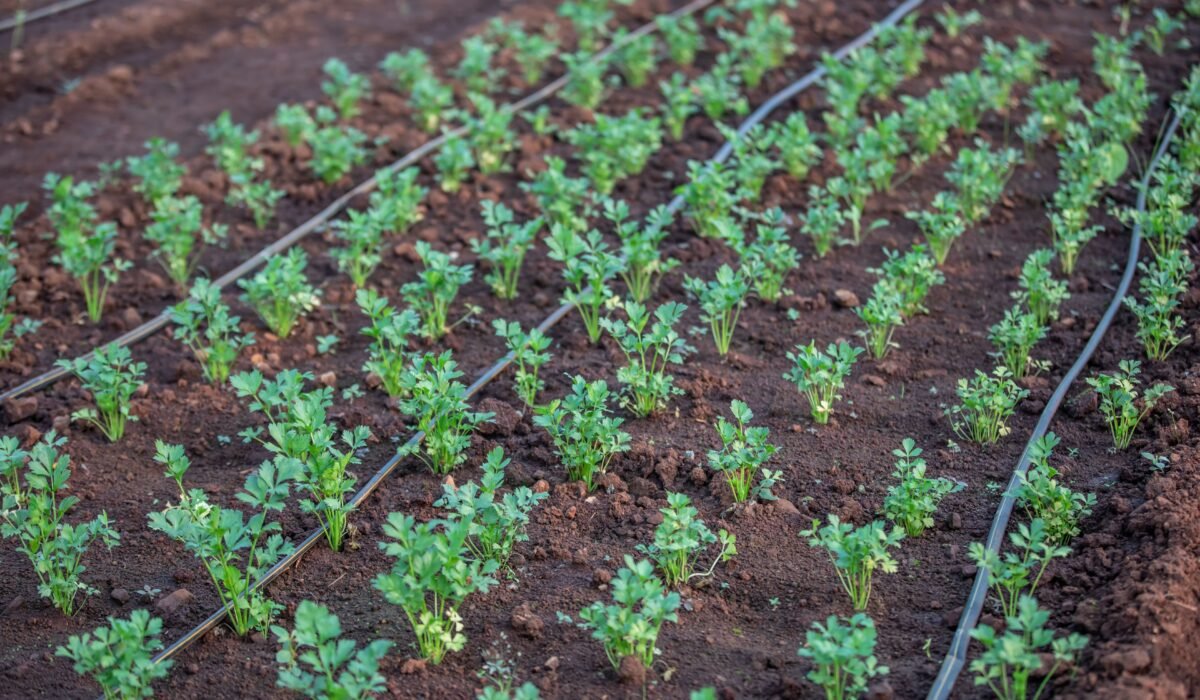
- Drip Irrigation: This method delivers water slowly and directly to the root zone, minimizing evaporation and runoff. Rain Bird, a leader in irrigation solutions, advises that “Drip irrigation minimizes water waste” and is particularly “ideal for clay or loamy soils” (2026). The Hoss Tools Fruit Tree Watering Kit is a practical drip irrigation solution featuring 20 emitters for targeted delivery (2026).
- Soaker Hoses: Similar to drip systems, soaker hoses release water slowly along their entire length, ensuring uniform saturation around the tree. This is an excellent choice for a row of fruit trees.
- Tree Watering Bags: These slowly release water over several hours, perfect for newly planted trees or during dry spells. They provide consistent moisture without constant supervision.
- Deep Watering Devices: Tools like the Root Quencher Deep Watering Device deliver water and nutrients directly below the surface to the root zone, eliminating surface evaporation and runoff, and are reported to save over 50% in water usage (2026).
- Hand Watering (with caution): While feasible for a few trees, ensure you water slowly and long enough to achieve deep penetration. A common mistake is watering too quickly, leading to runoff.
In my 10 years of experience, a combination of methods, such as drip irrigation supplemented by occasional deep hand watering, often yields the best results for how to water fruit trees.
Step 3: Calculate Weekly Water Volume
Determine the specific volume of water your tree needs each week based on its age, size, and current weather conditions. This calculation prevents both underwatering and overwatering.
As a general rule, aim for approximately 1 inch of water per week for established trees, or 3-5 gallons for young trees. Use the trunk diameter rule for mature trees (10 gallons per inch of trunk diameter weekly) during peak season, as recommended by UC IPM (2026).
Step 4: Set an Optimal Watering Schedule
Establishing a consistent schedule for how to water fruit trees is crucial, but it must remain flexible to adapt to changing environmental conditions. Infrequent, deep watering is generally preferred over frequent, shallow watering.
- Young Trees: Water 2-3 times per week, ensuring the top 6-12 inches of soil remain moist.
- Established Trees: Water once every 1-3 weeks, allowing the soil to dry out slightly between waterings to encourage deep root growth. Adjust frequency during hot, dry spells or periods of heavy rain.
Steve Renquist, a retired Oregon State University Extension Service horticulturist, recommends that fruit trees only be planted where a reliable water source for irrigation is available during dry summer months (2026). This underscores the importance of a consistent watering plan.
Step 5: Monitor Soil Moisture Levels
Regularly checking the soil moisture is the most accurate way to know when and how to water fruit trees. Don’t rely solely on visual cues or a fixed schedule.
- Finger Test: Dig down 2-4 inches near the tree’s drip line. If the soil feels dry, it’s time to water. If it’s still moist, wait.
- Soil Moisture Meters: These tools provide a more precise reading of soil moisture at various depths. They are particularly useful for understanding moisture levels in the deeper root zone.
This hands-on approach ensures you are responding directly to your tree’s needs, perfecting how to water fruit trees for optimal health.
Step 6: Address Specific Tree Conditions
Different stages of a fruit tree’s life and specific environmental stressors require adjusted watering strategies. Knowing how to water fruit trees means adapting to these conditions.
- Drought Conditions: During prolonged dry periods, increase watering frequency and volume to prevent stress. Mulching becomes even more critical to conserve precious soil moisture.
- Heavy Rain: Reduce or cease supplemental watering after significant rainfall. Check soil moisture before resuming to avoid overwatering.
- Disease/Pest Stress: A stressed tree may be more susceptible to pests and diseases. Ensure proper watering to support its natural defenses.
Being responsive to these conditions is a hallmark of an experienced gardener who knows how to water fruit trees proactively.
Step 7: Consider Water Quality Factors
The quality of your irrigation water can significantly impact the long-term health of your fruit trees and soil. This often-overlooked aspect is crucial when considering how to water fruit trees sustainably.
- Chlorine and Chloramines: Municipal tap water often contains these chemicals, which can negatively impact beneficial soil microbes over time. Allowing water to sit in an open container for 24 hours can help dissipate chlorine.
- pH Levels: Water with extremely high or low pH can affect nutrient availability in the soil. Ideally, water pH should be between 6.0 and 7.0 for most fruit trees.
- Salinity: High salt content in well water can accumulate in the soil, leading to salt stress and reduced water uptake by roots. Symptoms include leaf tip burn and stunted growth.
Regular water testing can help you understand potential issues and implement solutions, such as using rainwater collection or filtering, when determining how to water fruit trees.
Watering Newly Planted vs. Established Fruit Trees
Watering newly planted fruit trees requires more frequent attention to establish their root systems, while established fruit trees benefit from deeper, less frequent irrigation to encourage extensive root growth. This distinction is fundamental to knowing how to water fruit trees effectively at different life stages.
Water is extremely important for young trees, especially during their first year, when the root system is developing, according to UC IPM (2026). Newly planted fruit trees are recommended to receive approximately 20 liters (about 5.3 gallons) of water per tree per week, as stated by The Orchard Project (2026). This consistent moisture helps the tree settle into its new environment and prevents transplant shock.
-
Newly Planted Trees (First Year):
- Frequency: Water 2-3 times per week, or even daily in very hot, dry, or windy conditions. The goal is to keep the root ball consistently moist.
- Volume: 3-5 gallons per watering session. Use a slow release method like a tree watering bag or a slow trickle from a hose for 30-60 minutes to ensure deep saturation.
- Focus: Concentrate water directly over the root ball and the immediate surrounding soil where new roots are trying to establish.
- Mulch: Apply a 2-4 inch layer of organic mulch, keeping it a few inches away from the trunk, to conserve soil moisture.
-
Established Fruit Trees (Second Year and Beyond):
- Frequency: Once every 1-3 weeks, depending on climate, soil type, and recent rainfall. Allow the top few inches of soil to dry out between waterings.
- Volume: Aim for enough water to penetrate at least 18-24 inches deep into the soil. This could be 10-20 gallons or more, depending on tree size and trunk diameter, as highlighted by UC IPM (2026).
- Focus: Water the entire root zone, which extends from the trunk out to the drip line and often beyond. The drip line is the area directly beneath the outer circumference of the tree’s canopy.
- Method: Drip irrigation, soaker hoses, or a slow, deep hand watering for several hours are ideal. The ThriveRing Fruit Tree Irrigation Kit is an example of a specialized drip system engineered for “effortless, deep watering” that focuses water delivery precisely at the root zone, just beyond the canopy line (2026).
Properly adapting your watering strategy for how to water fruit trees based on their age is crucial for their long-term health and fruit production.
Advanced Soil Moisture Monitoring & Smart Irrigation in 2026
Advanced soil moisture monitoring and smart irrigation systems offer precise, automated control over watering, moving beyond traditional methods to ensure fruit trees receive optimal hydration with minimal waste. These technologies represent the cutting edge of how to water fruit trees efficiently in 2026.
While the “finger test” is a good start, modern technology provides more accurate data for precision irrigation. Implementing efficient irrigation systems, such as micro-sprinklers, can significantly increase pear fruit size and overall yield, leading to increased returns ranging from $700 to $2000 per acre, as observed in a Washington State University Tree Fruit case study during 2018-2019 (2019).
Types of Soil Moisture Sensors:
These devices provide real-time data, allowing you to make informed decisions about how to water fruit trees.
- Tensiometers: Measure soil water tension, indicating how tightly water is held by soil particles. They are effective in a range of soil types.
- Volumetric Sensors (e.g., TDR/FDR/Capacitance): Measure the actual volume of water in the soil. These are highly accurate and can be buried at multiple depths to monitor the entire root profile.
- Granular Matrix Sensors: Measure soil moisture indirectly by sensing the electrical resistance of a porous material in contact with the soil. They are durable and suitable for various soil types.
Integrating with Smart Irrigation Systems:
Modern smart controllers take the guesswork out of how to water fruit trees.
- Weather-Based Controllers: These systems, like the Rain Bird ARC Series residential timers, integrate with local weather data to automatically adjust watering schedules based on rainfall, temperature, and evapotranspiration (2026). This prevents overwatering after rain or during cooler periods.
- Sensor-Based Controllers: Directly connect to soil moisture sensors, initiating watering only when soil moisture drops below a predefined threshold. This ensures trees receive water precisely when they need it, conserving water.
- IoT Garden Systems: Advanced platforms can integrate multiple sensors (soil moisture, temperature, humidity) and control various irrigation zones, all manageable from a smartphone app. This level of control optimizes how to water fruit trees across your entire garden.
Using these tools not only saves water but also promotes healthier trees by preventing the stress associated with inconsistent moisture. This is a game-changer for understanding how to water fruit trees in a modern context.
| Monitoring Method | Pros | Cons | Best Use Case |
|---|---|---|---|
| Finger Test | Free, simple, immediate | Inaccurate for deep roots, subjective | Quick check for surface moisture |
| Basic Soil Moisture Meter | Affordable, easy to use, objective | Limited depth, can be inaccurate in rocky soil | Small gardens, containerized trees |
| Advanced Volumetric Sensor | Highly accurate, measures deep moisture, real-time data | Expensive, professional installation often required | Orchards, precision agriculture, serious hobbyists |
| Smart Irrigation Controller | Automated, water-saving, weather-adjusted | Initial cost, setup complexity | Any garden size seeking efficiency for how to water fruit trees |
For gardeners serious about maximizing yield and conserving resources, investing in smart irrigation is a clear step forward in knowing how to water fruit trees.
Special Tips for Watering Containerized Fruit Trees
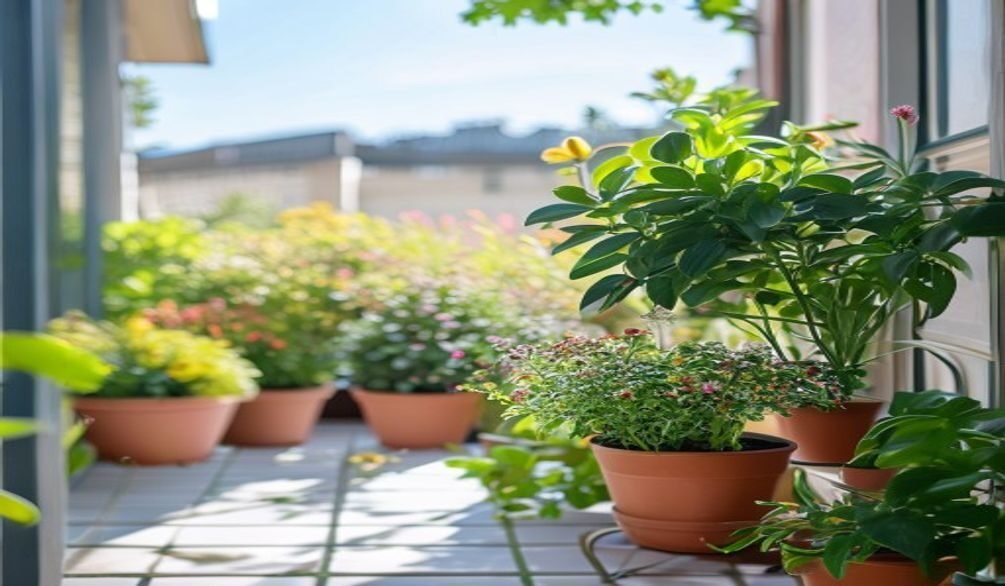
Watering containerized fruit trees requires a different approach than in-ground trees due to faster drainage, limited soil volume, and increased vulnerability to temperature fluctuations. Mastering how to water fruit trees in pots is essential for their survival and productivity.
Containerized trees dry out much faster because their root systems are confined and exposed to more air. This means they often need more frequent watering, sometimes daily during hot weather, compared to their in-ground counterparts.
- Daily Checks, Not Daily Watering: Always check the soil moisture before watering. Stick your finger 2 inches deep; if it feels dry, it’s time to water. In peak summer, this might be daily, but in cooler periods, it could be every few days. This diligence is key to understanding how to water fruit trees in pots.
- Water Until Drainage: Water slowly until you see water draining from the bottom of the pot. This ensures the entire root ball is saturated and helps flush out accumulated salts. Discard any standing water in the saucer after 30 minutes to prevent root rot.
- Deep Watering is Still Key: Even in a pot, deep watering encourages a strong root system. If water runs straight through, the soil may have become hydrophobic; try several small waterings over an hour to rehydrate it.
- Pot Size Matters: Larger pots hold more soil and moisture, requiring less frequent watering than smaller pots. When choosing a pot, opt for the largest size feasible for your space to simplify how to water fruit trees.
- Mulch for Moisture Retention: A 1-2 inch layer of organic mulch on top of the soil helps reduce evaporation and keeps the root zone cooler.
- Consider Self-Watering Pots or Drip Emitters: For convenience and consistency, self-watering pots with reservoirs or small drip emitters connected to a timer can be a lifesaver, especially if you’re frequently away. This makes how to water fruit trees in containers much easier.
- Fertilizer Leaching: Because containerized trees are watered more frequently, nutrients can leach out faster. Adjust your fertilization schedule accordingly.