
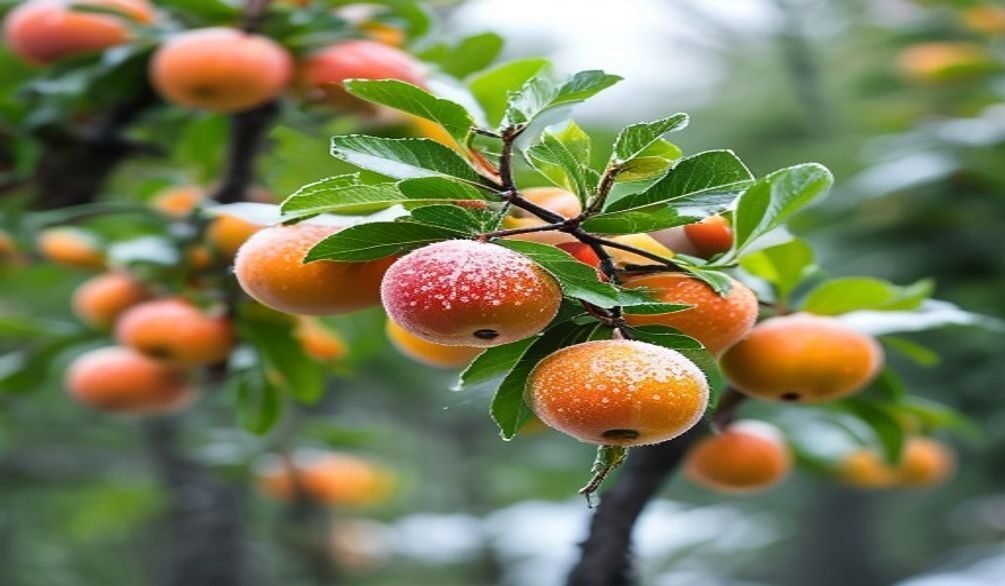
Key Takeaways
- U.S. fruits and nuts cash receipts for 2026 are forecasted at $33.4 billion, according to the USDA, Economic Research Service (2026).
- Winterization significantly impacts fruit tree health, resilience, and productivity, states Al’s Garden Center (n.d.).
- Mulch is key to insulating fruit tree roots and protecting them from the freeze-thaw effect, according to Marcum’s Nursery (n.d.).
- Young or thin-barked trees are especially susceptible to winter sunscald and frost damage, Raintree Nursery (n.d.) advises.
- The U.S. lemon crop for 2025/26 is anticipated to be 1.08 million tons, a 3 percent decrease from the previous year, reports the USDA, Economic Research Service (2026).
Are your fruit trees ready for the chill of winter? Proper **winterizing fruit trees** is crucial for their survival and ensures a bountiful harvest next season. This guide will walk you through seven essential steps to protect your valuable fruit trees from winter damage, drawing on my 10+ years of experience in horticulture.
Quick Answer: Winterizing fruit trees involves cleaning debris, deep watering, mulching, protecting trunks from sunscald and pests, and applying dormant sprays to ensure their health and productivity in the coming growing season.
How do you prepare fruit trees for winter?
Preparing fruit trees for winter involves a series of proactive measures to safeguard them from cold, pests, and disease. This process is key to preventing stress and ensuring robust growth when spring arrives, as “Winter is a critical time for your fruit trees,” according to Al’s Garden Center (n.d.). You’re essentially building a fortress around your trees.
In my experience, many gardeners focus solely on temperature, but **winterizing fruit trees** is a more holistic approach. It’s not just about keeping them warm; it’s about making them resilient. This means addressing everything from root insulation to pest management and proper hydration.
What month do you winterize fruit trees?
You should generally begin winterizing fruit trees in late fall, typically between October and November, before the first hard freeze. This timing allows the trees to enter dormancy naturally while still providing them with the necessary protections, as temperatures can fluctuate dramatically during this period, according to Superfresh Growers (n.d.). Waiting too long can leave your trees vulnerable.
The short answer: it depends on your local climate and the specific fruit tree varieties you’re growing. For instance, in colder regions, you might start earlier. What most people miss is that the goal isn’t just to react to cold, but to prepare for it. This proactive approach to **winterizing fruit trees** makes all the difference.
How do you protect small fruit trees in winter?
Protecting small fruit trees in winter requires more intensive care due to their delicate nature and less developed root systems. Young or thin-barked trees are particularly vulnerable to winter sunscald and frost damage, Raintree Nursery (n.d.) emphasizes. Think of them as toddlers needing extra bundling.
For these young trees, creating a microclimate around them is important. This can involve physical barriers or even bringing containerized trees indoors. Stark Bro’s, for example, successfully winters their persimmon trees by transferring 100 10-gallon pots inside, noting their adaptation and fruiting success in zone-challenged areas (n.d.). This careful attention is a prime example of effective **winterizing fruit trees** when they are most fragile.
Should you wrap fruit trees in winter?
Yes, you should consider wrapping fruit tree trunks, especially for young trees or those with thin bark, to protect against sunscald and rodent damage. Sunscald occurs when warm winter sun heats the bark during the day, followed by rapid freezing at night, which can split the bark, according to Orchard People (n.d.). This is a common mistake I’ve seen gardeners make – underestimating sunscald.
Wrapping also helps deter pests. Flora Terra Landscape Management in Northern California, for instance, offers professional winter care services including wrapping to prevent insect and rodent problems for various fruit trees (n.d.). When you’re **winterizing fruit trees**, wrapping is a simple yet effective step that provides a layer of defense against multiple threats.
Essential steps for winterizing fruit trees
**Winterizing fruit trees** is not a single action but a sequence of vital steps that ensure their survival and productivity. Each step plays a specific role in preparing your trees for the dormant season.
Step 1: clean debris around trees
Start by thoroughly cleaning up any fallen leaves, fruit, or other organic debris from around the base of your fruit trees. This removes potential hiding spots for pests and fungal spores that could overwinter and re-emerge in spring, minimizing disease pressure.
Step 2: deep water before first freeze
Give your fruit trees a deep, thorough watering before the ground freezes solid. Well-hydrated roots are more resilient to freezing temperatures and winter winds, which can desiccate branches. This is particularly important because dry soil freezes faster and more deeply than moist soil.
Step 3: apply thick layer of mulch
Apply a thick layer of organic mulch, such as wood chips, straw, or shredded leaves, around the base of your trees. Marcum’s Nursery states that “mulch is vital in protecting your fruit trees during the coldest months” by insulating roots from the freeze-thaw effect (n.d.). This insulation protects the “tiny feeder roots, or root hairs, which absorb water and nutrients from the soil,” from being killed by freezing temperatures, explains Orchard People (n.d.).
Step 4: protect trunks from sunscald
Protect tree trunks, especially those of young trees, from sunscald by painting them with white latex paint diluted 50/50 with water or by wrapping them with tree wrap. This reflective coating prevents the bark from overheating on sunny winter days. Raintree Nursery emphasizes that “Young or thin-barked trees are especially vulnerable to winter sunscald and frost damage” (n.d.).
Step 5: deter pests and wildlife
Protect your trees from hungry wildlife like rodents and deer, which can girdle trunks or browse on tender branches during winter. Install tree guards around trunks or use fencing. For smaller pests, consider applying a dormant oil spray, a key part of **winterizing fruit trees**.
Step 6: apply dormant oil spray
Once leaves have fallen and temperatures are consistently above freezing but below 45°F (7°C), apply a dormant oil spray. Products like Bonide’s all-season horticultural and dormant spray oil can smother overwintering insect eggs and larvae, reducing pest populations for the next growing season. This is a powerful preventative measure.
Step 7: prune dead or diseased branches
Perform any necessary dormant pruning to remove dead, damaged, or diseased branches. This improves air circulation, reduces the risk of disease, and directs the tree’s energy towards healthy growth in spring. However, avoid heavy structural pruning until late winter or early spring for most fruit trees. For more detailed pruning guidance, you might find our article on basic pruning techniques helpful.
Regional considerations for winterizing fruit trees
The specific steps for **winterizing fruit trees** can vary significantly depending on your geographical location and USDA hardiness zone. What works in Florida might be insufficient for Michigan. For instance, in December 2025–January 2026, Florida experienced two severe freeze events, resulting in crop losses for many specialty crops, according to the USDA, Economic Research Service (2026). This highlights how even typically warm regions can face unexpected challenges.
Consider this comparison of winter care needs:
| Region Type | Key Challenges | Primary Winterizing Fruit Trees Actions |
|---|---|---|
| Cold Climates (e.g., Michigan, Zone 4-5) | Deep freezes, heavy snow, sunscald, rodent damage | Heavy mulching, trunk wraps, tree shelters, dormant sprays, ensuring adequate soil moisture. Michigan Farm Bureau notes delicate grape varieties can see 50%+ bud loss in harsh winters (2014). |
| Temperate Climates (e.g., Northern California, Zone 7-8) | Fluctuating temperatures, occasional frosts, pest pressure | Moderate mulching, deep watering, dormant sprays, pest deterrence, monitoring for early bud break during warm spells. |
| Warm Climates (e.g., Florida, Zone 9-10) | Rare but damaging freezes, disease pressure, pest overwintering | Protection for sensitive varieties, dormant sprays, prompt clean-up of debris, ensuring good drainage. The USDA, Economic Research Service (2026) reported severe crop losses in Florida due to freezes. |
Real talk: understanding your local microclimate is crucial. Superfresh Growers in Yakima Valley monitor temperature fluctuations closely because warmer periods can cause trees and buds to wake up earlier, making them vulnerable to subsequent cold snaps (n.d.). This detailed understanding is what truly makes **winterizing fruit trees** effective.
Long-term benefits of proper winter tree care
Investing time in **winterizing fruit trees** offers substantial long-term benefits, ensuring healthier trees and more abundant harvests for years to come. This isn’t just about surviving one winter; it’s about building resilience. The USDA, Economic Research Service (2026) forecasts U.S. fruits and nuts cash receipts for all states at $33.4 billion, underscoring the economic value of healthy fruit production.
Proper winter care reduces tree stress, minimizes disease and pest infestations, and supports strong bud development. Nature Hills Nursery advises that “Winterizing fruit trees is one of fall’s most valuable chores, ensuring healthy buds, strong roots, and pest-free bark come spring” (n.d.). By preventing winter damage, you also reduce the need for costly interventions later, saving both time and money. It also means your trees are better prepared to withstand future environmental stressors.
Frequently asked questions
How do you prepare fruit trees for winter?
You prepare fruit trees for winter by cleaning debris, deep watering, mulching, protecting trunks, deterring pests, applying dormant sprays, and pruning dead branches. This comprehensive approach ensures their health and productivity, as proper care significantly impacts their resilience, according to Al’s Garden Center (n.d.). It’s about proactive protection.
What month do you winterize fruit trees?
You should winterize fruit trees in late fall, typically between October and November, before the ground freezes solid. This timing allows trees to enter dormancy while receiving critical protection, as fluctuating temperatures can be damaging, reports Superfresh Growers (n.d.). Don’t wait until the last minute.
How do you protect a small fruit tree in the winter?
You protect a small fruit tree in the winter by applying heavy mulch, wrapping its trunk, using tree guards, and potentially bringing containerized trees indoors. Young or thin-barked trees are particularly vulnerable to sunscald and frost damage, notes Raintree Nursery (n.d.). Extra care now means a stronger tree later.
Should you wrap fruit trees in winter?
Yes, you should wrap fruit trees in winter, especially young ones or those with thin bark, to prevent sunscald and deter rodents. Sunscald can split bark due to temperature fluctuations, explains Orchard People (n.d.), while wraps also provide a physical barrier against pests. It’s a simple step that offers significant protection.
What is dormant oil spray used for in winterizing fruit trees?
Dormant oil spray, like Bonide’s, is used when winterizing fruit trees to smother overwintering insect eggs, larvae, and some fungal spores on bark and branches. Applying it after leaf fall and before bud break helps reduce pest populations for the upcoming growing season, providing a clean slate for spring growth.







