
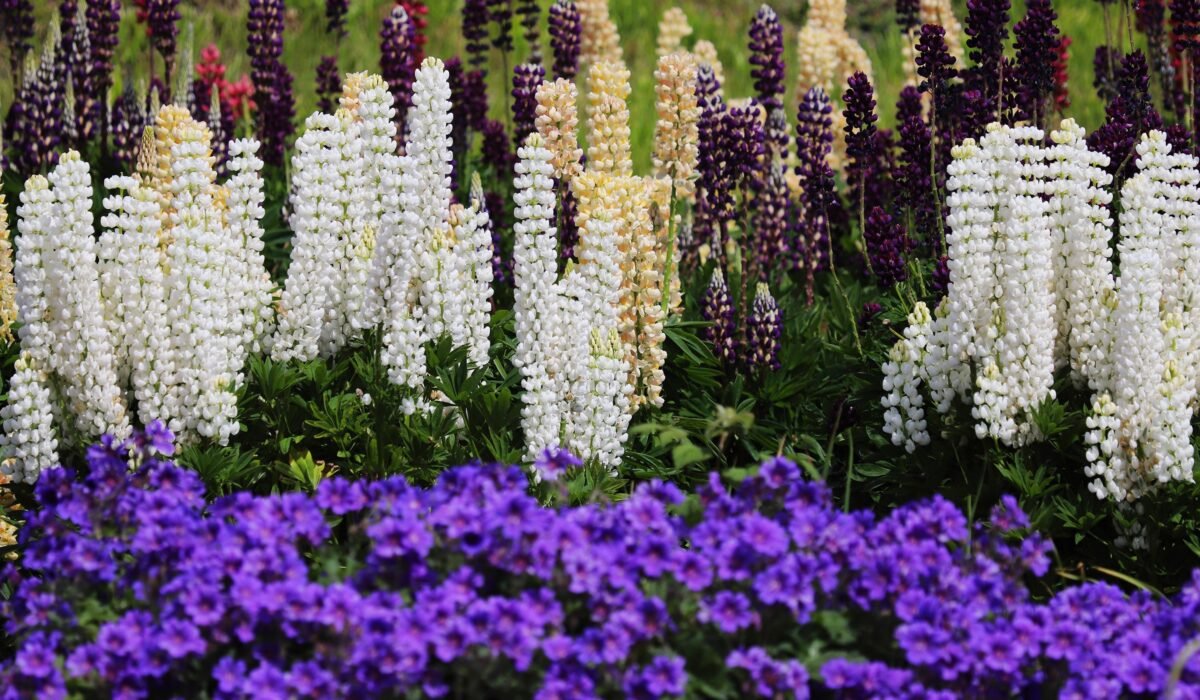
Key Takeaways
- 64% of gardeners purchased perennials multiple times in 2024, showing strong demand for reliable plants like year-round perennial flowers, according to Proven Winners® (2025).
- Quality is the most important factor for 43% of gardeners when buying perennials, emphasizing the need for robust year-round perennial flowers, as per Proven Winners® (2025).
- 86% of gardeners prioritize flower or foliage color when selecting perennials, highlighting the aesthetic appeal of year-round perennial flowers, Proven Winners® reports (2025).
- Purple is the most preferred perennial color for 42% of gardeners, influencing choices for vibrant year-round perennial flowers, according to a Proven Winners® survey (2025).
- 73% of gardeners rely on local nurseries for new perennial information, making them key sources for discovering year-round perennial flowers, Proven Winners® found (2025).
Are you dreaming of a garden that never sleeps, offering vibrant colors and captivating textures throughout every season? Creating a landscape filled with **year-round perennial flowers** is the ultimate goal for many gardeners, promising continuous beauty without the constant need for replanting. This guide, drawing on my 10 years of horticulture experience, will walk you through selecting, designing, and cultivating the best year-round perennial flowers to transform your garden into a perpetual haven of interest.
Quick Answer: Year-round perennial flowers offer continuous garden beauty and ecological benefits by blooming across seasons or providing structural and foliage interest. Strategic selection based on hardiness zone, light, and soil conditions, combined with thoughtful design, ensures a vibrant landscape that supports pollinators and requires less replanting than annuals.
Introduction to Year-Round Perennial Flowers
Year-round perennial flowers are plants that live for more than two years, offering continuous visual appeal through their blooms, foliage, or structural presence across all seasons. This enduring quality makes them the foundation for sustainable and consistently beautiful garden designs, unlike annuals that must be replanted each year. In my experience, focusing on these types of plants significantly reduces maintenance while maximizing impact.
The appeal of **year-round perennial flowers** is evident in gardening trends, with 64% of gardeners reporting purchasing perennials multiple times per year in 2024, according to a 2025 Perennial Survey by Proven Winners®. This strong demand underscores a desire for lasting beauty and value in the landscape. Choosing the right perennials for your garden is a delightful yet crucial task that can significantly influence the beauty and success of your landscape, as noted by Botanical Interests (2024).
These robust plants provide not only aesthetic pleasure but also essential ecological benefits. They create stable habitats and food sources for local wildlife, contributing to biodiversity. Investing in **year-round perennial flowers** builds a garden that improves with age, offering a dynamic display of life throughout the calendar.
How Do You Achieve Year-Round Bloom and Interest in Your Garden?
Achieving year-round bloom and interest in your garden involves strategic planning that considers staggered bloom times, varied foliage textures, and elements that provide winter appeal. The key is to select a diverse palette of **year-round perennial flowers** that collectively ensure something is always at its peak, or at least offering structural beauty. Bethan Smith, a Wildpaths Placement student with Avon Wildlife Trust, emphasizes the importance of thinking seasonally when planting, advising to have at least one flowering species per season to encourage insects year-round (2023).
Start by mapping out the bloom periods of various **year-round perennial flowers** to create a continuous floral succession. For instance, early spring bloomers can transition into summer stars, which then give way to autumn spectacles, ensuring constant visual engagement. This careful orchestration prevents gaps in color and texture, making your garden a dynamic space.
Beyond flowers, incorporate perennials known for their evergreen foliage, interesting seed heads, or unique bark to maintain structure during dormant seasons. Sedum ‘Autumn Joy’, for example, offers beautiful fall color and retains its dried flower heads, providing architectural interest through winter. This thoughtful layering ensures your garden remains captivating, even when snow is on the ground.
What Are the Longest Blooming Perennial Flowers?
The longest blooming perennial flowers are those varieties that provide an extended period of color, often from late spring through to the first hard frost, making them excellent choices for **year-round perennial flowers**. These plants are invaluable for gardeners seeking continuous vibrancy and minimal effort. Geranium ‘Rozanne’ is frequently cited as one of the longest-blooming perennials, known for its prolific purple-blue flowers from late spring until frost.
Another champion of extended bloom is Yarrow (Achillea), a hardy perennial powerhouse that can withstand droughts, hot climates, and poor soil conditions, offering blooms for months. Lantana is also a long-blooming perennial that can be considered a **year-round perennial flower** in frost-free areas, growing into a medium shrub with continuous flowers. These selections minimize downtime, keeping your garden lively.
When selecting **year-round perennial flowers** for maximum bloom duration, consider varieties bred for extended flowering, often highlighted by growers like Proven Winners®. Their 2026 introductions, such as ‘Lemon Purrfection’ Nepeta, are specifically designed for long-blooming and heat-tolerant performance. Combining these with other reliable choices creates a tapestry of color that lasts for months.
| Perennial Flower | Typical Bloom Period | Key Feature for Long Bloom |
|---|---|---|
| Geranium ‘Rozanne’ | Late Spring – First Frost | Continuous, prolific purple-blue flowers |
| Yarrow (Achillea) | Early Summer – Early Fall | Drought-tolerant, vibrant clusters |
| Lantana | Spring – Frost (Year-round in warm zones) | Non-stop colorful flower clusters |
| Nepeta (Catmint) | Late Spring – Early Fall | Heat-tolerant, reblooms with deadheading |
| Coreopsis (Tickseed) | Early Summer – Early Fall | Bright, daisy-like flowers, good for cutting |
Top Year-Round Perennial Flowers for Every Season
Designing with **year-round perennial flowers** means ensuring each season brings its own unique display of color and texture. A balanced selection guarantees that your garden offers interest whether it’s the crisp air of spring, the warmth of summer, the rich hues of autumn, or the quiet beauty of winter. “Perennials are the backbone of any professional landscape design,” states Egan Landscape Group (2026), emphasizing their structural importance throughout the year.
For **Spring**, consider the enchanting Hellebores, also known as Lenten Rose, which are legendary for their toughness and bloom in mid to late winter, often when snow is still on the ground. Their evergreen foliage also contributes to their status as excellent **year-round perennial flowers**. Spring-blooming bulbs can also be interplanted to add early pops of color.
As **Summer** arrives, the garden can burst with color from plants like Geranium ‘Rozanne’, which provides continuous purple-blue blooms, and Echinacea (Coneflower), known for its cheerful, daisy-like flowers. Proven Winners® offers new varieties like COLOR CODED® ‘Knock ’em Red’ Echinacea for retail in 2026, promising vibrant, heat-tolerant performance. These selections provide long-lasting summer appeal.
In **Autumn**, Sedum ‘Autumn Joy’ comes into its own, with upright bushels of small pink flower blooms that turn a copper-brown color as the weather cools, offering a beautiful transition into cooler months. Their succulent-like foliage provides interest throughout the year, solidifying their place among the best **year-round perennial flowers**. Asters and Chrysanthemums also extend the season with their late blooms.
For **Winter**, evergreen perennials are crucial for providing structure and subtle beauty. Aside from the evergreen foliage of Hellebores, consider plants like Heuchera (Coral Bells) with their colorful leaves that persist through cold weather. The dried seed heads of some grasses or the aforementioned Sedum ‘Autumn Joy’ also contribute significant winter interest, proving that **year-round perennial flowers** offer more than just blooms.
Selecting Year-Round Perennials by Hardiness Zone
Selecting **year-round perennial flowers** by hardiness zone is critical to ensuring their survival and performance in your specific climate. The USDA Hardiness Zone map dictates which plants can reliably thrive in a given region, based on average annual extreme minimum winter temperatures. Ignoring your zone is a common mistake that leads to plant failure and wasted effort.
For example, gardeners in colder zones, like USDA Zone 5, need to choose **year-round perennial flowers** that are rated for at least that zone or lower. Hellebores, for instance, are incredibly cold-hardy, often thriving in zones 4-9, making them suitable choices for a Zone 5 garden. In contrast, plants like Lantana, while long-blooming, are typically hardy only to Zone 8, meaning they would not survive winter as perennials in Zone 5.
Always check the hardiness rating on plant tags or descriptions to ensure your chosen **year-round perennial flowers** are appropriate for your area. Many resources, including the Missouri Botanical Garden, provide detailed information on perennial plants for season-long bloom, often including their hardiness zone suitability. This diligence ensures your garden investment will return year after year.
Low-Maintenance Year-Round Perennials for Effortless Beauty
Low-maintenance **year-round perennial flowers** offer the perfect solution for busy gardeners who desire continuous beauty without extensive upkeep. These plants are typically drought-tolerant, disease-resistant, and require minimal pruning or care once established, making them truly effortless. Many perennials are low-maintenance, requiring only light pruning or deadheading to help them bloom throughout their growing season and return just as beautifully the next, according to Veranda (2025).
Choosing **low-maintenance year-round perennials** means selecting varieties that are well-suited to your local climate and soil conditions, reducing the need for constant intervention. Plants like Sedum ‘Autumn Joy’ are excellent examples, thriving in full sun with minimal water once established and offering multi-season interest. Similarly, Yarrow (Achillea) is known for its resilience in poor soil and hot conditions, making it a robust choice.
Incorporating these types of **year-round perennial flowers** into your garden design frees up your time while still providing a lush, vibrant landscape. They are ideal for creating a garden that looks professionally cared for with a fraction of the effort. For an even easier start, consider selecting plants from reputable brands like Proven Winners®, which often focus on breeding for disease resistance and robust growth.
- Sedum ‘Autumn Joy’: Extremely drought-tolerant, provides autumn blooms and winter structure.
- Yarrow (Achillea): Resilient to heat, drought, and poor soil; attracts beneficial insects.
- Hellebores (Lenten Rose): Evergreen foliage, early winter blooms, very tough and deer-resistant.
- Lavender (Lavandula): Drought-tolerant, fragrant, and provides long-lasting purple blooms.
- Daylilies (Hemerocallis): Adaptable to various conditions, many reblooming varieties available.
Designing a Pollinator-Friendly Garden with Year-Round Perennials
Designing a pollinator-friendly garden with **year-round perennial flowers** creates a vital ecosystem that supports bees, butterflies, and other beneficial insects throughout all seasons. By providing a continuous supply of nectar and pollen, you ensure these crucial creatures have food sources when they need them most, from early spring to late autumn. It’s predicted that 68% of the world’s population will be living in urban areas within the next two years, highlighting the importance of utilizing urban spaces to help wildlife by planting diverse flowers, including year-round perennials, according to a February 2023 article from the Bristol Natural History Consortium.
When selecting **best perennial flowers for pollinators year round**, prioritize single-petaled varieties over highly hybridized double flowers, as the latter often lack accessible pollen and nectar. A diverse array of flower shapes and colors will attract a wider range of pollinators. Purple, being the most preferred perennial flower color for 42% of gardeners as per a 2025 Proven Winners® survey, is also highly attractive to many pollinators.
Consider plants that bloom in succession, ensuring there’s always something in flower. Hellebores provide critical early-season sustenance for emerging pollinators, while Echinacea and Yarrow offer abundant resources during summer. Late-blooming Sedum ‘Autumn Joy’ extends the buffet into fall, making your garden a haven for these essential contributors to our ecosystem.
Expert Tips for Cultivating Continuous Perennial Blooms
Cultivating continuous perennial blooms requires careful attention to plant selection, proper siting, and ongoing care to maximize the performance of your **year-round perennial flowers**. From my years of experience, a thoughtful approach to these fundamentals will yield the most rewarding results. “By blending the long-term structure of perennials with the seasonal flair of annuals, you ensure your home stays vibrant from the first thaw of spring to the final frost of autumn,” advises Egan Landscape Group (2026).
First, **understand your site conditions**. Match the specific light, soil, and moisture requirements of your chosen **year-round perennial flowers** to your garden’s existing conditions. For example, some perennials thrive in full sun, while others prefer partial shade, and knowing the difference is crucial for plant health. You can find more detailed information on selecting the best soil for flower gardens here.
Second, implement **regular maintenance practices** such as deadheading spent flowers, which encourages many **year-round perennial flowers** to produce new blooms. Proper fertilization, based on soil tests, and consistent watering during dry spells are also vital for sustained vigor. The Missouri Botanical Garden offers excellent advice on perennials for season-long bloom, including care tips.
Finally, consider **strategic pruning** to shape plants and encourage healthier growth. For some perennials, a mid-season cutback can stimulate a second flush of blooms, extending their display well into the autumn. This proactive approach ensures your **year-round perennial flowers** remain robust and attractive throughout their growing cycle.
Pruning and Deadheading for Extended Bloom
Proper pruning and deadheading are essential practices for encouraging many **year-round perennial flowers** to rebloom and maintain a tidy appearance. Removing faded flowers prevents the plant from expending energy on seed production, redirecting it instead towards producing more blooms. This simple act can significantly extend the flowering period of many perennials.
For plants with numerous small flowers, like Nepeta, a light shearing after the first flush of blooms can encourage a second, robust display. This method is quicker than individual deadheading and is highly effective for extending the visual impact of your **year-round perennial flowers**. Always use clean, sharp tools to make precise cuts and minimize stress on the plant.
Soil Health and Nutrition
Optimal soil health and nutrition are foundational for robust **year-round perennial flowers**, providing the essential environment for strong growth and abundant blooms. Well-draining soil rich in organic matter ensures roots have access to both moisture and air, preventing common issues like root rot. 73% of gardeners rely on their local nursery or garden center for information on new perennials, which often includes soil advice, as found in a 2025 Perennial Survey by Proven Winners®.
Amending your soil with compost annually improves its structure, fertility, and water-holding capacity, benefiting all your **year-round perennial flowers**. A balanced slow-release fertilizer can provide consistent nutrients throughout the growing season, supporting continuous flowering without over-fertilization. Remember, healthy soil leads to healthy plants, which in turn produce more vibrant and long-lasting blooms.
Frequently Asked Questions
What perennials bloom year-round in Zone 5?
Few perennials truly bloom year-round in Zone 5 due to cold winters, but many offer multi-season interest through extended bloom times, evergreen foliage, or winter structure. Hellebores provide early spring flowers and evergreen leaves, while Sedum ‘Autumn Joy’ offers fall blooms and winter texture. Strategic planning with diverse **year-round perennial flowers** ensures continuous appeal.
What is the longest blooming perennial flower?
Geranium ‘Rozanne’ is widely recognized as one of the longest blooming perennial flowers, often flowering continuously from late spring until the first hard frost. This exceptional duration makes it a prime choice among **year-round perennial flowers** for consistent garden color. Its prolific purple-blue blooms add sustained vibrancy to any landscape design.
What flowers stay in bloom the longest?
Flowers that stay in bloom the longest typically include Geranium ‘Rozanne’, Yarrow (Achillea), and Lantana (in warmer zones), offering many months of continuous color. These plants are excellent examples of **year-round perennial flowers** that provide extended seasonal interest. 86% of gardeners consider flower or foliage color when selecting perennials, highlighting the importance of long-lasting blooms, as reported by Proven Winners® (2025).
What plants give year-round color?
Plants that give year-round color often combine extended bloom periods with attractive evergreen foliage or winter interest. Examples include Hellebores (winter/spring blooms, evergreen leaves), Heuchera (colorful evergreen foliage), and Sedum ‘Autumn Joy’ (fall blooms, dried winter structure). Integrating these **year-round perennial flowers** ensures your garden always has visual appeal.
How do you design a year-round perennial garden?
Designing a year-round perennial garden involves selecting plants with staggered bloom times, varied foliage textures, and winter interest, ensuring continuous appeal across all seasons. Plan for at least one flowering plant per season and incorporate evergreens and structural elements for year-round appeal. This thoughtful approach creates a dynamic landscape using **year-round perennial flowers**.
Cultivating a garden filled with **year-round perennial flowers** is a rewarding endeavor, creating a dynamic and sustainable landscape that offers continuous beauty and ecological benefits. By strategically selecting plants based on hardiness zones, understanding their bloom times, and providing proper care, you can enjoy a vibrant display through every season. Start planning your continuous bloom garden today, and watch your landscape flourish with these enduring botanical treasures.







