
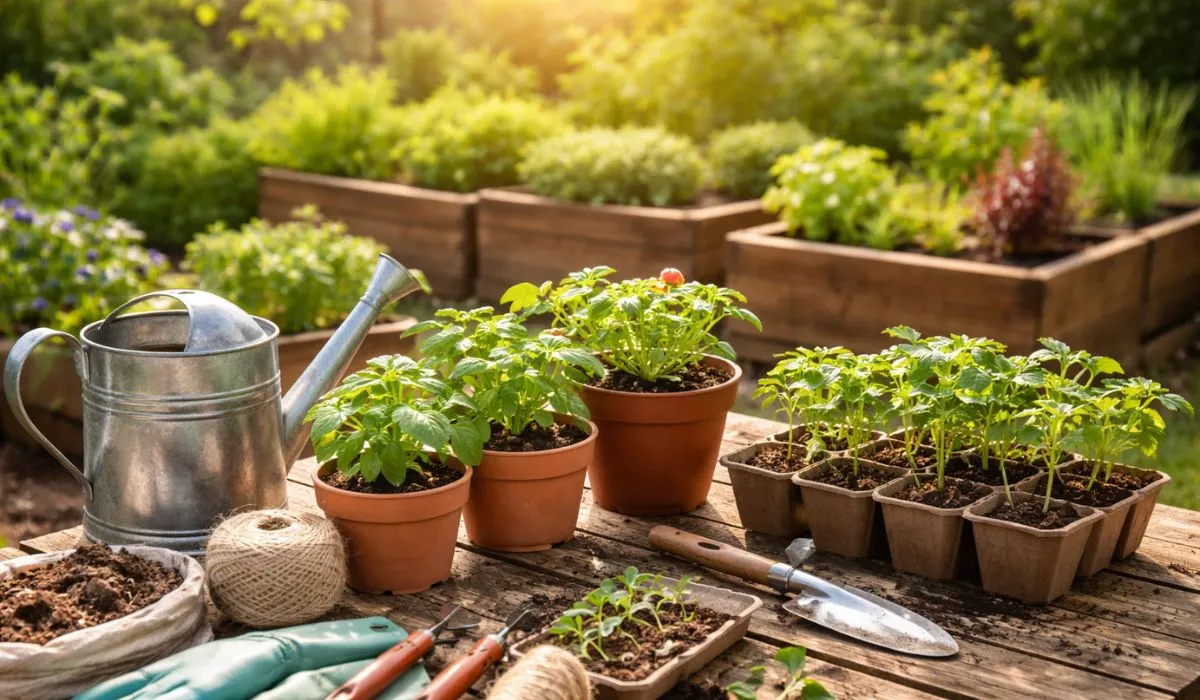
Starting a garden in 2026 is easier than you think — even if you’ve never grown a plant before. All you need is sunlight, soil, and a little patience. Begin with small containers or a few raised beds, learn your climate zone, and build from there — one seed at a time. Here complete Beginners Gardening Blueprint 2026 Available.
The 2026 Beginner’s Gardening Game Plan
- Start small — even 2–3 pots can teach you the basics.
- Learn your sunlight, soil, and water needs first.
- Choose easy plants: lettuce, herbs, tomatoes, or marigolds.
- Use compost or organic fertilizer — skip chemicals early on.
- Track progress with a simple journal or app (like From Seed to Spoon).
Why I Finally Started Gardening (and Why You Should Too)
It began with a packet of basil seeds on my kitchen counter. I told myself, “I’ll start tomorrow.” That “tomorrow” turned into months until one weekend in spring 2026, I finally did it — I poured some soil into an old pot, sprinkled the seeds, and hoped for the best.
I didn’t expect much. But when those first tiny green shoots appeared, something clicked. Gardening wasn’t just about growing food — it was about slowing down, reconnecting, and realizing how alive everything around me really was.
Beginners Gardening Blueprint 2026
Step 1: Find Your Gardening Space
Whether you have a balcony in Berlin, a small yard in Texas, or a rooftop in Tokyo, there’s always a way to grow something.
Here’s how to start from scratch:
| Space Type | What Works Best | Bonus Tip |
|---|---|---|
| Balcony / Window | Herbs, lettuce, strawberries | Use lightweight pots & railing planters |
| Small Yard | Tomatoes, peppers, beans | Try 1–2 raised beds with good soil |
| Indoor Setup | Microgreens, basil, mint | Use LED grow lights (cool white & full spectrum) |
Don’t start too big. One of the biggest mistakes beginners make is planting more than they can care for. Three to five plants are perfect for your first season.
Step 2: Understand Sunlight and Soil
Plants are like people — they thrive when they get what they need.
- Sunlight: Most vegetables love 6–8 hours of full sun. If your area gets less, go for shade-tolerant greens like spinach or kale.
- Soil: Good soil feels crumbly, not compact. You can test it easily — grab a handful, squeeze it, and if it falls apart gently, you’re good.
If you’re working with poor soil, start with raised beds or containers. Use a 50/50 mix of compost and garden soil. In 2026, many garden centers even sell AI-mixed soil blends customized to your local weather and humidity.
Step 3: Pick Easy Plants First
When you’re new, success builds confidence. Here’s a starter-friendly list:
| Category | Easy Plants | Why They’re Great |
|---|---|---|
| Herbs | Basil, mint, parsley | Fast-growing, low effort |
| Veggies | Lettuce, cherry tomatoes, radishes | Quick rewards (weeks, not months) |
| Flowers | Marigolds, zinnias | Brighten space + attract pollinators |
I started with basil and cherry tomatoes — both forgiving and rewarding. Watching the first tomato ripen on the vine felt like magic.
If you’re unsure what to plant, check your local USDA or regional planting calendar online. Many apps now predict optimal sowing dates using real-time satellite data.
Step 4: Gather Your Basic Tools
You don’t need a shed full of gear — just these essentials:
Beginner’s Garden Kit Checklist
- Small trowel
- Watering can or hose
- Gloves (trust me, dirt hides under your nails forever)
- Compost or organic fertilizer
- 3–5 containers or raised beds
- Optional: Moisture meter (helps avoid overwatering)
I started with thrifted tools and reused yogurt cups as seed starters — still one of my proudest low-cost hacks.
Step 5: Learn to Water — The Smart Way
It sounds simple, but watering is where many beginners go wrong.
In my first month, I either drowned or dehydrated my plants — no in-between. Here’s what I learned:
- Morning watering helps prevent fungal issues.
- Deep, infrequent watering encourages strong roots.
- Stick your finger into the soil — if it’s dry an inch down, it’s time to water.
For tech lovers, smart watering systems with soil sensors (like Gardena or MoistenMate) can automate this process beautifully.
Step 6: Feed Your Soil, Not Just Your Plants
The secret most new gardeners miss: you’re not just growing plants — you’re building soil life.
Each time you add compost or organic fertilizer, you’re feeding the billions of microbes that help plants thrive.
Try this rhythm:
- Compost every 2–3 weeks
- Mulch with dry leaves or straw
- Rotate plant types each season
This simple pattern prevents pests, improves yield, and keeps your garden self-sustaining.
Step 7: Learn from Mistakes (You’ll Make Plenty)
I lost my first tomato plant to aphids and my lettuce bolted in the heat — but every mistake became a lesson.
Keep a garden journal — jot down what you planted, where, and when. Add photos or notes about weather patterns. After one season, you’ll start spotting patterns nature’s been teaching all along.
There’s something deeply grounding about failure in gardening — because every “oops” blooms into better instincts the next season.
Step 8: Join a Gardening Community
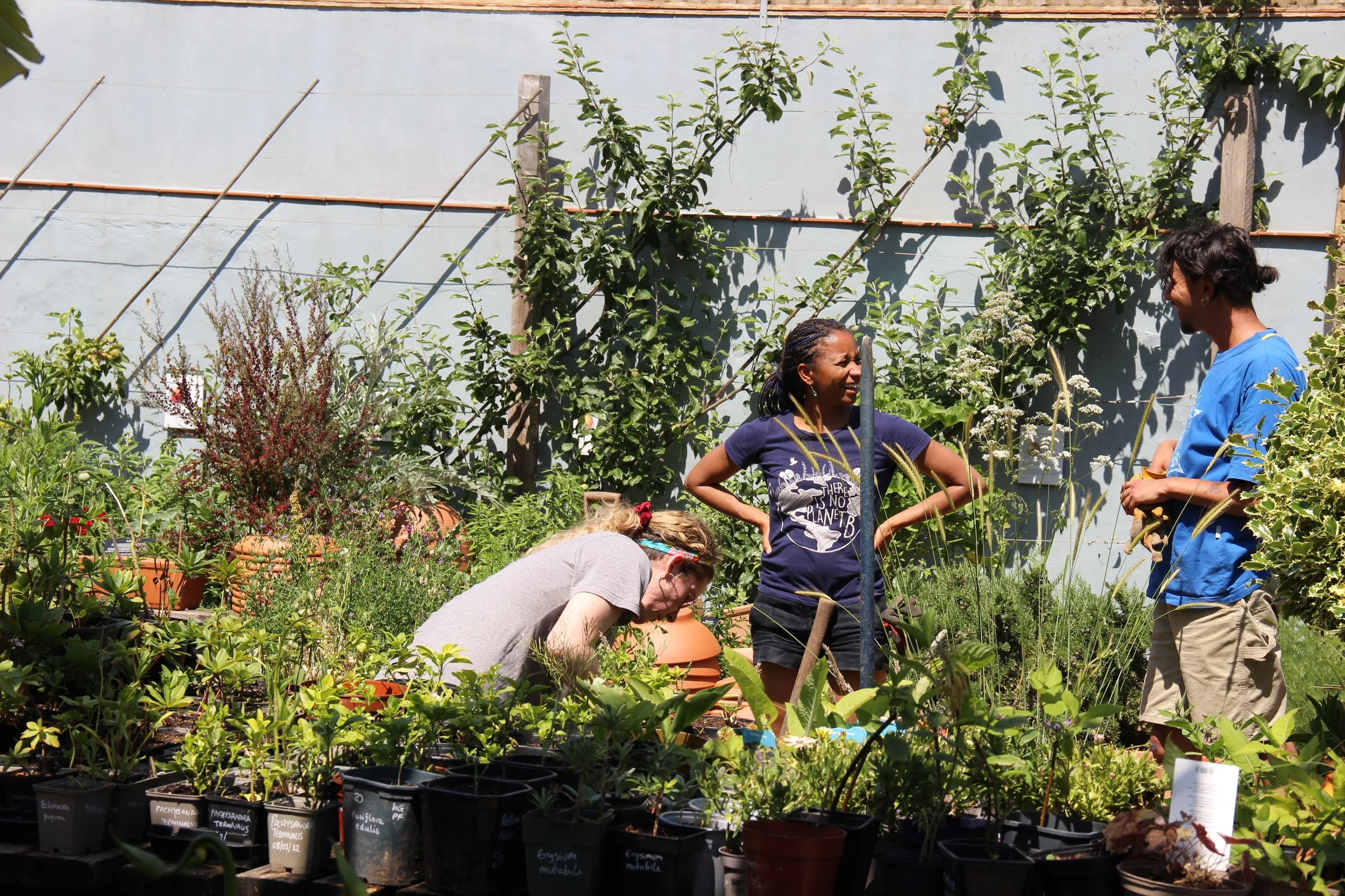
You don’t have to do this alone. In 2026, local garden clubs, online Discord groups, and apps like Grow It or Reddit’s r/gardening are full of kind souls ready to help.
Ask questions, share photos, celebrate small wins. The day I posted my first basil harvest online and strangers cheered — it reminded me that gardening connects us across borders.
Step 9: Keep It Eco-Friendly
Sustainability is the future of gardening. A few habits go a long way:
- Collect rainwater for irrigation.
- Reuse containers or pots.
- Avoid chemical pesticides — use neem oil or ladybugs instead.
- Plant pollinator-friendly flowers like lavender or echinacea.
The more natural your garden, the more resilient it becomes.
Step 10: Celebrate the First Harvest
When that first ripe tomato, sprig of mint, or handful of spinach lands in your hand — pause and savor it. You grew that.
In a world of automation and screens, gardening reminds us we’re still part of something living and unpredictable. It’s not just a hobby — it’s therapy, science, and patience all rolled into one.
Quick Beginner’s Blueprint Recap
| Step | Focus | Key Takeaway |
|---|---|---|
| 1 | Choose your space | Start small & manageable |
| 2 | Understand basics | Sunlight + soil health matter most |
| 3 | Select easy plants | Herbs and greens = quick wins |
| 4 | Gather simple tools | Don’t overspend early |
| 5 | Water wisely | Deep roots > frequent sips |
| 6 | Feed soil | Compost is gold |
| 7 | Track progress | Learn each season |
| 8 | Find community | Shared tips = fewer mistakes |
| 9 | Stay eco-friendly | Natural care = sustainable growth |
| 10 | Celebrate | Every harvest counts |
FAQs: Beginner Gardening in 2026
Q1: Can I start gardening indoors if I don’t have outdoor space?
Absolutely. Indoor gardening has exploded in 2026 thanks to smart grow lights and compact hydro systems. Herbs and microgreens grow beautifully in kitchen spaces.
Q2: How long before I see results?
You’ll usually see sprouts within 1–2 weeks, and edible results within 30–60 days, depending on the plant and climate.
Q3: Is gardening expensive to start?
Not at all. You can begin with recycled containers and basic soil. Your first setup can cost under $40 if you keep it simple.
Q4: How do I handle pests naturally?
Use neem oil sprays, ladybugs, or garlic-infused water. Healthy soil and companion planting also prevent most infestations.
Q5: What’s the best month to start gardening?
It depends on your region. In most areas, spring (March–May) is perfect. If you’re in the tropics, you can grow year-round with slight crop rotations.
Final Thought: Gardening Is a Journey, Not a Checklist
If there’s one thing gardening teaches, it’s patience.
You don’t rush a seed — you nurture it. You adjust, learn, and grow alongside it.
By the end of your first season, you won’t just have plants — you’ll have perspective.
And maybe, just maybe, a little more peace every time you step outside.







