
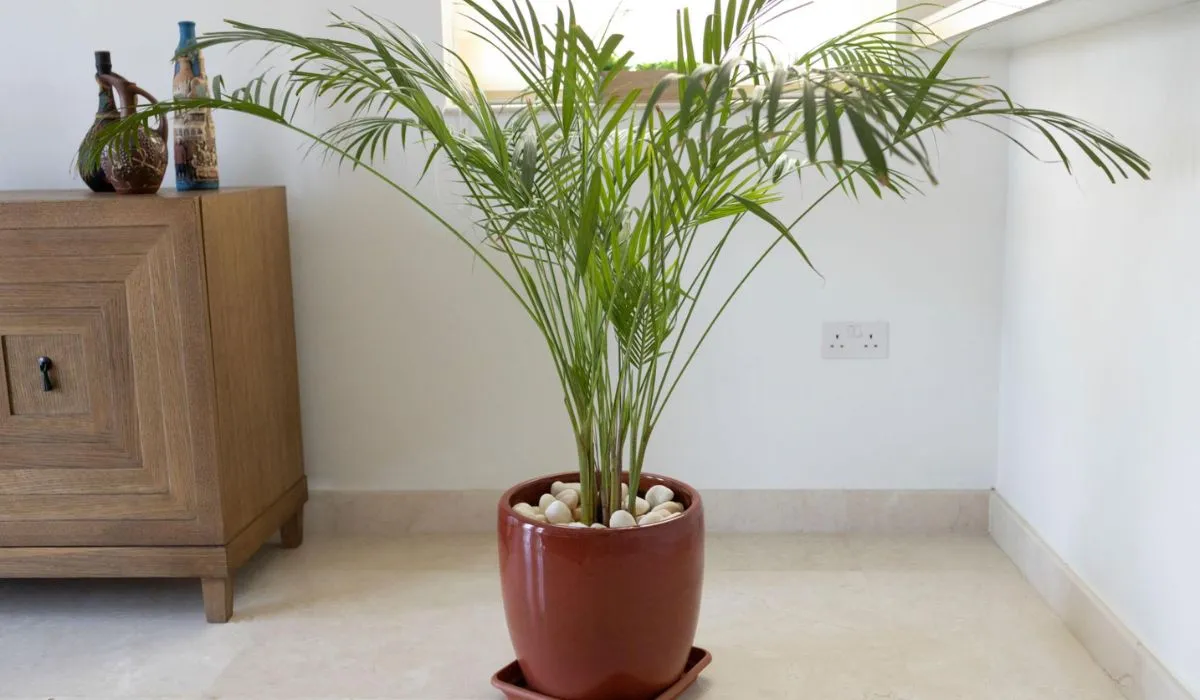
The bamboo palm (Chamaedorea seifrizii) is one of the easiest indoor plants to care for — it thrives in indirect light, prefers moist but well-drained soil, and naturally purifies your air. bamboo palm care With moderate watering, light pruning, and occasional feeding, it can stay lush and vibrant year-round.
Quick Care Tips
- Light: Bright, indirect light (avoid harsh sun)
- Water: Keep soil slightly moist; never soggy
- Humidity: Moderate to high (mist weekly)
- Temperature: 65–80°F (18–27°C)
- Feeding: Monthly in spring and summer
- Toxicity: Safe for pets 🐶🐱
Why the Bamboo Palm Is a Beginner’s Best Friend
If you’ve ever wanted to create that calm, tropical vibe in your living room without turning your home into a jungle of high-maintenance plants, the bamboo palm is your answer.
This easygoing palm — native to the rainforests of Central and South America — has a graceful, clumping habit and feathery fronds that make any corner feel fresh. But what makes it truly special is its ability to clean indoor air, absorbing harmful compounds like benzene and formaldehyde while releasing oxygen.
Let’s break down exactly how to help it thrive indoors.
How Much Light Does a Bamboo Palm Need?
The bamboo palm thrives in medium to bright indirect light — think near an east- or north-facing window. It tolerates low light but grows slower and may lose some of its rich green color.
If your palm’s leaves turn yellow or brown at the tips, it might be getting too much direct sun. Simply move it a few feet away from the window.
In my apartment, I keep one about six feet from a west window filtered by a sheer curtain — it’s been thriving for years.
How Often Should You Water a Bamboo Palm?
This is where most beginners overdo it. Bamboo palms prefer moist but not soggy soil. Let the top inch dry before watering again.
Simple Watering Checklist
| Step | What to Do | Why It Matters |
|---|---|---|
| 1 | Check soil with your finger | Prevents overwatering |
| 2 | Water until it drains | Ensures deep hydration |
| 3 | Empty saucer afterward | Avoids root rot |
| 4 | Mist occasionally | Boosts humidity |
Use filtered or rainwater if possible — tap water high in fluoride or chlorine can cause leaf browning.
Ideal Temperature and Humidity
The bamboo palm enjoys the same comfort range you do — 65–80°F (18–27°C). Keep it away from cold drafts, A/C vents, or heaters.
In drier climates or during winter, increase humidity by:
- Misting weekly
- Placing the pot on a pebble tray
- Grouping plants together
If the tips of the leaves start to crisp, it’s a humidity hint — they’re asking for a little tropical love.
Feeding and Fertilizing
During spring and summer, feed your bamboo palm once a month with a balanced, water-soluble fertilizer (such as 10-10-10). Skip feeding in fall and winter when growth slows.
Always dilute fertilizer to half strength. Overfeeding can burn roots or cause yellowing leaves.
Pruning and Maintenance
Pruning bamboo palms isn’t just for looks — it keeps your plant healthy.
- Remove brown or dead fronds at the base (use clean shears).
- Wipe leaves with a damp cloth to remove dust and let them breathe.
- Repot every 2–3 years using a peat-based potting mix for moisture retention.
If you see yellowing leaves, don’t panic — it’s often natural aging. But if it’s widespread, revisit your watering or lighting routine.
The Air-Purifying Power of the Bamboo Palm
According to a famous NASA Clean Air Study, the bamboo palm ranks among the top air-purifying houseplants. It’s effective at removing formaldehyde, trichloroethylene, and xylene — common in indoor environments with synthetic furnishings or cleaning agents.
Adding one or two bamboo palms to your living space can help improve air quality and promote relaxation — especially if you spend long hours indoors or in a home office.
Is the Bamboo Palm Safe for Pets?
Yes! The bamboo palm is non-toxic to cats and dogs, making it one of the safest tropical options for pet owners.
Still, it’s best to keep curious pets from chewing on the fronds — not harmful, but not great for your plant’s looks either.
Troubleshooting Common Bamboo Palm Problems
| Problem | Likely Cause | Fix |
|---|---|---|
| Brown leaf tips | Low humidity or dry air | Increase humidity, mist weekly |
| Yellowing leaves | Overwatering | Let soil dry slightly before next watering |
| Drooping fronds | Underwatering or poor drainage | Water thoroughly and ensure drainage holes |
| Slow growth | Low light or nutrients | Move to brighter spot, feed monthly |
Remember — these palms are forgiving. With small adjustments, they bounce back beautifully.
Real-World Example
When I moved into my first apartment, my living room felt dull and lifeless. A single bamboo palm in the corner transformed it — within weeks, it felt fresher, the air lighter, and my mood calmer. Even visitors noticed the difference. That’s the magic of a low-maintenance plant that quietly does more than decorate.
Quick Bamboo Palm Care Summary
| Aspect | Ideal Condition |
|---|---|
| Light | Bright, indirect |
| Water | Keep soil lightly moist |
| Temperature | 65–80°F (18–27°C) |
| Humidity | Moderate to high |
| Fertilizer | Monthly, spring/summer |
| Toxicity | Non-toxic to pets |
People Also Ask
Q1: How fast does a bamboo palm grow indoors?
Moderately — about 3–6 inches per year in ideal light and humidity. It can reach 4–12 feet tall over time indoors.
Q2: Can I grow a bamboo palm in low light?
Yes, but growth slows and leaves may lose vibrancy. Aim for at least bright indirect light for best results.
Q3: How often should I repot a bamboo palm?
Every 2–3 years, or when roots start circling the pot. Spring is the best season to repot.
Q4: Why are my bamboo palm leaves turning yellow?
Most often due to overwatering or poor drainage. Let the soil dry slightly and check that your pot has drainage holes.
Q5: What’s the best soil mix for bamboo palms?
Use a peat-based mix with perlite or sand for drainage — something labeled “indoor palm mix” works perfectly.
Final Thoughts
Bamboo palms are proof that lush, green life indoors doesn’t have to be complicated. Whether you’re just starting your indoor garden or adding to your collection, this plant rewards minimal effort with maximum beauty — and a breath of fresh, purified air.
It’s the kind of houseplant that quietly makes your home feel more alive.







