
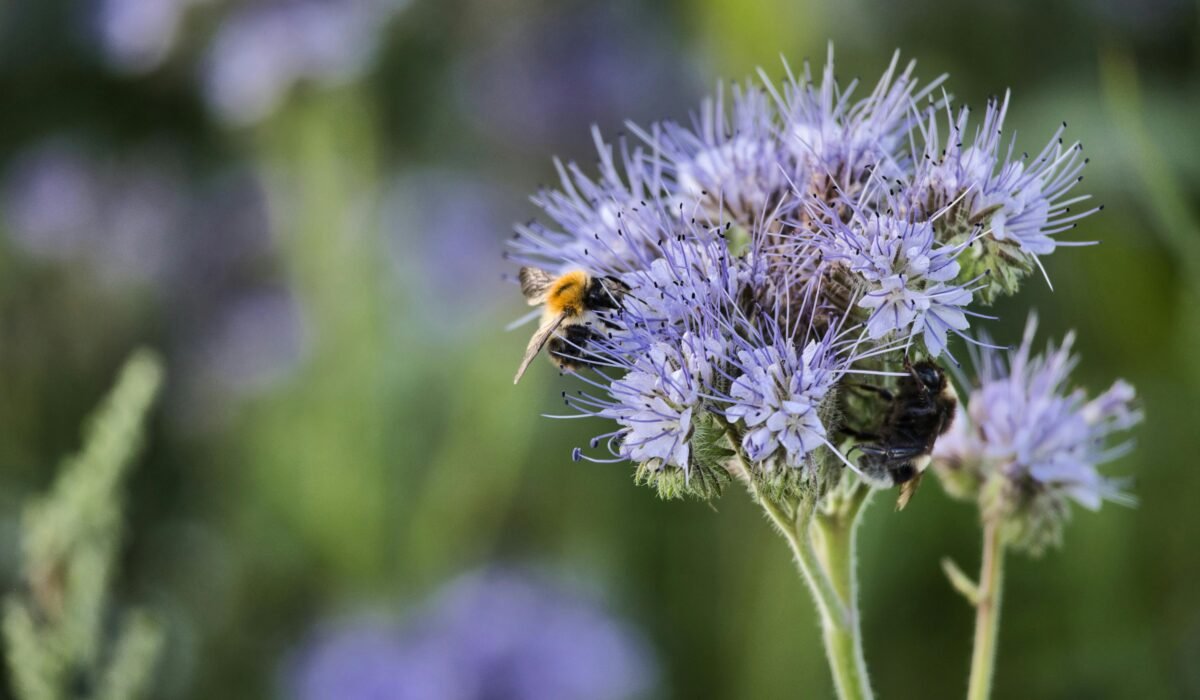
Imagine your garden buzzing with life, a vibrant tapestry of flowers visited by iridescent hummingbirds, delicate butterflies, and industrious bees. This isn’t just a picturesque dream; it’s an achievable reality when you design a Native Pollinator Garden. By choosing plants that have co-evolved with local wildlife, you can transform your outdoor space into a thriving ecosystem, directly supporting the incredible creatures responsible for much of our planet’s biodiversity and food supply.
The beauty of a native garden extends far beyond aesthetics. It’s a powerful act of conservation, providing essential sustenance and shelter for pollinators whose populations are facing unprecedented threats. Ready to discover how to create a haven that’s both stunning and ecologically vital?
Why Native Plants are Essential for Pollinators
Our planet’s pollinators are in crisis. Bees, butterflies, moths, and other vital insects are experiencing significant declines, primarily due to habitat loss, widespread pesticide use, and climate change. A pivotal study revealed that over 22% of native pollinators in North America are at an elevated risk of extinction, with 34.7% of native bee species facing similar threats. This isn’t just an ecological problem; it’s an economic one, as pollinators contribute over $15 billion annually to North American agriculture alone.
Native plants offer a lifeline. Unlike non-native or ornamental species, native plants have developed a symbiotic relationship with local pollinators over thousands of years. This co-evolution means they provide the precise nectar and pollen compositions that local species need for optimal nutrition and reproduction. For example, certain native bees are “specialists,” meaning they can only feed on pollen from specific native plant families.
Beyond food, native plants offer crucial shelter. Many native bees, for instance, nest in hollow stems or bare ground, often found in undisturbed areas of a native garden. Butterflies require specific “host plants” for their caterpillars to feed on before pupating; the Monarch butterfly, for instance, exclusively lays its eggs on native milkweed species. Without these specific plants, these insects cannot complete their life cycles.
Furthermore, native plants are inherently sustainable. They are adapted to your region’s soil, climate, and rainfall patterns, meaning they require significantly less water, fertilizer, and maintenance once established. This makes them an excellent choice for eco-friendly landscaping, reducing your gardening effort while maximizing ecological impact.
Getting Started: Planning Your Native Pollinator Garden
Embarking on your Native Pollinator Garden journey is an exciting step towards enriching your local environment. You don’t need to transform your entire yard overnight; even a small patch can make a big difference. Here’s how to lay the groundwork for a successful pollinator haven.
Choose the Right Location
Most pollinator-friendly plants thrive in full sun, meaning at least 6 hours of direct sunlight per day. Observe your yard throughout the day to identify the sunniest spots. Consider areas protected from strong winds, as pollinators struggle to fly and forage in gusty conditions. A sheltered location can also provide warmth and a place for insects to rest.
Assess Your Soil and Site Conditions
Understanding your soil is fundamental. Is it sandy, loamy, or clay-heavy? Does it drain well, or does water tend to pool? Native plants are adapted to local soil conditions, so choosing species that match your existing soil will minimize the need for amendments. You can get your soil tested or observe how it behaves after a rain. This also applies to moisture levels; some native plants prefer dry conditions, while others thrive in moist soil.
Select Plants with Diverse Bloom Times
To support pollinators year-round, or at least throughout their active seasons, it’s crucial to provide a continuous supply of nectar and pollen. Plan your garden to include plants that bloom in spring, summer, and fall. This ensures that early-emerging bees, summer butterflies, and late-season migrating monarchs always have food available. Think of it as a continuous buffet for your garden’s guests.
Consider Planting in Clusters
Pollinators are more efficient at foraging when flowers of the same species are planted in groups or “drifts,” rather than scattered individually. Large patches of color are easier for them to spot from a distance and allow them to collect more pollen and nectar in one visit, conserving energy. Aim for clusters of at least 3-5 individual plants of the same species.
Provide Water and Shelter
Just like any other wildlife, pollinators need water. A shallow bird bath with stones or marbles for landing spots, or a saucer filled with moist sand, can be an excellent water source. Additionally, consider leaving some bare patches of soil for ground-nesting bees, and leave hollow stems from perennial plants standing over winter to provide shelter for overwintering insects. For more general guidance on setting up your garden, you might find our article on Choosing Your First Garden Location: A Guide helpful.
Top Native Plants for Your Region & Design Tips
The key to a successful Native Pollinator Garden lies in selecting plants that are truly native to your specific geographic area. What thrives in the Northeast might struggle in the Southwest, and vice-versa. Fortunately, numerous resources are available to help you identify the best pollinator friendly plants for your zip code.
Finding Local Native Plant Lists
Organizations like the Xerces Society, National Wildlife Federation, and your local extension offices provide invaluable regional native plant lists. Many state arboretums and botanical gardens also have online databases. These resources often allow you to filter plants by characteristics like light requirements, soil type, and bloom time, making your selection process much easier.
Examples of Widely Recommended Native Plants
While specific recommendations vary by region, some families of native plants are universally beneficial and have regional varieties suitable for most areas:
- Milkweeds (Asclepias spp.): Absolutely essential for Monarch butterflies as their sole host plant. Varieties like Common Milkweed (Asclepias syriaca), Butterfly Milkweed (Asclepias tuberosa), and Swamp Milkweed (Asclepias incarnata) are popular choices depending on your climate and soil moisture.
- Coneflowers (Echinacea purpurea, Rudbeckia hirta): Purple Coneflower and Black-eyed Susan are magnets for a wide array of bees and butterflies, providing both nectar and pollen.
- Wild Bergamot/Bee Balm (Monarda spp.): These tubular flowers are a favorite of long-tongued bees, butterflies, and hummingbirds.
- Asters (Symphyotrichum spp.) & Goldenrods (Solidago spp.): Often blooming in late summer and fall, these provide critical late-season nectar and pollen when other sources are scarce, supporting migrating butterflies and overwintering bees.
- Joe-Pye Weed (Eutrochium fistulosum): A tall, majestic perennial that attracts many types of butterflies and bees.
- Mountain Mint (Pycnanthemum tenuifolium): Despite its unassuming flowers, Mountain Mint is considered one of the most attractive plants to a diversity of pollinators, including many native bee species.
Design Tips for a Thriving Pollinator Habitat
- Layer Your Planting: Mimic natural ecosystems by planting in layers – groundcovers, short perennials, medium-height plants, and taller shrubs or small trees. This provides diverse foraging opportunities and shelter.
- Consider Leaf Texture and Shape: Varying leaf textures and shapes adds visual interest even when plants aren’t in bloom.
- Include Host Plants: Don’t just think about nectar! Research which native plants serve as host plants for local butterfly and moth caterpillars. Remember, a butterfly garden design isn’t complete without food for all life stages.
- Embrace a Little “Mess”: Resist the urge to be overly tidy. Leaving fallen leaves in garden beds provides overwintering habitat for beneficial insects, and allowing some seed heads to stand provides winter food for birds.
- Think Beyond Flowers: Include native grasses and shrubs. Grasses offer nesting material and shelter, while native shrubs can provide early spring nectar, berries for birds, and cover. If you’re considering adding more food-producing plants, our Beginner’s Guide to Abundant Harvests of berry bushes might inspire you.
Nativars vs. Straight Species: Making the Right Choice
As the popularity of wildlife habitat garden design grows, a key discussion has emerged concerning “nativars” versus “straight species” native plants. Understanding the difference is crucial for maximizing your garden’s benefit to pollinators.
What are Nativars?
Nativars are cultivated varieties of native plants. They are typically bred for specific aesthetic traits, such as larger or double flowers, unique foliage colors, compact growth habits, or extended bloom times. While they originate from native species, they have undergone selective breeding by humans.
The Debate: Pollinator Effectiveness
The central question is whether these cultivated traits compromise the plant’s value to pollinators. Recent research, including studies from Oregon State University (December 2024 and February 2025), suggests that while some nativars can still attract pollinators, “straight species” native plants are generally the best choice for supporting a functionally rich bee community. Breeding can sometimes alter floral characteristics like nectar guides, pollen quantity or quality, or flower shape, making them less accessible or appealing to specific native pollinators.
“While cultivars can offer benefits, straight native species are generally the best choice for supporting a functionally rich bee community, as breeding can alter floral traits important to pollinators.” – Oregon State University Research, December 2024
However, other studies (April 2026) indicate that some nativars can still be attractive to a range of pollinators, potentially creating a “bigger tent” for gardeners by offering more aesthetic options while still providing some ecological benefit. The impact often depends on the specific cultivar and the trait that was bred for.
Making Your Choice
When selecting plants for your Native Pollinator Garden, prioritize straight species whenever possible. They offer the most reliable and evolutionarily consistent food and habitat resources. If you choose a nativar, research its specific impact on pollinators. Look for cultivars that haven’t drastically altered the flower’s structure or color, as these are often less detrimental to pollinator interactions. For example, a nativar bred for disease resistance might be preferable to one bred for double flowers, which can make nectar and pollen inaccessible.
Maintaining Your Pollinator Paradise (Pesticide-Free)
Creating a Native Pollinator Garden is just the first step; maintaining it as a pesticide-free haven is equally critical. Chemical pesticides, especially systemic ones like neonicotinoids, can be devastating to pollinators, even if they aren’t directly sprayed on the insects. These chemicals can contaminate pollen and nectar, poisoning foraging bees and butterflies.
Embrace Pesticide Free Gardening
The most important rule for a pollinator garden is simple: avoid all synthetic pesticides, herbicides, and fungicides. Focus on creating a healthy ecosystem where nature can largely manage itself. This means tolerating a little imperfection; a few nibbled leaves are a sign of life, not failure.
Healthy Soil, Healthy Plants
Good soil is the foundation of a resilient garden. Amend your soil with compost to improve its structure, fertility, and water retention. Healthy plants are naturally more resistant to pests and diseases, reducing the need for intervention. Remember that native plants are generally well-adapted to local soils and often don’t require additional fertilizers.
Integrated Pest Management (IPM) without Chemicals
If you encounter pest issues, employ organic and non-toxic strategies:
- Hand-picking: For larger pests like slugs or caterpillars (unless they’re beneficial host plant caterpillars!), simply remove them by hand.
- Hosing off: A strong spray of water can dislodge aphids and spider mites.
- Encourage beneficial insects: Many insects, like ladybugs and lacewings, are natural predators of common garden pests. Your diverse native garden will naturally attract them.
- “Right Plant, Right Place”: Ensure your plants are in conditions they prefer (sun, soil, moisture) to minimize stress, which can make them more susceptible to pests.
- Companion Planting: Some plants naturally deter pests. For instance, strong-smelling herbs can confuse pests.
Watering Wisely
While native plants are drought-tolerant once established, they will need regular watering during their first year. After that, they should thrive on natural rainfall. Overwatering can lead to root rot and other issues. For detailed advice on this, check out our guide on Watering Plants: How Much & How Often for Plant Success.
Minimal “Cleanup”
Resist the urge to “clean up” your garden too much in the fall. Leaving spent plant stalks and leaf litter provides crucial overwintering habitat for many native bees and other beneficial insects. Wait until spring, when temperatures are consistently above 50°F (10°C), before tidying up your beds.
Beyond Your Garden: Community Impact & Resources
Your Native Pollinator Garden is more than just a personal project; it’s a vital contribution to broader pollinator conservation efforts and community well-being. Every garden, no matter its size, adds to a network of habitats that can help reverse pollinator decline.
Creating a “Pollinator Pathway”
Imagine if every garden in your neighborhood included native plants. These individual gardens could connect to form “pollinator pathways,” allowing insects to travel safely and forage across a wider landscape. Community initiatives, like the National Wildlife Federation’s “Pollinators and Produce” program, are already establishing these green corridors in urban areas.
Inspiring Others
Your garden can serve as an educational tool and an inspiration for neighbors, friends, and family. Share your successes, talk about the pollinators you see, and encourage others to plant native. Host a garden tour or simply place a sign indicating your garden is a Certified Wildlife Habitat or a native bee garden.
Valuable Resources for Your Journey
To deepen your understanding and find specific guidance, connect with these authoritative organizations:
- The Xerces Society for Invertebrate Conservation: An invaluable resource for pollinator conservation, offering regional native plant lists, habitat guides, and information on pesticide-free practices.
- National Wildlife Federation (NWF): Their Garden for Wildlife® program helps you certify your garden as a wildlife habitat and provides extensive resources on attracting pollinators.
- USDA PLANTS Database & Lady Bird Johnson Wildflower Center Native Plant Database: Excellent online tools for identifying native plants by region, characteristics, and ecological value.
- Local Native Plant Societies & Extension Offices: These local experts can provide region-specific advice, plant sales, and volunteer opportunities.
By engaging with these resources and sharing your passion, you become part of a larger movement dedicated to protecting our precious pollinators and fostering a healthier planet.
Transforming your garden into a native pollinator paradise is one of the most impactful actions you can take for local wildlife and the environment. From the first planning stages to the joy of observing a buzzing, fluttering ecosystem, every step of creating a Native Pollinator Garden is a rewarding experience. You’re not just planting flowers; you’re cultivating life, contributing to pollinator conservation, and creating a beautiful, sustainable space that benefits us all. Start small, learn as you grow, and watch your garden come alive with the magic of pollinators!







