
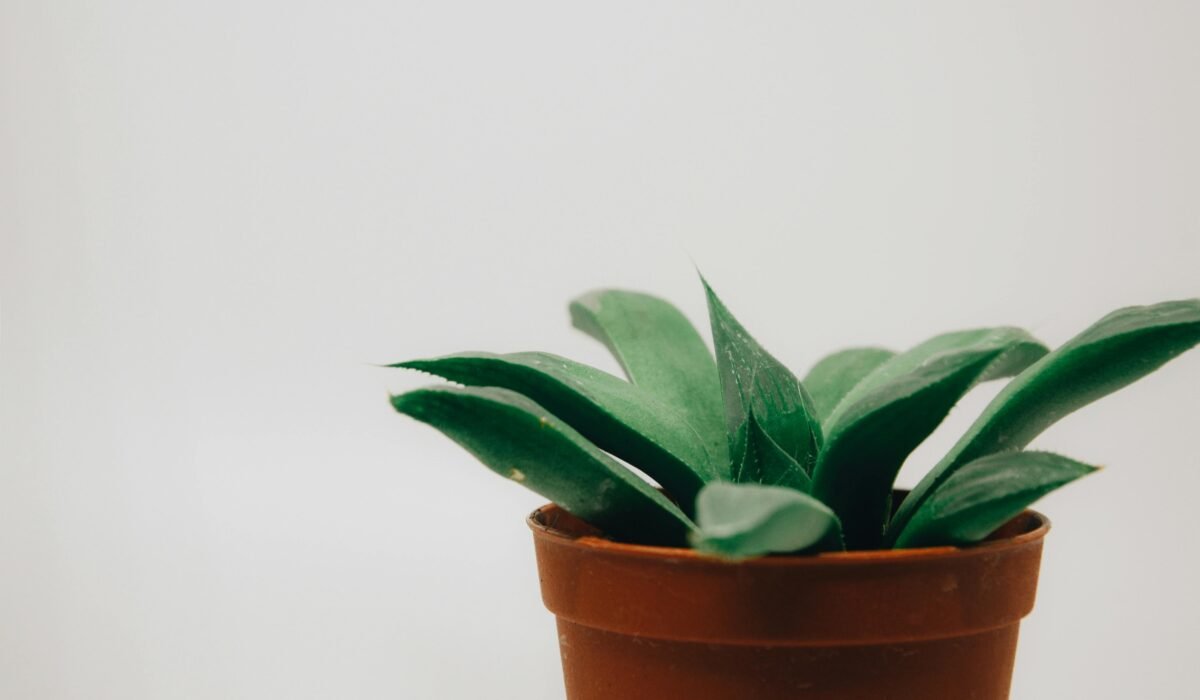
Dreaming of a lush, vibrant home but worried you lack a green thumb? You’re not alone! Many aspiring plant parents hesitate, fearing they’ll doom any plant they bring home. But here’s a secret: cultivating an indoor oasis is far easier than you think, especially when you start with the right choices.
This beginner’s guide is your first step towards transforming your living space with beautiful, resilient foliage. We’ll show you how to choose easy indoor plants that thrive on minimal attention, bringing joy and a touch of nature into your life without the stress.
Why Easy Indoor Plants Are Perfect for Beginners
Bringing nature indoors isn’t just about aesthetics; it’s about creating a healthier, happier living environment. The global indoor plant market, valued at around $20-21 billion in 2025, is booming precisely because people are discovering these profound benefits. For beginners, choosing low maintenance plants means you can enjoy these perks without feeling overwhelmed.
Studies consistently show that interacting with indoor plants can significantly reduce physiological stress markers like cortisol levels, improve mood, and even boost concentration and memory. This connection to nature, known as biophilic design, is a dominant trend for 2025-2026, transforming homes into serene sanctuaries. While the air purification benefits are often overstated for a few household plants, they do absorb some volatile organic compounds (VOCs) and contribute positively to your home’s CO2/O2 balance, enhancing overall well-being. Recent research from the University of Surrey even suggests plants can help raise indoor humidity and boost thermal comfort, making your home more climate-resilient. Starting with beginner houseplants allows you to experience these advantages firsthand, building confidence as you go.
Essential Plant Care Basics for Newbies
Don’t let plant care seem like a daunting mystery. Most common plant problems stem from a few basic misunderstandings. Mastering these fundamentals will set you up for success with your easy indoor plants.
Understanding Light Requirements
Light is arguably the most crucial factor for plant health. Most indoor spaces receive limited natural sunlight, which is why low-light tolerant plants accounted for over 44% of the market share in 2025. You’ll often see light described in these ways:
- Low Light: An area that receives indirect light, far from a window, or only for a few hours. Think a north-facing window or a dim corner.
- Medium Light: Bright indirect light, typically a few feet from a south or west-facing window, or near an east-facing window.
- Bright Indirect Light: A spot near a bright window, but where direct sun rays don’t hit the leaves. This is ideal for many plants.
- Direct Light: Unfiltered sunlight directly hitting the plant, usually from a south or west-facing window.
Assess your home’s light conditions before you buy. For a deeper dive into understanding and utilizing the light in your home, check out our guide on Gardening Sunlight: Essential Guide for Beginner Gardeners.
The Art of Watering
Overwatering is the number one killer of houseplants for beginners. The general rule of thumb for houseplant care is to water when the top inch or two of soil feels dry to the touch. Stick your finger into the soil – if it feels damp, wait a few more days. If it’s dry, it’s time to water.
Ensure your pot has drainage holes so excess water can escape. Water thoroughly until it drips from the bottom, then empty any standing water from the saucer. Remember, plant needs vary by season; they typically need less water in winter when growth slows.
Choosing the Right Pot & Soil
A pot with drainage holes is non-negotiable. Without them, roots sit in stagnant water and rot. Terracotta pots are great for plants that prefer drier soil, as they wick away moisture, while plastic or glazed ceramic pots retain moisture longer. When it comes to soil, a good quality, well-draining potting mix is essential. Consider using peat-free compost, a sustainable choice that’s gaining traction in eco-friendly plant care.
Humidity & Temperature
Most indoor plants prefer average room temperatures between 65-75°F (18-24°C). Avoid placing them near drafty windows, air conditioning vents, or heat registers, which can cause sudden temperature fluctuations. Many tropical plants also appreciate higher humidity. While not always critical for easy varieties, you can boost humidity with a pebble tray, grouping plants, or occasional misting.
Feeding Your Plants
For beginners, less is often more when it comes to fertilizer. Most potting mixes contain enough nutrients for several months. When you do fertilize, use a balanced liquid houseplant fertilizer at half strength during the growing season (spring and summer), typically once a month. Avoid fertilizing in fall and winter when plants are dormant.
Decoding Plant Tags
Every plant comes with a tag for a reason! These small labels provide vital information about light, water, and sometimes humidity requirements. Make it a habit to read them carefully before you buy. For more detailed instructions on understanding these crucial labels, refer to our guide on Understanding Plant Tags: A Beginner’s Guide to Decoding Labels.
Top 10 Easiest Indoor Plants for Beginners
Ready to bring some green into your life? These best indoor plants are renowned for their resilience and forgiving nature, making them perfect beginner houseplants:
- Pothos (Epipremnum aureum): Known as “Devil’s Ivy” because it’s so hard to kill! Pothos tolerates a wide range of light conditions, from low to bright indirect. Its trailing vines look fantastic in hanging baskets or climbing shelves.
- Snake Plant (Sansevieria trifasciata): An absolute superhero for beginners. Snake plants thrive on neglect, tolerating low light, infrequent watering, and a variety of temperatures. Their upright, architectural leaves add a modern touch.
- ZZ Plant (Zamioculcas zamiifolia): Another champion of resilience, the ZZ plant can go weeks without water and tolerates extremely low light. Its waxy, dark green leaves are incredibly attractive and require minimal fuss.
- Spider Plant (Chlorophytum comosum): Famous for its “spiderettes” (baby plants) that dangle from the mother plant, spider plants are easy to grow and propagate. They prefer bright indirect light and consistent watering but are forgiving if you occasionally forget.
- Peace Lily (Spathiphyllum): With its elegant white blooms and dark green foliage, the Peace Lily is a beautiful choice. It tells you exactly when it needs water by dramatically drooping its leaves, perking right back up after a drink. It prefers medium to low light.
- Philodendron (Heartleaf Philodendron – Philodendron hederaceum): Similar to Pothos with its trailing vines and heart-shaped leaves, Philodendrons are incredibly adaptable. They tolerate low light and are very forgiving of inconsistent watering, making them excellent low maintenance plants.
- Chinese Evergreen (Aglaonema): These plants come in a stunning array of colorful and variegated foliage, a major trend for 2026. They are extremely tolerant of low light and can handle some neglect, making them a stylish yet easy choice.
- Jade Plant (Crassula ovata): A classic succulent, the Jade plant is known for its tree-like appearance and thick, glossy leaves. It needs bright indirect light and infrequent watering, as it stores water in its leaves. Overwatering is its only real enemy.
- Aloe Vera (Aloe barbadensis miller): Not only is Aloe Vera an attractive succulent, but its gel also has medicinal properties. It thrives in bright, indirect light and needs very little water, making it a functional and easy addition.
- Cast Iron Plant (Aspidistra elatior): As its name suggests, this plant is incredibly tough. It tolerates deep shade, infrequent watering, and a wide range of temperatures, living up to its reputation as one of the most resilient easy indoor plants.
Also keep an eye out for the Ficus genus, including the classic Rubber Plant (Ficus elastica) and Weeping Fig (Ficus benjamina). Named the “Year of the Ficus” for 2026 by the National Garden Bureau, these varieties are making a strong comeback as reliable and stylish indoor options.
Low-Light Heroes: Plants That Thrive in Shade
Many homes don’t have abundant natural light, especially in interior rooms or apartments with limited windows. But that doesn’t mean you can’t have a thriving indoor garden! The demand for low light plants is soaring, representing over 44% of the market in 2025, precisely because they can flourish where others struggle. These plant heroes are perfect for brightening up dimmer corners:
- Snake Plant (Sansevieria trifasciata): Unbeatable in low light, requiring minimal attention.
- ZZ Plant (Zamioculcas zamiifolia): Almost indestructible, thriving in very low light conditions.
- Cast Iron Plant (Aspidistra elatior): Lives up to its name, tolerating deep shade and neglect.
- Pothos (Epipremnum aureum): Adaptable, it will grow in low light, though its variegation might be less pronounced.
- Heartleaf Philodendron (Philodendron hederaceum): Happy in a range of light, including lower levels.
- Chinese Evergreen (Aglaonema): Known for its vibrant foliage, it’s an excellent choice for shadier spots.
- Peace Lily (Spathiphyllum): Prefers medium to low light and will even bloom in shadier conditions.
These plants prove that even if your home isn’t bathed in sunlight, you can still enjoy the beauty and benefits of indoor plants.
Keeping Pets Safe: Non-Toxic Plant Options
For many plant lovers, the safety of furry friends is a top priority. While many easy indoor plants are harmless, some common varieties can be toxic if ingested by pets. Always do your research, but here are some popular pet friendly plants to consider:
- Spider Plant (Chlorophytum comosum): Completely non-toxic and a favorite for its air-purifying qualities.
- African Violet (Saintpaulia spp.): Beautiful, flowering plants that are safe for cats and dogs.
- Boston Fern (Nephrolepis exaltata): A lush, feathery fern that adds greenery without risk.
- Christmas Cactus (Schlumbergera bridgesii): A festive, flowering succulent that’s safe for pets.
- Areca Palm (Dypsis lutescens): A larger, elegant plant that brings a tropical feel and is pet-friendly.
It’s crucial to note that while plants like Pothos and Peace Lilies are incredibly easy to care for, they are considered toxic to pets due to calcium oxalate crystals, which can cause irritation. If you have these plants, place them out of reach of curious paws and mouths. When in doubt, always consult the ASPCA’s comprehensive list of toxic and non-toxic plants.
Common Plant Problems & Simple Solutions
Even the most low maintenance plants can occasionally show signs of distress. Don’t panic! Most common issues have simple fixes, and learning to read your plant’s signals is a key part of houseplant care.
Yellowing Leaves
This is often the most common sign of trouble for beginner houseplants. Yellowing leaves typically indicate either overwatering or underwatering. Check the soil moisture. If it’s soggy, you’re likely overwatering; let the plant dry out more between waterings. If it’s bone dry, you’re underwatering; give it a good soak. Sometimes, yellowing can also be a sign of nutrient deficiency, but this is less common for new plants in fresh potting mix.
Brown Tips
Crispy, brown leaf tips often point to low humidity, especially in dry indoor environments during winter. You can increase humidity by misting your plant regularly, placing it on a pebble tray filled with water, or grouping plants together. Inconsistent watering can also contribute to brown tips.
Drooping Leaves
Dramatic drooping is usually a cry for water. If the soil is dry, give your plant a thorough watering, and it should perk up within a few hours. However, overwatering can also cause drooping, as roots become waterlogged and can’t supply water to the leaves. Always check the soil moisture before watering.
Pests
Occasionally, you might spot tiny invaders like spider mites, aphids, or mealybugs. For a mild infestation on your easy indoor plants, simply wipe the leaves with a damp cloth or a cotton swab dipped in rubbing alcohol. A gentle spray of insecticidal soap or neem oil can also be effective. Always isolate affected plants to prevent pests from spreading.
Beyond the Basics: Trending & Sustainable Care
As you gain confidence with your easy indoor plants, you might find yourself exploring new trends and more sustainable practices. The world of indoor gardening is constantly evolving, with exciting developments in 2025-2026.
Embracing Biophilic Design
Beyond simply adding a few pots, biophilic design is evolving into creating immersive indoor ecosystems. Think vertical gardens, moss panels, and living walls that seamlessly integrate nature into your home, enhancing well-being and connection to the natural world.
The Allure of Variegated Foliage
While green remains foundational, 2026 sees a heightened interest in plants with pronounced pigmentation and bright hues. Variegated plants, with their distinctive patterns of cream, yellow, mint, or white, remain highly desirable, adding a splash of artistry to your collection. Look for variegated Pothos or Philodendrons to start.
Sustainable Plant Parenting
Eco-conscious plant care is more important than ever. You can contribute by:
- Reusing Pots: Clean and sterilize old pots instead of buying new ones.
- Conserving Water: Collect rainwater for your plants or use a self-watering system to minimize waste.
- Organic Fertilizers: Opt for natural, organic options over synthetic chemicals.
- Peat-Free Compost: Choose potting mixes that don’t contain peat, which is harvested from vital wetland ecosystems.
- Sourcing Responsibly: Buy plants from local nurseries that prioritize sustainable growing practices.
Hydroponic Adventures
For those looking for a clean, soil-free approach, hydroponic growing is a major design trend. Cultivating plants in sleek glass vessels filled with water and nutrients eliminates mess, reduces common pests, and offers a modern aesthetic. If this piques your interest, our guide on Hydroponic Nutrient Solutions: Beginner’s Mixing Guide can help you get started.
Embarking on your journey with easy indoor plants is a rewarding experience that brings beauty, calm, and a sense of accomplishment to your home. By understanding basic plant care tips and choosing resilient varieties, you’re setting yourself up for success. Remember, every plant parent started somewhere, and even experienced gardeners lose a plant now and then—it’s all part of the learning process.
So go ahead, pick out your first easy indoor plant, give it a name, and watch your home transform. The joy of nurturing a living thing and seeing it thrive under your care is truly unparalleled. Which easy indoor plant will you choose to start your green adventure?







