
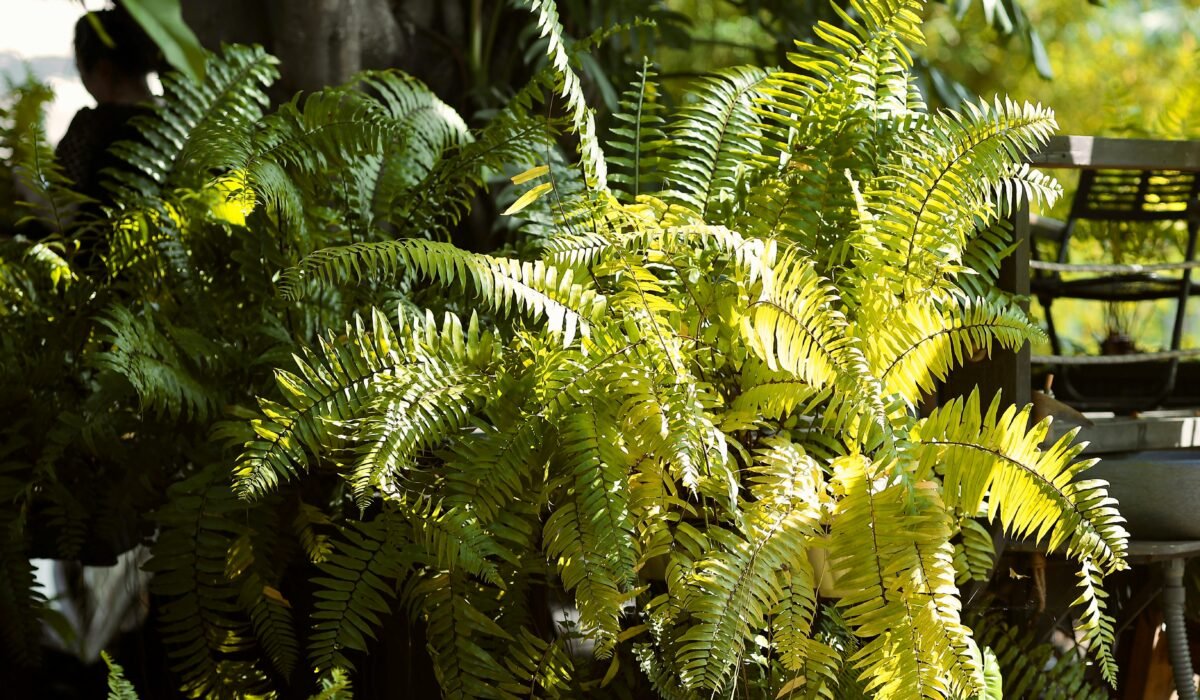
Embarking on your gardening journey is an exciting adventure, filled with the promise of fresh produce and vibrant blooms. Yet, for many beginners, the secret to a thriving garden often feels elusive, hidden in the complex dance between plants and their environment. The truth is, one factor stands above all others as the most fundamental energy source for plant life: sunlight.
Understanding gardening sunlight is not just helpful; it’s absolutely essential. It’s the primary fuel for photosynthesis, the magical process where plants convert light, water, and carbon dioxide into the glucose they need to grow, flower, and produce fruit. Without the right amount of light, even the best soil and watering practices won’t lead to success. This guide will illuminate the path to becoming a sun-savvy gardener, ensuring your green companions flourish.
Understanding Sunlight Categories: Full Sun, Part Shade, & More
When you pick up a plant at the nursery or read a seed packet, you’ll inevitably encounter terms like “full sun” or “part shade.” These aren’t just suggestions; they are critical plant light requirements that dictate where your plant will be happiest. Knowing these categories is the first step to successful placement.
Here’s a breakdown of what these common terms truly mean:
- Full Sun: This means your plant needs at least six hours of direct, unfiltered sunlight daily. Many vegetables, fruits, and flowering plants, like tomatoes and sunflowers, absolutely thrive in these bright conditions. If a plant requires “full sun,” less than six hours will likely result in weak growth and poor yields.
- Part Sun: Plants labeled “part sun” require between three to six hours of direct sun per day. These plants generally prefer the morning sun, which is less intense, and can tolerate some afternoon sun, particularly in cooler climates. They often need a balance of light and some protection from the harshest midday rays.
- Part Shade: Similar to “part sun” in terms of duration (three to six hours of sun daily), “part shade” plants crucially need protection from the intense midday and afternoon sun. Morning sun is usually preferred, as it’s gentler. Think of locations where buildings or trees block the strongest light.
- Dappled Sun: This describes light that is filtered through tree leaves or a light trellis, providing partial sunlight throughout the day. It’s a gentle, shifting light that many understory plants appreciate. This condition is often ideal for plants that prefer “part shade.”
- Full Shade: Despite the name, “full shade” doesn’t mean no light at all. Plants in this category thrive on less than three or four hours of direct sunlight per day, often preferring dappled or indirect light. Even shade-loving plants, such as hostas, still need some light for photosynthesis.
Understanding the nuances between “part sun” and “part shade” is especially important. While both specify 3-6 hours of sun, “part shade” implies a greater need for protection from the intense afternoon sun, which can scorch delicate leaves.
How to Assess Sunlight in Your Garden: Practical Methods
Before you even think about planting, you need to become a detective in your own garden. Accurately assessing the amount of sunlight each area receives is paramount. This isn’t just guesswork; there are practical, hands-on methods you can use to map your garden’s light patterns.
Manual Sun Mapping: Your DIY Guide
The most accessible way to determine your garden’s light profile is through observation and sun mapping. This technique allows you to visually track the sun’s movement and its impact on different areas of your yard.
- Choose a Sunny Day: Pick a typical sunny day during the growing season.
- Divide Your Garden: Mentally or physically divide your garden into sections or beds.
- Hourly Observations: Starting early in the morning (e.g., 7 AM), observe each section. Note down which areas are in direct sun and which are in shade. Repeat this observation every hour or two until late afternoon (e.g., 5 PM).
- Use a Smartphone: Take photos with a timestamp feature at each observation interval. This creates a visual record of how shadows shift throughout the day.
- Draw a Map: Sketch a simple map of your garden. On it, color-code or mark the areas based on the total hours of direct sunlight they receive. This creates a personalized “sun map” for your garden, a vital tool for planning.
This hands-on approach provides excellent insight into your garden’s unique light conditions. Remember that sun mapping techniques are best done multiple times throughout the year to account for seasonal changes.
Using a Garden Light Meter for Precision
For a more precise measurement, especially if you’re serious about optimizing your growing conditions, consider investing in a garden light meter. These devices measure light intensity and can give you a clearer picture than just visual observation.
- Footcandle/Lux Meters: These are affordable and measure the general intensity of light visible to the human eye. While not specific to plant photosynthesis, they offer a good baseline for general light levels.
- PAR Meters (Photosynthetically Active Radiation): For serious gardeners, a PAR meter (like the Apogee Instruments MQ-500) is the gold standard. It measures the specific wavelengths of light (PPFD – Photosynthetic Photon Flux Density) that plants use for photosynthesis. This gives you a highly accurate reading of the light available for plant growth.
Even without a dedicated meter, consistently observing your garden and creating a sun map will give you a strong foundation for understanding your garden’s light profile.
Signs of Too Much or Too Little Sun: Troubleshooting Common Problems
Just like humans, plants respond to their environment, and sunlight is a major influencer. Understanding the visual cues your plants provide can help you troubleshoot problems and adjust their placement to grow healthy plants.
Symptoms of Insufficient Sunlight
If your plants aren’t getting enough light, they’ll often stretch and look sickly as they desperately try to find more. This is a common issue for beginner gardeners.
- Leggy, Spindly Growth: Stems will appear long, thin, and stretched out with sparse leaves. This is the plant’s attempt to “reach” for more light.
- Pale, Yellowing Leaves: Leaves may appear lighter green or yellow (chlorosis), especially on older growth. This indicates a lack of chlorophyll production, which requires light.
- Poor Flowering or Fruiting: Flowering plants may produce very few or no blooms, and fruiting plants will yield small or no fruit. The plant lacks the energy to support these processes.
- Dropping Leaves: Some plants may drop lower leaves in an attempt to conserve energy.
If you observe these signs, consider moving your plant to a brighter location or pruning nearby obstacles that might be casting too much shade.
Symptoms of Excessive Sunlight
While less common for beginner gardeners (who often err on the side of too little sun), too much direct sun can be equally detrimental, especially for plants that prefer shade or during intense heat waves.
- Scorched or Burned Leaves: Leaves may develop brown, crispy spots or edges, particularly on the parts most exposed to the sun. This is essentially sunburn for plants.
- Wilting, Even with Adequate Water: Plants may wilt dramatically during the hottest part of the day, even if the soil is moist. This is a defense mechanism to reduce water loss.
- Stunted Growth: While the plant may not appear leggy, it might simply stop growing or grow very slowly, as it’s constantly stressed by the intense light.
- Fading Leaf Color: The vibrant color of leaves can fade, appearing bleached or washed out due to excessive UV exposure.
For plants showing signs of too much sun, provide some afternoon shade using shade cloth, move them to a more protected spot, or consider planting a taller companion plant to offer some natural cover.
Choosing the Right Plants for Every Light Condition
Once you understand your garden’s light profile and can recognize plant stress, the next crucial step is selecting plants that naturally thrive in those conditions. This matching process is key to a low-stress, high-reward gardening experience.
Full Sun Champions (6+ hours)
These are the sun worshippers, demanding ample direct light to produce their best. Many of your favorite edibles fall into this category.
- Vegetables: Tomatoes, peppers, squash (zucchini, pumpkin), corn, beans, cucumbers, eggplant. These plants need intense energy to produce their bountiful harvests. For more on specific needs, check out our guide on Fruit Varieties for Your Climate.
- Herbs: Basil, rosemary, thyme, oregano, sage. Most Mediterranean herbs love hot, sunny spots.
- Flowers: Marigolds, zinnias, sunflowers, petunias, coneflowers, lavender. These bloom profusely with lots of sun.
Part Sun/Part Shade Favorites (3-6 hours)
These plants appreciate morning sun and some protection from the intense afternoon heat. They are versatile and can bridge the gap between sunny and shady spots.
- Vegetables: Lettuce, spinach, kale, Swiss chard, radishes, carrots. Leafy greens often bolt (go to seed) in full, hot sun.
- Herbs: Mint, cilantro, parsley. These herbs can scorch in full, intense sun. Our article on Herbs for Companion Planting offers more insights into their placement.
- Flowers & Ornamentals: Astilbe, impatiens (some varieties), fuchsias, rhododendrons, azaleas, primrose. Many of these offer vibrant color in less-than-full-sun spots.
Thriving in Full Shade (Less than 3-4 hours)
Don’t despair if you have a shady garden! Many beautiful plants flourish in these conditions, bringing lushness and texture to darker corners.
- Foliage Plants: Hostas, ferns (maidenhair, cinnamon, Japanese painted), coral bells (Heuchera). These plants are prized for their stunning leaves.
- Flowers: Bleeding hearts, hellebores (Lenten rose), some varieties of hydrangeas, lily of the valley. These provide delicate blooms in shaded areas. For more inspiration, see our guide to Year-Round Perennial Flowers.
Always check plant tags or reliable sources for specific full sun plants or part shade plants before purchasing. Matching the plant to its ideal light condition is one of the most fundamental steps to gardening success.
Seasonal Sunlight Changes & Their Impact on Your Garden
A common mistake beginner gardeners make is assuming sunlight patterns remain constant. The truth is, the sun’s path across the sky changes dramatically throughout the year, impacting both the duration and intensity of light your garden receives. What was a full-sun spot in June might be part-shade in October.
Consider these factors:
- Sun Angle: In summer, the sun is high in the sky, providing direct light for longer periods. In winter, the sun is lower, casting longer shadows and delivering less direct light.
- Day Length: Days are longest in summer, giving plants more hours of light. They shorten significantly in winter, reducing overall light exposure.
- Tree Foliage: Deciduous trees offer dappled shade in summer when they are in full leaf, but allow full sun to penetrate in winter once their leaves have fallen. This can drastically alter light conditions.
- Intensity: The intensity of sunlight varies. Morning sun is generally less intense and cooler than the hot afternoon sun, especially in warmer climates. Plants that prefer “part shade” benefit greatly from morning sun.
It’s a good practice to re-evaluate your garden’s sun exposure at least twice a year, perhaps in spring and fall, to account for these shifts. You might find certain spots become ideal for cool-season crops in spring and fall, but too hot for them in summer.
Leveraging Smart Tools for Optimal Plant Light
While traditional observation methods are invaluable, the world of gardening is increasingly embracing technology. For beginners looking to gain a deeper understanding and optimize their plant light, smart tools can provide crucial data and insights.
Advanced Light Meters
Beyond basic footcandle meters, professional-grade light meters are becoming more accessible and are fantastic for precise light assessment:
- PAR Meters (Photosynthetically Active Radiation): As mentioned earlier, devices like the Apogee Instruments MQ-500 or Hydrofarm LGBQM measure the light spectrum that plants actually use for photosynthesis (PPFD). This is far more accurate than general light meters and helps prevent both under- and over-lighting. While an investment, a good garden light meter that measures PAR can transform your understanding of your plants’ needs.
- UV Index Monitors: Some smart weather stations, like the AcuRite Atlas, can monitor UV index and light intensity, providing a broader environmental picture.
Smart Plant Monitoring Systems
These systems are a game-changer for beginners, offering real-time data directly to your smartphone:
- Integrated Sensors: Smart plant sensors typically measure soil moisture, temperature, pH levels, and, crucially, light intensity. They can alert you if conditions are suboptimal.
- Actionable Insights: Many systems offer recommendations based on the plant type you’ve selected, taking the guesswork out of care.
Smartphone Apps & Online Calculators
Your smartphone can be a powerful tool for sun mapping and planning:
- Sun Tracking Apps: Apps that use your phone’s camera and GPS can visualize the sun’s path throughout the day and year, helping you predict shadows and light exposure.
- Online Sun Calculators: Websites like SunCalc provide an easy way to visualize sun paths and shadow lengths for any location and time of year, helping you plan garden layouts even before you step outside.
While not strictly necessary, these tools can significantly enhance your understanding of gardening sunlight, allowing you to make more informed decisions and provide the best possible environment for your plants.
Mastering the art of understanding gardening sunlight is perhaps the most foundational skill a beginner gardener can acquire. It’s the difference between struggling plants and a thriving oasis. By learning to identify light categories, meticulously assessing your garden’s unique sun patterns, recognizing signs of plant stress, and selecting appropriate plants, you empower yourself to create a flourishing green space.
Don’t be intimidated; start small with observation. Your journey to successful beginner plant care begins with looking up at the sky. So, grab a notebook, step outside, and start mapping your garden’s light today. Your plants will thank you with vigorous growth, abundant harvests, and beautiful blooms!







