Are you looking for effective ways to protect your beloved plants from invaders without resorting to harsh chemicals? Mastering organic pest control for gardens is not just about reacting to problems; it’s about cultivating a thriving, resilient ecosystem that naturally deters pests and supports healthy growth. This comprehensive guide will equip you with natural, proven strategies to keep your garden vibrant and pest-free, allowing you to enjoy a bountiful harvest.
Why Choose Organic Pest Control for Your Garden?
Opting for organic pest control offers significant benefits beyond simply eliminating unwanted critters. You’re choosing a path that safeguards your health, protects the environment, and fosters a more robust garden ecosystem. This approach avoids synthetic pesticides, which can harm beneficial insects, contaminate soil and water, and even pose risks to your family and pets.
The real beauty of organic gardening lies in its holistic philosophy. As Wendell Berry eloquently put it, “A person who is growing a garden, if he is growing it organically, is improving a piece of the world.” You’re not just growing food; you’re actively contributing to a healthier planet, embracing sustainable practices that enrich your soil and support biodiversity. This commitment to USDA National Organic Program standards ensures a natural balance, making your garden a safer place for everyone.
Building a Resilient Garden Ecosystem: Prevention is Key
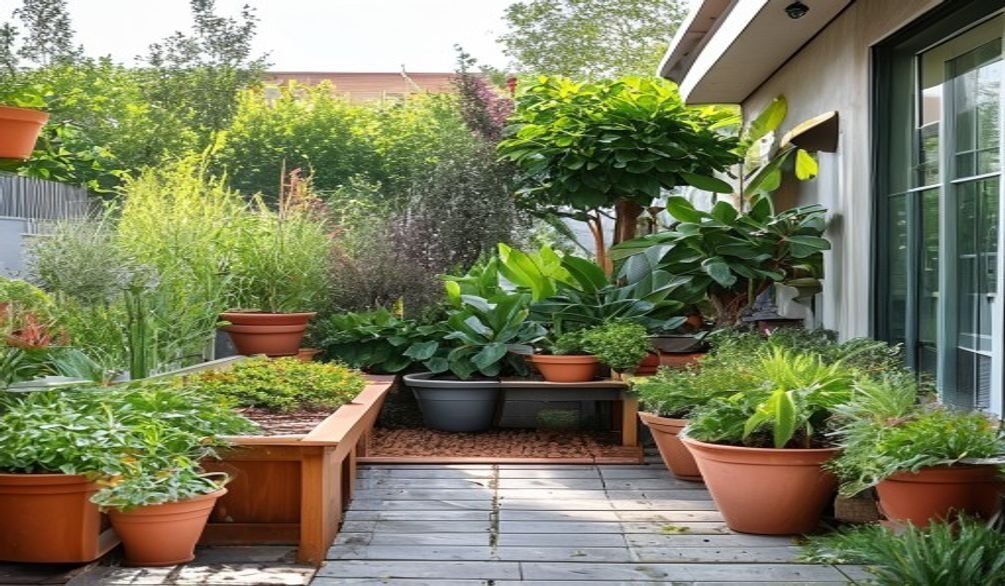
The most effective organic pest control begins long before pests become a problem. Creating a healthy, balanced garden ecosystem is your first and best line of defense. Think of it as inviting the good guys to outnumber the bad guys, naturally.
Cultivating Healthy Soil and Plants
Strong, healthy plants are naturally more resistant to pests and diseases. Focus on enriching your soil with organic matter, like compost, which improves drainage, aeration, and nutrient availability. Proper watering and adequate sunlight also play crucial roles in plant vigor, helping them withstand stress that might otherwise attract pests.
Attracting Beneficial Insects for Pest Control
Many insects are your allies, not your enemies. In fact, according to the University of Minnesota, less than 1% of insect species are harmful, emphasizing the importance of learning garden pest identification. Ladybugs devour aphids, lacewings prey on a variety of soft-bodied insects, and parasitic wasps target caterpillars. You can attract these helpful predators by planting a diverse array of flowers, herbs, and native plants that provide nectar, pollen, and shelter. Consider adding plants like dill, cilantro, cosmos, and sweet alyssum to your garden to create a welcoming habitat for these natural bug controllers.
Companion Planting Pest Control
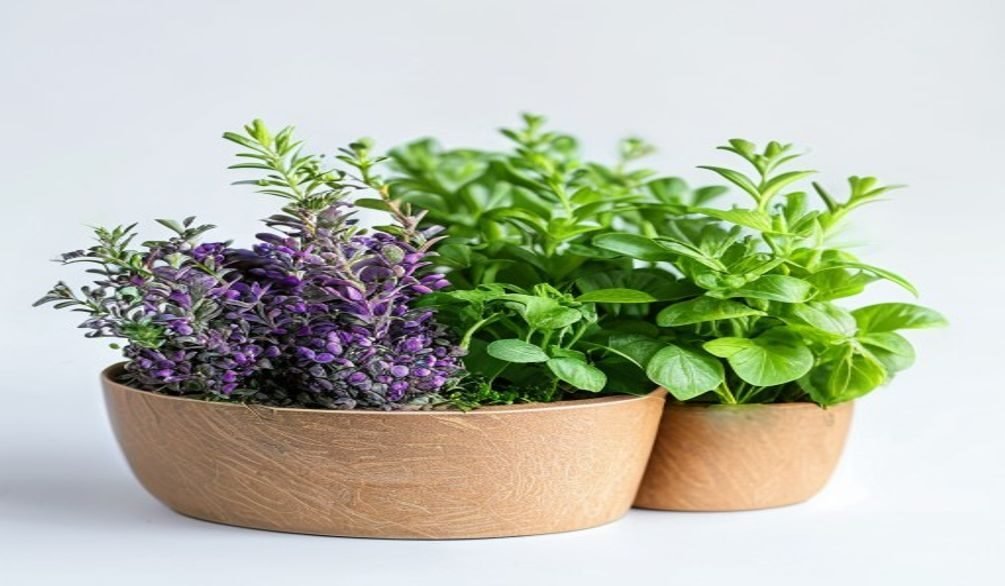
Strategic companion planting is a time-honored organic pest prevention technique. Certain plants can deter pests, attract beneficial insects, or even improve the growth of nearby plants. For example, marigolds are known to repel nematodes and other pests, while basil can help protect tomatoes from hornworms. Planting garlic or chives near roses can deter aphids. This is a simple, effective way to use nature’s own defenses. If you want to learn more, check out our Organic Companion Planting Guide: Boost Garden Health.
What are the Most Effective Organic Pest Control Methods?
Even with excellent preventative measures, pests can sometimes make an unwelcome appearance. When they do, a range of natural pest control methods can address the issue without resorting to synthetic chemicals. These methods are often categorized into cultural, mechanical, biological, and organic chemical controls.
Mechanical and Physical Controls
These methods involve direct intervention. Handpicking is surprisingly effective for larger pests like slugs, tomato hornworms, and squash bugs. A Mother Earth News survey reported an 87 percent success rate for handpicking slugs, showing how powerful this simple technique can be. Another great option is using row covers, which are lightweight fabrics placed over plants to create a physical barrier against flying insects like cabbage moths and cucumber beetles. For cabbageworms, 82 percent of gardeners found row covers effective in the same survey.
Biological Controls: Unleashing Nature’s Army
Beyond attracting beneficial insects, you can introduce them directly to your garden to combat specific pest problems. Ladybugs, lacewings, and predatory mites are commercially available and can be released to target aphids, spider mites, and other soft-bodied pests. This is a powerful form of eco-friendly pest management that harnesses natural predator-prey relationships.
Organic Pesticides: Targeted Natural Solutions
When prevention and mechanical methods aren’t enough, several organic pesticides offer effective control. These are derived from natural sources and break down quickly in the environment.
- Neem Oil for Garden Pests: Derived from the neem tree, neem oil acts as an antifeedant, repellent, and growth disruptor for a wide range of pests, including aphids, whiteflies, and spider mites. It’s also effective against some fungal diseases.
- Diatomaceous Earth Uses: This fine powder is made from fossilized diatoms. When insects with exoskeletons (like slugs, earwigs, and ants) crawl over it, the microscopic sharp edges abrade their waxy coating, causing dehydration. The Mother Earth News survey found diatomaceous earth to be 84 percent effective against slugs.
- Bacillus thuringiensis (Bt): A naturally occurring soil bacterium, Bt is highly specific, targeting only the larvae of certain insects, primarily caterpillars (like cabbageworms and tomato hornworms). It’s harmless to humans, pets, and beneficial insects. 95 percent of gardeners found Bt effective against cabbageworms.
- Insecticidal Soaps: These soaps work by dissolving the protective outer layer of soft-bodied insects, leading to dehydration. They are effective against aphids, mealybugs, and spider mites, and pose minimal risk to beneficial insects once dry.
- Spinosad: A natural fermentation product of a soil bacterium, spinosad is effective against thrips, caterpillars, leaf miners, and some beetles. It has a relatively low impact on beneficial insects after it dries.
How to Apply Organic Solutions for Maximum Impact
Knowing which organic solutions to use is only half the battle; proper application and timing are crucial for success. Incorrect application can reduce effectiveness or even harm beneficial organisms.
For sprays like neem oil for garden pests or insecticidal soaps, always apply them late in the evenings. This is crucial because it allows the solution to work on target pests while minimizing exposure to beneficial insects and pollinators that are active during the day. It also prevents leaf burn that can occur if sprays are applied in direct sunlight. Ensure thorough coverage, reaching both the tops and undersides of leaves, where many pests hide and lay eggs.
When using diatomaceous earth uses, apply it when plants are dry, as moisture reduces its effectiveness. Sprinkle a fine layer directly onto foliage or create a barrier around susceptible plants. For slug control, creating a perimeter of DE around your garden beds can be highly effective. Remember, the key to success with any organic treatment is often persistence and consistent application according to product instructions.
Targeting Common Garden Invaders Organically
Understanding your enemy is paramount in any pest control strategy. Different pests require different approaches. Let’s look at some of the most bothersome garden invaders and how to tackle them organically.
Slugs and Snails
The Mother Earth News survey identified garden slugs as the most bothersome pest, affecting 55 percent of respondents. For effective slug control organic methods, handpicking at dusk or dawn is highly successful, with 87 percent of gardeners reporting success. You can also set beer traps, create barriers of diatomaceous earth or crushed eggshells, or use iron phosphate baits, which are safe for pets and wildlife and were 86 percent effective in the survey.
Aphids
These tiny, soft-bodied insects suck sap from plants, causing distorted growth and sticky honeydew. Aphids were reported by 50 percent of gardeners in the survey. For aphid control organic methods, a strong spray of water can dislodge them. Insecticidal soap sprays or neem oil are very effective. Introducing beneficial insects like ladybugs and lacewings is also a powerful long-term strategy, as these predators are voracious aphid eaters.
Squash Bugs and Cabbageworms
Squash bugs plagued 51 percent of gardeners, while cabbageworms are also common. For squash bugs, handpicking adults and eggs is essential. Row covers can prevent adults from laying eggs. For cabbageworms (the larvae of cabbage white butterflies), Bacillus thuringiensis (Bt) is incredibly effective, showing a 95 percent success rate. You can also use row covers to prevent the butterflies from laying eggs on your brassicas.
DIY Organic Pest Control Recipes for Your Plants
Many effective organic pest solutions can be made right in your kitchen, offering a cost-effective and immediate response to pest issues. These homemade pest spray recipes are simple to prepare and utilize common household ingredients.
Here are a few popular and effective DIY organic pest control recipes:
- Garlic and Chili Pepper Spray: This powerful concoction acts as a natural bug repellent plants often appreciate.
- Blend 1-2 whole garlic bulbs and 1-2 hot chili peppers (or 1 tablespoon of cayenne pepper powder) with 1 quart of water.
- Let it sit overnight, then strain the mixture through a cheesecloth.
- Add 1 teaspoon of biodegradable liquid dish soap (as an emulsifier).
- Dilute 1 part concentrate with 10 parts water before spraying on affected plants.
- Dish Soap Spray: A simple yet effective organic bug spray recipe for soft-bodied pests.
- Mix 1-2 tablespoons of mild liquid dish soap (avoid harsh detergents) with 1 quart of water.
- Spray directly onto aphids, spider mites, and mealybugs, ensuring good coverage.
- The soap breaks down their protective outer layer, leading to dehydration.
- Neem Oil Emulsion: For a more potent, broad-spectrum organic solution.
- Mix 1-2 tablespoons of 100% cold-pressed neem oil with 1 teaspoon of mild liquid dish soap.
- Slowly add 1 gallon of warm water, stirring constantly to emulsify.
- Use immediately, spraying all parts of affected plants.
- This mixture is effective against a wide range of pests and some fungal issues.
Always test any DIY spray on a small section of your plant first to ensure there’s no adverse reaction before treating the entire plant. Adjusting concentration based on plant sensitivity is a smart move.
Troubleshooting Persistent Pests: Advanced IPM Strategies
What happens when your initial organic efforts don’t quite solve the problem? Persistent pest issues often signal a deeper imbalance in your garden, requiring a more nuanced approach. This is where IPM strategies garden applications truly shine.
Integrated Pest Management (IPM) isn’t just about using organic methods; it’s a comprehensive, multi-faceted strategy that prioritizes prevention and observation, only resorting to treatments when necessary. As Kaci Buhl of Oregon State University Extension Service advises, “If you realize you’ve put out the ‘welcome mat’ for pests, figure out what it is and remove it.” This means stepping back and asking why the pests are thriving. Are your plants stressed? Is there too much moisture? Are you over-fertilizing with nitrogen, which can attract aphids?
If you find yourself repeatedly applying the same organic pesticide without lasting success, it’s time to switch tactics. Buhl notes, “If you’re in a situation where you have to apply an organic pesticide over and over again, it’s time to switch… Try a different pesticide that’s labeled for your problem. Something just a little different could be just the ticket.” This could mean rotating between neem oil and insecticidal soap, or introducing beneficial nematodes for soil-dwelling pests. Combining methods, such as handpicking followed by a targeted organic spray and then introducing beneficial insects, often yields the best results for stubborn infestations.
Creating a Pest-Free Garden: Long-Term Organic Success
Achieving a truly pest-free garden isn’t about eradication; it’s about establishing a resilient, self-regulating ecosystem. The journey of organic pest control for gardens is continuous, requiring observation, adaptation, and a deep understanding of your garden’s unique dynamics. By focusing on prevention, fostering biodiversity, and using targeted organic solutions when necessary, you empower your garden to defend itself.
Remember, a healthy garden is a diverse garden. Embrace the idea that some insects are part of the natural balance, and not every bug needs to be eliminated. Your commitment to organic practices not only ensures a bountiful harvest but also contributes to a healthier environment for all. Over 80% of homes in the U.S. have a garden, proving that this collective effort can make a significant difference.
Frequently Asked Questions
What is the best organic pest control for vegetable gardens?
The best organic pest control for vegetable gardens involves a multi-pronged approach starting with prevention. This includes building healthy soil, companion planting, attracting beneficial insects, and using physical barriers like row covers. For active infestations, targeted organic sprays like neem oil or insecticidal soap, and biological controls like Bt for caterpillars, are highly effective and safe for edibles.
How do you make organic pest control for plants?
You can make organic pest control for plants using simple household ingredients. A common method is mixing 1-2 tablespoons of mild liquid dish soap with 1 quart of water to create an insecticidal soap spray for soft-bodied pests. Another effective DIY recipe involves blending garlic and chili peppers with water, straining, and adding a touch of soap, which acts as a powerful repellent.
What is a natural bug and pest repellent for plants?
Natural bug and pest repellents for plants often come from aromatic herbs and flowers. Marigolds, basil, mint, rosemary, and garlic are excellent choices for companion planting, as their strong scents deter many common garden pests. Sprays made from garlic, chili peppers, or even essential oils like peppermint or eucalyptus diluted in water can also serve as effective natural repellents.
What are the 5 organic methods of pest control?
The five primary organic methods of pest control include: 1) **Cultural Controls** (e.g., healthy soil, proper watering, crop rotation), 2) **Mechanical/Physical Controls** (e.g., handpicking, row covers, traps), 3) **Biological Controls** (e.g., introducing beneficial insects, promoting natural predators), 4) **Botanical Pesticides** (e.g., neem oil, pyrethrin, rotenone derived from plants), and 5) **Mineral-Based Pesticides** (e.g., diatomaceous earth, sulfur, insecticidal soaps).
By implementing these organic solutions and embracing a holistic approach, you can create a vibrant, healthy garden that thrives naturally. Start small, observe your plants, and watch your garden flourish without the need for synthetic chemicals.