Thinking about creating a garden that engages more than just your eyes? You’re in the right place to learn how to design a sensory herb garden that awakens sight, smell, and touch. This guide will walk you through the practical steps and inspiring plant choices to craft a truly immersive and therapeutic outdoor space.
What is a Sensory Herb Garden?
A sensory herb garden is a specially designed space where you cultivate herbs chosen for their ability to stimulate multiple senses, particularly sight, smell, and touch. Unlike a purely aesthetic garden, the focus here is on interaction and experience, making it a rich environment for exploration and relaxation.
These unique gardens leverage the natural attributes of various sensory garden plants to offer a dynamic and engaging experience. They often incorporate thoughtful garden design principles to maximize accessibility and enjoyment for everyone, regardless of age or ability, enhancing their therapeutic benefits.
Why Create a Sensory Herb Garden?
Beyond their culinary uses, herbs offer profound benefits when intentionally grown in a sensory setting. Creating a sensory herb garden provides a host of advantages for both mental and physical well-being, transforming a simple patch of green into a source of rejuvenation.
New research, including studies by Elbasyoni et al. (2023) and Pouya et al. (2024), is actively exploring how various populations benefit from sensory experiences in garden settings. These findings underscore the growing scientific interest in the positive impact of such spaces. Gardening, including tending to a sensory garden, has been shown to promote physical movement, offer cognitive challenges, and create opportunities for social participation, as highlighted in a 2016 study on Scandinavian therapy gardens.
The benefits of a sensory herb garden extend to stress reduction, improved focus, and a deeper connection with nature. It’s not just about growing plants; it’s about cultivating an experience that nurtures the soul. This makes them a significant gardening trend, appearing in “10 Garden Trends To Follow In 2024” and “7 Hot Gardening Trends for 2025,” signaling increasing public and industry interest.
Designing Your Sensory Herb Garden Layout
The success of your sensory herb garden hinges on thoughtful planning and layout, ensuring every element contributes to an immersive experience. This is where practical garden design principles meet the unique needs of a sensory space, making it both beautiful and functional.
Key Garden Design Principles
Accessibility is paramount in a sensory garden. As garden design specialist Lee Burkhill states, “If people can’t physically access and interact with your sensory garden, you’ve fundamentally failed at sensory garden design.” This means prioritizing wide, smooth pathways—ideally 60 inches (152 cm) wide for wheelchair access—and incorporating raised beds or containers to bring plants within easy reach. The Sensory Trust emphasizes these key design principles for robust, accessible spaces that can be enjoyed by the widest range of people.
Consider the flow of your garden, guiding visitors through different sensory zones. Think about where sunlight falls throughout the day, how water drains, and how plants will grow and interact. Creating an accessible herb garden design ensures everyone can experience its wonders.
Planning for Optimal Sensory Engagement
Strategically place herbs to encourage interaction. Aromatic herbs should be near pathways where they can be brushed, releasing their fragrance. Tactile plants should be easily reachable for touch. Visual interest herbs can anchor different areas, drawing the eye and providing focal points. What most people miss is that proximity to seating areas can also enhance the experience, allowing for prolonged engagement with the garden’s sensory offerings.
Herbs for Sight: A Feast for the Eyes
While often celebrated for their scent and flavor, many herbs offer incredible visual appeal, adding color, texture, and form to your garden. Selecting visual interest herbs goes beyond just green foliage, allowing for a truly dynamic display.
Visual Interest Herbs with Unique Foliage
- Variegated Thyme (Thymus vulgaris ‘Argenteus’): This variety features delicate green leaves edged with silver, offering a subtle shimmer and bright contrast, especially when planted alongside darker foliage.
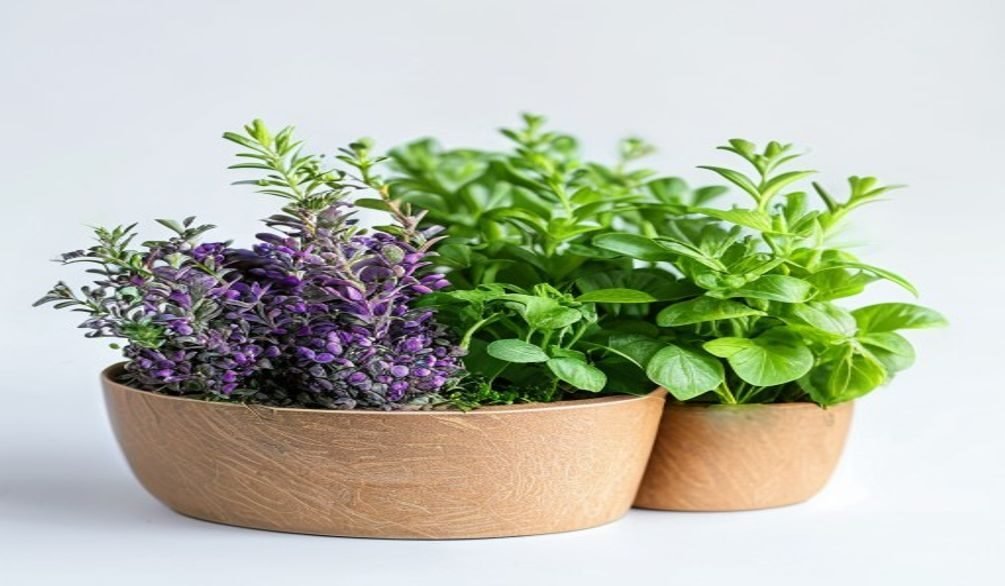
- Purple Basil (Ocimum basilicum ‘Purpurascens’): With its deep, glossy purple leaves, purple basil provides a dramatic pop of color, standing out beautifully against lighter green herbs. It’s a stunning edible ornamental.
- Rue (Ruta graveolens): The distinctive blue-green, finely divided foliage of Rue creates a soft, almost ethereal texture, providing a cool visual tone in your herb garden.
- Golden Oregano (Origanum vulgare ‘Aureum’): Bright yellow-green leaves offer a sunny disposition and can lighten up shadier spots or create vibrant contrasts.
These plant recommendations ensure your garden provides a continuous feast for the eyes, even when flowers are not in bloom.
Herbs for Striking Blooms and Seed Heads
Don’t overlook the beauty of herb flowers and their subsequent seed heads. Chives, for instance, produce charming purple globe-like flowers in spring, while Borage boasts vibrant blue, star-shaped blossoms that are edible and attractive to pollinators. The Cosby Community Library’s sensory garden included herbs, grasses, and flowering plants to attract insects and birds, enhancing visual interest and drawing wildlife.
Later in the season, the feathery foliage and interesting seed heads of dill and fennel provide architectural interest. Consider contrasting colors, such as white flowers against red-leaved shrubs (if you incorporate non-herbs, though focusing on herbs here) to create visual impact, especially important for those with visual impairments.
Herbs for Smell: Aromatic Delights
The sense of smell is powerfully linked to memory and emotion, making aromatic herbs essential for a truly immersive sensory garden. These plants release their distinctive fragrances through touch, heat, or simply by growing, offering a continuous olfactory journey.
Classic Fragrant Herbs for Immediate Impact
For immediate and recognizable scents, incorporate these fragrant herbs list staples:
- Lavender (Lavandula angustifolia): Its unmistakable calming floral scent is released when brushed, and its purple spikes are visually appealing. If you’re looking to grow this popular herb, our guide on How to Grow Lavender provides complete instructions.
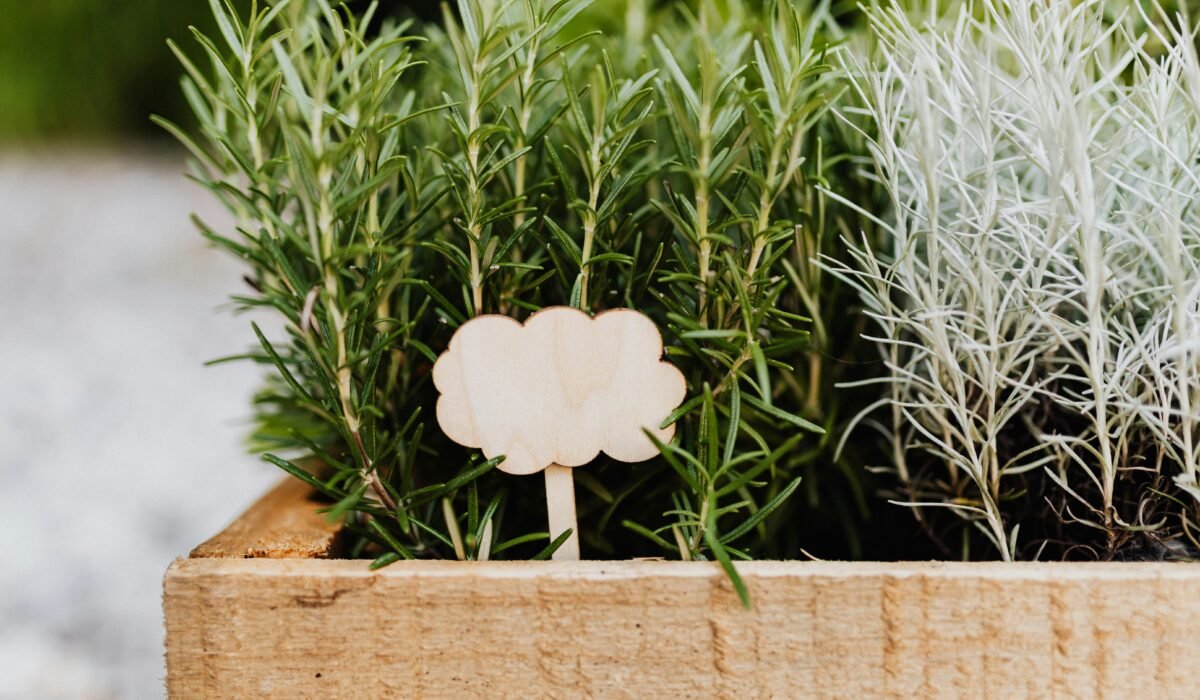
- Rosemary (Rosmarinus officinalis): A robust, piney fragrance that invigorates the senses, especially potent when the needles are crushed.
- Mint Varieties (Mentha spp.): From the cool burst of peppermint to the sweet notes of chocolate mint or the zesty aroma of lemon balm, mints offer a diverse palette of refreshing scents that are easily released with a gentle touch.
These classic choices form the backbone of any aromatic garden, providing reliable and beloved fragrances.
Subtle Scents and Release Mechanisms
Some herbs offer more nuanced or conditional fragrances. Bay Leaf (Laurus nobilis) releases a rich, slightly spicy aroma when its smooth, leathery leaves are crushed. Sweet Marjoram (Origanum majorana) offers a delicate, warm, and slightly floral scent that becomes more pronounced in warm weather. Even common Thyme (Thymus vulgaris), when planted along a path and occasionally trodden upon, releases its earthy, herbaceous perfume. What most people miss is that pairing these with more potent herbs creates layers of scent, inviting closer inspection and deeper engagement.
Herbs for Touch: Textural Treasures
The tactile experience of an herb garden is often overlooked but profoundly rewarding. Incorporating tactile plants with varied textures encourages interaction, inviting visitors to reach out and feel the diversity of nature.
Fuzzy, Velvety, and Soft Herbs
For an inviting, soft touch, consider these herbs:
- Lamb’s Ear (Stachys byzantina): This is perhaps the most famous tactile plant, known for its incredibly soft, fuzzy, silver-green leaves that feel like velvet. Hilton Carter, a plant specialist, specifically includes Lamb’s Ear in his sensory garden for its tactile experience.
- Sage (Salvia officinalis): Many varieties of sage have slightly fuzzy, textured leaves that are firm yet soft to the touch, often with a pebbled surface that adds interest.
- Mullein (Verbascum thapsus): While not a culinary herb, its large, woolly leaves are exceptionally soft and a delight to touch, making it an excellent choice for a sensory garden if space allows.
These plants provide a comforting and intriguing sensation, inviting gentle exploration.
Smooth, Prickly, and Firm Textures
To create a truly diverse tactile experience, include herbs with contrasting textures:
- Bay Leaf (Laurus nobilis): Its leaves are smooth, firm, and leathery, offering a sleek contrast to fuzzy plants.
- Rosemary (Rosmarinus officinalis): The needles of rosemary are firm and slightly prickly, providing a distinct, invigorating sensation when run through the fingers.
- Yarrow (Achillea millefolium): While its flowers are stiff, the finely dissected foliage of yarrow is surprisingly soft and feathery, offering a dual tactile experience.
Incorporating smooth stones or other natural elements, as Hilton Carter did with a water-rock scene, can further enhance the textural variety. Remember, the goal is to create a rich tapestry of sensations that engage and delight.
Creating Sensory Zones in Small Herb Gardens
Even if you have limited space, you can still design a sensory herb garden that offers a wealth of experiences. The key is strategic planning and utilizing verticality or contained spaces to maximize impact. This is particularly relevant for those looking for a small sensory herb garden.
Designing with Raised Beds and Containers
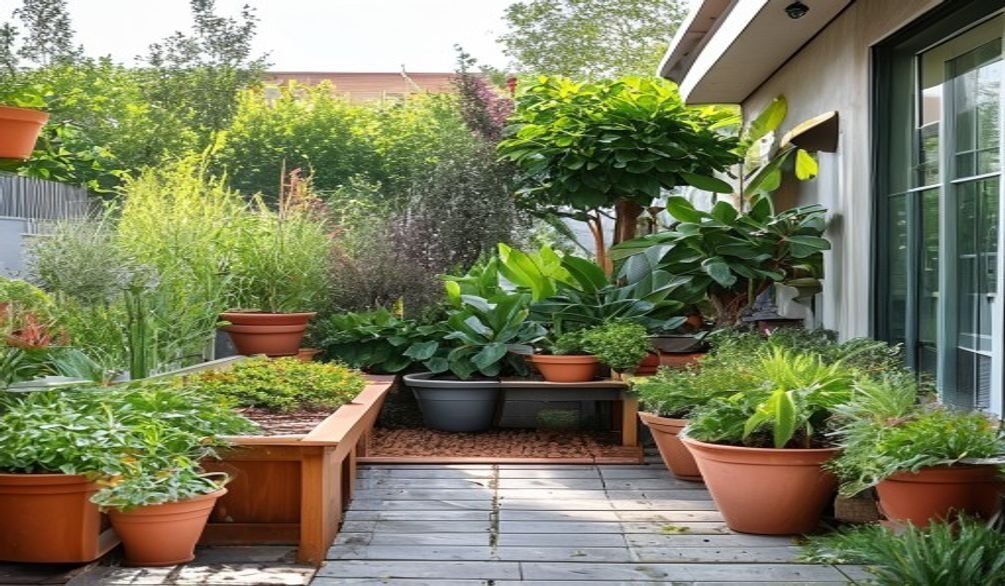
Raised beds are ideal for creating an accessible garden, bringing plants up to a comfortable height for all users. They also allow for better control over soil conditions and drainage. For those wondering how to design a sensory herb garden efficiently in tight spots, containers offer incredible flexibility.
You can group containers by sensory theme, creating modular “sensory zones.” For instance, a cluster of pots with Lamb’s Ear, Peppermint, and a smooth stone could form a dedicated “touch and sniff” corner. This approach also allows you to easily move plants to optimize sunlight or bring them closer for interaction. University of Illinois Extension provides valuable resources on container gardening techniques.
Themed Sensory Corners
In practice, dedicating specific corners or sections to distinct sensory experiences can be incredibly effective. Consider:
- The “Touch & Sniff” Nook: Plant fuzzy Lamb’s Ear, fragrant Rosemary, and a variety of mints here. Position it near a bench or pathway so visitors can easily reach and interact with the plants.
- The “Visual Delight” Border: Showcase Purple Basil, variegated thymes, and chives for their contrasting colors and forms. Add a few smooth, colorful pebbles at the edge to catch the eye.
- The “Culinary & Sensory” Zone: Group herbs like Bay Leaf, Sage, and Dill that offer both tactile and aromatic qualities, and are also easily accessible for harvesting, blending utility with sensory pleasure.
This approach transforms a simple herb patch into an engaging and accessible experience, demonstrating how to build raised herb garden for senses effectively, even in compact areas.
Maintaining Year-Round Sensory Appeal
A truly exceptional sensory herb garden doesn’t fade with the seasons; it evolves, offering new delights throughout the year. Achieving year-round interest with herbs requires thoughtful plant selection and consistent care.
Seasonal Herb Choices for Continuous Interest
To ensure your garden remains vibrant, incorporate a mix of evergreen herbs, seasonal bloomers, and plants with interesting winter structures:
- Evergreens: Rosemary, Thyme, and Bay Laurel retain their foliage and fragrance even in colder months, providing consistent visual and aromatic anchor points.
- Winter Interest: Allow herbs like Dill and Fennel to go to seed; their dried seed heads provide architectural beauty and subtle rustling sounds in the breeze.
- Early Spring: Watch for the first shoots of Chives and various mints emerging, signaling new life and fresh scents after winter.
By planning for these transitions, your garden will offer a dynamic sensory journey throughout the entire year. James Lawrence, RHS Principal Horticultural Advisor, has designed sustainable sensory planting borders specifically to provide year-round interest through fragrance, color, and texture.
Pruning and Care for Sustained Sensory Output
Regular maintenance is crucial for maximizing sensory output. Pruning encourages fresh, fragrant new growth in herbs like basil and mint, and can help maintain the shape and accessibility of your plants. Deadheading spent flowers, such as those on lavender or borage, can prolong blooming periods, extending their visual appeal.
Proper fertilization also plays a role in healthy, vigorous plants that offer the best sensory experience. For guidance on nourishing your herbs, check out our article on the Best Fertilizer for Herbs. Consistent care ensures your sensory herb garden continues to thrive and delight season after season.
Frequently Asked Questions
What is a sensory herb garden?
A sensory herb garden is a dedicated space where herbs are intentionally chosen and arranged to stimulate multiple senses, primarily sight, smell, and touch. It goes beyond aesthetics to create an interactive experience, often incorporating accessible design for therapeutic benefits.
What plants are good for a sensory garden?
Good plants for a sensory garden include those with varied textures like Lamb’s Ear (fuzzy) and Rosemary (prickly), strong fragrances like Lavender and Mint, and interesting visual elements such as Purple Basil or Chive flowers. The goal is diversity across all senses.
How do you make a sensory garden accessible?
To make a sensory garden accessible, incorporate wide, smooth pathways (at least 60 inches for wheelchairs), raised beds or containers to bring plants to an reachable height, and clear signage or labels. The Sensory Trust emphasizes these design principles for maximum inclusivity.
How do I start a small sensory garden?
Start a small sensory garden by choosing a compact area like a balcony or patio, using raised beds or containers for flexibility. Select 3-5 herbs that offer strong sensory experiences for sight, smell, and touch, and arrange them for easy interaction. Focus on creating distinct “sensory zones” within your limited space.
Designing a sensory herb garden is a rewarding endeavor that connects you more deeply with nature through sight, smell, and touch. By focusing on accessible design, diverse plant recommendations, and year-round appeal, you can create a truly immersive and therapeutic space. Start planning your unique sensory journey today and transform your outdoor area into a haven for the senses.