Have you ever wondered how a tiny seed transforms into a vibrant flower, then produces new seeds to start the process all over again? Understanding the plant life cycle for beginners is fundamental for any aspiring gardener, revealing the incredible journey plants undertake from birth to reproduction. This comprehensive guide will demystify the stages of plant growth, categorize different life cycles, and equip you with practical knowledge to nurture your green companions at every phase.
What is the Plant Life Cycle for Beginners?
At its core, the plant life cycle describes the sequence of growth and reproduction that a plant goes through from germination to the production of new seeds or spores. This continuous biological journey ensures the survival of plant species, making it a cornerstone of botany and gardening alike. For beginners, grasping this cycle means understanding the fundamental `plant growth stages` that define a plant’s existence.
Each stage involves specific physiological processes, from taking nutrients from the soil to converting sunlight into energy through photosynthesis. The ultimate goal of every plant is `plant reproduction`, ensuring its genetic legacy continues. Recognizing these stages allows you to anticipate needs and provide optimal care, fostering healthier, more productive plants in your garden.
What are the Main Types of Plant Life Cycles?
Plants are broadly classified into three main types based on the duration and pattern of their life cycles: annuals, biennials, and perennials. Understanding these `annual biennial perennial differences` is crucial for planning your garden and managing expectations for how long a plant will thrive. Each category offers distinct advantages and care requirements for gardeners.
Annuals: The Single-Season Stars
Annual plants complete their entire `plant life cycle for beginners` within a single growing season, typically germinating, growing, flowering, setting seed, and then dying within a year. These plants dedicate all their energy to producing a spectacular display of flowers or a bountiful harvest before their time is up. According to Wikipedia, annuals constitute about 6% of all plant species globally, demonstrating their widespread success through rapid reproduction Wikipedia: Annual plant.
Common examples include marigolds, petunias, zinnias, tomatoes, and beans. Gardeners often choose annuals for vibrant seasonal color or consistent vegetable production, knowing they’ll need to replant them each year.
Biennials: Two Years to Shine
Biennial plants require two full growing seasons to complete their life cycle. During their first year, biennials typically focus on vegetative growth, producing leaves and establishing a strong root system. They then enter a period of `dormancy in plants` over winter.
In the second year, these plants will flower, produce seeds, and then die. Foxgloves, hollyhocks, parsley, and carrots are classic examples of biennials. They offer a delayed gratification, rewarding patient gardeners with stunning blooms or harvests in their second year.
Perennials: Long-Term Commitments
Perennial plants live for more than two years, often for many seasons, regrowing from their roots each year. They typically establish themselves in the first year and then return reliably, offering sustained beauty or harvests without annual replanting. This makes them a popular choice for low-maintenance landscaping and established garden beds.
Popular perennials include lavender, peonies, roses, and many ornamental grasses. Some herbaceous perennials, like Thalictrum, die back to the ground in winter but emerge anew in spring, while woody perennials like rhododendrons maintain their above-ground structure year-round.
Exploring the Stages of a Flowering Plant’s Life Cycle
While the duration varies, most flowering plants follow a similar progression through distinct `plant growth stages`. Understanding this `flowering plant life cycle` helps you appreciate the intricate biology at play and provides a roadmap for successful cultivation. Here are the key `stages of plant growth and development` that define a plant’s journey:
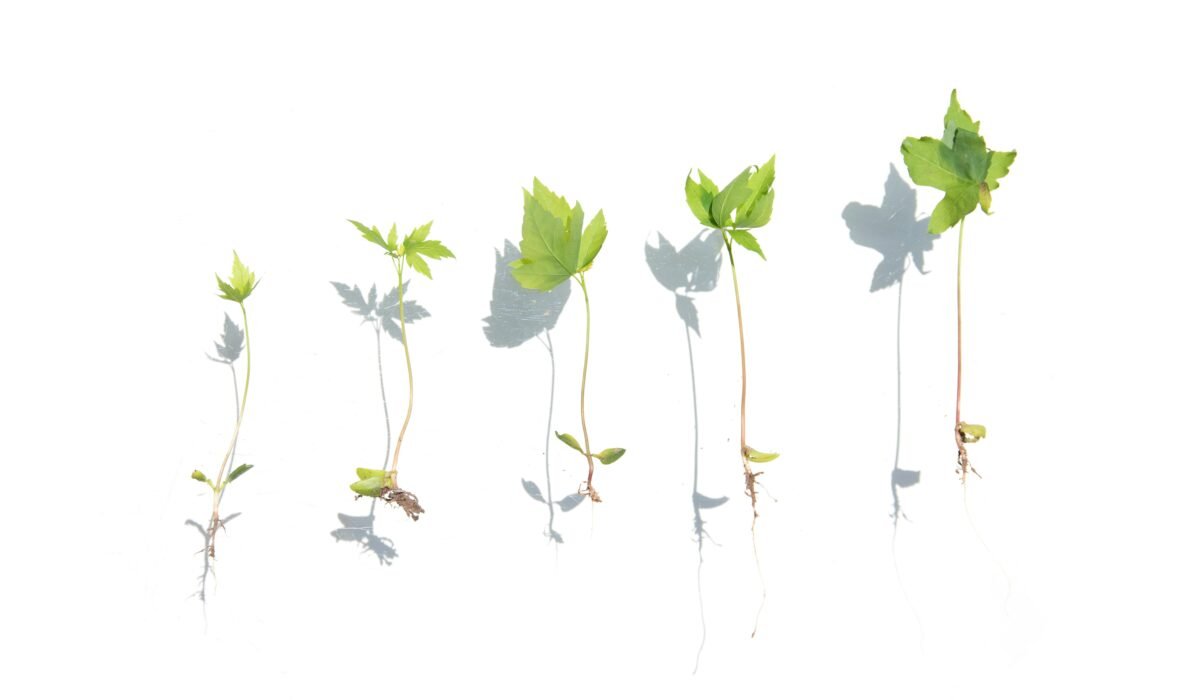
- Seed & Germination: The cycle begins with a seed, a tiny package containing an embryo, stored food, and a protective outer coat. When conditions are right—adequate moisture, warmth, and oxygen—the `seed germination process` is triggered. The embryo awakens, sending a radicle (root) downwards and a plumule (shoot) upwards.
- Seedling Stage: Once the seedling emerges from the soil, it begins to develop its first true leaves, distinct from the embryonic cotyledons. During this delicate stage, the plant relies on photosynthesis for energy, making strong light exposure crucial.
- Vegetative Growth: This is a period of rapid growth where the plant focuses on developing its root system, stems, and leaves. The plant is building its structure and accumulating energy reserves, preparing for the next big step of `plant reproduction`.
- Budding & Flowering: Once mature enough, the plant shifts its energy from vegetative growth to reproductive growth, forming buds that will open into flowers. Flowers are the reproductive organs, designed to attract pollinators.
- Pollination & Fruiting: Pollination occurs when pollen is transferred from the anther to the stigma, often by insects, wind, or even human intervention. After successful pollination, the flower is fertilized, and the ovary develops into a fruit containing seeds.
- Seed Dispersal & Senescence: The mature fruit releases its seeds, which are then dispersed by wind, water, animals, or gravity, spreading the plant’s offspring. After seed production, annuals and biennials enter senescence, a period of decline leading to death, while perennials may rest or continue their cycle.
Gardener’s Guide: Care and Challenges at Each Plant Life Stage
Knowing the `plant growth stages` isn’t just academic; it’s a practical blueprint for effective gardening. Each stage presents unique needs and potential challenges, and your intervention can make all the difference. Here’s a `gardening tips by stage` breakdown to help you navigate your plants’ journey.
Seed to Seedling Care: Nurturing New Life
The initial stages are often the most vulnerable. For successful `seed germination process`, ensure consistent moisture and appropriate warmth. Once seedlings emerge, provide ample light to prevent leggy growth, and consider using a long, thin trowel or a dibber for gentle transplanting to avoid root shock. Common challenges include damping-off disease (fungal infection) and insufficient light, which can be mitigated with good air circulation and grow lights.
Essential tools for this stage:
- Seed-starting trays: Provide controlled environment.
- Heating mats: Optimize germination temperatures.
- Grow lights: Ensure strong, even light for seedlings.
- Dibber: Creates precise holes for planting seeds or small seedlings.
- Precision pruners: Useful for thinning out weak seedlings.
Nurturing Vegetative Growth: Building Strength
During vegetative growth, plants need consistent nutrients to fuel their rapid development of leaves and stems. This is when proper fertilization and healthy soil become paramount. An `Organic Soil Amendments Guide` can provide valuable insights into enriching your garden naturally, ensuring your plants have access to essential elements. Keep an eye out for pests like aphids or caterpillars, which can quickly defoliate young plants. Regular watering and weeding are also crucial to reduce competition and stress.
Here’s the thing: a robust root system and lush foliage in this stage directly translate to better flowering and fruiting later on. Don’t skimp on providing the right nutrients now!
Supporting Blooms and Fruit: The Reproductive Peak
As your plants transition to flowering and fruiting, their energy demands shift. For flowering plants, consider a `Best Fertilizer for Flower Garden: Top Picks & How-To` to encourage abundant blooms. Pollination is key for fruit set, and understanding `plant reproduction methods` can even involve hand-pollination for indoor or greenhouse crops like those discussed in `Hydroponic Pollination Techniques`. Pests like whiteflies or scale can be particularly damaging at this stage, so knowing `How to Treat Plant Scale` or `Treat Whiteflies on Garden Plants` is vital.
What most people miss: adequate support, especially for heavy-fruiting plants like tomatoes or tall flowering varieties. Twine and a planting line can be invaluable for keeping plants upright and healthy, preventing breakage.
Post-Fruiting & End of Cycle: Preparing for What’s Next
After fruiting, annuals will begin to decline. You can harvest seeds for next year’s planting, a simple way to continue the `plant life cycle for beginners`. Biennials will also complete their cycle. For perennials, this stage often involves deadheading spent flowers to encourage further blooms or preparing the plant for `dormancy in plants` over winter through pruning and mulching. Proper cleanup helps prevent disease and pest overwintering.
Beyond Flowers: Understanding Fern and Conifer Life Cycles
While the `flowering plant life cycle` is what most gardeners envision, the plant kingdom is vast and diverse. To truly understand plant life cycles, it’s beneficial to briefly explore how other major plant groups, such as ferns and conifers, reproduce and thrive. This broadens your appreciation for `plant reproduction methods` beyond just seeds from flowers.
The Allure of Ferns: Spore-Producing Plants
Ferns, ancient and beautiful, do not produce flowers or seeds. Instead, they reproduce via spores, making them classic `spore-producing plants`. Their life cycle involves an alternation of generations, switching between a dominant sporophyte (the fern plant you recognize) and a tiny, heart-shaped gametophyte. The sporophyte produces spores, which germinate into gametophytes, which then produce gametes that fuse to form a new sporophyte. This unique process highlights a completely different strategy for survival and propagation.
Conifers: Ancient Survivors with Cones
Conifers, like pines, spruces, and firs, are gymnosperms, meaning they produce “naked” seeds, not enclosed within a fruit. Their life cycle involves cones: male cones release pollen, which is carried by wind to fertilize the ovules within female cones. These fertilized ovules develop into seeds on the cone scales. These trees are incredibly resilient and long-lived, often thriving in harsh conditions, showcasing remarkable `plant adaptations` to their environments.
How Do Environmental Factors Influence Plant Life Cycles?
Plants are exquisitely tuned to their surroundings, and environmental factors play a profound role in every stage of their life cycle. From germination to `dormancy in plants`, conditions like light, water, temperature, and soil quality dictate growth, health, and survival. Understanding this `environmental impact plant growth` empowers gardeners to create optimal conditions for their plants.
Light: Plants rely on sunlight for photosynthesis, the process that fuels their growth. Insufficient light can stunt growth, delay flowering, and weaken plants, while too much direct sun can scorch delicate leaves. The duration of light exposure, known as photoperiodism, even triggers flowering in many plants. For example, some plants are “long-day” plants, requiring extended periods of light to bloom.
Water: Water is essential for nutrient transport, maintaining turgor pressure, and facilitating biochemical reactions. Both overwatering and underwatering can stress plants, leading to root rot, nutrient deficiencies, or wilting. The University of Illinois Extension emphasizes that consistent, appropriate watering is critical for healthy plant development from `seed germination process` onwards Illinois Extension: Great Plant Escape.
Temperature: Each plant species has an optimal temperature range for growth and reproduction. Extreme heat or cold can trigger stress responses, inhibit growth, or even cause death. Many plants enter `dormancy in plants` during cold periods, a vital `plant adaptations` strategy for survival. This is why understanding `Plant Hardiness Zones` is so important for selecting appropriate species.
Soil Type and Nutrients: The soil provides physical support, water retention, and essential nutrients. Poor soil quality, lacking in organic matter or specific minerals, can severely impede `plant growth stages`. Conversely, rich, well-draining soil, perhaps enhanced with organic amendments, provides the ideal foundation. As Michael Pollan suggests, plants are active participants in their environment, and the soil is where much of that interaction begins.
In practice: By monitoring these `environmental factors plant growth` and making adjustments, you can significantly influence your plants’ vigor and productivity. This might mean adjusting watering schedules, providing shade during heatwaves, or enriching your soil.
Why is Understanding Plant Life Cycles Important for Gardeners?
For gardeners, understanding the `plant life cycle for beginners` is more than just academic curiosity; it’s the foundation of successful cultivation. This knowledge empowers you to make informed decisions that lead to healthier plants, more abundant harvests, and greater enjoyment of your green spaces. It transforms you from a passive observer into an active, knowledgeable participant in nature’s grand design.
Knowing whether a plant is an annual, biennial, or perennial directly impacts your planting schedule and garden design. For example, you wouldn’t expect a biennial carrot to produce seeds in its first year, nor would you replant a perennial lavender every season. This understanding helps you set realistic expectations and plan for the long term.
Furthermore, recognizing the `plant growth stages` allows you to provide targeted care. You’ll know when to fertilize for vegetative growth, when to expect blooms, and when to harvest seeds or prepare for `dormancy in plants`. This proactive approach helps mitigate common problems and ensures your plants receive exactly what they need, precisely when they need it. As horticulturist Gertrude Jekyll famously said, “The love of gardening is a seed once sown that never dies,” and nourishing that love starts with understanding the life within your garden.
Frequently Asked Questions
What are the 4 stages of a plant life cycle?
While often broken down into more detailed steps, the four fundamental stages of a plant life cycle are typically considered to be: seed, germination, growth (vegetative), and reproduction (flowering/fruiting). These stages represent the major transitions from dormancy to new life, mature development, and the creation of offspring.
What is the plant life cycle in simple terms?
In simple terms, the plant life cycle is the journey a plant takes from being a seed (or spore) to growing into a mature plant, producing new seeds, and eventually dying. It’s a continuous circle of life where plants reproduce themselves, ensuring their species survives.
What are the 3 main plant life cycles?
The three main plant life cycles are annual, biennial, and perennial. Annuals complete their entire life in one growing season, biennials take two years, and perennials live for multiple years, returning season after season from the same rootstock.
What are the 7 stages of plant growth?
The 7 stages of plant growth, particularly for a flowering plant, can be detailed as: seed, germination, seedling, vegetative growth, budding, flowering (including pollination), and fruiting/seed dispersal. These stages sequentially guide the plant from its embryonic state to its full reproductive capacity.
Mastering the `plant life cycle for beginners` provides a deeply satisfying connection to the natural world and transforms your gardening efforts. By understanding the unique needs of annuals, biennials, and perennials, and by recognizing the critical `plant growth stages`, you’re equipped to cultivate a thriving garden. Start observing your plants closely, respond to their needs at each phase, and watch your gardening skills blossom.