If you’ve ever dreamt of a garden that keeps giving, then growing perennial herbs is your answer. Imagine stepping outside your door year after year to harvest fresh, fragrant leaves without the constant need for replanting. This guide cuts through the noise, offering clear, actionable advice to transform your garden into a thriving, low-maintenance perennial herb paradise.
What are Perennial Herbs and Why Grow Them?
Perennial herbs are plants that live for more than two years, returning season after season from their rootstock. Unlike annuals, which complete their life cycle in a single year, these resilient plants establish themselves and offer continuous harvests, making them a fantastic investment for any gardener.
The primary benefit of a perennial herb garden is the incredible convenience and cost savings. “If you like the idea of planting something once and enjoying it year after year, then set your sights on perennial herbs,” notes Garden Betty, highlighting their minimal care requirements and economic advantage over store-bought alternatives. This means less work for you and more flavor for your kitchen.
Beyond culinary delights, these hardy herbs contribute significantly to local ecosystems. Many perennial herbs produce beautiful flowers that act as vital food sources for pollinators like bees and butterflies, enriching your garden’s biodiversity. They also fill your outdoor spaces with amazing, natural scents and attractive blooms.
Consumer interest in perennials is strong, with 73% of gardeners spending the same or more on perennials in 2024, according to a 2025 Proven Winners® survey. This trend underscores the growing appreciation for plants that offer long-term value and beauty. Fresh herbs, in particular, are gaining traction, with American consumers spending 5.4% more on herbal supplements in 2024, signaling a broader interest in the wellness benefits of herbs.
Easiest Perennial Herbs to Grow for Beginners
Starting with easy to grow perennial herbs sets you up for success and boosts your gardening confidence. These varieties are known for their hardiness and adaptability, making them perfect for those new to growing perennial herbs.
- Rosemary (Salvia rosmarinus): This evergreen shrub offers fragrant, needle-like leaves perfect for cooking. Hardy in zones 6-10, it can grow quite large and requires full sun. In colder climates, ‘Arp’ is a popular, more cold-tolerant variety, or you can bring it indoors during winter.
- Thyme (Thymus vulgaris): A low-growing, drought tolerant herb that forms attractive groundcover. Many varieties are very cold-tolerant, some even down to zone 2. Lemon, orange, and lavender thyme offer unique flavors and scents.
- Mint (Mentha sp.): Incredibly vigorous, mint spreads quickly, so growing it in containers is often recommended to prevent it from taking over your perennial herb garden. Varieties like spearmint, peppermint, and chocolate mint are popular culinary herbs.
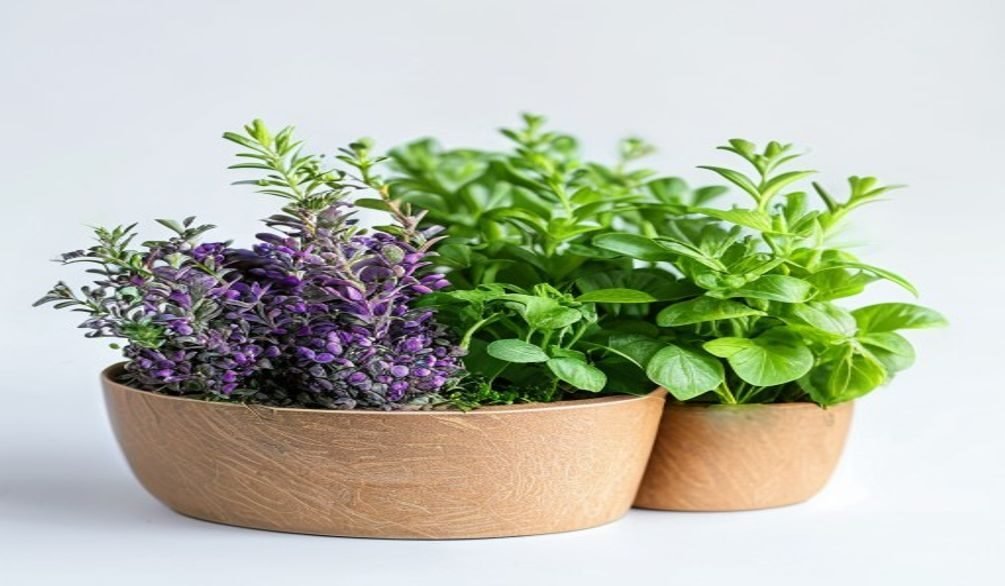
- Lavender (Lavandula sp.): Beloved for its soothing fragrance and beautiful purple flowers, lavender is a drought-tolerant, full sun herb that attracts pollinators. ‘Munstead Lavender’ and ‘Lady Lavender’ are excellent choices for staying power as a garden shrub.
- Sage (Salvia officinalis): This hardy herb thrives in heat and drought conditions once established. Its fuzzy leaves are a culinary staple, and its flowers attract beneficial insects. Sage is cold-hardy and offers beautiful foliage.
- Chives (Allium schoenoprasum): Resembling clumps of thick grass, chives are hardy to zone 4 and provide a mild onion flavor. Their edible purple flowers are a delightful addition to salads. ‘Garlic Geisha Chives’ offer a subtle garlic note.
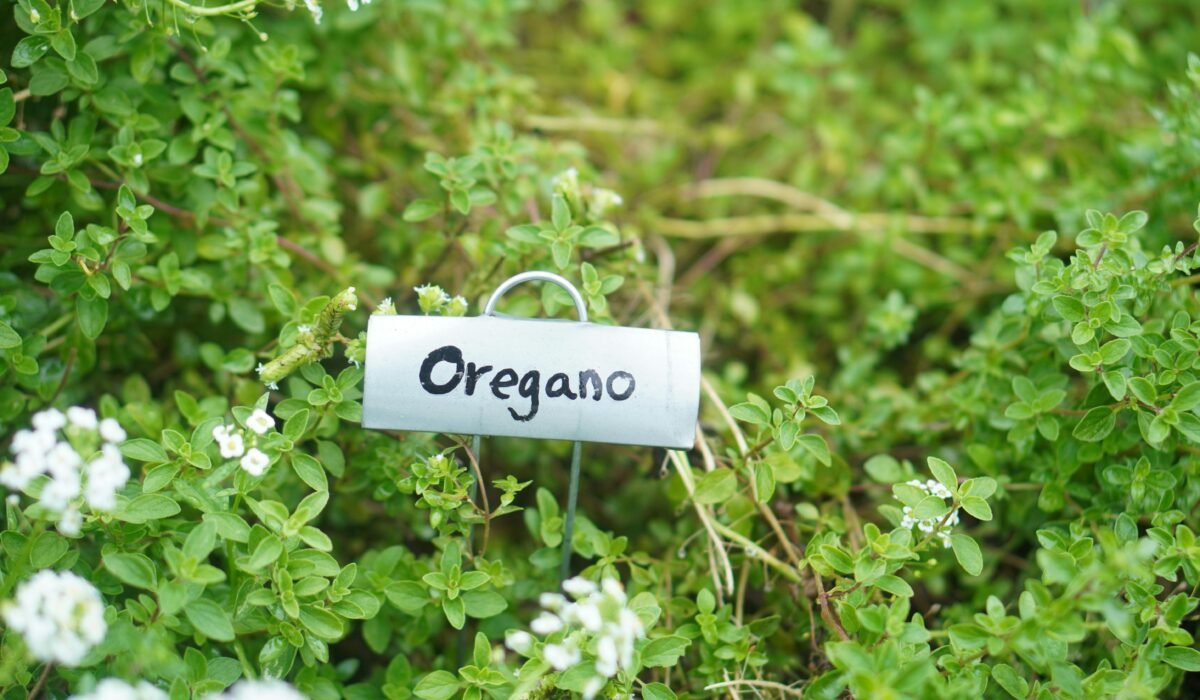
- Oregano (Origanum vulgare): An extremely tough and spreading herb, oregano tolerates some shade but truly flourishes in full sun. Its tiny white or pinkish flowers are a magnet for pollinators. ‘Greek Oregano’ is prized for its robust flavor.
When selecting your initial plants, remember that 43% of respondents in the Proven Winners® 2025 survey cited quality as the most important factor, so choose healthy starts from a reputable nursery.
Year-Round Care for Thriving Perennial Herbs
Consistent, thoughtful care ensures your perennial herbs return vigorously each year. This involves understanding their needs through the seasons, from planting to winter dormancy.
Optimal Growing Conditions
Most perennial herbs, especially culinary herbs, demand specific conditions to produce their best flavor and growth. “Plant them in full sun, if possible – this will bring the essential oils to the surface of the leaf, giving a strong flavor,” advise BBC Gardeners’ World Magazine experts. Aim for at least 6-8 hours of direct sunlight daily.
Soil quality is equally crucial. Herbs generally prefer loose, well-drained soil with a slightly acid pH around 6.5, as highlighted by West Virginia University Extension. If your soil is heavy clay, amend it with compost or grit to improve drainage. Good drainage prevents root rot, a common killer of many hardy herbs.
While many perennial herbs are drought tolerant once established, especially varieties like thyme and sage, they still need regular watering during dry spells, particularly when young. Feel the soil; if it’s dry an inch or two down, it’s time to water thoroughly. Avoid overhead watering to reduce fungal issues.
Winter Care for Perennial Herbs
How to care for perennial herbs in winter depends heavily on your USDA hardiness zone and the specific herb’s tolerance. Most hardy herbs benefit from some preparation for the colder months.
- Mulching: For zones 5 and colder, applying a 2-4 inch layer of organic mulch (like straw, shredded leaves, or pine needles) around the base of plants helps insulate the roots. This protects them from extreme temperature fluctuations and heaving.
- Pruning: In late fall, after the first hard frost, prune back herbaceous perennials like mint or chives to just a few inches above the ground. Woody perennial herbs like rosemary and lavender should only have dead or crossing branches removed, or light shaping, as heavy pruning can stimulate new growth that won’t harden off before deep winter.
- Container Care: If you’re growing perennial herbs in pots, especially tender varieties of rosemary or lavender in colder zones, consider bringing them indoors. Place them in a cool, bright spot and reduce watering significantly. Smart Pots are excellent for this, being lightweight and providing good air circulation.
- Dormancy: Understand that many perennial herbs will naturally go dormant in winter, appearing to die back. This is normal and they will revive in spring. Resist the urge to overwater or fertilize during this period.
Mastering Perennial Herb Propagation: Expand Your Garden
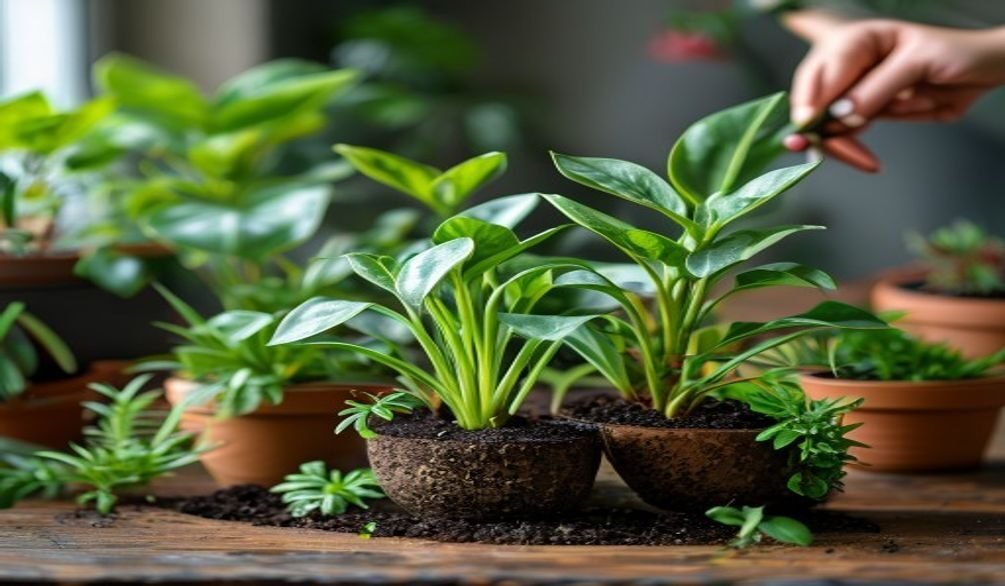
Propagating herbs is a rewarding way to expand your perennial herb garden, share with friends, or replace older plants. The most common methods for perennial herbs are cuttings and division, allowing you to create new plants identical to the parent.
Taking Cuttings
Many woody perennial herbs like rosemary, sage, and lavender root easily from cuttings. This method is fantastic for cloning your favorite varieties.
- Select a Healthy Stem: In spring or early summer, choose a non-flowering stem about 4-6 inches long from the current year’s growth. It should be supple but not too soft.
- Prepare the Cutting: Remove the leaves from the bottom 2-3 inches of the stem. You can dip the cut end in rooting hormone, though many herbs root well without it.
- Planting: Insert the prepared cutting into a pot filled with a moist, well-draining seed-starting mix or perlite. You can use Fiskars Micro-Tip Pruning Snips for clean cuts.
- Care: Keep the soil consistently moist (not soggy) and place the pot in a warm spot with indirect light. Covering the pot with a plastic bag can help maintain humidity. Roots typically form in 3-6 weeks.
Dividing Perennial Herbs
Herbaceous perennial herbs like mint, chives, and oregano benefit from division every 2-3 years, which rejuvenates the plant and prevents overcrowding. This is an excellent way of propagating herbs that spread from their roots.
- Timing: The best time to divide is in early spring, just as new growth emerges, or in early fall.
- Dig Up the Plant: Carefully dig up the entire plant clump using a garden fork, being mindful not to damage too many roots.
- Separate the Clump: Gently pull or cut the root ball into smaller sections, ensuring each section has a healthy amount of roots and some foliage. For mint, you might simply lift and separate running rhizomes.
- Replant: Replant the divisions immediately into prepared soil, spacing them appropriately. Water thoroughly after replanting.
What most people miss is that proper division not only creates new plants but also revitalizes the original, leading to more vigorous growth and better yields in the coming seasons.
Troubleshooting Common Pests and Diseases in Your Herb Garden
While hardy herbs are generally robust, even the most resilient perennial herb garden can encounter occasional pests or diseases. Early detection and natural solutions are key to maintaining plant health.
Common Pests and Solutions
- Aphids: These tiny, soft-bodied insects cluster on new growth, sucking sap and causing distorted leaves. Blast them off with a strong stream of water or apply an insecticidal soap solution. Encourage beneficial insects like ladybugs, which are natural predators.
- Spider Mites: Indicated by fine webbing on leaves and tiny red or brown dots, spider mites thrive in hot, dry conditions. Increase humidity around plants and use insecticidal soap, ensuring you spray the undersides of leaves.
- Whiteflies: Small, white, moth-like insects that fly up when disturbed. Use yellow sticky traps to monitor and control populations, or spray with neem oil.
For more in-depth solutions and preventative measures, consult resources like the University of Minnesota Extension on common herb pests. Our guide on Herb Garden Pests & Diseases also offers comprehensive strategies for keeping your plants healthy.
Common Diseases and Solutions
- Powdery Mildew: Appears as a white, powdery coating on leaves, often on mint or sage, especially in humid or shaded conditions. Improve air circulation by spacing plants appropriately and pruning dense foliage. Treat with a baking soda spray (1 teaspoon baking soda per quart of water) or neem oil.
- Rust: Orange or brown pustules on the undersides of leaves, particularly on mint. Remove affected leaves immediately and improve air circulation. Avoid overhead watering.
- Fungal Leaf Spots: Various fungi can cause dark spots on leaves, often exacerbated by high humidity or prolonged leaf wetness. Remove infected leaves, ensure good air circulation, and water at the soil level.
In practice, good garden hygiene, like removing plant debris and ensuring adequate spacing, is your first line of defense against most issues. Always ensure plants have sufficient sun exposure, as most full sun herbs are less susceptible to fungal problems.
Designing Your Perennial Herb Garden: Companion Planting & Layout
A well-designed perennial herb garden isn’t just functional; it’s a beautiful, fragrant asset to your landscape. Strategic placement and companion planting enhance growth, deter pests, and create visual harmony.
Strategic Layout Considerations
When planning your herb garden design, consider accessibility, sunlight, and the mature size of your plants. Place taller herbs like rosemary at the back of beds, with lower-growing herbs like thyme or oregano along the edges or as groundcover. If you’re working with limited space, a VegTrug 8 Pocket Herb Garden can provide organized planting in a raised bed, making harvesting easy.
Think about the aesthetic too. Mixing foliage textures and colors, such as the silvery leaves of sage with the deep green of oregano, adds visual interest. Remember that many perennial herbs are also beautiful flowering plants, attracting pollinators and adding splashes of color.
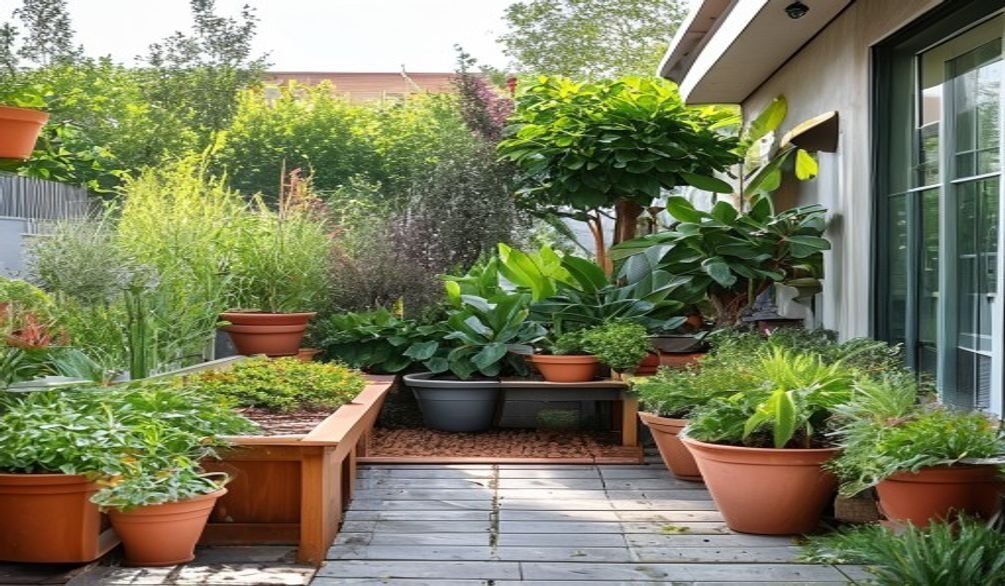
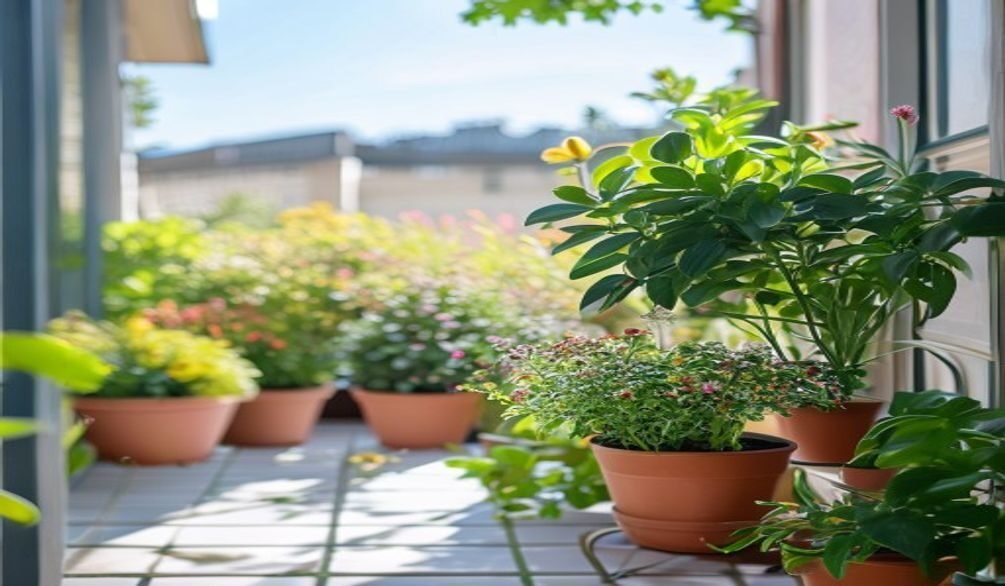
For those with small patios or balconies, growing perennial herbs in pots is a fantastic solution. Choose large containers to accommodate their root growth and ensure they have good drainage. This also allows you to move tender perennials indoors for winter care. A blogger successfully renovated their perennial herb garden by moving oregano, sage, thyme, rosemary, parsley, and chives into organized planters, noting their long-term success.
Companion Planting for Healthier Herbs
Companion planting herbs involves placing different plant species near each other to create mutually beneficial relationships. This can improve growth, repel pests, or attract beneficial insects.
- Rosemary & Sage: Planting these drought tolerant herbs together works well, as they share similar preferences for full sun and well-drained soil. They can also deter some common garden pests.
- Thyme & Cabbage: Thyme is known to deter cabbage worms, making it a good companion for brassicas.
- Mint & Tomatoes (in separate containers): While mint is too aggressive to plant directly in a bed, a potted mint nearby can deter aphids and other pests from tomatoes.
- Lavender & Roses: Lavender can help deter deer and rabbits, and its strong scent can mask the scent of roses, making them less appealing to aphids.
The short answer is, while companion planting can be beneficial, the most important aspect of herb garden design is ensuring each plant receives its specific needs for sunlight, water, and soil. Don’t force incompatible plants together simply for companion benefits.
Harvesting and Preserving Your Perennial Herb Bounty
One of the greatest joys of growing perennial herbs is the ability to harvest fresh flavors whenever you need them. Learning proper harvesting techniques and preservation methods ensures you can enjoy your culinary herbs year-round.
Optimal Harvesting Techniques
For most perennial herbs, the best time to harvest is in the morning after the dew has dried but before the heat of the day. This is when their essential oils are most concentrated, resulting in the most potent flavor.
- Pinch or Snip: Use sharp scissors or Fiskars Micro-Tip Pruning Snips to cut stems, rather than tearing leaves. This promotes healthy regrowth.
- Harvesting Frequency: Regular harvesting encourages bushier growth and prevents plants from becoming leggy. For most herbs, you can harvest about one-third of the plant at a time.
- Before Flowering: For herbs grown primarily for their leaves (like basil, mint, oregano), harvest before they flower for the best flavor, as flowering can signal the plant to put energy into seeds rather than leaf production.
- For Flowers: If you’re growing herbs like lavender or chives for their edible flowers, harvest them just as they open for peak beauty and flavor.
“Fresh herbs add a burst of flavor and fragrance to any dish,” says SproutedGarden.com, emphasizing the value of homegrown goodness. By planting perennial herbs, you gain a steady, cost-effective supply right outside your door.
Preserving Your Herbs for Long-Term Enjoyment
Harvesting and preserving perennial herbs allows you to enjoy their flavors even when the garden is dormant. There are several effective methods:
- Drying: Air drying is simple for herbs with lower moisture content like rosemary, thyme, oregano, and sage. Bundle small bunches and hang them upside down in a warm, dark, well-ventilated area. Alternatively, use a food dehydrator on a low setting. Once crisp, strip the leaves from the stems and store them in airtight containers.
- Freezing: This method best preserves the fresh flavor of high-moisture herbs like chives and mint. Chop the herbs finely and freeze them in ice cube trays with a little water or olive oil. Once frozen, transfer the cubes to freezer bags for easy, pre-portioned use in cooking.
- Oil or Vinegar Infusions: Infuse herbs like rosemary, thyme, or oregano into olive oil or vinegar for flavorful culinary additions. Ensure herbs are completely dry to prevent spoilage. Store infused oils in the refrigerator.
- Herb Butters: Chop fresh herbs and mix them into softened butter. Roll into logs, wrap in parchment paper, and freeze. These are perfect for adding flavor to grilled meats, vegetables, or bread.
The key to successful preservation is to start with fresh, clean herbs and to store them properly to maintain their potency and prevent spoilage.
Frequently Asked Questions
What herbs will come back every year?
Many popular culinary herbs are perennials and will return year after year, especially in suitable climates. Common examples include rosemary, thyme, sage, oregano, mint, chives, and lavender. Their ability to return makes them a low-maintenance and rewarding choice for gardeners.
What herbs are perennial and easy to grow?
The easiest perennial herbs to grow are typically robust and adaptable to various conditions. Mint, thyme, oregano, chives, and sage are excellent choices for beginners due to their hardiness and minimal care requirements. These hardy herbs often tolerate a range of soil types and are forgiving of occasional neglect.
What herbs are perennial hardy?
Perennial hardy herbs are those that can withstand cold winter temperatures and reliably return in spring. Rosemary (especially varieties like ‘Arp’), thyme (many varieties are hardy to very cold zones), sage, and chives are known for their excellent cold tolerance. Always check the specific hardiness zone for the variety you choose to ensure it will thrive in your local climate.
What is the easiest perennial herb to grow?
For many gardeners, mint is considered one of the easiest perennial herbs to grow due to its vigorous nature and adaptability. However, its rapid spreading habit means it’s often best grown in containers. For a less aggressive but equally easy option, chives are also incredibly simple to cultivate and maintain.
Embracing the world of growing perennial herbs offers a rewarding journey into sustainable gardening and culinary abundance. By providing year-round care, mastering propagation, and designing your garden thoughtfully, you’ll cultivate a vibrant space that continually gives back. Start planting these hardy herbs today and savor the fresh flavors for seasons to come.