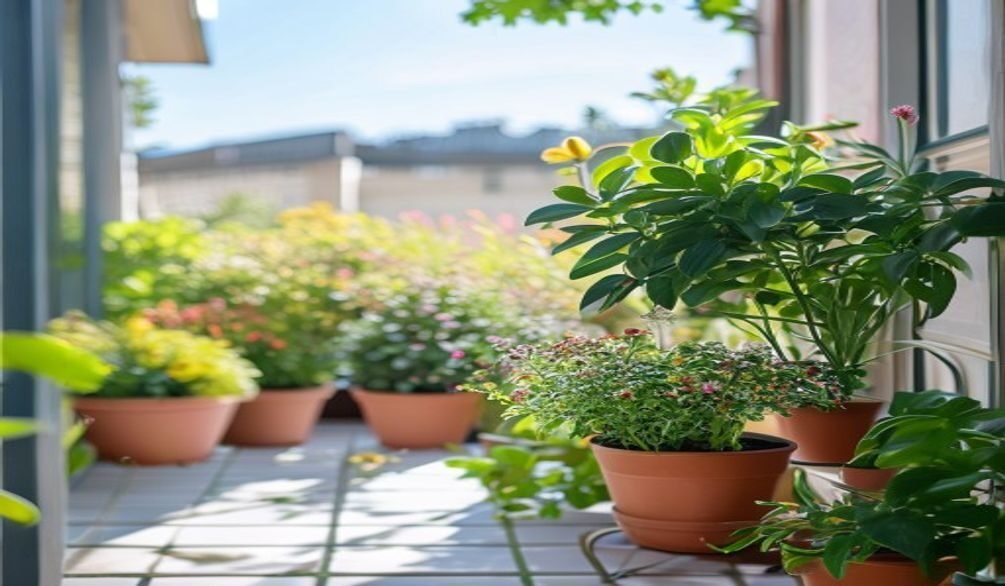
Are your indoor plants thriving, or just surviving? Understanding your indoor plant light requirements is arguably the single most important factor for their health and happiness. Many plant parents struggle with placing their beloved greens, leading to confusion and frustration, but the good news is that you can become a “light detective” for your houseplants. This comprehensive guide will equip you with the knowledge and tools to accurately assess light levels, decode your plants’ needs, and find the perfect spot for every one of your indoor companions.
Why is Light Crucial for Your Indoor Plants?
Light isn’t just about visibility; it’s the fundamental energy source for almost all plant life. Through a process called photosynthesis, plants convert light energy, carbon dioxide, and water into sugars, which are their food. Without adequate light, plants simply cannot produce enough energy to grow, flower, or even maintain their basic functions.
The University of Minnesota Extension emphasizes this, stating, “Light is one of the most important factors for growing houseplants. All plants require light to convert carbon dioxide and water into energy.” This means that understanding and providing the right light is not just a recommendation, but a necessity for your plants’ survival and vitality. It’s truly the foundation of a thriving indoor garden.
Decoding Indoor Plant Light: Types & Intensity
When we talk about indoor plant light requirements, we’re really talking about two main components: the *type* of light (direct, indirect, low) and its *intensity*. These factors determine how much usable energy your plant receives. Getting these right is key to unlocking your plant’s growth potential.
Types of Natural Light
Not all sunlight is created equal, especially when it passes through a window. The way light enters your home dramatically affects its quality and intensity for your plants.
* Direct Sun for Plants: This is unfiltered sunlight that shines directly onto the plant for several hours, typically from a south or west-facing window. It’s intense and can be very strong.
* Bright Indirect Sunlight: The gold standard for many houseplants, this light is bright but diffused. It might come from a window that doesn’t get direct sun, or it could be direct sun filtered through a sheer curtain or bouncing off a nearby wall. The plant “sees the sky” but isn’t getting scorched.
* Medium Light: This is typically found a few feet away from a bright window or in an east-facing window. It’s less intense than bright indirect light but still sufficient for many common houseplants.
* Low Light Plants: These plants tolerate minimal light, often found in rooms with small windows, or significantly far from any light source. While they tolerate low light, they often thrive with a bit more.
Understanding Light Intensity: FC and Lux
To truly become a light detective, you need to speak the language of light intensity. This is where units like foot-candles (FC) and lux ranges come into play.
* Foot-Candles (FC): A measure of light intensity at a surface, with one foot-candle being the amount of light cast on a surface by one standard candle from one foot away. It’s a common unit in the US.
* Lux Ranges: The metric equivalent of foot-candles, where 1 lux is equal to 0.0929 foot-candles. Many modern light meters and apps provide readings in lux.
Here’s a general guide to light intensity for different plant needs, according to expert consensus:
- Low Light: 50-150 fc (500-1,500 lux). Think ZZ plants or cast iron plants.
- Medium Light: 150-500 fc (1,500-5,000 lux). Many common houseplants like peace lilies thrive here.
- Bright Indirect Light: 500-1,000 fc (5,000-10,000 lux). Ideal for Monsteras, pothos, and calatheas.
- Direct Sun: 1,000-5,000+ fc (10,000-50,000+ lux). Perfect for succulents, cacti, and crotons.
Most houseplants generally survive around 50–200 foot-candles (fc) and thrive closer to 200–800+ fc, depending on the species.
How to Measure Light for Indoor Plants Like a Pro
Eyeballing light levels is a common mistake that leads to unhappy plants. What looks bright to your eyes might be dim to a plant. This is where learning how to measure light for indoor plants like a pro becomes invaluable. It takes the guesswork out of plant placement.
Using a Light Meter App
You don’t need expensive equipment to start measuring light. Many free smartphone apps can provide reasonable accuracy for estimating lux or foot-candles. Apps like “Lux Light Meter” or “Light Meter” (for iOS/Android) utilize your phone’s ambient light sensor.
To get the most accurate reading:
- Position your phone: Hold your phone at the exact spot where your plant’s leaves would be, pointing the sensor (usually near the front camera) towards the light source (e.g., the window).
- Take multiple readings: Light levels fluctuate throughout the day. Take readings at different times – morning, midday, afternoon – to get an average.
- Consider obstructions: Walls, furniture, or even sheer curtains will significantly reduce light intensity. Account for these in your measurements.
For more precision, dedicated light meters (like Darryl Cheng’s LTH Meter) offer professional-grade accuracy and are a worthwhile investment for serious plant enthusiasts.
Interpreting Your Readings
Once you have your foot-candles (FC) or lux readings, compare them to the general ranges for your specific plant’s needs. What most people miss is how drastically light drops off with distance. Right at a sunny window, you might get 500-5,000+ fc. Move just 3 feet back, and it could drop to 200-400 fc. At 6 feet back, you’re often looking at only 50-100 fc, and at 10 feet back, it’s typically a mere 25-50 fc. This rapid decline is why a plant that’s “near a window” might still be in low light.
Finding the Perfect Spot: Window Direction and Light Zones
Understanding your home’s unique light patterns is the first step to finding the perfect spot for your plants. It’s not just about aesthetics; it’s about matching the plant to its ideal environment.
Window Direction Matters
The direction your windows face is the primary determinant of the natural light available in your home:
* North-facing windows: Offer the least intense, most consistent light. Ideal for `low light plants` or those needing very gentle, diffused light.
* East-facing windows: Provide gentle morning direct sun for plants, followed by bright indirect light for the rest of the day. Excellent for many medium-light plants.
* South-facing windows: Deliver the most intense, prolonged direct sun. Perfect for high-light plants like succulents and cacti, but can be too harsh for others without protection.
* West-facing windows: Offer intense afternoon direct sun, which can be very hot and strong. Similar to south-facing but the heat can be more problematic.
Light Zones in Your Home
Think of your home as having different light zones based on distance from windows and obstructions.
* Zone 1 (Right at the window): Highest intensity. Use for plants needing `direct sun for plants` or very bright indirect light.
* Zone 2 (1-3 feet from window): Bright indirect light. Suitable for most popular houseplants like Monsteras and pothos.
* Zone 3 (3-6 feet from window): Medium to low light. Good for snake plants or peace lilies.
* Zone 4 (6+ feet from window or interior room): True low light. Only the most tolerant plants will survive here without supplemental `grow lights for houseplants`.
Plants for Every Light Level
Matching plants to their appropriate light zone is crucial for their success. Here are some examples of `best indoor plants low light` and those that prefer brighter conditions:
* Direct Sun Lovers (1,000-5,000+ fc): Succulents, cacti, crotons, bird of paradise, Eucalyptus, Citrus, Echeveria.
* Bright Indirect Thrivers (500-1,000 fc): Monsteras, pothos, calatheas, philodendrons, Dracaenas, Money Tree, Bromeliad, Orchids, Anthuriums.
* Medium Light Enthusiasts (150-500 fc): Peace lilies, snake plants, ferns, Chinese Evergreens, Prayer Plants, Spider Plants, African Violets, Ficus.
* Low Light Tolerators (50-150 fc): ZZ plants, cast iron plants, low-light pothos, Snake Plants.
How Do You Know if Your Indoor Plant is Getting Enough Sun?
Your plants communicate their needs through visual cues. Learning to read these `plant light symptoms` is like understanding their silent language. Darryl Cheng of House Plant Journal famously said, “After measuring light, I realized there’s no such thing as a ‘greenthumb’ – just people with large, unobstructed windows.” This highlights that understanding light is more about observation and measurement than innate skill.
Here are common signs your plant might be struggling with light:
* Stretching (Etiolation): If stems are long, leggy, and reaching desperately towards a light source, with widely spaced leaves, your plant is begging for more light. The plant is literally elongating to try and find more sun.
* Small New Leaves: New foliage that is significantly smaller than older leaves often indicates insufficient light. The plant lacks the energy to produce robust new growth.
* Pale or Yellowing Leaves: While yellowing can signal various issues, if older leaves are yellowing and dropping, especially without other signs of overwatering, it could be a lack of light.
* Lack of Variegation: Variegated plants (those with white, yellow, or pink patterns) will often lose their vibrant colors and revert to solid green in low light, as they try to maximize chlorophyll production.
* No Blooms: If a flowering plant isn’t producing flowers, or buds drop before opening, inadequate light is a very common culprit.
Troubleshooting Light Problems: Too Much, Too Little, Just Right
Diagnosing and correcting light issues is a critical skill for any plant parent. The key is to observe closely and make adjustments gradually. If you suspect problems, you can cross-reference symptoms with our comprehensive guide to diagnosing indoor plant leaf problems.
Too Little Light
When plants don’t receive enough light, they try to compensate, often to their detriment.
* Symptoms: Leggy growth (etiolation), small new leaves, yellowing and dropping of lower leaves, dull color, lack of flowering, slow or no growth.
* Why it happens: Photosynthesis slows down, leading to insufficient energy production. The plant prioritizes survival over growth or flowering.
* Solution: Move the plant closer to a window, consider a different `window direction light`, or supplement with `grow lights for indoor plants`.
Too Much Light
Conversely, too much direct sun can also be detrimental, causing what’s often called `signs of too much light plants` or sun stress.
* Symptoms: Scorched or bleached spots on leaves, crispy brown edges, curling or drooping leaves (even when watered), faded color (especially in variegated plants), stunted growth despite ample light.
* Why it happens: Intense light can overwhelm the plant’s photosynthetic machinery, leading to photoinhibition (damage from too much light) and dehydration.
* Solution: Move the plant further from the window, add a sheer curtain for `indirect sunlight`, or move it to a window with less intense exposure (e.g., east-facing instead of south).
Just Right: The Sweet Spot
A plant receiving the “just right” amount of light will exhibit several positive signs. It will have compact, healthy growth with good leaf spacing, vibrant color (including variegation if applicable), and consistent new growth. Flowering plants will produce abundant blooms. The leaves will be firm, and the plant will generally look robust and happy. Urbane Eight offers a simple heuristic: “If your plant can’t ‘see the sky,’ it’s probably not getting enough light.” This is a good rule of thumb for assessing if your plant is in a truly bright spot.
Adapting to Seasons: Dynamic Indoor Plant Light Requirements
One of the most overlooked aspects of `indoor plant light requirements` is their dynamic nature. The light in your home isn’t static; it changes dramatically with the seasons. Ignoring these `seasonal light changes` can lead to plant stress.
In winter, the sun’s angle is lower, and daylight hours are shorter, significantly reducing light intensity even in the brightest windows. A spot that was bright indirect in summer might become low light in winter. Conversely, a plant thriving in a bright spot during winter might get scorched by the stronger summer sun.
* Winter Adjustments: Move plants closer to windows, especially south or west-facing ones. Consider adding artificial light (grow lights) to supplement.
* Summer Adjustments: Move plants further from intense south or west-facing windows, or use sheer curtains to diffuse harsh light. Be vigilant for `signs of too much light plants`.
Making these seasonal adaptations ensures your plants receive consistent, optimal light year-round, preventing stress and promoting continuous healthy growth.
Beyond Natural Light: When to Use Grow Lights
Sometimes, natural light simply isn’t enough, especially during darker seasons or in homes with limited window exposure. This is when `grow lights for houseplants` become an essential tool for plant parents. They offer a controlled and consistent light source, ensuring your plants get exactly what they need.
When to Supplement Natural Light
Consider using artificial light if:
* Your plants are showing `plant light symptoms` of insufficient light, even after repositioning.
* You live in an area with long, dark winters.
* You want to grow high-light plants in a low-light environment.
* You’re propagating cuttings or starting seeds indoors.
* You want to promote flowering or faster growth.
Types of Grow Lights
Modern LED grow lights are highly efficient and effective. They are a popular choice for `grow lights for indoor plants` due to their longevity and low energy consumption.
* LED Grow Lights: Last 25,000–50,000+ hours and use 50-70% less electricity than older HID lights. They come in various forms, from simple bulbs that screw into standard lamps to full-spectrum panels. Examples include Hytekgro LED Grow Light Panel, GE Grow LED Light Bulb, Soltech Grove LED Grow Light, and Vivosun VS1000 LED Grow Light. Running a typical 20W LED grow light for 12 hours/day at an average electricity rate of $0.15/kWh costs approximately $1.08/month or $12.96/year, making them a very affordable solution.
* Fluorescent Lights: Less efficient than LEDs but still a viable option for low to medium light plants, especially T5 or T8 bulbs.
* Incandescent/Halogen: Not recommended as they produce too much heat and not the right spectrum for plant growth.
Grow Light Placement and Usage
Proper placement is crucial for maximizing the benefits of `grow lights for indoor plants`. The light intensity drops off rapidly with distance, similar to natural light. Position grow lights close to your plants (typically 6-12 inches, depending on the light’s power) to ensure they receive adequate `foot candles indoor plants` readings. Most plants benefit from 12-16 hours of light per day, followed by a period of darkness for rest.
Frequently Asked Questions
How do I know if my indoor plant is getting enough sun?
You can tell if your indoor plant is getting enough sun by observing its growth patterns and leaf health. Signs of insufficient light include leggy, stretched stems (etiolation), small new leaves, yellowing of older leaves, and a lack of flowering. Conversely, scorched spots or bleached leaves can indicate too much direct light.
What is the best light for indoor plants?
The “best” light for indoor plants largely depends on the specific plant species. Most common houseplants thrive in bright indirect sunlight, which means they are in a well-lit spot but not exposed to harsh, unfiltered sun rays for prolonged periods. However, succulents and cacti prefer direct sunlight, while plants like ZZ plants are tolerant of lower light conditions.
What is indirect sunlight for indoor plants?
Indirect sunlight for indoor plants refers to bright light that has been diffused or filtered before reaching the plant. This could be light coming from a window that doesn’t receive direct sun, light bouncing off a wall before hitting the plant, or direct sunlight softened by a sheer curtain. It provides ample energy for photosynthesis without the risk of scorching leaves.
Do indoor plants need direct sunlight?
Only some indoor plants truly need direct sunlight, such as succulents, cacti, and certain flowering plants like hibiscus. Most popular houseplants, including Monsteras, Pothos, and Peace Lilies, actually prefer bright indirect sunlight. Exposing these plants to prolonged, unfiltered direct sun can lead to sunburn and damage.
Becoming a true light detective for your indoor plants means moving beyond guesswork and embracing observation and measurement. By understanding the nuances of `indoor plant light requirements`, utilizing tools like light meter apps, and adapting to seasonal changes, you empower your plants to not just survive, but truly flourish. Start observing your plants and measuring your light today to cultivate a thriving indoor jungle.