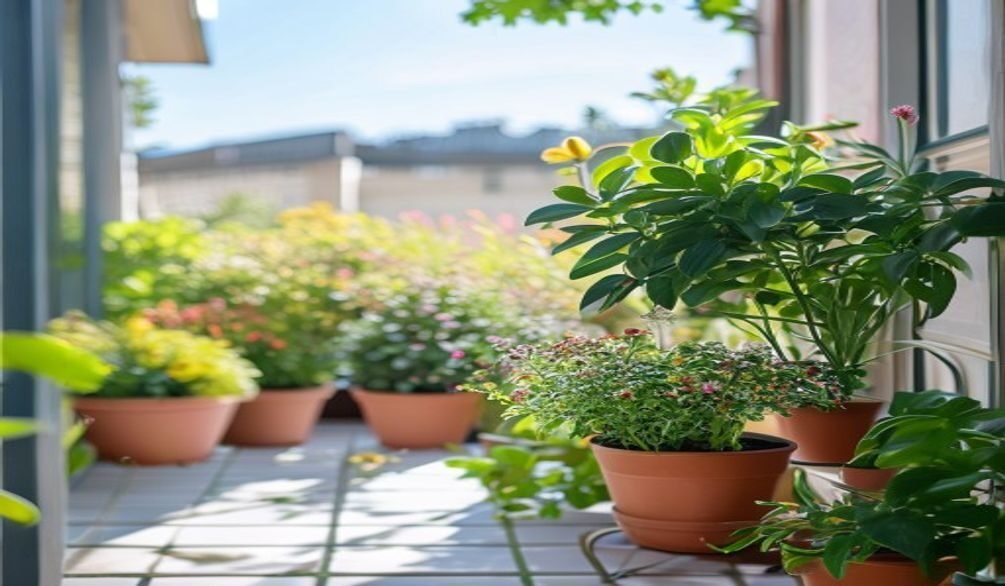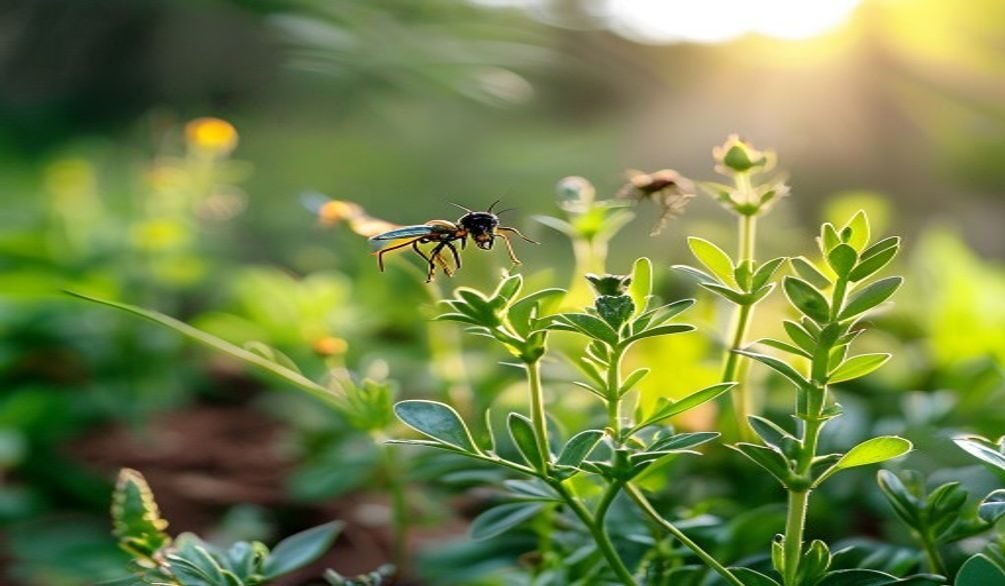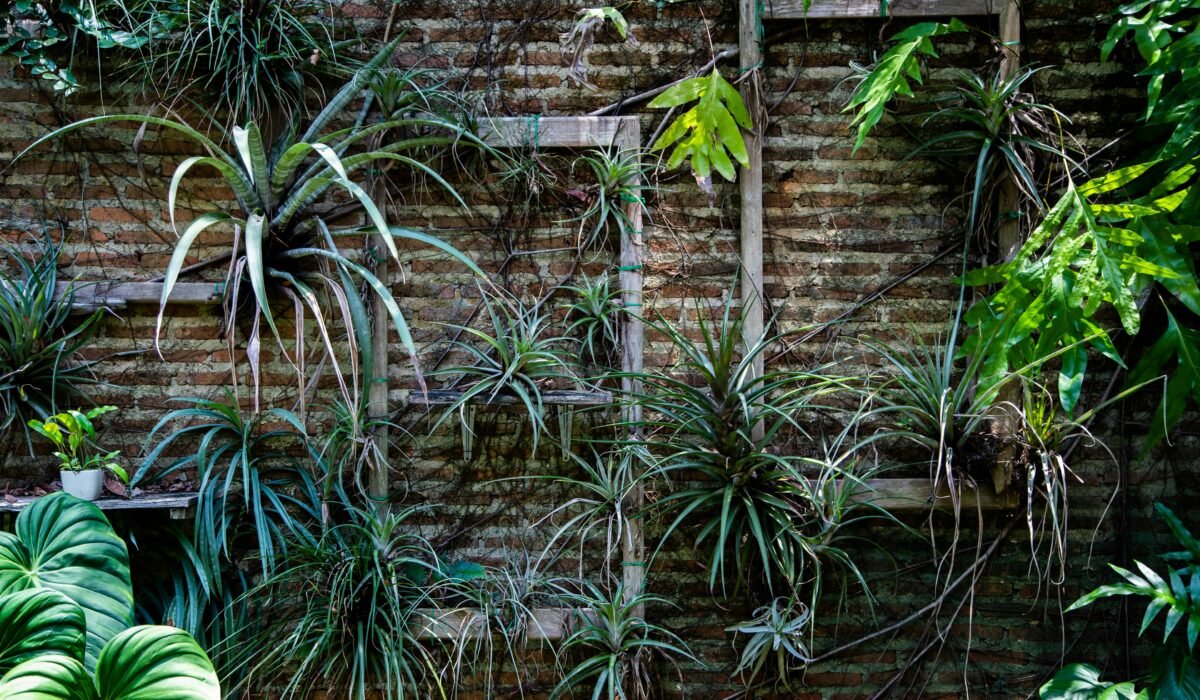
Are you struggling to create a lush, productive vertical garden that truly thrives? Mastering vertical garden plant combinations is the secret to transforming limited space into a vibrant, flourishing display. This guide will provide actionable strategies and creative ideas to help you design dynamic plant groupings, optimize growth, and cultivate a truly breathtaking vertical oasis.
Why Focus on Vertical Garden Plant Combinations?
Thoughtful vertical garden plant combinations are crucial for maximizing both aesthetic appeal and horticultural success in your living wall or stackable planter. The global vertical garden market is expanding rapidly, projected to reach USD 8.6 billion by 2033, highlighting a growing recognition of their potential.
Beyond simply saving space, strategic plant groupings enhance biodiversity, support plant health, and can even deter pests, creating a more resilient ecosystem. As Adam Baron from Folia Gardens observes, “a well-chosen vertical garden can turn any small space into a paradise,” emphasizing the power of careful selection to cultivate lush ferns, vibrant flowers, and useful herbs.
Focusing on combinations allows you to create a harmonious vertical garden aesthetic that delights the eye while optimizing every inch of growing area. This intentional approach ensures that your vertical garden doesn’t just hold plants, but becomes a thriving, productive, and beautiful feature.
What Plants Grow Well Together in a Vertical Garden?
Selecting the right plants is fundamental to successful vertical gardening, especially when considering their compatibility. Experts advise choosing plants with shallow roots, such as annual flowers, vegetables, and herbs, as these perform better in containers than deep-rooted perennials.
The key is to group plants with similar needs for light, water, and nutrients. For instance, sun-loving herbs will thrive together, while shade-loving plants for vertical gardens like ferns or certain leafy greens demand a different environment. This mindful grouping prevents competition and ensures each plant receives adequate resources.
Best Plants for Vertical Gardens
Here’s a breakdown of excellent choices for your vertical garden, categorized by their primary benefit:
- Edible Vertical Garden Layout: Leafy greens (lettuce, spinach, kale), most herbs (basil, mint, thyme, rosemary, chives), strawberries, cherry tomatoes, small peppers, and bush beans. These options allow for continuous harvests, perfect for a kitchen garden.
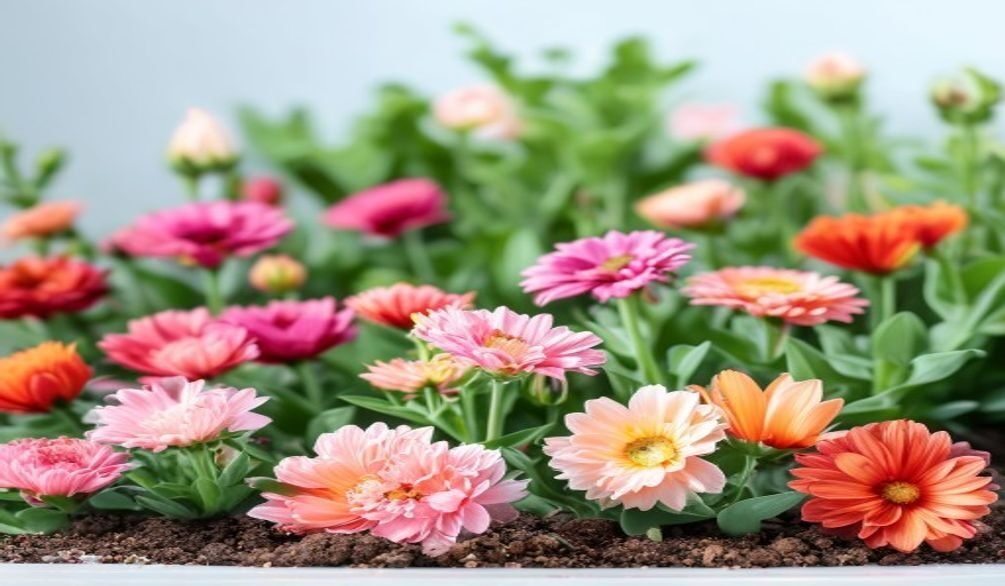
- Flowering Plants for Vertical Walls: Petunias, impatiens, lobelia, pansies, violas, nasturtiums, and some varieties of succulents. These add vibrant color and texture, creating a captivating visual display and attracting pollinators.
- Aesthetic & Foliage Focus: Ferns (Maidenhair, Boston), various types of Pothos, Spider Plants, and small ornamental grasses. These provide lush greenery and interesting textures, contributing significantly to the overall vertical garden aesthetic.
- Shade-Loving Plants for Vertical Gardens: Ferns, hostas (dwarf varieties), impatiens, coleus, and some mosses. These are ideal for lower tiers or north-facing walls where direct sunlight is limited.
What most people miss is that even within these categories, individual plant varieties have unique needs, so always check specific plant tags.
Designing Thematic Vertical Garden Plant Groupings
Moving beyond basic plant lists, thematic groupings elevate your vertical garden into a cohesive design statement. This approach focuses on creating specific moods or functions, making your vertical garden truly unique.
Popular Vertical Garden Design Ideas
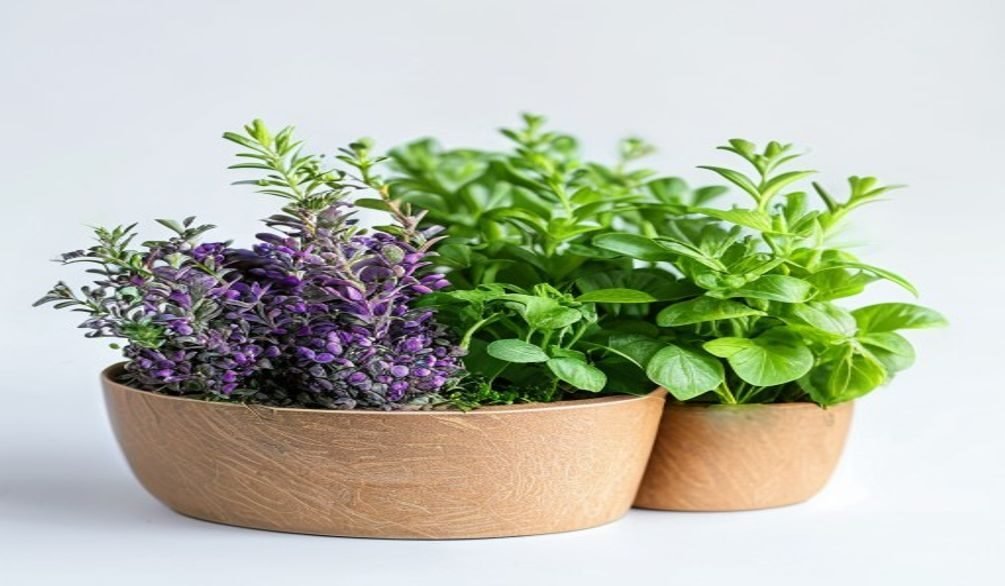
- Mediterranean Herb Wall: Combine rosemary, thyme, oregano, sage, and lavender. These drought-tolerant herbs share similar sun and water requirements, creating a fragrant and culinary delight. This is an excellent vertical herb garden design for sunny spots.
- Tropical Oasis: Feature lush ferns, colorful bromeliads, small orchids, and trailing pothos. This grouping thrives in higher humidity and indirect light, evoking a serene, exotic ambiance.
- Succulent Art Piece: Mix various echeverias, sedums, sempervivums, and string of pearls. Their diverse shapes, colors, and textures create a sculptural, low-maintenance display perfect for sunny, dry conditions. This is a fantastic option for a best plants for vertical garden aesthetic with minimal upkeep.
- Pollinator Paradise: Plant flowering species like lobelia, petunias, nasturtiums, and small marigolds. These attract bees and butterflies, contributing to local ecosystems and adding dynamic life to your garden.
- Edible Greens Wall: Dedicate sections to different types of lettuce, spinach, kale, and Swiss chard. This provides a continuous harvest of fresh greens, ideal for an edible vertical garden layout, especially for a small balcony vertical garden.
In practice, successful plant grouping strategies involve considering mature plant size, growth habit (upright, trailing), and color palette to achieve your desired aesthetic and functionality.
Companion Planting Strategies for Vertical Gardens
Companion planting is an age-old gardening technique that becomes particularly potent in the confined spaces of vertical gardens. This strategy involves growing specific plants together that offer mutual benefits, enhancing growth, deterring pests, or improving flavor. The short answer is, it works wonders.
For instance, pairing basil with tomatoes in a vertical planter isn’t just a classic culinary combination; basil is known to deter tomato hornworms and flies, benefiting its neighbor. This careful placement is key for effective companion planting vertical garden setups.
Beneficial Plant Pairings
- Herbs and Vegetables: Many herbs are excellent companions. Marigolds near vegetables can deter nematodes and other pests. Chives can protect carrots from rust fly. Fastest growing annual herbs like basil or cilantro can be integrated directly into your edible vertical garden layout.
- Pest Deterrents: Nasturtiums can act as a trap crop for aphids, drawing them away from more valuable plants. Mint, while vigorous, can be contained in its own pocket and helps deter ants and mice.
- Growth Enhancers: Legumes (like bush beans) can fix nitrogen in the soil, enriching it for neighboring plants. This is a subtle but powerful benefit in smaller vertical garden containers.
What most people miss is that the close proximity in vertical systems amplifies these interactions, making strategic companion planting even more impactful. You’re creating a miniature, cooperative ecosystem.
Optimizing Microclimates in Your Vertical Garden
One of the most sophisticated aspects of vertical garden design is understanding and leveraging the subtle variations in microclimates within your system. Different tiers and sections of a single vertical garden can experience distinct levels of light, temperature, and moisture, which you can use to your advantage.
A plant at the top of a multi-tiered system will receive more direct sun and potentially dry out faster than a plant at the bottom. This is where microclimate optimization vertical garden strategies come into play.
Strategies for Microclimate Management
- Light Zoning: Place sun-loving plants (like many herbs and flowering annuals) on the upper tiers or in sections receiving the most direct light. Reserve lower, shadier spots for shade-loving plants for vertical gardens such as ferns, impatiens, or leafy greens that prefer less intense light.
- Moisture Management: Plants that prefer consistently moist soil (e.g., lettuce, mint) can be placed in lower tiers where water tends to accumulate or drain more slowly. Drought-tolerant plants (like succulents or rosemary) are better suited for higher, drier spots. Consider your terrace garden watering schedule and how it impacts different tiers.
- Wind Protection: Taller, more delicate plants might benefit from being placed in more sheltered sections, while hardier, more compact plants can withstand greater exposure.
Understanding these micro-variations allows you to create ideal growing conditions for a wider range of plants within a single vertical structure. It’s about designing with nature, not against it.
Tips for Successful Vertical Garden Plant Combinations
Achieving a thriving vertical garden requires more than just picking compatible plants; it involves strategic planning and ongoing care. Here are some expert tips to ensure your vertical garden plant combinations flourish.
Key Considerations for Plant Grouping
- Root Depth: As experts advise, focus on plants with shallow root systems, such as annual flowers, most vegetables, and herbs. These perform best in the confined spaces of vertical containers.
- Growth Habit: Combine upright growers with trailing plants to create visual interest and maximize space. For example, a compact basil plant paired with a cascading nasturtium.
- Water & Nutrient Needs: Always group plants with similar requirements. This simplifies watering and fertilization, preventing overwatering sensitive plants or underwatering thirsty ones.
- Sunlight Exposure: Observe how sunlight hits your vertical garden throughout the day and choose plants accordingly. Derek Fell, a notable gardener, emphasizes this for space-saving vertical gardening.
- Aesthetic Harmony: Consider color, texture, and form. Aim for contrast and balance to create a visually appealing vertical garden aesthetic.
One genuine insight is that even with careful planning, some experimentation is often necessary. Don’t be afraid to adjust your vertical garden plant combinations based on how your plants respond.
Choosing the Best Vertical Gardening System
The right vertical gardening system provides the foundation for successful plant combinations and overall garden health. The choice depends on your space, budget, and the types of plants you intend to grow.
Popular Vertical Garden Systems
- Stackable Planters: Systems like the GreenStalk Vertical Garden are popular for their tiered design and efficient watering, suitable for various herbs, leafy greens, and even smaller vegetables like tomatoes and peppers. The VIVOSUN 5-Tier Stackable Planter offers an affordable entry point for growing up to 15 plants in a compact footprint.
- Hydroponic/Aeroponic Systems: The Lettuce Grow The Farmstand is an excellent example of a hydroponic system, using 95% less water than soil-based gardening and accommodating many plants. These systems are incredibly water-efficient; aeroponic systems, for instance, use up to 90% less water than even hydroponics. If you’re using hydroponics, consider our Hydroponic Plant Spacing Guide for optimal growth.
- Wall-Mounted Pockets/Panels: These systems are ideal for creating living walls with an emphasis on the best plants for vertical garden aesthetic. They are versatile for both flowering and foliage plants, as seen in architectural marvels like Milan’s Bosco Verticale or Singapore’s Supertrees at Gardens by the Bay, which demonstrate the profound impact of integrated vertical green spaces on urban environments.
Your choice of system directly influences the types of vertical garden plant combinations you can successfully implement, so consider it carefully.
Addressing Common Vertical Garden Challenges
Even with the best plant combinations and systems, vertical gardening presents unique challenges that require proactive solutions. Being prepared can prevent common pitfalls and ensure your garden thrives.
Solutions for Vertical Garden Issues
- Inconsistent Watering: Vertical gardens can dry out faster due to increased air exposure. Implement a consistent watering schedule, consider drip irrigation, or choose self-watering systems. For colder climates, refer to our Winter Care for Outdoor Vertical Gardens guide.
- Nutrient Depletion: Plants in containers quickly use up available nutrients. Regular feeding with a balanced liquid fertilizer is essential, especially for edible vertical garden layouts.
- Pest and Disease Management: Close plant proximity can sometimes lead to quicker spread of pests. Regular inspection and prompt organic treatments are vital. Companion planting can also offer natural pest deterrence.
- Structural Integrity: Ensure your vertical garden structure is robust enough to support the weight of mature plants and wet soil. Anchor wall-mounted systems securely.
- Root Bound Plants: Plants in smaller pockets can become root-bound. Choose appropriate plant sizes, consider periodic repotting, or select varieties that tolerate confined roots.
By anticipating these issues and integrating preventative measures into your vertical garden design ideas for beginners, you can maintain a healthy and vibrant display for years to come.
Frequently Asked Questions
What grows well together in a vertical garden?
Plants with similar light, water, and nutrient requirements grow best together in a vertical garden. Excellent pairings include herbs like basil and oregano, leafy greens such as lettuce and spinach, and flowering annuals like petunias and lobelia. Companion planting strategies can further enhance growth and deter pests.
What is the best method for vertical gardening?
The “best” method for vertical gardening depends on your goals, space, and budget. Stackable planters are great for beginners and edibles, while wall-mounted systems offer aesthetic flexibility for living walls. Hydroponic or aeroponic vertical gardens are highly efficient for water usage and yield, making them ideal for high-volume production.
What are the disadvantages of a vertical garden?
Common disadvantages of vertical gardens include faster drying out of soil, requiring more frequent watering, and the need for consistent nutrient replenishment due to limited soil volume. Initial setup costs can be higher than traditional gardens, and plants in close proximity may be more susceptible to rapid pest or disease spread if not managed proactively.
What are the 3 types of vertical gardens?
The three main types of vertical gardens are living walls (or green walls), stackable planters, and hydroponic/aeroponic systems. Living walls involve plants growing in panels attached to a vertical structure, stackable planters consist of tiered pots, and hydroponic/aeroponic systems grow plants without soil, using nutrient-rich water or mist.
By embracing creative vertical garden plant combinations and applying these expert strategies, you’re not just growing plants; you’re cultivating a dynamic, space-saving masterpiece. Start planning your unique plant groupings today to unlock the full potential of your vertical garden and enjoy a lush, thriving display that truly stands out.