Are you eager to enjoy fresh herbs but don’t want to wait months for a harvest? Discovering the fastest growing annual herbs is your key to a continuous supply of vibrant flavors, transforming your cooking and garden in record time. This guide will show you how to cultivate these seasonal favorites efficiently, ensuring quick harvests and maximum yields throughout their lifespan.
What Are the Fastest Growing Annual Herbs for Quick Harvests?
When you want to see results quickly, selecting the right annual herbs is paramount. These varieties are known for their rapid growth cycle, often ready for their first snip within weeks of planting, making them ideal quick harvest herbs for any gardener.
Here are some of the fastest growing annual herbs that offer continuous harvests:
- Basil (Ocimum basilicum): A warm-season favorite, basil can be harvested in as little as 3-4 weeks from transplanting. Its lush leaves regenerate quickly with proper pinching, providing a steady supply for pesto and Italian dishes.
- Cilantro (Coriandrum sativum): This herb is famous for its rapid growth, often ready for a first cilantro harvest within 3-4 weeks. It prefers cooler weather, so timing your planting is key to preventing bolting.
- Dill (Anethum graveolens): With its feathery foliage, dill is ready for use in 4-6 weeks. It’s a fantastic herb for flavoring fish, pickles, and salads, and its seeds are also culinary delights.
- Parsley (Petroselinum crispum): While sometimes slow to germinate, parsley grows vigorously once established, offering harvests in 6-8 weeks. Both flat-leaf and curly varieties are packed with nutrients, making it a great choice for continuous harvest.
- Arugula (Eruca vesicaria): Technically a leafy green but often used as an herb, arugula offers a peppery kick and is ready to harvest in just 3-4 weeks. It’s one of the easiest annual herbs to grow, especially for beginners.
What most people miss is that these herbs aren’t just fast; they’re also incredibly versatile. Choosing these varieties sets you up for success, whether you’re a seasoned gardener or just starting out.
Essential Tips for Growing Annual Herbs Successfully
To ensure your annual herbs thrive and provide abundant yields, understanding their basic needs is crucial. A little preparation and consistent care go a long way in cultivating healthy plants, especially for annual herbs for beginners.
Starting Your Herbs Right
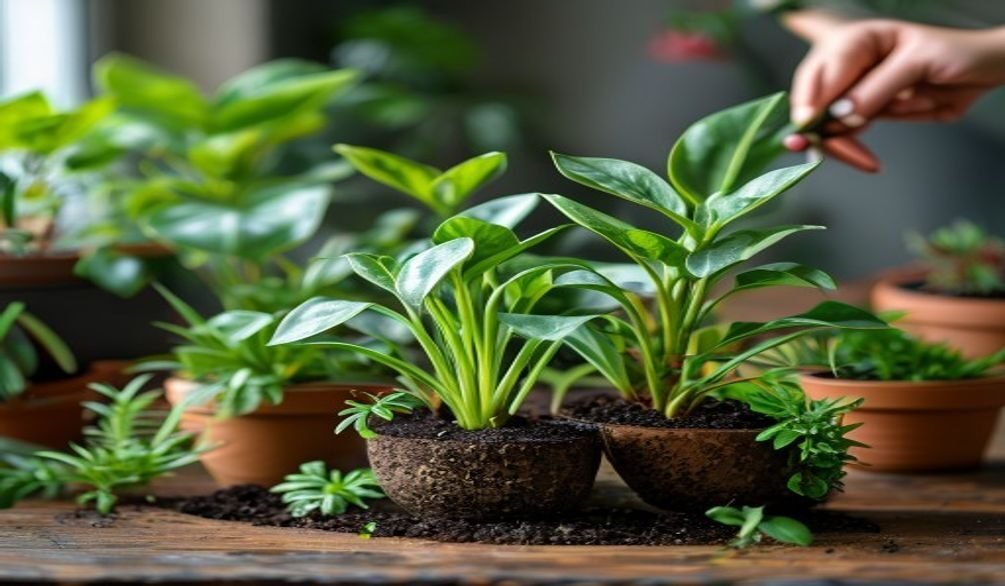
Most annual herbs prefer to be started from seed or small plant starts after the last frost. For optimal growth, provide them with plenty of sunlight—at least 6 hours per day. Karen Panter, Extension Horticulture Specialist at the University of Wyoming Extension, recommends “a good list” of herbs suitable for your climate, emphasizing the importance of matching plant to place. Utilize rich, well-draining soil, ideally amended with organic compost to provide essential nutrients and support vigorous growth.
Watering and Fertilizing for Continuous Growth
Consistent moisture is vital for these fast-growing plants. Water deeply when the top inch of soil feels dry, but avoid overwatering, which can lead to root rot. For organic herb gardening, a balanced organic liquid fertilizer applied every 2-4 weeks can encourage lush foliage and sustained production. Remember, healthy soil is the foundation for healthy herbs.
The Power of Succession Planting
For truly continuous harvests, implement succession planting herbs. This technique involves sowing small batches of seeds or planting new starts every 2-3 weeks. When one batch starts to slow down or bolt, another is ready to take its place. This strategy is particularly effective for herbs like cilantro and basil, which can bolt quickly in hot weather.
Maximizing Your Annual Herb Yields in Small Spaces
Even if you have limited room, you can still achieve impressive yields from your annual herbs. “Vertical and Small-Space Gardening” is seeing explosive growth in 2025 due to urbanization, proving that you don’t need a sprawling garden to grow your own food.
Container Gardening Herbs for Urban Environments
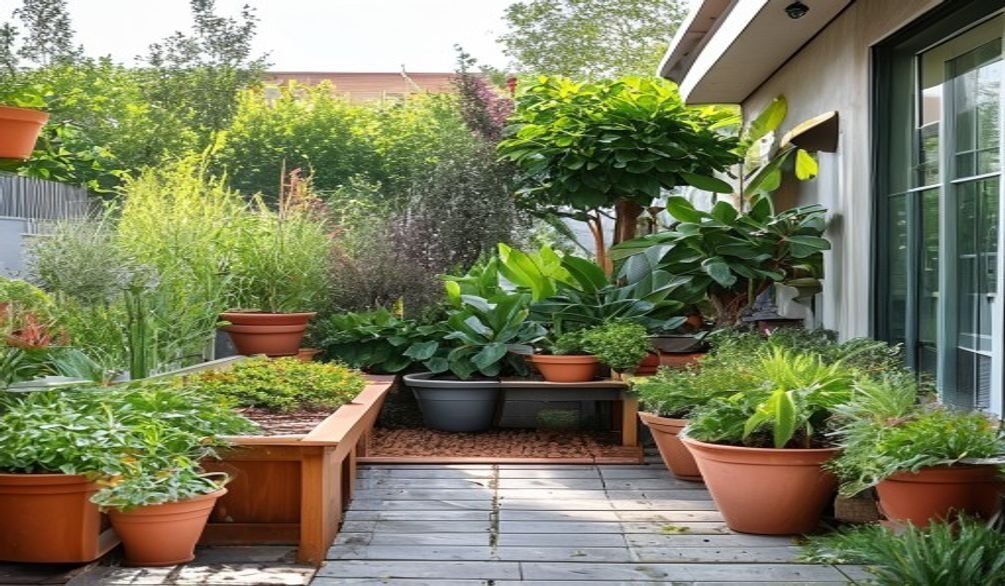
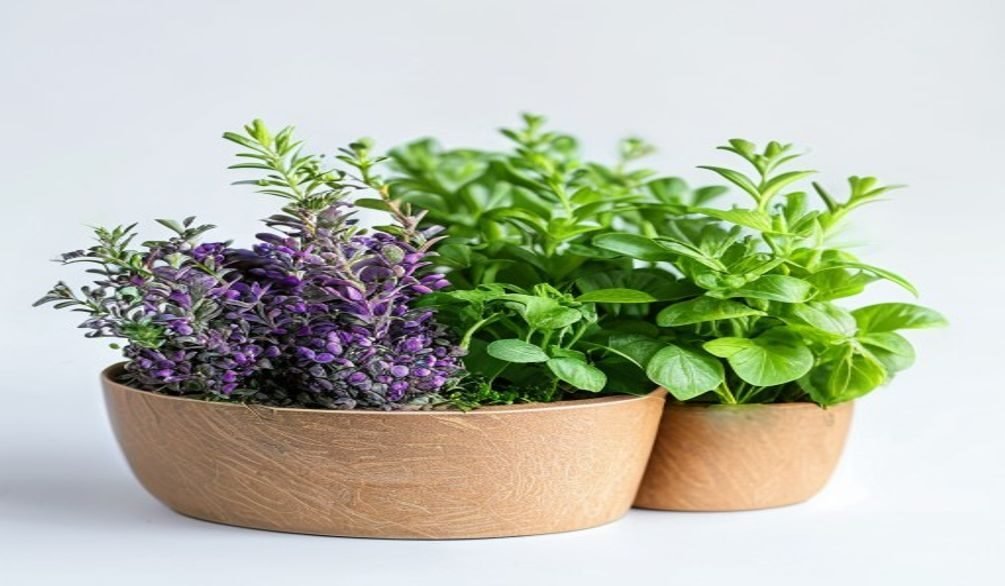
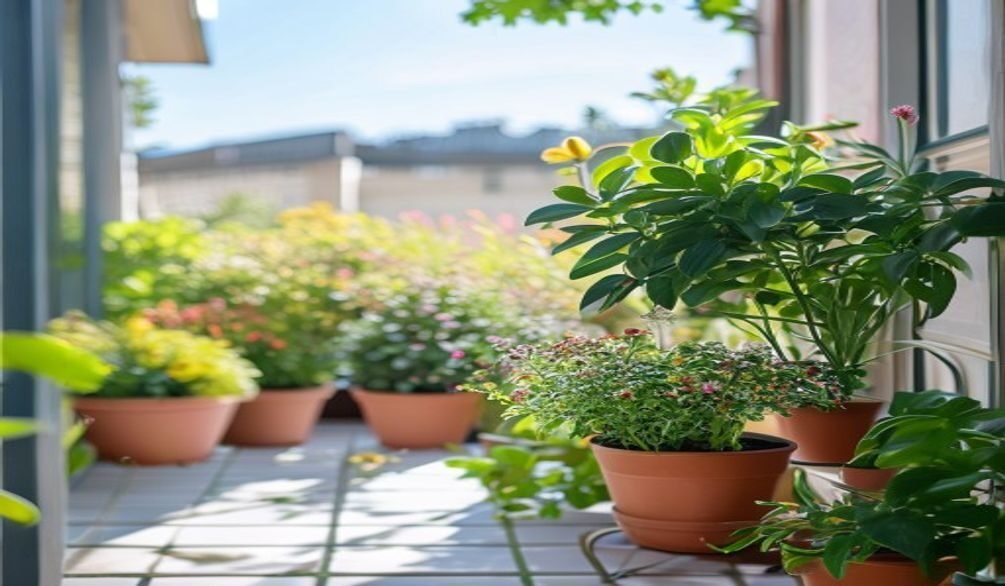
Growing herbs in pots is an excellent solution for balconies, patios, or windowsills. Choose containers with good drainage and ensure they are large enough to accommodate the herb’s root system. A 6-inch pot is usually sufficient for a single basil plant, for example. Grouping containers can create a microclimate, helping to retain humidity and warmth. For more ideas, explore our guide on Best Containers for Beginner Gardeners.
Vertical and Intensive Growing Techniques
Vertical gardening systems, like living walls or tiered planters, allow you to grow more in less footprint. You can even create a DIY Balcony Herb Spiral to maximize planting density and create varying microclimates for different herbs. Intensive planting, where herbs are spaced closer than traditional row gardening, also works well for small space gardening, as long as air circulation isn’t compromised. The key is to select compact varieties and prune regularly.
Troubleshooting Common Problems with Annual Herbs
Even the most experienced gardeners encounter issues. Addressing common problems quickly is essential for maintaining healthy plants and ensuring those quick harvest herbs keep coming. Understanding why problems occur is the first step in effective solutions.
Preventing Bolting Herbs
Bolting, where an herb prematurely flowers and goes to seed, is a common frustration, especially with cilantro and basil. It often occurs in response to high temperatures or stress. To prevent bolting herbs, ensure consistent watering, provide some afternoon shade during heatwaves, and harvest regularly by pinching back flower stalks as soon as they appear. Succession planting also helps mitigate the impact of bolting.
Dealing with Pests and Diseases
Annual herbs can attract various pests, including aphids, spider mites, and whiteflies. For effective pest control for herbs, regularly inspect your plants and act quickly. Organic solutions like neem oil, insecticidal soap, or simply a strong spray of water can often resolve minor infestations. Good air circulation and proper spacing between plants also help prevent fungal diseases. If you’re encountering more significant issues, our guide on Common Herb Garden Mistakes offers further insights.
The trick here is vigilance; catching problems early makes them far easier to manage without resorting to harsh chemicals.
Advanced Harvesting and Preservation for Annual Herbs
Once your annual herbs are thriving, knowing how to harvest correctly and preserve them effectively ensures you enjoy their fresh flavors long after the growing season ends. Freshly picked produce, including herbs, retains more nutrients than store-bought items, according to gardening experts.
Optimal Harvesting Techniques
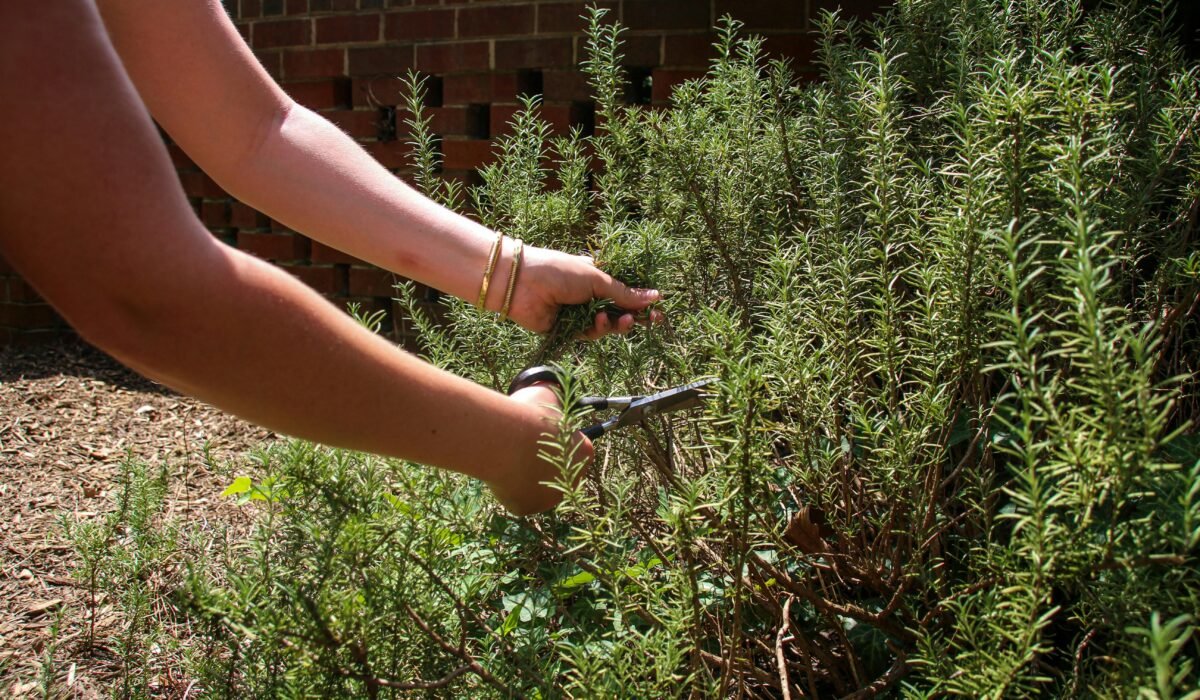
For most annual herbs like basil and parsley, harvest by pinching off the top sets of leaves or cutting stems just above a leaf node. This encourages branching and bushier growth, leading to more leaves for future harvests. For cilantro, harvest outer leaves first, allowing the inner ones to continue developing. Never remove more than one-third of the plant at once to ensure it can recover and continue producing.
Herb Preservation Methods for Peak Flavor
Beyond basic drying fresh herbs or freezing, consider these advanced preservation techniques:
- Herb Butters: Finely chop fresh herbs and mix them into softened butter. Roll into a log, wrap in parchment paper, and freeze. Perfect for adding instant flavor to cooked dishes.
- Pesto: Basil is famous for pesto, but you can make it with parsley, cilantro, or a mix of annual herbs. Blend herbs with garlic, nuts, cheese, and olive oil, then freeze in ice cube trays or small containers.
- Infused Oils and Vinegars: Gently warm herbs in olive oil or steep them in vinegar for a few weeks to create flavorful infusions. These are wonderful for salad dressings and marinades, capturing the essence of your garden.
- Blanching and Freezing: For herbs like parsley or basil, blanching briefly in boiling water before freezing can help retain color and flavor, especially if you plan to use them in cooked dishes later.
In practice, these methods allow you to capture the peak freshness and nutritional benefits of your harvest, reducing waste and extending your culinary options.
Creative Uses for Your Annual Herbs Beyond Cooking
Your garden’s bounty of annual herbs offers more than just culinary delights. Expanding beyond the kitchen opens up a world of practical, aromatic, and even health-boosting applications. This is where the true value of growing herbs at home shines, contributing to mental well-being and annual savings.
DIY Home and Body Products
- Natural Pest Repellents: Herbs like basil and dill can deter common garden pests. Plant them strategically around your vegetable beds. You can also create simple sprays by steeping herbs in water.
- Aromatic Sachets: Dry fragrant herbs like basil and dill, then combine them with lavender or rose petals in small cloth bags. These sachets can freshen drawers, closets, or even your car.
- Herbal Infused Skincare: Gently steep herbs like parsley in carrier oils (like almond or jojoba oil) to create soothing, nutrient-rich oils for skin. Parsley, for instance, is packed with iron and antioxidants.
Decor and Gifting Ideas
Consider using fresh herb sprigs as garnishes for gift wrapping or as part of a homemade bouquet. A small potted annual herb makes a thoughtful and practical gift, encouraging others to embrace the joy of gardening. The economic benefits are clear: growing herbs at home can lead to annual savings by reducing grocery bills, as fresh herbs can be surprisingly expensive.
The sense of accomplishment from creating something useful and beautiful from your garden is incredibly rewarding. It’s a testament to the versatility of these easy annual herbs to grow.
Frequently Asked Questions About Annual Herbs
What are the fastest growing annual herbs?
The fastest growing annual herbs typically include basil, cilantro, dill, parsley, and arugula. These varieties can often be harvested within 3-8 weeks of planting, providing a quick and continuous supply of fresh flavor throughout their growing season.
What herbs grow quickly for harvest?
Herbs like cilantro and basil grow exceptionally quickly for harvest, often ready for their first snip in 3-4 weeks. Arugula, technically a leafy green but used as an herb, also offers rapid growth and a peppery flavor in a similar timeframe. Consistent harvesting encourages more rapid new growth.
What herbs can be harvested multiple times?
Many annual herbs, including basil, parsley, and cilantro, can be harvested multiple times throughout their growing season. By pinching off outer leaves or cutting stems just above a node, you encourage the plant to produce new growth, ensuring a continuous supply. This practice helps maximize your yields.
What herbs are annuals and perennials?
Annual herbs complete their life cycle in one growing season (e.g., basil, cilantro, dill), while perennial herbs grow back year after year (e.g., mint, oregano, thyme, rosemary). Some herbs, like parsley, are biennials, meaning they grow foliage in the first year and flower/seed in the second, but are often grown as annuals for their leaves.
Embracing the world of fastest growing annual herbs is a rewarding journey that delivers fresh flavors and vibrant greenery with impressive speed. By applying smart growing techniques, from succession planting to innovative preservation methods, you can ensure a continuous bounty from even the smallest of spaces. Start planting today and savor the satisfaction of your own homegrown harvest!