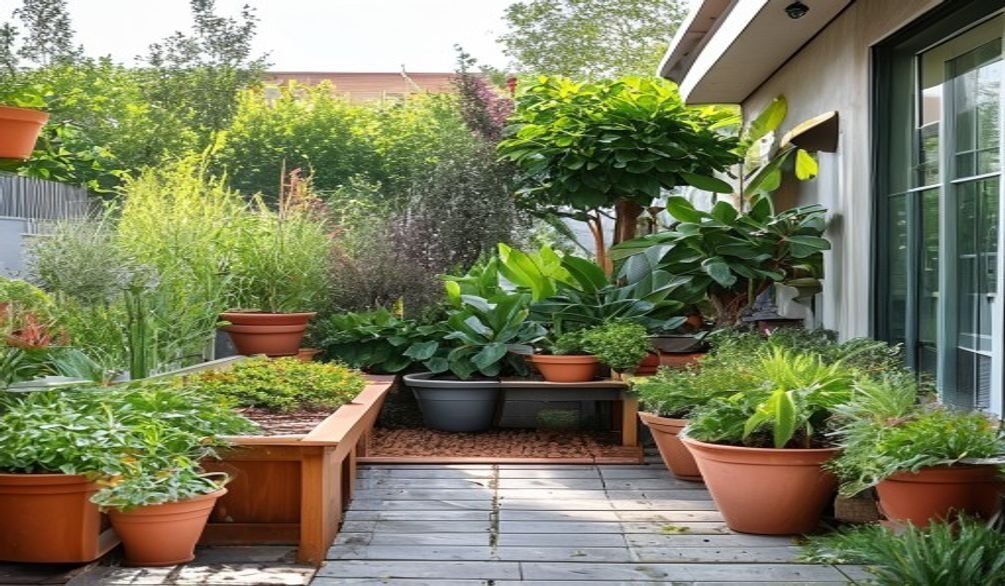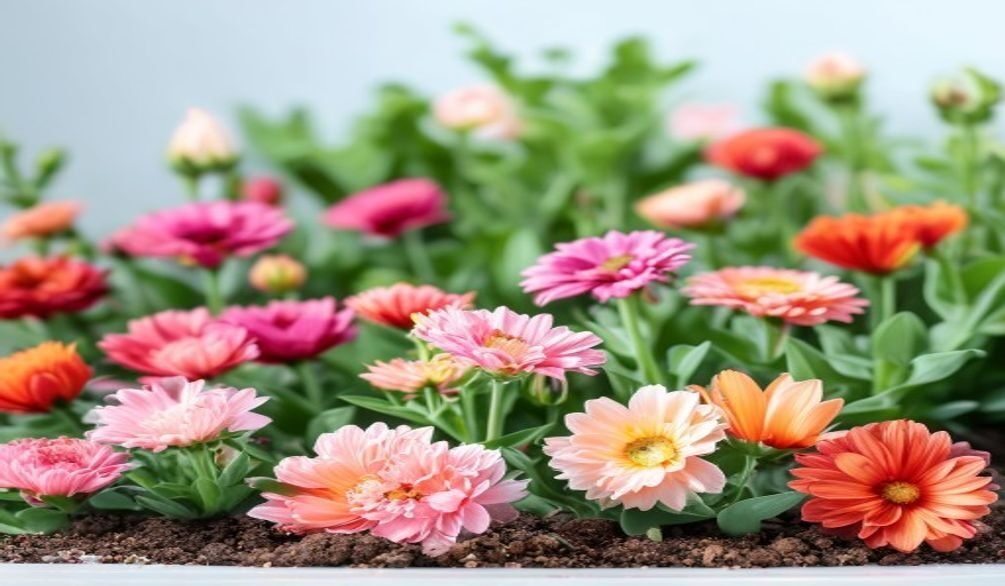
Do you dream of a garden overflowing with vibrant, continuous floral displays? Learning how to maximize flower blooms in raised beds is the secret to achieving that dream, transforming your gardening efforts into a spectacle of color and life. This guide will walk you through every essential step, from choosing the right flowers to implementing advanced cultivation techniques, ensuring your raised beds burst with more blossoms than ever before.
Why Choose Raised Beds for Your Flowers?
Raised beds offer a distinct advantage for growing flowers, providing an optimized environment that encourages prolific blooming. The primary benefit lies in the superior control you gain over soil conditions, which is fundamental for vibrant plant health.
Unlike in-ground gardens, raised beds allow you to create ideal well-draining soil for flowers, preventing waterlogging that can lead to root rot and stunted growth. This improved drainage, combined with better aeration, fosters healthier root systems, which in turn supports more robust foliage and abundant flowers. According to the National Garden Bureau, raised beds offer numerous benefits, including better drainage and soil quality, contributing to healthier plants.
What most people miss is that raised beds also warm up faster in the spring, extending your growing season and allowing for an earlier start to your floral displays. This means you can enjoy blooms sooner and for a longer duration. Studies even suggest that raised garden beds can use 73% less water while potentially yielding up to 30% more crops in certain regions, showcasing their efficiency for ornamental plants too.
What Flowers are Best for Raised Beds?
Choosing the right flowers is paramount if you want to maximize flower blooms in raised beds, especially considering the unique growing conditions. The best flowers for raised beds thrive in excellent drainage and appreciate the controlled environment.
Best Flowers for Raised Beds Full Sun
For beds basking in full sun, heat-loving annuals and perennials truly shine. Zinnias are a top choice; Laura Walsh, a Horticulture and Floriculture Expert, notes that “Zinnias thrive in raised beds because their roots require excellent drainage and oxygen to prevent fungal disease,” promoting stronger stems and consistent blooming. Other excellent options for sunny spots include Marigolds, Cosmos, Petunias, and Coreopsis, all known for their continuous, cheerful blooms.
Annual Flowers for Raised Beds
Annuals provide season-long color and are perfect for experimentation. Beyond Zinnias and Marigolds, consider Nasturtiums (edible flowers!), Snapdragons, and Sweet Alyssum. Katie Sunderlage, a Plant Expert, recommends Snapdragons for their vibrant spikes, noting their preference for loose, well-drained soil.
Perennial Flowers for Raised Beds
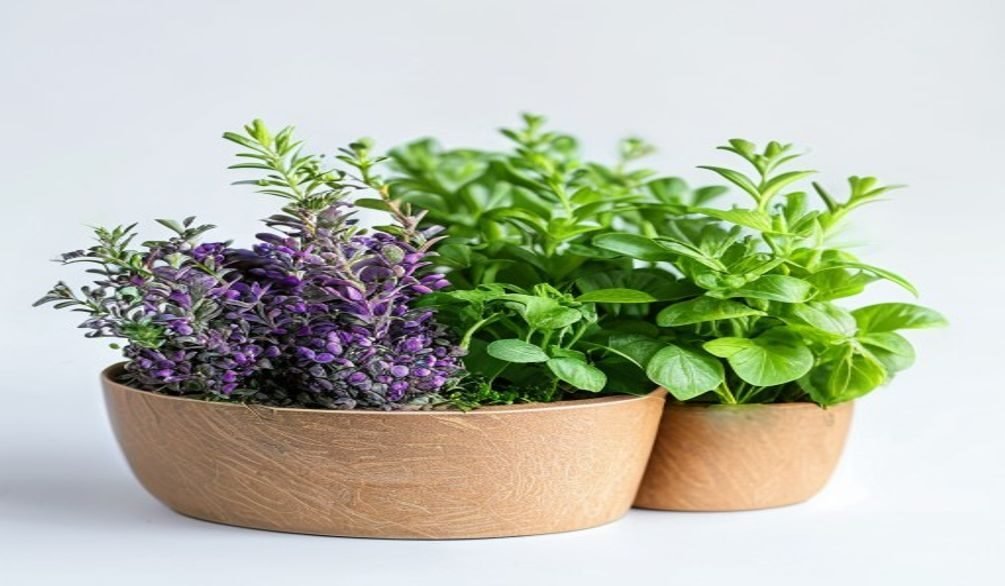
Perennial flowers offer recurring beauty year after year. Phlox performs exceptionally well in raised beds where enhanced drainage and airflow reduce the risk of crown rot and powdery mildew, as explained by Laura Walsh. Other great perennial choices include Coneflowers (Echinacea), Lavender, and certain varieties of Salvia, which establish strong root systems in the well-prepared soil.
Tall Flowers for Raised Beds
Don’t shy away from height in your raised beds. Tall flowers for raised beds like Delphiniums, Foxgloves, and Sunflowers can create stunning vertical interest and add drama to your garden design. Just ensure they have adequate support if needed, and consider their mature size when planning your layout.
How Deep Should a Raised Bed Be for Flowers?
The ideal raised bed depth for flowers is a critical factor for healthy root development and abundant blooming. The short answer is that it depends on the types of flowers you plan to grow, but generally, deeper is better within reason.
For most annual flowers, an ideal depth of 8-12 inches is recommended to allow sufficient root growth. This depth provides enough space for roots to spread out, access nutrients, and remain stable. Katie Sunderlage confirms this, suggesting “8-12” to allow enough room for the roots to grow” for flowers like snapdragons.
However, if you’re planning to grow larger plants, tall flowers for raised beds, or perennials with more extensive root systems, a depth of 18-24 inches can be even more beneficial. Deeper beds offer greater soil volume, which translates to more consistent moisture and nutrient availability, reducing the need for frequent watering and feeding. This extra depth is also excellent for raised bed gardening for cut flowers, as it supports strong, long stems.
What Kind of Soil Do You Put in a Raised Flower Bed?
The soil mix is arguably the most crucial component for successful flower cultivation in raised beds. You need a rich, loose, and well-draining medium that provides ample nutrients and aeration. What most people miss is that simply filling a raised bed with garden soil isn’t enough; you need a specialized blend.
For an optimal soil mix for raised flower beds, a common recommendation is a blend of topsoil, compost, and an aeration amendment like perlite or vermiculite. Katie Sunderlage emphasizes using “loose, well-drained soil” with added compost for robust plant growth. Brands like Miracle-Gro® Raised Bed Soil and Espoma Organic Raised Bed Mix are specifically formulated to provide these ideal conditions, offering excellent drainage and a balanced nutrient profile.
The goal is to create a living soil that supports microbial activity and nutrient cycling. Incorporating plenty of organic amendments for raised beds, such as well-rotted compost, aged manure, or worm castings, is essential. These amendments not only provide a slow release of nutrients but also improve soil structure, enhancing both drainage and water retention. This rich, active soil environment is fundamental to maximize flower blooms in raised beds, ensuring your plants have a consistent supply of everything they need to flourish. For further tips on enriching your garden, check out our guide on Maximize Organic Garden Yields: Strategic Blueprint.
Advanced Techniques to Maximize Flower Blooms in Raised Beds
Beyond basic care, employing advanced cultivation methods can significantly boost your floral output. These strategies focus on manipulating plant growth and extending the blooming season.
Advanced Pruning Techniques for Flowers
Strategic pruning is key to encouraging bushier plants and more flowers. This goes beyond simple deadheading. Pinching is an advanced pruning technique where you remove the growing tip of a young plant. For example, pinching back annuals like Zinnias, Marigolds, and Petunias when they are young encourages lateral branching, leading to more flower buds rather than just a single tall stem. Use sharp pruning shears, like Felco Pruners, for clean cuts.
Deadheading, the removal of spent flowers, is crucial for continuous blooming. It signals the plant to produce more flowers rather than expending energy on seed production. Diane Blazek, a Horticultural Expert, advises careful watering for plants susceptible to mildew, which can be mitigated by good pruning and airflow.
Sequential Planting for Continuous Bloom
To ensure a garden that always has something in bloom, implement sequential planting for continuous bloom. This involves staggering your planting times for annuals or choosing a variety of flowers with different bloom periods. For instance, plant a batch of Marigolds every 2-3 weeks in early summer to ensure a fresh wave of flowers throughout the season. Combine early spring bloomers with mid-summer and late-season varieties to maintain interest from frost to frost.
Companion Planting for Flower Production
While often associated with vegetables, companion planting can also enhance flower production and health. Marigolds, for example, are known to deter nematodes and other pests, benefiting nearby flowers. Planting Borage near other flowering plants can attract pollinators, leading to better fruit and seed set (if applicable) and a healthier ecosystem overall. This symbiotic relationship fosters a more vigorous and floriferous raised bed.
Long-Term Soil Health & Nutrient Management for Continuous Blooms
Maintaining optimal soil health and nutrient levels over multiple seasons is crucial for sustained, vibrant flower production in a confined raised bed environment. Unlike in-ground gardens, raised beds have a finite volume of soil, making consistent nutrient management essential.
Begin with a nutrient-rich foundation, as discussed earlier. Over time, as plants grow and nutrients are absorbed, you’ll need to replenish them. This is where strategic nutrient management in raised beds comes into play. Incorporate fresh compost annually, ideally in spring before planting, to slowly release essential nutrients. You can also use specific organic amendments for raised beds like bone meal for phosphorus (flower production), blood meal for nitrogen (foliage growth), and kelp meal for micronutrients.
For a consistent boost, consider a slow-release granular fertilizer. Katie Sunderlage recommends an “all-purpose, 10-10-10 slow-release formula” for fertilizing snapdragons every 2-4 weeks during summer blooming. Liquid feeds, like fish emulsion or compost tea, can provide quick boosts during peak flowering periods. What many gardeners overlook is the importance of preventative measures against nutrient depletion; rotating your annuals and occasionally adding a thin layer of worm castings can dramatically improve soil vitality and help maximize flower blooms in raised beds season after season.
Troubleshooting Common Issues in Raised Flower Beds
While raised beds offer many advantages, they also present specific challenges that require targeted solutions to keep your flowers thriving. Understanding these unique issues is key to effective problem-solving.
Managing Rapid Drying and Watering
One of the most common issues is that raised beds tend to dry out faster than in-ground gardens, especially in hot climates. This is due to increased air circulation around the bed and better drainage. To combat rapid drying, ensure your soil mix has good water retention capabilities, incorporating plenty of organic matter. Mulching heavily with wood chips, straw, or shredded leaves will significantly reduce evaporation and stabilize soil temperature. Consistent watering is vital; consider a drip irrigation system or a soil moisture meter to prevent both over and underwatering. For more sustainable watering practices, consult our guide on Sustainable Irrigation Methods Organic Garden: Expert Guide.
Addressing Nutrient Imbalances
Because raised beds are closed systems, nutrient imbalances can occur. If leaves show signs of yellowing (nitrogen deficiency) or purpling (phosphorus deficiency), a soil test can pinpoint the exact issue. Correct imbalances with targeted organic fertilizers or compost. Over-fertilization can also be a problem, leading to excessive foliage at the expense of flowers; always follow product instructions carefully.
Pest and Disease Control Raised Beds
While raised beds can sometimes mitigate soil-borne diseases due to fresh soil, they are not immune to pests and diseases. Good airflow, achieved through proper plant spacing and pruning, is crucial to prevent fungal issues like powdery mildew, which Phlox can be susceptible to. Regularly inspect your plants for early signs of pests. Companion planting (e.g., Marigolds) can deter some insects. For specific infestations like thrips, early identification and organic treatments are vital. Learn more about effective pest management in our article on Solve Thrips Infestations: Identify, Treat, Prevent.
Designing Your Raised Flower Bed for Maximum Impact
A well-designed raised flower bed not only maximizes blooms but also enhances the aesthetic appeal of your entire garden. Thoughtful planning can create a stunning display that draws the eye and delights the senses.
Raised Garden Bed Flower Garden Design Principles
When planning your raised garden bed flower garden design, consider principles like color harmony, varying heights, and texture contrasts. Grouping plants with similar light and water needs simplifies care. Create visual interest by placing taller flowers towards the back or center (if viewable from all sides), medium-height plants in the middle, and cascading varieties along the edges. Beattie Williams’ garden in Vicksburg, Mississippi, is a fantastic example of integrating diverse plants, including marigolds for pest deterrence, to achieve both aesthetic appeal and productivity.
Creating a Raised Bed Garden for Cut Flowers
For those interested in raised bed gardening for cut flowers, design with harvesting in mind. Plant flowers in rows or blocks rather than intricate patterns, making it easier to access and cut blooms without damaging neighboring plants. Prioritize prolific bloomers with strong stems, such as Zinnias, Cosmos, Snapdragons, and Dahlias. Ensure good pathways around your raised bed for comfortable harvesting.
Strategic Plant Grouping and Spacing
Proper spacing is crucial to allow adequate airflow and light penetration, which directly impacts bloom production and helps prevent disease. Avoid overcrowding, even if it means planting fewer plants initially. Consider the mature size of each plant when spacing. Grouping plants with similar cultural requirements (sun, water, soil pH) simplifies maintenance and ensures each plant receives its ideal conditions, ultimately helping you maximize flower blooms in raised beds.
Frequently Asked Questions
What flowers are best for raised beds?
The best flowers for raised beds are those that thrive in well-draining soil and benefit from the consistent growing conditions a raised bed provides. Popular choices include Zinnias, Marigolds, Cosmos, Snapdragons, Petunias, and Phlox, as they are known for their prolific blooming and adaptability to diverse conditions within a raised bed environment.
How deep should a raised bed be for flowers?
For most annual flowers, a raised bed depth of 8-12 inches is sufficient to allow for healthy root growth and nutrient access. However, for larger plants, tall flowers, or perennials with more extensive root systems, a depth of 18-24 inches is ideal, offering greater soil volume for consistent moisture and nutrient availability.
What kind of soil do you put in a raised flower bed?
You should put a loose, well-draining, and nutrient-rich soil mix in a raised flower bed. An ideal blend often consists of high-quality topsoil mixed with plenty of organic amendments like compost, aged manure, or worm castings, along with an aeration amendment such as perlite or vermiculite, ensuring optimal conditions for root development and continuous blooming.
Do flowers grow better in raised beds?
Yes, flowers often grow better in raised beds due to several key advantages. Raised beds offer superior drainage, allowing roots to breathe and preventing waterlogging, and they enable gardeners to create a custom, nutrient-rich soil environment tailored to specific plant needs. Additionally, the soil in raised beds warms faster in spring, extending the growing season and encouraging earlier, more abundant blooms.
Mastering the art of growing flowers in raised beds is a rewarding journey that promises a garden filled with spectacular blooms. By meticulously preparing your soil, selecting the right varieties, and applying advanced cultivation techniques, you can truly maximize flower blooms in raised beds and enjoy a vibrant, flourishing display all season long. Start planning your raised bed oasis today and watch your floral dreams come to life.