Are you tired of seeing your precious garden thirsty, knowing how much water is wasted through traditional methods? Implementing **Sustainable Irrigation Methods Organic Garden** practices is not just an eco-friendly choice; it’s essential for a thriving, resilient garden, especially as water resources become increasingly precious. This expert guide will equip you with the knowledge and actionable strategies to dramatically reduce your garden’s water consumption, ensuring lush growth while honoring our planet’s most vital resource.
What are Sustainable Irrigation Methods for Organic Gardens?
Sustainable irrigation methods for organic gardens focus on delivering water efficiently to plant roots while minimizing waste and supporting the garden’s natural ecosystem. This approach moves beyond simple watering to consider the entire water cycle within your garden, from source to soil. It’s about working with nature, not against it, to ensure your plants receive exactly what they need without excess. What most people miss is that true sustainability integrates water use with overall soil health and plant selection.
These methods prioritize water conservation, reducing your environmental footprint and often your water bill. They encompass a range of techniques, from improving soil structure to employing advanced delivery systems and even harvesting natural rainfall. Adopting these eco-friendly garden watering practices is crucial, especially when considering that the EPA estimates up to 50% of outdoor water use is wasted due to inefficiencies.
How Does Organic Soil Health Improve Water Retention?
The foundation of effective water conservation in any organic garden lies in its soil. Healthy, organically rich soil acts like a sponge, dramatically improving water retention and reducing the need for frequent irrigation. When you consistently amend your soil with compost and other organic matter, you’re not just feeding your plants; you’re building a resilient, water-wise growing medium.
Here’s the thing: increasing soil organic matter by just 5% can quadruple its water-holding capacity, according to various agricultural studies. This incredible ability stems from the complex structure of organic materials like compost, which can hold up to 100% of its weight in water, slowly releasing moisture and nutrients to plant roots. Leaf mold, another excellent organic amendment, can even hold up to 500% of its own weight in water. These materials create larger pore spaces in heavy clay soils for better infiltration and bind sandy soils to prevent rapid drainage.
Beyond the physical structure, organic soil health fosters a vibrant microbial community that plays a critical role in water dynamics. These beneficial microbes create stable soil aggregates, further enhancing infiltration and reducing runoff. The Rodale Institute reports that “organic fields hold more water during droughts,” indicating the superior water retention capabilities of organically managed soils compared to conventional ones. This robust microbial life also helps plants access water and nutrients more effectively, making them more resilient to drought stress. For more on building healthy soil, consider our guide on Organic Garden Crop Rotation: The Ultimate Soil Health Guide.
Advanced Organic-Compatible Irrigation Systems Compared
Choosing the right irrigation system is pivotal for **Sustainable Irrigation Methods Organic Garden** success. While traditional sprinklers saturate foliage and encourage evaporation, targeted systems deliver water directly to the root zone, significantly boosting drip irrigation efficiency and overall water savings. Integrating these systems with organic gardening principles ensures minimal soil disturbance and optimal plant health.
Drip Irrigation Systems
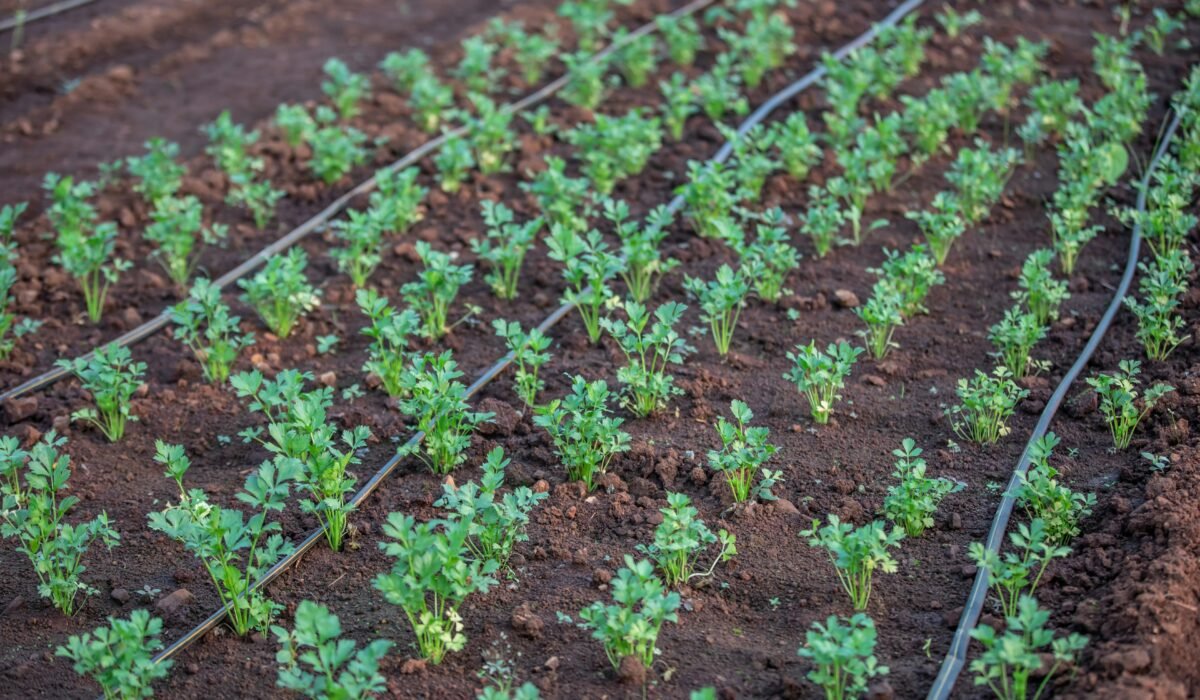
Drip irrigation is arguably the most efficient method for organic gardens, capable of reducing water usage by up to 50% compared to traditional sprinklers. These systems deliver water slowly and directly to the plant’s root zone through a network of tubing and emitters. This localized watering minimizes evaporation, reduces weed growth (by not watering the spaces between plants), and prevents fungal diseases that thrive on wet foliage.
For organic gardeners, choosing non-toxic, food-grade tubing and ensuring emitters don’t clog with organic soil particles is key. Options like pressure-compensating emitters ensure uniform water delivery across varying terrain, which is particularly useful for larger or sloped gardens. Products such as the DIG drip irrigation system are known for reliability, while Peaceful Valley offers comprehensive kits for DIY installation.
Soaker Hoses
Soaker hoses are another excellent choice for organic gardens, offering a simpler, more affordable alternative to drip systems. These hoses are made from porous material, often recycled rubber, that “weeps” water along their entire length. They can be buried shallowly under mulch or laid directly on the soil surface to deliver water directly to roots.
The benefit of soaker hoses lies in their ease of installation and ability to cover long rows or densely planted areas with minimal fuss. Recycled tire soaker hoses exemplify eco-friendly garden watering, effectively delivering moisture below leaf level. However, they can be less precise than drip emitters, so monitoring water distribution is important to prevent overwatering in some areas and underwatering in others.
Olla Pots
Olla pots are an ancient, extremely water-wise irrigation method perfectly suited for organic gardens, especially in drier climates. These unglazed clay pots are buried in the soil with only their neck exposed and filled with water. The porous clay slowly releases moisture directly into the surrounding soil as plants draw water from it, creating a localized, self-regulating irrigation system.
Olla pots are incredibly efficient because water is delivered directly to the roots without evaporation or runoff. They are ideal for individual plants, raised beds, or small clusters of plants, promoting deep root growth. This method aligns beautifully with organic principles by providing consistent moisture without disturbing soil structure or microbial life.
Water Conservation Techniques for Your Organic Garden
Beyond irrigation systems, several foundational techniques can significantly reduce your garden’s thirst. These practices are integral to overall organic garden water conservation and foster a healthier, more resilient ecosystem. Implementing these methods is often the first step towards a truly water-wise garden.
- Mulching for Moisture Retention: A 3- to 5-inch layer of organic mulch is a game-changer. Mulching benefits water conservation by reducing soil water evaporation by up to 70% compared to bare soil, according to research. Materials like straw, wood chips, shredded bark, compost, or leaves also suppress weeds, regulate soil temperature, and break down to enrich the soil. Calloway’s Nursery offers various organic mulches, including hardwood and cedar, for different needs.
- Watering Smartly: The timing and method of your watering make a huge difference. Water deeply and infrequently to encourage deep root growth, making plants more resilient to dry spells. The best time to water organic garden plants is in the early morning, reducing evaporation and allowing foliage to dry before nightfall, which prevents fungal issues. Avoid midday watering, as much of it simply evaporates.
- Grouping Plants by Water Needs (Hydrozoning): Arrange plants with similar water requirements together. This allows you to water specific zones according to their needs, preventing overwatering of drought-tolerant plants and underwatering of thirsty ones. This strategic planting is a core tenet of water-wise gardening tips.
- Weed Control: Weeds compete with your cultivated plants for water and nutrients. Keeping garden beds free of weeds ensures that all available moisture goes to your desired plants. Mulching is an excellent weed suppressant, but manual weeding is also effective.
Regional & Climate-Specific Water Conservation Strategies
One size does not fit all when it comes to water conservation. Your local climate and regional conditions should heavily influence your **Sustainable Irrigation Methods Organic Garden** plan. Adapting your strategies ensures maximum efficiency and plant success, whether you’re battling arid heat or managing seasonal downpours.
* Arid & Mediterranean Climates: In these dry regions, water is a precious commodity. Prioritize xeriscaping principles, focusing on drought-tolerant plants (more on this below), extensive mulching, and highly efficient drip irrigation. Consider deep watering systems like olla pots, which are exceptionally effective at delivering water directly to roots with minimal loss. Rainwater harvesting systems become even more critical here, capturing every drop during infrequent rains.
* Humid & Temperate Climates: While these regions receive more rainfall, efficient water use is still vital. Focus on improving soil drainage and aeration to prevent waterlogging, which can be as detrimental as drought. Raised beds can be beneficial. Rainwater harvesting is excellent for supplementing irrigation during dry spells, reducing reliance on municipal water. Use smart irrigation controllers that adjust schedules based on local rainfall, preventing unnecessary watering.
* Cold Climates: Water conservation here often involves managing seasonal changes. Prepare beds with ample organic matter to retain moisture through dry periods, and ensure good drainage to prevent freeze-thaw damage. Plan for efficient irrigation during the growing season, but also consider practices that build soil resilience for the off-season.
In practice, a gardener in Arizona will rely heavily on xeriscaping and advanced drip systems, while a gardener in Oregon might focus more on rainwater harvesting and optimizing soil structure to manage both rainfall and occasional dry spells. Understanding your local climate is the first step in truly sustainable agriculture water management.
Harvesting & Reusing Water in Your Organic Garden
Leveraging natural water sources and rethinking “waste” water are cornerstones of advanced organic garden water conservation. By capturing and reusing water, you reduce your reliance on municipal supplies and create a more self-sufficient garden ecosystem. This approach embodies sustainable agriculture water practices at a household level.
Rainwater Harvesting Systems
Collecting rainwater is one of the most straightforward and effective ways to boost your garden’s water supply. Simple solutions include placing recycled plastic barrels or containers under downspouts to collect runoff from your roof. The Conservation Foundation, for example, sells 55-gallon rain barrels made from recycled, food-grade plastic, making this an accessible option for homeowners.
For more extensive systems, consider installing larger cisterns connected to your gutter system. Rainwater is naturally soft and free of chlorine and other chemicals often found in tap water, making it ideal for plants. Using collected rainwater for your garden reduces your water bill and lessens the strain on local water infrastructure.
Greywater Recycling Garden
Greywater recycling involves diverting gently used household water (from sinks, showers, and laundry, but NOT toilets) to irrigate your landscape. While more complex to implement than rainwater harvesting, a greywater recycling garden can significantly reduce your outdoor water consumption, especially in drought-prone areas.
It’s crucial to use biodegradable, plant-friendly soaps and detergents if you plan to implement a greywater system, as harsh chemicals can harm your plants and soil microbes. Always check local regulations before installing a greywater system, as permits and specific system designs may be required. This method represents a powerful step towards a truly eco-friendly garden watering system.
Choosing Drought-Tolerant Plants for Organic Gardens
The “right plant, right place” philosophy is paramount for water conservation. Selecting drought-tolerant plants that are naturally adapted to your local climate significantly reduces the need for supplemental irrigation, making your garden inherently more water-wise. This is a foundational strategy for any gardener committed to sustainable practices.
Native plants are always an excellent starting point because they have evolved to thrive in your region’s specific rainfall patterns and soil conditions. Once established, they typically require far less water than non-native species. Beyond natives, many popular garden plants boast impressive drought resistance.
Examples of drought-tolerant plants suitable for organic gardens include:
- Succulents and Cacti: Famous for their ability to store water, requiring minimal irrigation.
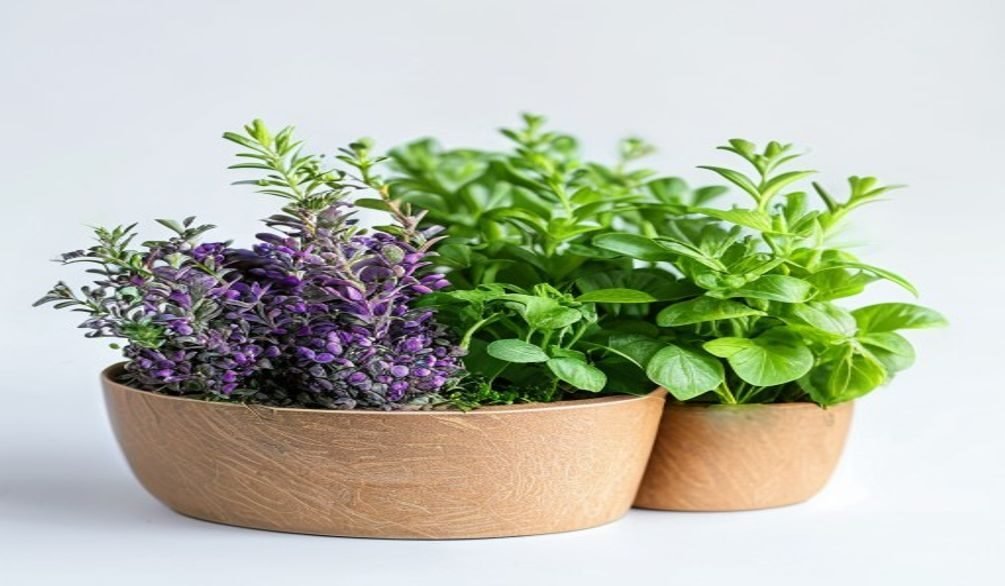
- Lavender: A beautiful, fragrant herb that thrives in dry, sunny conditions.
- Rosemary: Another aromatic herb that’s remarkably tough and water-efficient.
- Ornamental Grasses: Many varieties are extremely resilient and add texture to the garden.
- Yarrow (Achillea): Attracts pollinators and tolerates dry spells well.
- Coneflower (Echinacea): A vibrant perennial that needs little water once established.
When choosing plants, consider their mature size and water needs. Grouping plants with similar water requirements (hydrozoning) further enhances efficiency, preventing overwatering of these resilient species. This approach not only saves water but also creates a garden that is more harmonious with its natural environment.
Monitoring & Optimizing Water Use for Efficiency
Even with the best systems and plants, continuous monitoring and optimization are key to achieving peak water efficiency in your organic garden. What most people miss is that your garden’s water needs aren’t static; they change with the weather, plant growth, and season. Smart management ensures every drop counts.
One simple yet powerful tool is a **soil moisture sensor** (often called a moisture thermometer). These devices provide accurate readings of soil moisture levels, preventing both overwatering and underwatering. Instead of guessing, you’ll know exactly when your plants need a drink. This is critical for optimizing water use for efficiency.
For automated systems, **smart irrigation controllers** are a game-changer. These advanced controllers can improve watering efficiency by up to 40% by integrating with local weather data, adjusting irrigation schedules based on rainfall, temperature, and humidity. They can even factor in soil type and plant needs, delivering truly precise watering. Automatic garden water timers are a good entry-level option for hose-based systems, offering basic scheduling.
Regularly inspect your irrigation system for leaks, clogs, or misdirected emitters. A tiny leak can waste gallons of water over time. Adjust watering schedules as plants mature, or as seasons change; young plants typically need more frequent, shallow watering, while established plants benefit from deeper, less frequent irrigation. This proactive approach ensures your sustainable irrigation methods organic garden remains a model of water conservation.
Frequently Asked Questions
What are sustainable irrigation methods for organic farming?
Sustainable irrigation methods for organic farming prioritize water efficiency, soil health, and minimal environmental impact. These include drip irrigation systems, which deliver water directly to plant roots, and rainwater harvesting, which collects and stores natural precipitation. Practices like mulching and improving organic soil water retention are also crucial, reducing the overall demand for irrigation.
How do you maintain water in an organic garden?
Maintaining water in an organic garden primarily involves enriching the soil with organic matter like compost, which significantly improves its water-holding capacity. Additionally, applying a thick layer of organic mulch reduces evaporation and keeps the soil cool. Using targeted irrigation methods such as drip systems or soaker hoses, and selecting drought-tolerant plants, also helps conserve moisture.
What is the best way to conserve water in a garden?
The best way to conserve water in a garden is through a combination of strategies, starting with improving soil health by incorporating ample organic matter. Employing efficient irrigation systems like drip irrigation, using organic mulches to reduce evaporation, and choosing plants adapted to your local climate (drought-tolerant plants) are all highly effective. Monitoring soil moisture and watering deeply but infrequently also plays a vital role.
What is sustainable water in agriculture?
Sustainable water in agriculture refers to practices that use water resources efficiently, minimize waste, and protect water quality for current and future generations. This includes adopting water-saving irrigation technologies, enhancing soil’s natural water retention capabilities, integrating rainwater and greywater harvesting, and cultivating crops that are well-suited to local climatic conditions. The goal is to produce food with the least possible water footprint while maintaining ecological balance.
Embracing **Sustainable Irrigation Methods Organic Garden** practices is a powerful step towards a more resilient, thriving garden and a healthier planet. By prioritizing soil health, implementing efficient watering systems, and making smart plant choices, you can dramatically reduce your water footprint without sacrificing lush growth. Start small, perhaps by adding mulch or installing a simple drip line, and watch your garden flourish with less water. Your plants, your wallet, and the environment will thank you.