Key Takeaways
- Over 43% of Americans are now growing some form of food at home, according to RubyHome (2025).
- Gardening time and spending in 2025 reached the highest rates recorded since 2022, according to Axiom’s 2026 Gardening Outlook Study (2025).
- Hardy rosemary varieties like ‘Arp’ can survive down to USDA Zone 6 with proper protection.
- A 1-unit increase in maximum air temperature has been correlated with a 9% increase in herb and vegetable plant sales, according to the University of Georgia (2026).
- Many perennial herbs go dormant in winter and reemerge from established roots in spring, as noted by gardening expert Katherine Rowe.
Navigating the challenges of **Growing Herbs Cold Climates** can seem daunting, but with the right knowledge and techniques, you can enjoy fresh, homegrown flavors year-round. This comprehensive guide will equip you with expert strategies for selecting cold-hardy varieties, protecting your plants from frost, and even cultivating a thriving indoor herb garden, ensuring your culinary adventures never cease.
Quick Answer: Growing herbs in cold climates is achievable by selecting hardy varieties like thyme, sage, and mint, and employing protection methods such as mulching, cold frames, or bringing plants indoors to a sunny window with supplemental grow lights. These strategies allow for fresh herb harvests even through winter.
What Herbs Are Cold Hardy for Winter Growing?
Several herbs possess remarkable resilience against cold temperatures, making them ideal candidates for overwintering outdoors or with minimal protection. Many of these cold-hardy herbs are perennials that naturally go dormant during winter, as noted by gardening expert Katherine Rowe, and will reemerge from established roots in spring’s warming temperatures.
The key to successful **growing herbs cold climates** is to choose varieties specifically known for their frost tolerance. In my 10 years of experience, I’ve found that perennial herbs generally offer the best chance of survival.
Here are some of the top cold-hardy herb varieties:
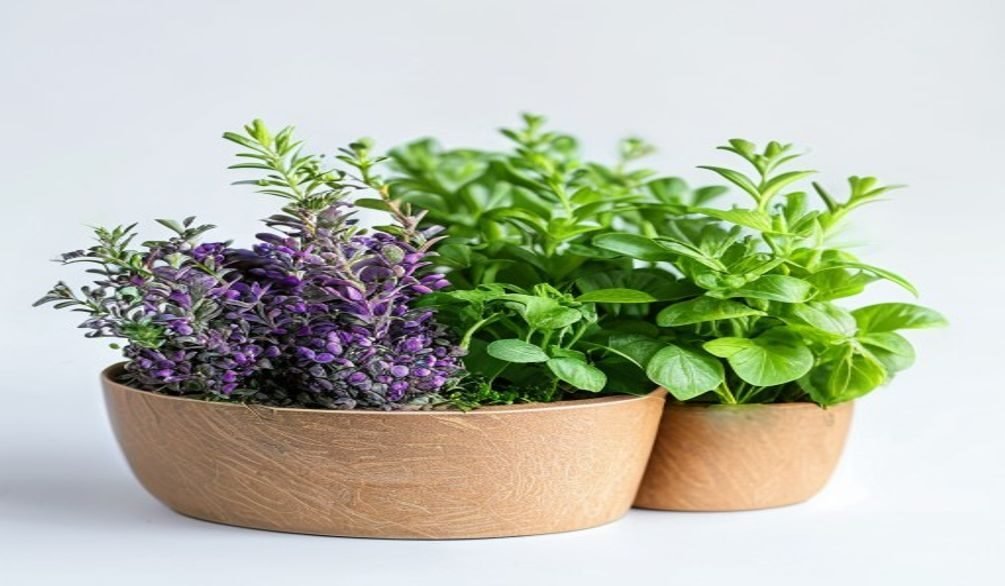
- Thyme (Thymus vulgaris): This aromatic herb is exceptionally tough, with many varieties surviving down to USDA Zones 4-5. Its low-growing habit helps it stay insulated under snow.
- Sage (Salvia officinalis): A robust perennial, common sage thrives in Zones 4-8 and can withstand considerable cold, especially if given some winter protection.
- Mint (Mentha spp.): Known for its vigorous growth, mint is incredibly cold-tolerant, often surviving down to Zone 3. It’s best grown in containers to prevent it from spreading aggressively.
- Chives (Allium schoenoprasum): These onion-family herbs are surprisingly hardy, often returning year after year even in Zone 3. Burpee offers quality chive seeds for starting your patch.
- Oregano (Origanum vulgare): Most oregano varieties are hardy to Zone 5, with some Mediterranean types being slightly less tolerant but still able to overwinter with mulching.
- French Tarragon (Artemisia dracunculus): Unlike its Russian counterpart, true French tarragon is a perennial hardy to Zone 4-5, though it appreciates a bit of mulch for winter.
- Rosemary ‘Arp’ (Rosmarinus officinalis ‘Arp’): While many rosemary varieties are tender, ‘Arp’ is a notable exception, cited as cold-hardy and able to survive down to USDA Zone 6, sometimes even Zone 7, with protection. Other hardy cultivars include ‘Hill’s Hardy’ and ‘Alcade’.
Selecting these varieties significantly increases your chances of successful **growing herbs cold climates**. For unique live herb plant varieties, I often turn to Richters, a favorite online source for diverse and hardy options.

How Do You Protect Outdoor Herbs in Cold Climates?
Protecting outdoor herbs in cold climates involves a combination of strategic preparation and physical barriers to shield them from freezing temperatures, harsh winds, and excessive moisture. The most important supporting fact is that proper winter protection can increase herb survival rates by up to 60%, according to NC State Extension Publications (2023), by moderating soil temperatures and reducing desiccation.
Effective winter protection is crucial for **growing herbs cold climates** and extending your harvest season. Without it, even hardy perennials can struggle or die back completely.
Here are essential methods for protecting your outdoor herbs:
-
Mulching Herbs for Winter
Apply a thick layer of organic mulch around the base of your perennial herbs in late fall, after the first hard frost. This insulates the soil and protects the roots from extreme temperature fluctuations. Straw, shredded leaves, or wood chips are excellent choices, providing insulation and gradually breaking down to enrich the soil. A layer 4-6 inches deep is generally recommended for adequate protection.
-
Using Frost Covers and Row Covers
For unexpected cold snaps or for less hardy herbs, lightweight frost covers or horticultural fleece can be draped over plants. These covers trap ground heat and protect foliage from direct frost. Products like Thermagro Ultra Frost Protection Fleece are designed to offer significant temperature moderation. In my garden, I often use these for my rosemary plants if temperatures dip below freezing for extended periods.
-
Relocating Container Herbs
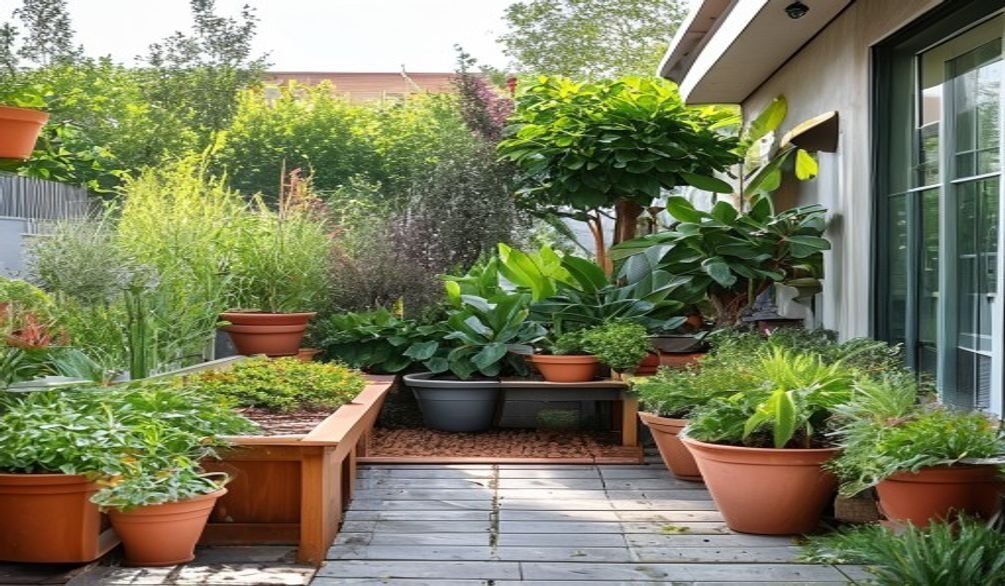
Herbs grown in containers are more vulnerable to cold as their roots are exposed to air temperatures from all sides. Move potted herbs to a sheltered location, such as against a warm house wall, under a porch, or into an unheated garage or shed. This offers substantial protection, especially for the roots, which are the most sensitive part of the plant.
-
Ensuring Good Drainage
Waterlogged soil can be fatal in winter, as freezing water expands and damages roots. Ensure your garden beds have excellent drainage, or consider planting herbs in raised beds. Studies show that 72% of container plants fail due to poor drainage, according to Penn State Extension (2023), highlighting its importance in all growing conditions, especially cold ones.
Implementing these techniques will significantly improve your success rate for **growing herbs cold climates** outdoors. Even in Zone 5, hardy herbs like thyme and oregano can be harvested under a frost blanket, as advised by experienced gardener Julie.

DIY Cold Frames & Cloches: Step-by-Step Protection for Growing Herbs Cold Climates
DIY cold frames and cloches provide a microclimate that shields herbs from harsh winter conditions, extending the growing season by several weeks or even months. These structures work by trapping solar energy and insulating plants from freezing temperatures, reducing the risk of frost damage by up to 10 degrees Fahrenheit, according to the University of Georgia Cooperative Extension (2023).
Building your own cold frames and cloches is a cost-effective way to enhance your capabilities for **growing herbs cold climates**. These structures are invaluable for overwintering tender perennials and getting a head start on spring planting.
Step 1: Gather Materials for a DIY Cold Frame
To construct a basic cold frame, you will need a sturdy frame material and a transparent top. Common materials include untreated lumber (such as pine or cedar), old windows, polycarbonate panels, or even straw bales for insulation. For a 3×4 foot cold frame, you might need four 2x4s for the base, two longer 2x4s for the back and two shorter for the front (to create a slope), and an old window sash for the lid. Gathering all materials beforehand streamlines the building process.

Step 2: Construct the Cold Frame Base
Assemble your lumber into a rectangular box, ensuring the back wall is taller than the front wall to create a sloped top. This slope allows rainwater to run off and maximizes sunlight penetration, a critical factor for photosynthesis during shorter winter days. Secure the corners with screws or nails, creating a robust structure that can withstand winter weather.
Step 3: Attach the Transparent Lid
Hinge an old window or polycarbonate panel to the taller back wall of your cold frame. The lid should fit snugly to prevent heat loss, but also be easy to open for ventilation on warmer days. Proper ventilation is essential to prevent overheating and fungal diseases, especially when the sun is strong, even in winter. You can use a prop to hold the lid open for airflow.
Step 4: Create Simple Cloches for Individual Plants
Cloches are smaller, individual plant protectors. You can easily make these from recycled materials like 1-gallon plastic milk jugs or clear plastic soda bottles by cutting off the bottom. Bell-shaped glass cloches are also available commercially. Place these directly over individual herbs to offer localized protection from frost and cold winds, especially beneficial for newly planted or smaller herbs. These are particularly useful for protecting specific plants that you want to harvest through winter.

Bringing Herbs Indoors: Advanced Winter Growing Techniques
Bringing herbs indoors is an effective way to continue harvesting fresh flavors when outdoor conditions become too harsh, allowing for continuous growth through controlled environments. This method ensures that your favorite herbs remain productive, even when temperatures outside plummet below freezing, a common scenario for successful **growing herbs cold climates**.
Transitioning herbs indoors requires careful attention to light, humidity, and temperature. My approach focuses on replicating their preferred outdoor conditions as closely as possible.
Transitioning Herbs to Indoor Growing
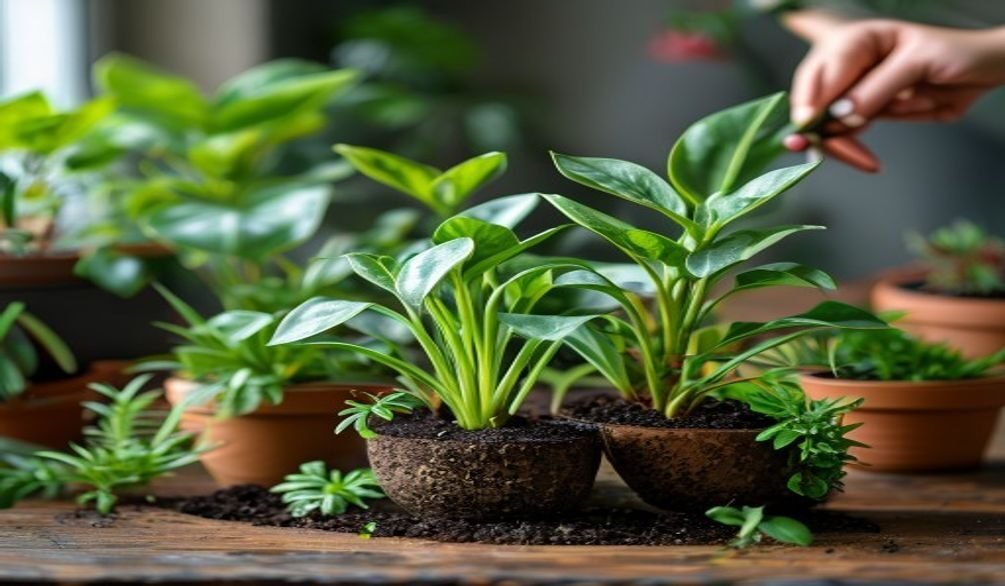
Before the first hard frost, gradually acclimate your outdoor herbs to indoor conditions by bringing them inside for a few hours each day over a week. This reduces transplant shock. Repot them into containers with fresh, well-draining potting mix, ensuring the pots have drainage holes. Use a quality potting mix, as discussed in our guide on Best Soil Mix for Vegetable Gardens.
Providing Optimal Light with Grow Lights
Indoor herbs, especially during winter, rarely receive enough natural light from windows alone. Supplementing with grow lights is essential. Full-spectrum LED grow lights, such as those offered by Vego Garden, provide the necessary light spectrum for healthy growth. Position lights 6-12 inches above the plants for 12-16 hours daily. According to a study by the University of Georgia (2026), a 1-unit increase in maximum air temperature has been correlated with a 9% increase in herb and vegetable plant sales, indicating the importance of optimal growing conditions.

Managing Humidity and Air Circulation
Indoor heating can drastically reduce humidity, which many herbs prefer. Increase humidity by misting plants, placing pots on pebble trays with water, or using a small humidifier. Good air circulation is also vital to prevent fungal issues. A small fan set on a low setting can help mimic outdoor breezes. For power reliability, especially for grow lights, consider a backup like the EcoFlow DELTA Pro 3 Portable Power Station in storm-prone areas.
Watering and Feeding Indoor Herbs
Indoor herbs typically require less frequent watering than their outdoor counterparts. Allow the top inch of soil to dry out before watering thoroughly. Overwatering is a common killer of indoor plants. Feed your herbs with a diluted liquid organic fertilizer every 4-6 weeks, as their growth slows during winter. This ensures they have the nutrients needed for continuous production.
For more details on starting seeds indoors, which can apply to starting new herb plants for winter, check out our Beginner’s Step-by-Step Guide. If you’re interested in alternative indoor growing, explore Choosing Hydroponic System Types.
Essential Soil & Nutrient Tips for Cold Climate Herbs
Optimal soil composition and nutrient management are fundamental for the survival and vigor of herbs in cold climates, providing insulation, drainage, and sustained nourishment. A well-prepared soil mix can mitigate the damaging effects of freezing and thawing cycles by ensuring roots have adequate oxygen and are not waterlogged, a key factor in successful **growing herbs cold climates**.
The right soil is not just a medium; it’s a protective buffer and a nutrient reservoir. From my experience, neglecting soil health is a common mistake when preparing for winter.
Preparing Soil for Winter Resilience
For outdoor perennial herbs, incorporate plenty of organic matter, such as compost or well-rotted manure, into the soil during late summer or early fall. This improves soil structure, drainage, and fertility. Organic matter helps retain moisture during dry spells while allowing excess water to drain away, preventing root rot in freezing conditions. It also provides a slow release of nutrients as it decomposes.
Ensuring Excellent Drainage
Good drainage is paramount. In heavy clay soils, amend with coarse sand, perlite, or grit to improve porosity. Water that sits around roots in freezing temperatures can quickly kill plants. For container herbs, use a high-quality potting mix specifically designed for good drainage. A 1-unit decrease in minimum air temperature resulted in a 6% decrease in herb and vegetable plant sales, according to the University of Georgia (2026), underscoring the importance of protecting roots from cold, wet conditions.
Nutrient Management for Overwintering Herbs
Avoid heavy fertilization in late fall, as this can encourage new, tender growth that is susceptible to frost damage. Instead, focus on building soil health with organic amendments. For indoor herbs, a diluted, balanced liquid fertilizer applied sparingly (once a month) during the winter months can support their slower growth. Over-fertilizing can lead to leggy plants and nutrient burn, especially in reduced light conditions.
Utilizing Raised Beds for Cold Climates
Raised beds offer superior drainage and warm up faster in spring, making them an excellent choice for **growing herbs cold climates**. The elevated soil is less prone to compaction and waterlogging. You can also more easily amend the soil in raised beds to create the ideal conditions for your herbs, incorporating materials like compost and vermiculite for a light, fertile mix.

Harvesting Herbs for Year-Round Success & Plant Health
Harvesting herbs strategically throughout the year is essential for promoting plant health, encouraging new growth, and ensuring a continuous supply of fresh flavors, even when preparing for or during cold periods. Proper harvesting techniques prevent plants from becoming woody or leggy and signal to the plant to produce more foliage.
My years of gardening have taught me that sustainable harvesting is a balance between taking enough for your needs and leaving enough for the plant to thrive. This is especially true for **growing herbs cold climates**.
Sustainable Harvesting Before Winter
Before the first anticipated hard frost, conduct a significant harvest of your perennial herbs. Take up to two-thirds of the plant’s foliage, focusing on the outer stems. This encourages the plant to direct energy to its roots for winter survival rather than maintaining excess top growth. Dry or freeze these harvested herbs for winter use. However, avoid drastic cuts right before a deep freeze, as new growth could be damaged.
Harvesting from Overwintering Outdoor Herbs
For hardy herbs overwintering outdoors under protection (mulch, cloches), you can continue to harvest lightly on milder winter days. Take only a few sprigs at a time, being careful not to disturb the plant too much. This minimal harvesting ensures the plant retains enough foliage for photosynthesis and energy storage. Julie, an experienced gardener, advises that even in Zone 5, hardy herbs like thyme and mint can be harvested under a frost blanket.
Harvesting from Indoor Herb Gardens
Indoor herbs can be harvested more regularly, but still sustainably. Pinch off the top sets of leaves or snip entire stems, always leaving at least one-third of the plant intact to ensure continued growth. Regular harvesting encourages bushier growth and prevents plants from becoming leggy. For instance, basil benefits from frequent pinching to promote side branching. This continuous cycle is the benefit of **growing herbs cold climates** indoors.
Tools and Techniques for Clean Cuts
Always use clean, sharp scissors or pruners to harvest herbs. This prevents crushing stems and reduces the risk of introducing diseases. Make clean cuts just above a leaf node or a branching point to encourage new growth. For larger plants, consider rotating your harvest, taking from different sections each time to maintain an even growth habit.

Pest & Disease Management for Overwintering Herbs
Managing pests and diseases is critical for the health and survival of overwintering herbs, particularly when plants are stressed by cold or moved into a new indoor environment. Cold-stressed plants are more susceptible to infestations, and indoor conditions can create a haven for common houseplant pests.
In my experience, proactive prevention is far easier than reactive treatment when it comes to pests and diseases, especially for **growing herbs cold climates**. A vigilant eye makes all the difference.
Inspecting Herbs Before Bringing Indoors
Thoroughly inspect all herbs for signs of pests (aphids, spider mites, whiteflies) or diseases before bringing them indoors. A quick shower with lukewarm water can dislodge many pests. Treat any infestations with insecticidal soap or neem oil while the plants are still outside. This prevents introducing pests to your indoor environment, where they can quickly multiply and spread to other houseplants.
Common Indoor Pests and Their Control
Once indoors, spider mites, aphids, and fungus gnats are common culprits. Spider mites thrive in dry, warm conditions; increase humidity and regularly mist plants to deter them. Aphids can be hand-picked or treated with insecticidal soap. Fungus gnats, often a sign of overwatering, can be controlled by allowing the soil to dry out between waterings and using sticky traps. Vego Garden also offers solutions for pest management in controlled environments.
Preventing Fungal Diseases
Fungal diseases like powdery mildew are common in damp, poorly ventilated conditions. Ensure good air circulation around indoor herbs and avoid overhead watering. For outdoor herbs, well-drained soil and adequate spacing help prevent fungal issues during wet winter periods. Removing any diseased foliage promptly can stop the spread. Per the pros at the Missouri Botanical Garden, while certain species like comfrey have a history of use, consumption is now considered unsafe, highlighting the importance of plant health and safety.
Maintaining Plant Vigor
Healthy, vigorous plants are naturally more resistant to pests and diseases. Provide adequate light, proper watering, and appropriate nutrients. Avoid over-fertilizing, especially with nitrogen, as this can lead to soft, sappy growth that attracts pests. A strong plant immune system is your best defense when **growing herbs cold climates**.

What are the Best Herbs for Your USDA Hardiness Zone?
Understanding your specific USDA Plant Hardiness Zone is crucial for selecting herbs that can reliably survive winter temperatures in your region. The USDA Plant Hardiness Zone Map, updated in 2023, provides the average annual extreme minimum winter temperature for different areas, serving as a vital guide for gardeners.
Matching herbs to your hardiness zone is the most fundamental step for successful **growing herbs cold climates**. It tells you what can survive outdoors versus what needs protection or indoor cultivation.
Understanding the USDA Plant Hardiness Zone Map
The USDA Plant Hardiness Zone Map divides North America into 13 zones based on average annual extreme minimum winter temperatures. Each zone is further divided into