Key Takeaways
- Over 400,000 people visit hospital emergency rooms annually due to gardening-related accidents, according to the U.S. Consumer Product Safety Commission (CPSC) data.
- Approximately 115,000 gardening injuries each year are attributed to slips and falls.
- Lawn mower accidents alone cost patients an average of $37,000 in medical treatment, based on a 2024 LawnStarter survey.
- Wearing appropriate protective gear, such as sturdy gloves and closed-toe shoes, is fundamental for preventing common garden injuries.
- Proper body mechanics and ergonomic tools are essential for preventing back strain and musculoskeletal issues during gardening tasks.
Embarking on your gardening journey in 2026 is exciting, but understanding **Gardening safety for beginners 2026** is the non-negotiable first step to ensure your green thumb experience is both rewarding and injury-free. Many new gardeners overlook the potential risks, leading to preventable accidents that can quickly dampen enthusiasm. This guide provides essential tips to cultivate safe gardening practices right from the start, helping you enjoy your outdoor space with confidence.
Quick Answer: To ensure basic garden safety in 2026, beginners should wear appropriate protective gear, use tools correctly, maintain proper posture, stay hydrated, and be aware of their surroundings, including potential hazards like poisonous plants and pests.
Why is Garden Safety Essential for Beginners in 2026?
Gardening safety for beginners in 2026 is essential because, despite its tranquil appearance, gardening poses various risks that can lead to significant injuries if proper precautions are not taken. Over 400,000 people visit hospital emergency rooms annually due to gardening-related accidents, according to the U.S. Consumer Product Safety Commission (CPSC) data. This stark statistic underscores the importance of proactive safety measures for every new gardener.
Many beginners underestimate the physical demands and potential hazards involved. Dr. David Lichtman, an orthopedic surgeon, emphasizes, “Just because you might be out relaxing in the garden doesn’t mean you should throw safety precautions to the wind.” Prioritizing **Gardening safety for beginners 2026** helps prevent cuts, strains, falls, and exposure to harmful elements.
A significant number of these incidents are entirely preventable with basic knowledge and appropriate gear. My 10 years of experience in horticulture have shown that a little preparation goes a long way in ensuring a safe and enjoyable gardening experience. This is why focusing on **Gardening safety for beginners 2026** is so crucial.
What Are the Most Common Gardening Injuries to Avoid?
The most common gardening injuries to avoid include cuts, punctures, muscle strains, slips, falls, and overexposure to sun or allergens. Approximately 115,000 gardening injuries each year are attributed to slips and falls, highlighting a prevalent hazard in garden spaces. Awareness of these common injuries is the first step in effective **Gardening safety for beginners 2026**.
Cuts and punctures often result from improper tool handling or contact with sharp plant material. Muscle strains, particularly back pain, are common due to repetitive motions or incorrect lifting techniques. For instance, beginners often forget about ergonomic gardening tools, which can reduce strain.
Overexposure issues range from sunburn and heatstroke to allergic reactions from plants or insect stings. An average of 875 people visit the emergency room every day to treat yard work injuries, according to a 2024 LawnStarter survey, making injury prevention central to **Gardening safety for beginners 2026**. Taking the time to understand these risks can save you from a painful setback.
Common Gardening Injuries:
* Cuts and Lacerations: Often from sharp tools like pruners or shovels, or thorny plants.
* Puncture Wounds: Stepping on rakes, nails, or sharp debris, or from thorns.
* Muscle Strains and Sprains: Especially in the back, neck, and shoulders, from heavy lifting or repetitive tasks.
* Slips and Falls: On wet surfaces, uneven terrain, or garden tools left lying around.
* Insect Stings and Bites: Bees, wasps, spiders, and ticks can cause reactions or carry diseases.
* Allergic Reactions: Contact with irritating plants like poison ivy or certain sap.
* Sunburn and Heatstroke: Prolonged exposure to sun and high temperatures without protection or hydration.
Beginner Garden Tool Safety
Beginner garden tool safety involves choosing the right tool for the job, maintaining it properly, and storing it securely. This is a fundamental aspect of **Gardening safety for beginners 2026**. Dull or rusty tools are more dangerous than sharp, clean ones, as they require more force and can slip easily.
Always inspect tools before use to ensure they are in good working order. For instance, a wobbly shovel head can detach and cause injury. Clean tools after each use to prevent rust and the spread of plant diseases. This simple habit contributes significantly to **Gardening safety for beginners 2026**.
Proper storage is also crucial; tools should be kept in a designated area, off the ground, and out of reach of children. Consider investing in a tool shed or sturdy hooks. Lawn mower accidents alone cost patients an average of $37,000 in medical treatment, based on a 2024 LawnStarter survey, emphasizing the need for safe handling of all garden equipment.
What Should You Wear for Gardening Safety in 2026?
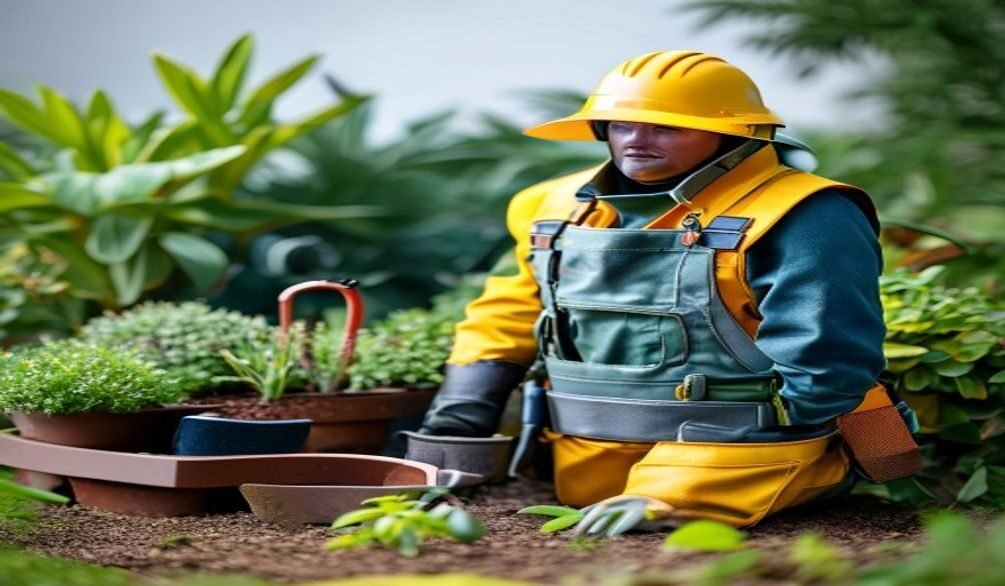
For optimal **Gardening safety for beginners 2026**, you should wear appropriate protective clothing including sturdy gloves, long sleeves and pants, closed-toe shoes, eye protection, and a wide-brimmed hat. This gear forms your first line of defense against common gardening hazards. Around 300,000 individuals are injured in their gardens annually, with over 100,000 of these being children, according to historical statistics from the Royal Society for the Prevention of Accidents (ROSPA), making protective clothing vital for everyone.
Wearing the right attire can prevent cuts, scrapes, insect bites, and sun exposure. Many beginners overlook the importance of specific garden protective clothing essentials. For example, thin fashion gloves offer little protection against thorns or sharp tools.
Choosing materials like denim or canvas for clothing provides better resistance to tears and punctures. Brands like A.M. Leonard offer a range of safety gear designed specifically for gardeners. Prioritizing this aspect of **Gardening safety for beginners 2026** is non-negotiable for a safe experience.
Here’s a breakdown of essential garden protective clothing:
* Gloves: Protect your hands from thorns, blisters, dirt, and chemicals. Brands like West County Gloves are known for their durability and comfort.
* Long Sleeves and Pants: Shield your skin from sun exposure, scratches, insect bites, and contact with irritating plants.
* Closed-Toe Shoes or Boots: Crucial for protecting your feet from falling tools, sharp objects, and insect bites. Kujo offers durable gardening footwear.
* Eye Protection: Safety glasses or goggles are essential when pruning, using power tools, or working in dusty conditions to protect against flying debris.
* Wide-Brimmed Hat: Offers protection for your face, neck, and ears from harmful UV rays.
* Sunscreen: Apply broad-spectrum sunscreen with at least SPF 30 to all exposed skin, even on cloudy days.
How Can You Protect Your Back and Body While Gardening?
To protect your back and body while gardening, it is crucial to employ proper body mechanics, use ergonomic tools, and take frequent breaks. Maintaining correct posture significantly reduces the risk of muscle strains and long-term musculoskeletal issues, which are common complaints among gardeners. This is a critical component of **Gardening safety for beginners 2026**.
Always bend at your knees, not your waist, when lifting heavy objects like bags of soil or pots. Keep the load close to your body to minimize strain. Erin Hoover, host of The Evergreen Thumb Podcast, advises, “Gardening gets easier when systems improve and small changes compound over time. So just pick one thing to try,” emphasizing the value of small, consistent efforts in how to avoid back pain gardening.
Utilizing ergonomic gardening tools can also make a significant difference. These tools are designed to reduce stress on your joints and muscles, making tasks easier and safer. For instance, trowels with curved designs and pruners with rotating handles are excellent ergonomic options, as highlighted by Jodi Bay and DeLayne Harmon in a February 2025 article for San Diego Master Gardeners. Such tools are a smart investment for **Gardening safety for beginners 2026**.
Tips for ergonomic gardening tools and practices:
* Warm-Up: Perform light stretches before you begin gardening to prepare your muscles.
* Kneel or Sit: Use a kneeling pad or a garden stool to reduce bending and squatting. Raised garden beds are also excellent for minimizing bending, especially beneficial for seniors or those with physical limitations. For ideas, consider Balcony Raised Garden Beds: 7 Easy Elevated Solutions.
* Alternate Tasks: Switch between light and heavy tasks to avoid repetitive strain on specific muscle groups.
* Take Breaks: Step away from your work every 20-30 minutes to stretch, rehydrate, and rest.
* Use Long-Handled Tools: These allow you to work from a standing position, reducing the need to bend over.
* Push, Don’t Pull: When moving heavy items with a wheelbarrow, push rather than pull to engage stronger muscle groups.
* Invest in Quality Tools: Lightweight yet durable tools reduce fatigue. For more options, check out Beginner Terrace Garden Tools 2026: 10 Essential Picks.
What Safety Precautions Should Be Taken When Working with Plants and Pests?
When working with plants and pests, safety precautions involve identifying poisonous plants, handling all plant material with gloves, and implementing organic pest control safety measures. This proactive approach is fundamental to **Gardening safety for beginners 2026**, protecting you from skin irritations, allergic reactions, and bites. Always assume a plant might be irritating if you are unsure.
Learning to identify common poisonous plants in gardens is crucial. Many beautiful ornamental plants, such as foxglove, oleander, and castor bean, can cause severe reactions if ingested or even touched. The UC Marin Master Gardeners provide excellent resources on identifying toxic garden flora.
For pest control, prioritize organic pest control safety strategies to minimize exposure to chemicals. Integrated Pest Management (IPM) focuses on prevention, biological controls, and least-toxic options first. This reduces the need for harsh pesticides, which is a key part of **Gardening safety for beginners 2026**.
Safe Plant Handling Techniques:
* Research Before Planting: Always know the characteristics of any new plant, especially if children or pets will be in the garden.
* Wear Gloves: Consistently wear thick gardening gloves when handling plants, especially those with thorns, irritating sap, or unknown properties. West County Gloves are excellent for this purpose.
* Avoid Touching Face: Refrain from touching your face, eyes, or mouth until your hands are thoroughly washed after gardening.
* Wash Thoroughly: After gardening, wash your hands and arms with soap and water to remove any plant residues or allergens.
* Be Wary of Sap: Some plants have sap that can cause skin irritation or photosensitivity; rinse immediately if contact occurs.
Pest Control Safety:
* Identify Pests Accurately: Knowing your pest allows you to choose the most effective and least harmful treatment.
* Start with Non-Chemical Methods: Hand-picking pests, using insecticidal soaps, or introducing beneficial insects are safer alternatives. For attracting beneficial insects, see Best Flowers for Attracting Beneficial Insects in 2026.
* Read Labels Carefully: If using any chemical pesticides, follow all instructions precisely regarding application, protective gear, and re-entry intervals.
* Store Chemicals Safely: Keep all pest control products in their original containers, out of reach of children and pets, in a cool, dry place.
* Tick Prevention: In areas with ticks, wear permethrin-treated clothing and inspect yourself thoroughly after gardening. This is an often-overlooked aspect of **Gardening safety for beginners 2026**.
Essential First Aid & Emergency Preparedness for Gardeners
Essential first aid and emergency preparedness for gardeners means having a well-stocked first aid kit readily accessible and knowing how to respond to common gardening mishaps like cuts, stings, or heat exhaustion. Being prepared for unexpected incidents is a crucial, yet often overlooked, aspect of **Gardening safety for beginners 2026**. Immediate action can prevent minor injuries from becoming more serious.
A comprehensive first aid kit for gardeners should include items specifically tailored to common garden injuries. This preparation ensures that you can address issues ranging from small cuts to allergic reactions quickly and effectively. Knowing how to use these items is just as important as having them.
Beyond physical injuries, gardeners must also be prepared for environmental emergencies, such as heatstroke or severe allergic reactions to insect stings. These situations require prompt recognition of symptoms and, in some cases, immediate medical attention. This level of readiness is a hallmark of truly effective **Gardening safety for beginners 2026**.
Here’s a checklist for your garden first-aid kit, a vital tool for **Gardening safety for beginners 2026**:
| Item | Purpose | Notes for Gardeners |
|---|---|---|
| Antiseptic Wipes/Spray | Clean wounds | Essential for preventing infection from soil-borne bacteria. |
| Adhesive Bandages | Cover cuts and scrapes | Various sizes, including waterproof options. |
| Sterile Gauze Pads & Tape | Dress larger wounds | For deeper cuts or punctures before professional medical help. | Tweezers | Remove splinters, thorns, ticks | Fine-tipped for precision. |
| Allergy Medication | Treat allergic reactions | Antihistamines for insect stings or plant contact. |
| Hydrocortisone Cream | Relieve itching/rashes | For insect bites or minor plant irritations. |
| Pain Relievers | Manage minor pain | Ibuprofen or acetaminophen for aches and strains. |
| Sunscreen & Insect Repellent | Preventive measures | Always apply before heading out. |
| Small Bottle of Water & Soap | Immediate washing | For rinsing eyes or skin after contact with irritants. |
| Emergency Contact Info | Quick access to help | Include family, doctor, and poison control numbers. |
Heat Exhaustion and Hydration Safety
Heat exhaustion and hydration safety are paramount, especially during warmer months, as gardeners often work outdoors for extended periods. Dehydration and heat-related illnesses can quickly become serious, making constant hydration a key element of **Gardening safety for beginners 2026**. The Centers for Disease Control and Prevention (CDC) advises consuming plenty of fluids, especially water, when working in the heat.
Symptoms of heat exhaustion include heavy sweating, weakness, dizziness, and nausea. If you experience these, stop working immediately, move to a cool place, and rehydrate. For more tips on Watering Your Garden for Beginners: 7 Essential Tips, ensure you apply them to yourself too.
Always drink plenty of water before, during, and after gardening, even if you don’t feel thirsty. Avoid sugary drinks or excessive caffeine, which can contribute to dehydration. This simple practice significantly enhances **Gardening safety for beginners 2026**.
Seasonal Gardening Safety: Beyond Summer Heat
Seasonal gardening safety extends beyond just summer heat, requiring specific precautions for spring, fall, and even winter activities to ensure year-round protection. Each season presents unique challenges that beginners must address for comprehensive **Gardening safety for beginners 2026**. Being aware of these seasonal shifts helps prevent unexpected injuries.
In spring, for instance, gardeners might encounter dormant plants with hidden thorns or an increase in tick activity. Fall gardening involves slippery conditions from wet leaves and the safe operation of leaf blowers. Understanding these varied risks is crucial.
Even in winter, indoor gardening or preparing your garden for the next season has its own set of safety considerations. This holistic approach to **Gardening safety for beginners 2026** ensures you’re protected regardless of the time of year. Always adapt your gear and practices to the current weather and environmental conditions.
Seasonal Safety Considerations:
* Spring Safety:
* Tick Prevention: As temperatures rise, ticks become active. Wear long pants and sleeves, use insect repellent, and check for ticks after gardening.
* Allergy Awareness: Pollen counts are high; consider wearing a mask if you have seasonal allergies.
* Sharp Debris: Be mindful of sharp branches or debris unearthed during spring clean-up.
* Fall Safety:
* Slippery Surfaces: Wet leaves, frost, and moss can make paths treacherous. Clear walkways and wear appropriate footwear.
* Leaf Blower Safety: Always wear eye and ear protection when operating leaf blowers. Be mindful of flying debris.
* Lifting Heavy Loads: Fall often involves moving compost or heavy bags of bulbs. Use proper lifting techniques.
* Winter Safety:
* Cold Weather Gear: If gardening in cold climates, dress in layers to prevent hypothermia.
* Indoor Gardening Safety: Ensure proper ventilation when using indoor grow lights or heaters to prevent overheating or fire hazards.
* Tool Maintenance: Use winter as a time to clean, sharpen, and repair tools, ensuring they are safe for spring.
Child Safety in the Garden
Child safety in the garden is paramount, requiring vigilant supervision and proactive hazard mitigation to protect young ones from harm. Gardens can be fascinating play areas, but they also harbor numerous dangers for curious children, making it a key element of **Gardening safety for beginners 2026**. Around 100,000 children are injured in gardens annually, according to ROSPA historical data.
Always ensure that tools are stored securely out of reach, and identify and remove any poisonous plants. Educate children about garden dangers, such as not eating berries or leaves from unknown plants. Creating designated safe play zones is also beneficial.
Consider fencing off certain areas or using child-safe covers for water features. Supervising children closely is the most effective measure to ensure their safety while you enjoy your gardening. This focus on **Gardening safety for beginners 2026** extends to protecting the whole family.
Frequently Asked Questions
What are the 5 safety tips for gardening?
The five essential safety tips for gardening include wearing appropriate protective gear, using tools correctly and maintaining them, practicing proper body mechanics to prevent strain, staying hydrated, and being aware of poisonous plants and pests. Over 400,000 people visit hospital emergency rooms annually due to gardening-related accidents, according to the U.S. Consumer Product Safety Commission (CPSC) data, underscoring the necessity of these tips. Implementing these basic practices significantly reduces injury risk.
What should you wear for gardening safety?
For optimal gardening safety, you should wear sturdy gardening gloves, long sleeves and pants, closed-toe shoes or boots, eye protection, and a wide-brimmed hat. This protective clothing shields you from cuts, scrapes, insect bites, and sun exposure. Brands like A.M. Leonard and Kujo offer durable gear specifically designed for gardeners, enhancing your protection.
How can I protect my back while gardening?
You can protect your back while gardening by bending at your knees instead of your waist, using ergonomic tools, and taking frequent breaks to stretch. Improper lifting is a major cause of back pain, so always keep heavy loads close to your body. Raised garden beds are also excellent for minimizing bending and reducing back strain.
What safety precautions should be taken when working with plants?
When working with plants, safety precautions include wearing thick gloves, identifying and avoiding poisonous plants, and washing your hands thoroughly after contact. Many plants can cause skin irritation or allergic reactions if handled without protection. Always research new plants to understand their specific hazards.
What are the most common gardening injuries?
The most common gardening injuries are cuts, punctures, muscle strains (especially back pain), slips, falls, and overexposure to sun or allergens. Approximately 115,000 gardening injuries each year are attributed to slips and falls. Implementing proper **Gardening safety for beginners 2026** strategies can effectively prevent these common mishaps.