Key Takeaways
- Pollinators are vital for 90% of flowering plants and one-third of human food crops, according to nrcs.usda.gov (2026).
- Perennial flower strips significantly boost beneficial insect populations, extending positive effects into nearby crops, as shown in a 2025 study.
- A single lady beetle can consume up to 5,000 aphids in its lifetime, according to the Xerces Society (2024).
- Flowers with flat, open shapes like dill and yarrow are crucial for attracting tiny parasitic wasps and hoverflies.
- Integrating native plants and ensuring continuous blooms from spring to fall are essential for year-round beneficial insect support.
Are you wondering how to transform your garden into a thriving ecosystem that naturally controls pests and supports biodiversity? Discovering the Best Flowers for Attracting Beneficial Insects in 2026 is your first step towards a healthier, more resilient garden. In my 10+ years of experience as a horticulturist, I’ve seen firsthand how strategic planting can make a monumental difference, helping you reduce reliance on chemical interventions and foster a balanced environment.
Quick Answer: To attract beneficial insects in 2026, plant diverse, nectar-rich flowers like dill, alyssum, yarrow, and coneflowers. Ensure continuous blooms and integrate native species to provide essential food and habitat, naturally controlling pests and boosting garden health.
What Flowers Attract Beneficial Insects in 2026?
The Best Flowers for Attracting Beneficial Insects in 2026 are those that offer accessible nectar and pollen, providing essential resources for adult predatory and parasitic insects. Research confirms that perennial flower strips significantly increase populations of pollinators and predatory insects, with these positive effects extending into adjacent crops, according to a 2025 study in Skåne, southern Sweden. Creating such a habitat is key to a thriving garden.
To effectively attract these garden allies, focus on a diverse selection of plants with different bloom times, flower shapes, and colors. This variety ensures a continuous food source and diverse habitat throughout the growing season, making your garden an irresistible haven for beneficial insects. Knowing the Best Flowers for Attracting Beneficial Insects in 2026 is about more than just aesthetics; it’s about ecological function.
Understanding Key Flower Characteristics
Beneficial insects have varied needs, so a mix of flower types is ideal. Many predatory insects, especially in their adult stages, rely on nectar and pollen for energy and reproduction. These often prefer flowers with easily accessible nectaries.
- Open, flat flowers: Ideal for tiny parasitic wasps and hoverflies, which have short proboscises.
- Clustered flowers (umbels): Plants like dill and yarrow provide numerous small florets, perfect for a wide range of beneficials.
- Daisy-like flowers: Offer a landing pad and a rich source of pollen and nectar for many larger beneficials.
Understanding these preferences is crucial when selecting the Best Flowers for Attracting Beneficial Insects in 2026. It’s not just about any flower, but the right flowers for the right insects.
Top Annuals for Immediate Impact
Annuals are fantastic for providing quick, abundant blooms within a single growing season, making them excellent choices for gardeners looking to see immediate results in attracting beneficial insects. These plants grow rapidly and can fill in gaps in your garden quickly. Many of the Best Flowers for Attracting Beneficial Insects in 2026 are annuals.
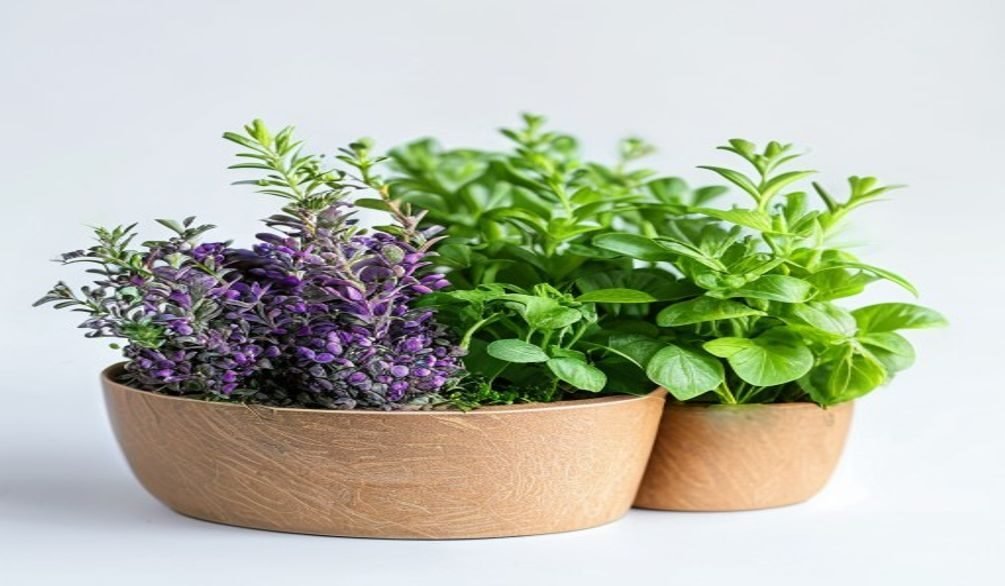
- Sweet Alyssum (Lobularia maritima): Its tiny, fragrant flowers are a magnet for minute parasitic wasps, hoverflies, and lacewings. It forms a lovely groundcover.
- Dill (Anethum graveolens): As an herb, dill provides umbrella-shaped flower heads that are perfect for attracting predatory wasps and hoverflies. It’s one of the Best Flowers for Attracting Beneficial Insects in 2026, especially for vegetable gardens.
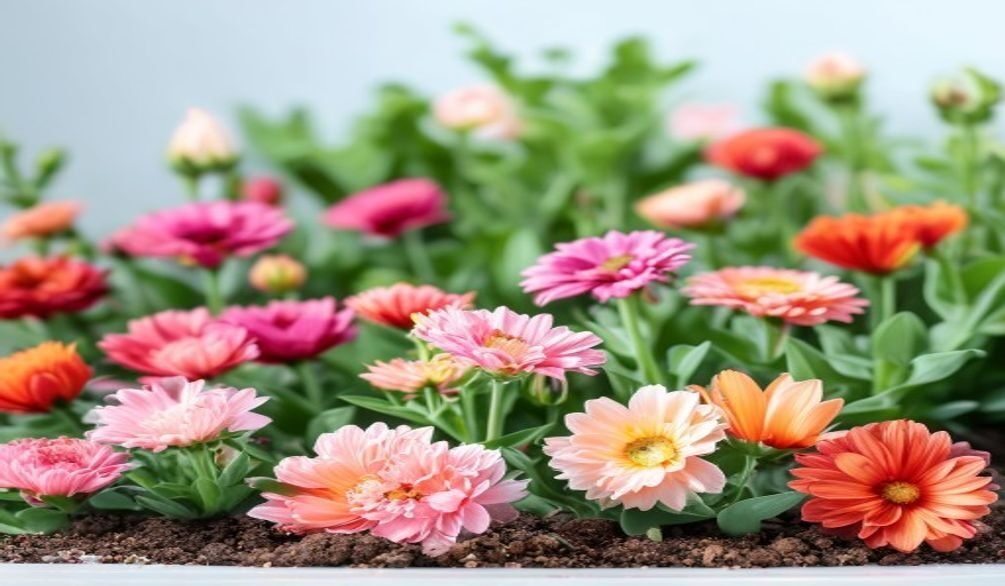
- Calendula (Calendula officinalis): These cheerful, daisy-like flowers attract hoverflies and provide nectar for small bees. They also have some medicinal properties.
- Cosmos (Cosmos bipinnatus): With their open, disc-like flowers, cosmos are excellent for attracting a wide array of pollinators and beneficials. They offer continuous blooms.
- Borage (Borago officinalis): Known for its beautiful blue, star-shaped flowers, borage is a huge draw for bees and hoverflies. Its leaves are also edible.
Grow Organic’s “Good Bug Blend” and “Low-Growing Good Bug Blend” have been field-proven for over a decade in attracting beneficial insects, offering a convenient mix of these effective annuals and more. These mixes make it easier to plant the Best Flowers for Attracting Beneficial Insects in 2026 without extensive individual plant selection.
Essential Perennials for Lasting Support
Perennials offer long-term solutions, returning year after year and establishing robust habitats for beneficial insects. They form the backbone of a sustainable beneficial insect garden. When considering the Best Flowers for Attracting Beneficial Insects in 2026, perennials offer a foundational approach.
- Yarrow (Achillea millefolium): Its flat-topped flower clusters are a favorite of ladybugs, parasitic wasps, and hoverflies. Yarrow is also drought-tolerant.
- Purple Coneflower (Echinacea purpurea): These large, daisy-like flowers attract a wide range of beneficials, including predatory insects and various pollinators. They are robust and beautiful additions.
- Milkweed (Asclepias spp.): Essential for monarch butterflies, milkweed also attracts other beneficial insects and provides critical habitat. The Xerces Society highly recommends native milkweeds.
- Bee Balm (Monarda spp.): Its tubular flowers are irresistible to long-tongued insects like bees and hummingbirds, but also provide nectar for certain predatory wasps.
- Liatris (Blazing Star) (Liatris spicata): With its tall, spiky blooms, Liatris is a pollinator powerhouse, attracting butterflies, bees, and other beneficials.
Jan Knodel, NDSU Extension Entomologist, emphasizes the importance of providing shelter, refuges, and a variety of plants that bloom from spring to fall to support beneficial insects, as many adult predators and parasitoids feed on pollen and nectar. This continuous resource is vital for maintaining populations of the Best Flowers for Attracting Beneficial Insects in 2026. For more ideas on nectar-rich options, consider exploring Best Nectar-Rich Flowers: 15 Essential Plants for Butterflies.
Why Are Specific Flower Shapes Important for Beneficial Insects?
Specific flower shapes are important for beneficial insects because they directly influence accessibility to nectar and pollen, catering to the diverse mouthparts and feeding behaviors of different insect species. The morphology of a flower acts as a specialized feeding station, determining which insects can effectively utilize its resources. Cornell University notes that “Beneficials like flowers that look like daisies (for example: Rudbeckia) or Queen Anne’s Lace,” highlighting the preference for certain structures.
Understanding these preferences allows us to select the Best Flowers for Attracting Beneficial Insects in 2026 by designing a garden that caters to a broad spectrum of these helpful creatures. A varied garden ensures that all types of beneficials, from the tiniest parasitic wasps to larger ladybugs, can find sustenance. This strategic approach maximizes your garden’s biological pest control potential.
Flat, Open Flowers
Flat, open flowers, characterized by easily accessible nectaries, are critical for many small beneficial insects. These include minute parasitic wasps and hoverflies, which possess short mouthparts and cannot reach nectar deep within complex floral structures. Think of them as landing pads with an open buffet.
Examples like Sweet Alyssum, Yarrow, and Queen Anne’s Lace are prime examples. These flowers provide immediate energy sources, which are essential for adult beneficials that need to fuel their predatory or parasitic activities. Planting these ensures you’re providing for the smaller, yet highly effective, members of your beneficial insect army, making them some of the Best Flowers for Attracting Beneficial Insects in 2026.
Clustered Umbels
Umbelliferous flowers, such as those found on dill, fennel, and cilantro, feature numerous tiny florets arranged in a flat or slightly domed cluster. This structure provides multiple small “sips” of nectar and pollen, making them highly attractive to a wide array of beneficials. These flowers are like a communal dining table for insects.
Parasitic wasps, ladybugs, and predatory flies are particularly fond of these types of blooms. The abundance of small flowers means a consistent and easily navigable food source. Including these plants is a smart move for anyone looking for the Best Flowers for Attracting Beneficial Insects in 2026 in a vegetable garden, as they often attract beneficials that prey on common vegetable pests.
Tubular and Daisy-like Structures
While flat and umbel flowers cater to smaller insects, tubular and daisy-like flowers serve a different set of beneficials and pollinators. Flowers like Bee Balm (Monarda) have tubular florets that are perfect for long-tongued bees and hummingbirds, but also attract certain predatory wasps. Daisy-like flowers, such as Purple Coneflower and Sunflowers, offer a broad landing platform and a rich central disc of florets.
These larger flowers provide ample pollen and nectar for larger beneficial insects like soldier beetles and certain predatory bugs, as well as essential food for bees and butterflies. A diverse selection ensures that your garden can support the entire lifecycle and dietary needs of a wide range of beneficial organisms, making them key components among the Best Flowers for Attracting Beneficial Insects in 2026.
How to Choose Beneficial Insect Flowers for Your Region (2026 Guide)
Choosing the Best Flowers for Attracting Beneficial Insects in 2026 for your region involves prioritizing native plants and understanding your specific USDA hardiness zone to ensure ecological compatibility and plant success. Selecting species that are naturally adapted to your local climate and soil conditions not only thrives with less intervention but also provides the most relevant food and shelter for native beneficial insect populations. This approach strengthens local ecosystems.
My experience has shown that regional suitability is paramount; a plant that flourishes in one climate might struggle in another, diminishing its effectiveness in attracting beneficials. Always consider your local environment when planning your beneficial insect garden. This is a core principle in my 10+ years of gardening expertise.
Native Plants are Key
Native flowers are the cornerstone of a truly effective beneficial insect garden because they have co-evolved with local insect species. This means they provide the precise pollen, nectar, and habitat that local beneficials recognize and require. The U.S. Fish & Wildlife Service emphasizes the importance of native plants for pollinator gardens.
For example, in Texas, Woolly Ironweed was named the 2026 Pollinator Plant of the Year by the Texas Butterfly Ranch, highlighting its regional significance. Native plants are often more resilient to local pests and diseases, requiring less water and fewer amendments once established, making them a sustainable choice for the Best Flowers for Attracting Beneficial Insects in 2026. The Xerces Society provides extensive resources on selecting native plants for your ecoregion.
Here’s a comparison of native vs. non-native options for attracting beneficial insects:
| Feature | Native Flowers | Non-Native (Ornamental) Flowers |
|---|---|---|
| Adaptation | Naturally adapted to local climate, soil, and pests. | May require specific care, struggle with local conditions. |
| Insect Support | Provide precise food and habitat for local beneficials. | May offer general resources, but less specialized support. |
| Water Needs | Often drought-tolerant once established. | Can have higher water requirements depending on species. |
| Maintenance | Generally lower maintenance. | Can be higher maintenance for optimal growth. |
| Ecological Impact | Supports local biodiversity and ecosystem health. | Limited or no direct support for local food webs. |
This table illustrates why prioritizing native species is a superior strategy when choosing the Best Flowers for Attracting Beneficial Insects in 2026.
USDA Hardiness Zones and Microclimates
Your USDA hardiness zone dictates which perennial plants will survive winter in your area, while microclimates within your garden can further influence plant selection. For instance, a sheltered, south-facing wall might create a warmer microclimate, allowing you to grow plants typically suited for a slightly warmer zone. Always consult your specific zone for perennial choices.
When selecting the Best Flowers for Attracting Beneficial Insects in 2026, consider factors like sun exposure, soil type, and drainage within your garden. Even within the same hardiness zone, a plant that thrives in full sun might struggle in partial shade. Matching plants to these specific conditions ensures they are healthy and produce abundant nectar and pollen, maximizing their attractiveness to beneficial insects. Pennsylvania State Extension offers excellent regional guides on this topic.
Designing an Integrated Garden for Year-Round Beneficial Insect Support
Designing an integrated garden for year-round beneficial insect support goes beyond simply planting a few flowers; it involves creating a dynamic ecosystem that provides continuous food, water, and shelter throughout all seasons. This strategic approach ensures that beneficial insects not only visit your garden but also establish permanent populations, offering consistent pest control. Dr. Eric Brennan, a Research Horticulturist at ARS’s Crop Improvement and Protection Research Unit, highlights that conservation biological control helps reduce pesticide use and prevents insects from developing resistance.
My approach to identifying the Best Flowers for Attracting Beneficial Insects in 2026 always includes thinking about the entire year, not just peak bloom times. A truly supportive habitat needs to consider the full life cycle of these valuable insects. This means planning for a succession of blooms and diverse structural elements.
Step 1: Understand Insect Preferences
The first step in designing an integrated garden is to understand the specific needs and preferences of different beneficial insects. This knowledge allows you to select plants and design features that precisely cater to their requirements, making your garden an irresistible haven. Without understanding what attracts them, your efforts to find the Best Flowers for Attracting Beneficial Insects in 2026 will be less effective.
Different beneficials are attracted to different flower shapes, colors, and bloom times. For example, tiny parasitic wasps prefer shallow, open flowers, while ladybugs need diverse pollen sources and sheltered spots for overwintering. Tailoring your plant choices to these preferences ensures a comprehensive approach to attracting a diverse range of beneficials.
Step 2: Select Regional Flowers
Next, select flowers that are well-suited to your local climate and soil conditions, prioritizing native species. Regional flowers will thrive with minimal intervention and provide the most appropriate resources for native beneficial insect populations. This choice is fundamental to finding the Best Flowers for Attracting Beneficial Insects in 2026 that will actually succeed in your garden.
Native plants have co-evolved with local insects, offering the most bioavailable nectar and pollen. They also tend to be more resistant to local pests and diseases, reducing the need for chemical interventions that could harm beneficials. Consulting resources like the Xerces Society for native plant lists in your ecoregion is highly recommended.
Step 3: Plan for Continuous Bloom
A crucial element for year-round support is to plan for continuous bloom, ensuring that nectar and pollen sources are available from early spring through late fall. This succession planting prevents gaps in food availability, which can cause beneficial insects to leave your garden in search of resources elsewhere. This strategy is essential for maximizing the impact of the Best Flowers for Attracting Beneficial Insects in 2026.
Combine early bloomers like pussy willow and spring ephemerals with mid-season favorites like coneflowers and dill, and late-season providers such as asters and goldenrod. This layered approach creates a consistent food supply, keeping beneficial populations stable and active throughout the entire growing season. Mary’s Heirloom Seeds offers various pollinator-friendly seed packs that can help achieve this continuous bloom.
Step 4: Design Diverse Habitats
Beyond just flowers, design diverse habitats that offer shelter, nesting sites, and water sources for beneficial insects. A truly integrated garden provides more than just food; it offers a complete living environment. This holistic approach supports the entire lifecycle of beneficial insects.
Consider incorporating elements such as:
- Brush piles: Offer overwintering sites for ladybugs and other ground-dwelling beneficials.
- Bare soil patches: Essential for ground-nesting bees.
- Water sources: Shallow dishes with pebbles provide safe drinking spots.
- Native grasses: Provide shelter and nesting materials.
- Unmowed areas: Offer undisturbed habitat for various insects.
These structural elements complement the Best Flowers for Attracting Beneficial Insects in 2026 by providing vital non-floral resources.
Step 5: Implement Integrated Strategies
Finally, implement integrated strategies that minimize harm to beneficial insects while managing pests. This means avoiding broad-spectrum pesticides and adopting organic pest control methods whenever possible. The goal is to create a harmonious ecosystem where beneficials can thrive.
Integrated Pest Management (IPM) techniques, such as hand-picking pests, using horticultural oils, or employing companion planting, are crucial. Regularly scouting your garden for pest outbreaks allows for early intervention, often before severe infestations require more drastic measures. This mindful approach ensures that your efforts to plant the Best Flowers for Attracting Beneficial Insects in 2026 are not undermined by harmful practices. For further reading on sustainable practices, consider the Organic Garden Planning Guide: Sustainable Design Tips.
Do You Need Pests to Keep Beneficial Insects in Your Garden?
Yes, you do need some level of pests in your garden to keep beneficial insects, as pests serve as the primary food source for many predatory and parasitic beneficials. A completely pest-free garden, while seemingly ideal, would lack the sustenance necessary to attract and sustain populations of these helpful insects. This is a common misconception among new gardeners.
The presence of a small, manageable pest population acts as a continuous lure and food supply, signaling to beneficials that your garden is a viable habitat. If there are no pests, beneficials will simply move on in search of food. The goal is not eradication, but balance, allowing the Best Flowers for Attracting Beneficial Insects in 2026 to support a natural control system.
Maria Viketoft, a researcher from the Swedish University of Agricultural Sciences (SLU), noted, “We clearly saw that the flower strips attract more pollinators such as bumblebees, bees, hoverflies, and butterflies, as well as more species of predatory insects compared with unsown areas. The effects also extended into the nearby crop.” This suggests that a healthy ecosystem with diverse plant life naturally supports both beneficials and a baseline level of pests. Providing the Best Flowers for Attracting Beneficial Insects in 2026 helps manage, not eliminate, pests.
Are Ladybugs and Lacewings Good for Pest Control?
Ladybugs (also known as lady beetles) and lacewings are exceptionally good for pest control, acting as voracious predators of common garden pests, particularly aphids. These insects are among the most recognized and effective natural enemies that gardeners can encourage, making them vital components of any integrated pest management strategy. In my garden, I rely heavily on these natural allies.
A single lady beetle can consume up to 5,000 aphids in its lifetime, according to the Xerces Society (2024), demonstrating their significant impact. Ladybug larvae are even more effective predators, capable of eating up to 40 aphids per hour. Green lacewing larvae are similarly aggressive predators, consuming aphids, mealybugs, thrips, and whiteflies. These statistics underscore why encouraging these insects through the Best Flowers for Attracting Beneficial Insects in 2026 is so effective.
To attract and sustain ladybugs and lacewings, plant flowers that provide them with nectar and pollen, as adult ladybugs and lacewings feed on these substances in addition to pests. Some of the Best Flowers for Attracting Beneficial Insects in 2026 for these specific predators include dill, fennel, yarrow, and sweet alyssum. Providing water sources and overwintering sites (like leaf litter or brush piles) will also encourage them to stay and reproduce in your garden, offering continuous pest control. Molly Keck, an expert, is often cited by Growcycle as a resource for identifying beneficial insects and managing pests naturally, emphasizing the role of these key predators.
How Can I Keep Beneficial Insects in My Garden Year-Round?
To keep beneficial insects in your garden year-round, you must provide a continuous supply of food, water, and shelter across all seasons, ensuring they have resources beyond just peak bloom times. This holistic approach supports their entire life cycle, from egg to adult, and encourages them to establish permanent populations within your garden ecosystem. My years of gardening have shown me that consistency is key.
This means planting the Best Flowers for Attracting Beneficial Insects in 2026 that bloom from early spring to late fall, offering diverse flower shapes and colors to cater to various species. Additionally, incorporate non-floral elements like brush piles, log sections, and undisturbed soil for overwintering and nesting. A shallow water source with landing spots is also crucial. These combined efforts create an irresistible, stable habitat. For more on cold-climate gardening, refer to Growing Herbs Cold Climates: 7 Essential Tips, which touches on plant resilience.
Consider these strategies:
- Succession Planting: Plan for a continuous sequence of blooms. Start with early spring flowers like pussy willow and move through summer with cosmos and coneflowers, ending with fall bloomers like asters and goldenrod. This ensures a constant food supply for the Best Flowers for Attracting Beneficial Insects in 2026.
- Diverse Plant Structures: Include a mix of trees, shrubs, perennials, and groundcovers. This layering creates varied microclimates and shelter options for different beneficials.
- Leave the Leaves: Allow leaf litter to remain in garden beds over winter. This provides crucial overwintering sites for many beneficial insects, including ladybugs and ground beetles.
- Minimize Disturbance: Reduce tilling and avoid excessive tidying, especially in fall and early spring, to protect overwintering insects and their eggs.
- Provide Water: A shallow bird bath or a saucer with stones can offer a safe drinking spot for beneficials, especially during dry periods.
- Avoid Pesticides: Refrain from using broad-spectrum pesticides that kill beneficials along with pests. Opt for organic, targeted solutions if pest pressure becomes too high.
By implementing these practices, you transform your garden into a self-sustaining haven where the Best Flowers for Attracting Beneficial Insects in 2026 truly shine, fostering a natural balance that benefits your plants and the environment.
Frequently Asked Questions
What flowers attract beneficial insects?
To attract beneficial insects, focus on planting flowers with open, accessible structures like dill, sweet alyssum, yarrow, and coneflowers. These provide easily reachable nectar and pollen, crucial for adult predatory and parasitic insects. A 2025 study in Skåne, Sweden, confirmed that perennial flower strips significantly boost beneficial insect populations.
Do you need pests in your garden to keep beneficial insects?
Yes, a certain level of pests is necessary to keep beneficial insects in your garden, as pests are the primary food source for many predators and parasites. Without pests, beneficial insects would leave in search of food elsewhere. The goal is a balanced ecosystem where beneficials manage pest populations naturally.
Are ladybugs and lacewings good for pest control?
Ladybugs and lacewings are excellent for pest control, particularly against aphids, mealybugs, and other soft-bodied insects. A single lady beetle can consume up to 5,000 aphids in its lifetime, according to the Xerces Society (2024). Their larvae are especially voracious predators, making them invaluable allies.
Can praying mantids harm beneficial insects?
Yes, praying mantids are generalist predators that will eat both harmful pests and beneficial insects, including pollinators like bees and butterflies. While fascinating, their indiscriminate predation means they are not always the best choice for targeted pest control in a beneficial insect garden. Focus on attracting specialized predators for more effective pest management.
How can I keep beneficial insects in my garden year-round?
To keep beneficial insects year-round, provide continuous food sources through succession planting of diverse flowers from spring to fall, along with water and varied shelter options. Leaving leaf litter for overwintering and minimizing pesticide use are crucial strategies. Jan Knodel emphasizes providing shelter and a variety of plants that bloom consistently to support these insects