Key Takeaways
- Watering deeply and infrequently encourages robust root growth, making plants more drought-tolerant.
- The global lawn and garden watering products market was valued at approximately $4.8 billion in 2023, according to Dataintelo (2025).
- Always check soil moisture 2-4 inches deep before watering to prevent over or underwatering.
- Outdoor water use in U.S. homes accounts for nearly 8 billion gallons per day, primarily for landscape irrigation, according to the EPA (cited by WSU Extension, 2024).
- Watering early morning minimizes evaporation and fungal disease risk, maximizing water absorption.
Navigating the nuances of **Watering Your Garden for Beginners** can feel overwhelming, but mastering this fundamental skill is key to a thriving green space. Many new gardeners struggle with knowing when and how much to water, leading to stressed or unhealthy plants. This comprehensive guide will equip you with the essential knowledge and practical techniques to water your garden effectively, ensuring your plants flourish from day one.
Quick Answer: Water your garden deeply and less frequently, moistening soil 5-6 inches. Check soil moisture before watering. Always water at the base of plants in the early morning to minimize evaporation and disease risk for a thriving beginner garden.
Why is Proper Watering Crucial for Beginners?
Proper watering is absolutely crucial for beginners because water is the lifeblood of every plant, facilitating photosynthesis, nutrient transport, and structural integrity. Without adequate and correctly applied water, plants cannot absorb nutrients from the soil or maintain their turgor, leading to wilting and eventual death, according to The Morton Arboretum.
Understanding plant needs is fundamental for successful **Watering Your Garden for Beginners**. Plants are composed of 80-95% water, which acts as a solvent to carry essential nutrients from the soil to every part of the plant, including leaves, stems, and roots. This process is vital for their growth and survival.
Water also plays a significant role in temperature regulation. Through transpiration, plants release water vapor, which helps to cool them, much like sweating in humans. This natural cooling mechanism prevents overheating, especially during hot summer days.
Deep and infrequent watering encourages plants to develop extensive root systems. These deeper roots make plants more resilient to dry spells, as they can access water reserves further down in the soil.
Conversely, shallow, frequent watering promotes weak, surface-level roots, making plants highly dependent on constant moisture and vulnerable to drought. As an expert gardener with over 10 years of experience, I’ve seen how a robust root system, fostered by good watering habits, creates a stronger, healthier garden.
How Do You Know When to Water Your Garden?
Knowing when to water your garden as a beginner primarily involves assessing the soil moisture directly, rather than sticking to a rigid schedule, as plant needs vary greatly. The most reliable method is to feel the soil, which provides immediate insight into current moisture levels, according to the University of Minnesota Extension.
Step 1: Assess Soil Moisture Levels
The “finger test” is a simple yet effective way to check if your plants need water. Insert your finger about two to three inches into the soil near the plant’s base. If the soil feels dry at this depth, it’s likely time to water.
Another effective tool is a soil moisture meter, such as the XLUX T10 Soil Meter. This device provides a quick, visual reading of soil moisture, eliminating guesswork and helping to prevent both overwatering and underwatering. These meters are especially useful for container plants where moisture levels can fluctuate rapidly.
Step 2: Observe Your Plants for Signs of Thirst
While soil checks are primary, plants themselves offer visual cues. Wilting leaves are a common sign of underwatering, as the plant lacks the water pressure to keep its cells firm. However, wilting can also indicate overwatering, making soil checks essential for accurate diagnosis.
Yellowing leaves or stunted growth can also signal insufficient water. Learning to differentiate these signs from disease or nutrient deficiencies comes with experience, but focusing on consistent soil moisture is the best starting point for **Watering Your Garden for Beginners**.
Step 3: Consider Environmental Factors
Environmental conditions significantly impact a beginner garden watering schedule. Hot, windy weather increases evaporation and plant transpiration, meaning plants will need water more frequently. Conversely, cooler, cloudy conditions reduce water loss, extending the time between waterings.
The type of soil also matters; sandy soils drain quickly and require more frequent watering, while clay soils retain moisture longer. In my experience, understanding your specific soil type is a game-changer for effective watering.
What is the Best Way to Water a Beginner Garden?
The best way to water a beginner garden is to apply water deeply and slowly at the base of the plants in the early morning, which promotes strong root development and minimizes water loss. This method ensures that moisture reaches the plant’s root zone, rather than evaporating or running off, according to The RHS Advice Team.
Step 1: Determine the Best Time to Water
The early morning, typically between 6:00 AM and 10:00 AM, is the ideal time for watering your garden. This timing allows the water to soak deeply into the soil before the heat of the day increases evaporation. Watering in the morning also gives plant foliage time to dry, reducing the risk of fungal diseases.
Watering in the evening can leave foliage wet overnight, creating a perfect environment for mildew and other pathogens. The RHS Advice Team states, “Watering early in the morning is the best time. There will be less evaporation, and plants can use the water through the day.”
Step 2: Apply Water Deeply and Slowly
Deep watering is critical for encouraging a robust plant root system. Aim to moisten the soil to a depth of at least five to six inches, which promotes roots to grow downwards in search of water. An inch of water applied at one time can penetrate into the soil to that depth, according to The Morton Arboretum.
Slow watering prevents runoff and ensures the water soaks into the soil rather than pooling on the surface. Use a soaker hose or drip irrigation system for efficient, targeted delivery, or water manually with a gentle stream from a watering can or hose wand. Avoid frequent, light watering, as this only moistens the topsoil and encourages shallow roots, as highlighted by The Morton Arboretum.
Step 3: Water at the Base of Plants
Direct water to the soil around the base of your plants, avoiding wetting the foliage as much as possible. This practice delivers water directly to the root zone where it’s needed most and helps to prevent fungal diseases from developing on wet leaves. This is a fundamental principle for effective **Watering Your Garden for Beginners**.
When watering, ensure the entire root ball of the plant receives moisture. For larger plants or newly planted trees, consider using a Treegator® drip irrigation bag, which slowly releases water over several hours, ensuring deep saturation without waste.
Watering Techniques for Different Garden Setups
Adapting your watering approach to different garden setups is essential for plant health, as containers, raised beds, and in-ground gardens each have unique drainage and moisture retention characteristics. A one-size-fits-all approach to watering will inevitably lead to problems in specific environments.
Container Gardens
Container plants typically dry out much faster than those in in-ground beds due to increased air circulation around the pot and limited soil volume. You may need to water container plants daily, especially during hot, dry periods. Ensure pots have drainage holes to prevent waterlogging, which can lead to root rot.
For balcony gardens, consider self-watering planters or integrating a small drip irrigation system, such as those offered by Rain Bird, to maintain consistent moisture. This is especially useful for busy beginners or when growing thirsty plants like tomatoes in pots.
Raised Beds
Raised beds offer excellent drainage, which is beneficial for plant health, but also means they can dry out quicker than traditional in-ground gardens. Deep watering is still key here, aiming to saturate the entire depth of the bed. Mulching raised beds significantly helps in retaining soil moisture.
Using a soaker hose buried just beneath the surface can provide efficient, even watering to the root zone in raised beds. This method delivers water directly where it’s needed, reducing evaporation, according to University Extension Services.
In-Ground Gardens
In-ground gardens generally retain moisture better than containers or raised beds, especially if the soil is amended with organic matter. Water deeply and less frequently, encouraging the deep plant root systems. Focus on thorough saturation rather than surface sprinkling.
For larger in-ground areas, consider installing a drip irrigation system. These systems deliver water directly to the plant roots, minimizing waste and promoting healthy growth. The U.S. Department of Agriculture’s National Agricultural Statistics Service (2024) reported that 81 million acre-feet of water were applied to 53.1 million irrigated acres in the United States in 2023, highlighting the scale of irrigation and the need for efficiency.
Vertical Gardens and Seedlings
Vertical gardens, often exposed to more air and sun, dry out rapidly and may require more frequent, lighter waterings. Use a watering wand or a small watering can with a long spout for precision. For seedlings, especially when starting seeds indoors, a gentle mist or bottom watering (placing pots in a tray of water) prevents dislodging delicate sprouts. For more on starting seeds, you can refer to our guide on How to Start Seeds Indoors: Beginner’s Step-by-Step Guide.
Common Watering Mistakes and How to Fix Them
New gardeners often make common watering mistakes that can stress plants, but understanding these pitfalls and their simple solutions is vital for effective **Watering Your Garden for Beginners**. The most frequent errors include overwatering, underwatering, and improper timing or technique, all of which can be easily remedied with knowledge.
Mistake 1: Overwatering Your Garden
Overwatering is one of the most common causes of plant death for beginners, leading to root rot and oxygen deprivation in the soil. Signs of overwatering include yellowing leaves, stunted growth, wilting despite wet soil, and a moldy smell from the soil.
To fix overwatering, reduce watering frequency and ensure good drainage. Always check soil moisture before watering. If your pots don’t have drainage holes, add them or repot into containers that do. For compacted soil that retains too much water, consider amending it with organic matter like compost to improve drainage.
Mistake 2: Underwatering Your Garden
Underwatering causes plants to wilt, leaves to turn crispy, and growth to stop. While less immediately fatal than severe overwatering, chronic underwatering weakens plants and makes them susceptible to pests and diseases.
To fix underwatering, water deeply and thoroughly until water drains from the bottom of the pot or saturates the soil to 5-6 inches. If water runs off quickly, the soil might be hydrophobic; try adding a wetting agent or gently aerating the soil. Increase watering frequency during hot, dry periods and ensure you’re using enough water to penetrate the root zone.
Mistake 3: Shallow, Frequent Watering
This mistake encourages shallow root growth, making plants less resilient to dry spells. The Morton Arboretum advises, “Avoid frequent, light watering. Watering lightly on a frequent basis does not allow water to go deeply into the root system.”
To fix this, transition to deep watering sessions, allowing the top few inches of soil to dry out between waterings. This trains roots to grow deeper, seeking moisture, which results in stronger, more drought-tolerant plants.
Mistake 4: Watering at the Wrong Time of Day
Watering in the middle of the day leads to significant water loss due to evaporation, while evening watering can promote fungal diseases. Both scenarios waste water and harm plant health.
Always water in the early morning to maximize absorption and allow foliage to dry before nightfall. This simple change can dramatically improve the health of your beginner garden and the efficiency of your watering efforts.
Mistake 5: Ignoring Soil Type and Plant Needs
Different plants and soil types have varying water requirements. Treating all plants the same can lead to problems. For example, cacti need much less water than ferns.
Research the specific water needs of your plants and adjust accordingly. Understand your soil: sandy soil needs more frequent watering, while clay soil needs less. Amending your soil with organic matter improves both drainage in clay and water retention in sandy soils. For more on soil, check out our guide on Best Soil Mix for Vegetable Gardens: Grow Thriving Veggies.
Embracing Water Conservation from Day One
Embracing water conservation from day one is a sustainable and responsible approach to **Watering Your Garden for Beginners**, reducing your environmental footprint and saving on water bills. Outdoor water use in U.S. homes accounts for nearly 8 billion gallons per day, primarily for landscape irrigation, according to the EPA (cited by WSU Extension, 2024), underscoring the importance of efficiency.
Mulch, Mulch, Mulch!
Applying a layer of organic mulch (like wood chips, straw, or shredded leaves) around your plants is one of the easiest and most effective water-saving strategies. Mulch helps to suppress weeds, which compete for water, and significantly reduces evaporation from the soil surface. A 2-4 inch layer of mulch can decrease watering needs by up to 50%, according to University Extension Services.
Choose Drought-Tolerant Plants
Selecting plants that are naturally adapted to drier conditions can drastically reduce your garden’s water demands. Many native plants and Mediterranean species are excellent choices for water-wise gardening. In fact, 12% of U.S. adults are converting parts of their lawn to a natural or wildflower landscape, according to the National Wildlife Federation (2024), reflecting a growing trend towards water-saving and wildlife-friendly gardening.
Install Drip Irrigation or Soaker Hoses
These systems deliver water directly to the plant’s root zone, minimizing waste from evaporation and runoff. Drip irrigation can be up to 90% more efficient than overhead sprinklers. Rain Bird offers a range of easy-to-install drip irrigation products suitable for beginners, making efficient watering accessible.
Collect Rainwater
Rain barrels are an excellent way for beginners to collect and store rainwater for garden use. This free, chemical-free water is perfect for plants and reduces reliance on municipal water supplies. Simple rain barrel setups can be integrated into almost any garden.
Group Plants with Similar Water Needs
Zoning your garden by water requirements ensures that each plant receives the appropriate amount of moisture without over- or under-watering neighboring plants. This prevents waste and promotes healthier growth across your garden.
Essential Watering Tools for Beginners
Having the right tools makes **Watering Your Garden for Beginners** much more efficient and enjoyable, ensuring you can deliver water effectively and precisely. Investing in a few key items will simplify your watering routine and improve plant health.
Watering Cans
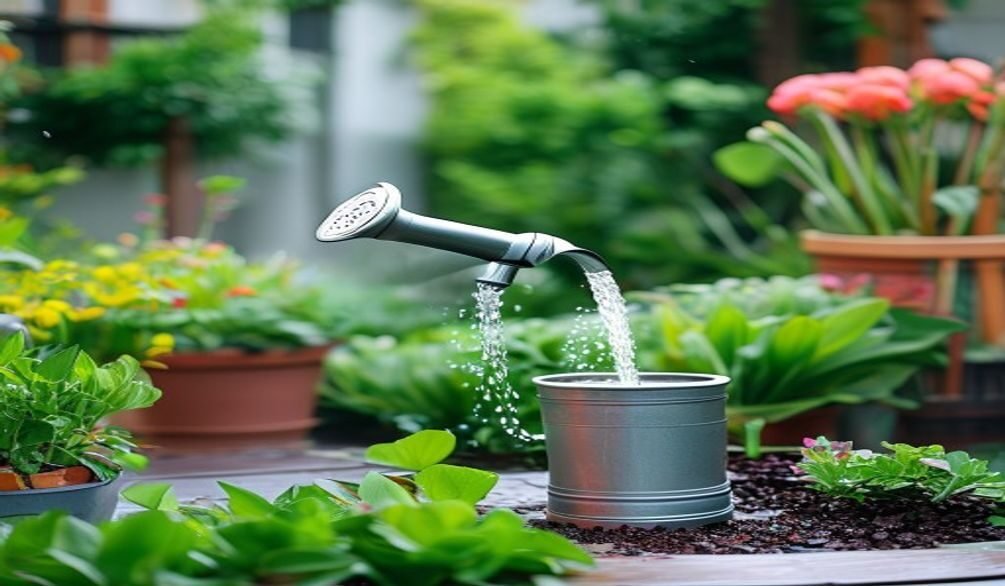
A good quality watering can with a long spout and a fine rose (sprinkler head) is indispensable for container plants, seedlings, and delicate flowers. It allows for precise application and a gentle stream, preventing soil erosion and plant damage. Look for durable options with comfortable handles.
Garden Hoses and Nozzles
A sturdy, kink-resistant garden hose is a must for larger garden beds. Pair it with an adjustable nozzle or a watering wand. Watering wands with shutoff valves are particularly useful for reaching across beds without stepping on plants and for delivering a gentle, rain-like spray directly to the soil surface. Swan offers a range of durable garden hoses.
Soil Moisture Meters
As mentioned earlier, a soil moisture meter is a beginner’s best friend. Analog meters like the XLUX T10 Soil Meter are affordable and provide instant readings. More advanced options, such as the ECOWITT Soil Moisture Tester, offer digital displays and even wireless monitoring for larger gardens, making it easier to know precisely when to water.
Soaker Hoses and Drip Irrigation Kits
For efficient, hands-off watering, soaker hoses or basic drip irrigation kits are excellent. Soaker hoses slowly “weep” water along their entire length, ensuring deep saturation. Drip irrigation systems, like those from Rain Bird, deliver water through emitters directly to individual plants. These systems can save significant time and water, especially for vegetable gardens or perennial beds.
Treegator® Drip Irrigation Bags
If you’re planting new trees or shrubs, a Treegator® drip irrigation bag is invaluable. These bags slowly release water directly to the root ball over several hours, ensuring consistent moisture for establishment. This deep, slow watering method is highly effective and reduces the need for frequent manual watering during a critical growth phase.
Frequently Asked Questions
How do you know when to water plants beginner?
You know when to water plants as a beginner by checking the soil moisture. Insert your finger 2-3 inches into the soil; if it feels dry, it’s time to water. A soil moisture meter, like the XLUX T10 Soil Meter, can also provide precise readings.
How often should I water my garden as a beginner?
As a beginner, you should water your garden based on soil moisture, not a fixed schedule, as needs vary with weather and plant type. Generally, aim for deep watering every few days, allowing the topsoil to dry out between sessions to encourage strong root growth.
What is the best way to water a beginner garden?
The best way to water a beginner garden is deeply and slowly at the plant’s base in the early morning. This minimizes evaporation and ensures water penetrates to the root zone, promoting healthy development and reducing disease risk. The RHS Advice Team confirms that “Watering early in the morning is the best time.”
What are the 3 best ways to water plants?
The three best ways to water plants are using drip irrigation for efficiency, a soaker hose for even ground saturation, and a watering can or wand for precise, gentle application. These methods deliver water directly to the roots, minimizing waste and promoting plant health.
What is the golden rule for watering plants?
The golden rule for watering plants is to water deeply and infrequently, encouraging strong, deep root systems. This means thoroughly saturating the soil to a depth of 5-6 inches, then allowing the top few inches to dry out before watering again, according to The Morton Arboretum.
Mastering **Watering Your Garden for Beginners** is a foundational skill that will transform your gardening journey from frustrating to fulfilling. By understanding when and how to water, adapting to different garden setups, and embracing water conservation, you’ll cultivate a vibrant and resilient garden. Remember, consistency and observation are your best tools. Start applying these tips today, and watch your garden thrive!