Key Takeaways
- Propagating herbs from cuttings can produce new plants in 2-3 weeks, significantly faster than starting from seed, according to Bootstrap Farmer (2026).
- Softwood cuttings like basil and oregano can show roots in as little as 5-10 days when water propagated, as noted by HillsideHomesteadLA (2026).
- All commonly-used culinary herbs are suitable for propagation, confirms the Royal Horticultural Society (RHS) (2026).
- Optimal cuttings for propagating herbs from cuttings are typically 4-6 inches long, advises Bootstrap Farmer (2026).
- This propagation method is a highly cost-effective way to expand your herb garden and ensure a steady supply, according to Bootstrap Farmer (2026).
Are you looking to expand your herb garden without breaking the bank in 2026? Learning the art of propagating herbs from cuttings is a game-changer for any gardener, turning a single plant into an endless supply of fresh, aromatic herbs. This guide, drawing on my 10+ years of horticultural expertise, will walk you through every step, ensuring your success in multiplying your favorite herbs this season.
Quick Answer: To propagate herbs from cuttings, snip a 4-6 inch stem below a leaf node, remove lower leaves, and place it in water or moist soil. Roots typically develop within 2-3 weeks, providing new, free herb plants for your 2026 garden.
What Herbs Are Easiest to Propagate from Cuttings in 2026?
The easiest herbs to propagate from cuttings in 2026 are typically those with soft, flexible stems, such as basil, mint, oregano, and rosemary. The Royal Horticultural Society (RHS) confirms that all commonly-used culinary herbs can be easily propagated (2026), with success rates varying based on the herb’s growth habit. These herbs root quickly and reliably, making them ideal for beginners looking to master propagating herbs from cuttings.
From my experience, annuals and tender perennials generally respond best to water propagation, while some woody herbs might prefer soil. Understanding these tendencies is key to successful propagating herbs from cuttings.
Here’s a breakdown of popular herbs and their preferred propagation methods:
- Basil: A top candidate for water propagation, basil cuttings root vigorously, often within a week. Its softwood cuttings thrive in a clear glass of water, showing roots rapidly.
- Mint: Known for its aggressive growth, mint is incredibly easy to propagate from cuttings in water or soil. You’ll likely see roots within days, making it a “No Fail” herb for propagating herbs from cuttings.
- Oregano: Similar to basil, oregano readily produces roots in water or moist soil. It’s an excellent choice for expanding your herb collection quickly.
- Rosemary: While slightly slower than basil or mint, rosemary is very successful when propagating herbs from cuttings. Both water and soil methods work well for its semi-ripe stem cuttings, though soil often yields stronger roots.
- Sage: Another semi-woody herb, sage can be propagated in water or soil. Cuttings benefit from a rooting hormone to encourage faster development.
- Lemon Balm: This member of the mint family shares its easy-to-root characteristics, making propagating herbs from cuttings simple and rewarding.
- Stevia: Often cited as an excellent candidate for water propagation, stevia provides a sweet reward for your efforts.
Many herbs, including borage, calendula, catnip, chamomile, cilantro, lavender, parsley, and thyme, are also suitable for propagating herbs from cuttings, particularly in soil. Each offers a unique texture and flavor to your garden, and multiplying them is incredibly satisfying.

How to Take Perfect Herb Cuttings for 2026 Success
Taking perfect herb cuttings for 2026 success involves selecting a healthy mother plant, using clean tools, and making precise cuts to maximize rooting potential. This careful preparation is the most crucial step when propagating herbs from cuttings, as it directly impacts the vitality of your new plants.
Step 1: Select a Healthy Mother Plant
Choose a vibrant, disease-free mother plant that shows no signs of pests or stress. A strong parent plant provides the best genetic material for propagating herbs from cuttings, ensuring vigorous growth in its offspring. Avoid taking cuttings from flowering stems, as the plant’s energy is directed towards bloom production rather than root formation.
Step 2: Gather Your Tools
You’ll need clean, sharp pruning shears or scissors for taking cuttings. Sterilizing your tools with rubbing alcohol before each use prevents the spread of diseases, which is a common pitfall when propagating herbs from cuttings. Having your preferred propagation medium (water or soil) and containers ready will also streamline the process.
Step 3: Take the Cuttings Properly
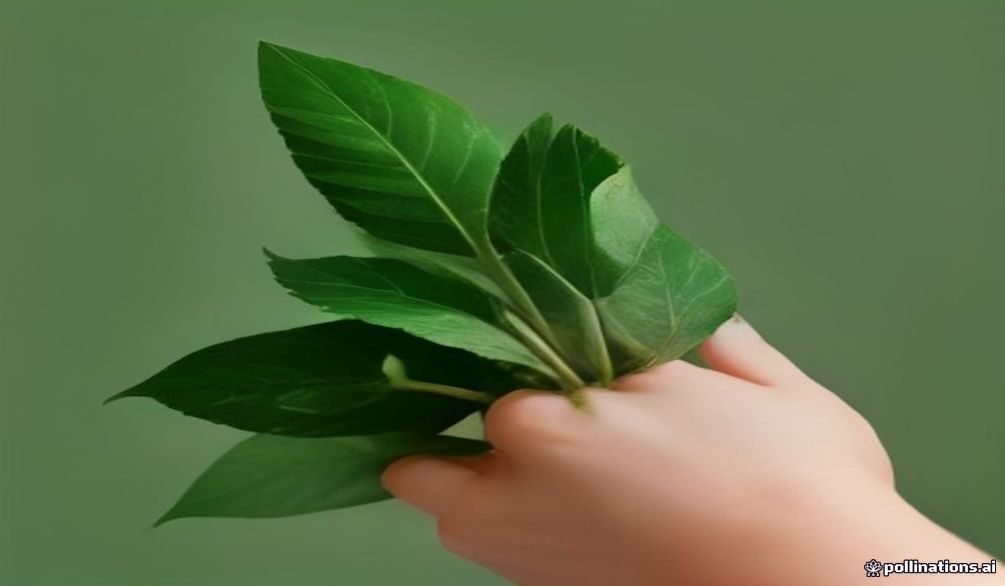
To achieve the best results when propagating herbs from cuttings, snip a stem section that is 4-6 inches long. Make your cut just below a leaf node, as this is where the highest concentration of rooting hormones is found, according to Bootstrap Farmer (2026). This strategic cut encourages rapid root development.
For most herbs, softwood cuttings (new, flexible growth) are ideal for propagating herbs from cuttings. These younger stems root more readily than older, woody growth. A single rosemary plant, for instance, can provide enough cuttings to start an entire herb garden, as suggested by Homesteading Family (2026).
Step 4: Prepare Cuttings for Rooting
Once you have your stem cuttings, gently remove the leaves from the bottom 2-3 inches of the stem. This prevents the submerged leaves from rotting in water or soil, which can lead to fungal issues and failure when propagating herbs from cuttings. Leaving too many leaves can also cause the cutting to lose too much moisture through transpiration before roots can form.
The goal is to expose enough stem for root development while keeping a few leaves at the top to facilitate photosynthesis. This balance is vital for the cutting’s survival and growth, especially when propagating herbs from cuttings.

Water Propagation vs. Soil: Which Method is Best for Your Herbs in 2026?
The best method for propagating herbs from cuttings, either water or soil, depends largely on the herb type and your gardening preferences, with each offering distinct advantages. Water propagation is often simpler for beginners and visualizes root growth, while soil propagation typically produces stronger, more resilient roots for long-term health. “If you’re tired of buying the same herbs over and over, water propagation is one of the simplest ways to multiply what you already have,” notes HillsideHomesteadLA (2026).
In my decade of gardening, I’ve found that soft-stemmed herbs excel in water, while semi-woody varieties often prefer the stability of soil. Understanding these nuances significantly improves success when propagating herbs from cuttings.
Water Propagation for Herbs
Water propagation is an excellent choice for many common herbs because it allows you to easily monitor root development. This method is particularly successful for basil, mint, oregano, and lemon balm, where roots can appear in as little as 5-10 days, according to HillsideHomesteadLA (2026).
To use this method for propagating herbs from cuttings, simply place your prepared cuttings in a clear glass or jar filled with clean, room-temperature water. Ensure only the bare stem is submerged, and change the water every few days to prevent bacterial growth. Place the container in a location with bright, indirect light, avoiding direct sun which can overheat the water.
Soil Propagation for Herbs
Soil propagation provides a more natural rooting environment, often leading to stronger root systems that adapt better to transplanting. This method is highly effective for a broader range of herbs, including rosemary, sage, thyme, and lavender, as well as those that thrive in water. Using a well-draining potting soil is critical for preventing rot when propagating herbs from cuttings.
For soil propagation, fill small pots or a propagation tray with a sterile, well-draining potting mix. A good mix often includes perlite or vermiculite to improve aeration, which is vital for root health. For example, Bootstrap Farmer suggests a mix that ensures excellent drainage for successful rooting (2026).
Make a small hole in the soil with a pencil or stick, insert the prepared cutting (optionally dipped in rooting hormone), and gently firm the soil around it. Keep the soil consistently moist but not waterlogged, and consider covering the cuttings with a plastic dome or bag to maintain high humidity, which aids in preventing moisture loss while propagating herbs from cuttings.
| Method | Best For | Advantages | Disadvantages |
|---|---|---|---|
| Water Propagation | Basil, Mint, Oregano, Lemon Balm, Stevia | Easy to monitor root growth; simple setup; high success for softwoods | Roots can be fragile; acclimatization needed for soil; water needs frequent changing |
| Soil Propagation | Rosemary, Sage, Thyme, Lavender, All Water Propagators | Stronger root systems; less transplant shock; more natural environment | Cannot see root growth; requires careful moisture management; risk of rot if too wet |

Do Herb Cuttings Need Rooting Hormone?
Herb cuttings do not always need rooting hormone, as many herbs, especially soft-stemmed varieties like mint and basil, root readily on their own, but it can significantly increase success rates and speed up root development for more challenging or woody herbs. Using a rooting hormone, such as Clonex gel, provides auxins that stimulate cell division and root formation, according to gardening experts (2026).
From my professional experience, while it’s optional for some, I always recommend using a rooting hormone when propagating herbs from cuttings like rosemary or lavender. It gives them a crucial head start, especially if you’re aiming for a high success rate.
Here’s when rooting hormone is most beneficial:
- Woody or Semi-Woody Herbs: Herbs like rosemary, sage, thyme, and lavender benefit greatly from rooting hormone. Their stems are tougher, and the hormone helps to overcome this natural resistance to rooting.
- Slower Rooters: If you’re propagating herbs from cuttings that are known to take longer to develop roots, a hormone can cut down on the waiting time and reduce the risk of the cutting rotting before roots emerge.
- Maximizing Success: For gardeners who want the highest possible success rate from their cuttings, even with easy-to-root herbs, rooting hormone provides an extra boost.
When applying rooting hormone, dip the cut end of the prepared stem cutting into the powder or gel, ensuring the bottom inch is coated. Tap off any excess before placing the cutting into your chosen medium. This prevents over-application, which can sometimes inhibit root growth instead of encouraging it when propagating herbs from cuttings.

How Long Does It Take for Herb Cuttings to Root?
The time it takes for herb cuttings to root varies significantly depending on the herb species, propagation method, and environmental conditions, but generally, most common culinary herbs will show root development within 2-3 weeks. For instance, soft cuttings like basil and oregano can display visible roots in as little as 5-10 days when propagated in water, as noted by HillsideHomesteadLA (2026). This rapid rooting makes propagating herbs from cuttings a gratifying process.
In my years of practice, I’ve observed that patience is key, but consistent conditions are even more so. Don’t be discouraged if some cuttings take a little longer; different herbs simply have different timelines for propagating herbs from cuttings.
Here’s a general timeline for common herbs:
- Fast Rooters (5-10 days): Basil, Mint, Oregano, Lemon Balm. These soft-stemmed herbs are excellent for quick results when propagating herbs from cuttings.
- Moderate Rooters (2-3 weeks): Sage, Thyme, Marjoram, Stevia. These often have slightly tougher stems and benefit from consistent warmth and humidity.
- Slower Rooters (3-6 weeks or more): Rosemary, Lavender. These semi-woody herbs can take longer, and rooting hormone is particularly helpful for them.
To check for root development in soil, gently tug on the cutting. If you feel resistance, roots have likely formed. For water propagation, roots are visible, but wait until they are at least an inch long before considering transplanting. Providing optimal conditions, such as consistent warmth (around 70-75°F or 21-24°C) and bright, indirect light, will significantly accelerate the process of propagating herbs from cuttings.

Troubleshooting Common Problems When Propagating Herbs
Troubleshooting common problems when propagating herbs from cuttings requires keen observation and timely adjustments to environmental conditions, as issues like wilting, rotting, or lack of root development are often correctable. Understanding the underlying causes is crucial for turning potential failures into successes with your propagating herbs from cuttings efforts.
One common issue I see is gardeners giving up too soon. Many problems, from yellowing leaves to slow rooting, have straightforward solutions once you know what to look for when propagating herbs from cuttings.
Wilting Cuttings
Wilting is often the first sign of trouble when propagating herbs from cuttings. It typically indicates dehydration.
- Lack of Humidity: Cuttings don’t have roots to absorb water, so they rely on high humidity to prevent moisture loss. Cover soil cuttings with a plastic dome or bag to create a mini-greenhouse.
- Too Much Sun: Direct, intense sunlight can quickly dry out delicate cuttings. Move them to a spot with bright, indirect light.
- Water Quality (Water Propagation): Ensure you’re changing the water every few days to keep it fresh and oxygenated. Stagnant water can lead to oxygen deprivation and wilting.
Cuttings Turning Black or Mushy (Rot)
Rot is a common and often fatal problem, usually caused by excessive moisture or fungal infections.
- Overwatering (Soil Propagation): Ensure your potting mix is well-draining, as mentioned by Bootstrap Farmer (2026). Let the top layer of soil dry slightly between waterings.
- Stagnant Water (Water Propagation): Change the water frequently, ideally daily or every other day, to prevent anaerobic conditions and bacterial growth.
- Unsterilized Tools: Always use clean, sharp pruning shears. Contaminated tools can introduce pathogens that cause rot when propagating herbs from cuttings.
No Root Development
Sometimes, cuttings simply refuse to root, even after several weeks.
- Incorrect Cutting Location: Ensure you’re cutting below a leaf node, where rooting hormones are concentrated.
- Temperature Too Low: Most herbs root best in warm conditions, ideally 70-75°F (21-24°C). Consider a heat mat for cooler environments.
- Insufficient Light: While direct sun is too harsh, cuttings still need bright, indirect light for photosynthesis to fuel root growth. If natural light is insufficient, consider supplementary grow lights for herbs.
- Old or Woody Cuttings: Softwood cuttings generally root faster. If using semi-woody stems, a rooting hormone is highly recommended.
By addressing these issues promptly, you can significantly improve your success rate when propagating herbs from cuttings.

Transplanting and Long-Term Care for Your New Herb Plants
Transplanting and providing long-term care for your new herb plants are crucial steps to ensure their survival and vigorous growth after successfully propagating herbs from cuttings. The transition from a rooting environment to a permanent home can be stressful, so a gentle approach and consistent care are essential for these young plants.
Step 1: Hardening Off Your Cuttings
Before transplanting your rooted cuttings outdoors, it’s vital to “harden them off” to acclimatize them to outdoor conditions. This process gradually exposes them to sunlight, wind, and fluctuating temperatures, reducing transplant shock. For example, Gardenary suggests that hardening off prevents delicate new plants from being overwhelmed by the outdoor environment (2026).
Over a week or two, place your cuttings outdoors for increasing durations each day, starting with a few hours in a sheltered, shady spot. Gradually increase their exposure to sunlight and wind. This prepares them for the rigors of the garden after propagating herbs from cuttings.
Step 2: Transplanting Rooted Herbs
Once your cuttings have developed a robust root system (at least 1-2 inches long) and have been hardened off, they are ready for transplanting. Choose a pot slightly larger than their current root ball or a prepared spot in your garden with well-draining soil.
Carefully remove the cutting from its rooting medium, disturbing the roots as little as possible. Plant it at the same depth it was rooting, gently firming the soil around the base. Water immediately to help settle the soil and eliminate air pockets. This initial watering is critical for the establishment of new plants after propagating herbs from cuttings.
Step 3: Providing Ongoing Care
After transplanting, your new herb plants will need consistent attention to thrive.
- Watering: Keep the soil consistently moist, but not waterlogged, especially during the first few weeks after transplanting. As plants mature, adjust watering frequency based on their needs and climate.
- Light: Most herbs require at least 6 hours of direct sunlight per day. Ensure they are placed in a sunny location. If growing indoors, supplementary grow lights for herbs might be necessary.
- Nutrients: Young herb plants generally don’t need heavy fertilization. A balanced, organic liquid fertilizer applied at half strength every 2-4 weeks can support growth, particularly when growing in containers.
- Pruning: Regularly prune your new herb plants to encourage bushier growth and prevent them from becoming leggy. This also provides more material for future propagating herbs from cuttings!
Debbie Wolfe, a gardening expert, emphasizes the importance of consistent care for successful plant growth, whether from seeds or cuttings (2026). By following these steps, you’ll ensure your propagated herbs grow into healthy, productive plants.

Seasonal & Regional Tips for Propagating Herbs in 2026
Adapting your approach to seasonal and regional conditions is key to successful propagating herbs from cuttings in 2026, as optimal timing and environmental management vary significantly with climate and time of year. While spring and early summer are generally ideal, indoor setups and specific techniques can extend your propagation season.
One insight I’ve gained over the years is that understanding your local microclimate is just as important as knowing the general guidelines. What works in a temperate zone might need adjustments in a hot, dry region when propagating herbs from cuttings.
Optimal Timing for Taking Cuttings
The best time for propagating herbs from cuttings is typically in the spring or early summer, when plants are actively growing and producing tender, new shoots (softwood cuttings). This active growth phase means the plant has ample energy reserves for root development.
- Spring: Ideal for most herbs as they emerge from dormancy. Softwood cuttings taken now root quickly.
- Early Summer: Still excellent for many herbs, though some may start to produce semi-ripe cuttings which can take longer to root or benefit from rooting hormone.
- Late Summer/Early Fall: Suitable for semi-ripe cuttings of woody herbs like rosemary and lavender. These will need more time to root before winter.
Regional Adaptations for Propagating Herbs
Your geographic location and local climate significantly influence how and when you should be propagating herbs from cuttings.
- Warm Climates (USDA Zones 9+): You might be able to propagate herbs almost year-round outdoors. Focus on avoiding the hottest parts of summer when cuttings can easily dehydrate. Provide afternoon shade.
- Temperate Climates (USDA Zones 6-8): Spring and early summer are your prime times. Consider indoor propagation during cooler months using grow lights for herbs to extend your season.
- Cooler Climates (USDA Zones 5 and below): Outdoor propagation is limited to late spring and summer. Indoor propagation with supplemental light and warmth is almost essential for a continuous supply of new plants. This is particularly useful for growing herbs in a small apartment.
Indoor Propagation Strategies for 2026
For year-round propagating herbs from cuttings, especially in colder regions, an indoor setup is invaluable.
- Grow Lights: Essential for providing adequate light during shorter daylight hours. LED grow lights are energy-efficient and effective.
- Humidity Domes: Help maintain the high humidity levels crucial for cuttings, especially in dry indoor environments.
- Heat Mats: Provide bottom heat to rooting trays, encouraging faster root development, which is particularly beneficial when propagating herbs from cuttings in cooler indoor spaces.
By understanding and adapting to these seasonal and regional factors, you can dramatically increase your success rate for propagating herbs from cuttings throughout 2026, ensuring a continuous supply of fresh herbs for your kitchen.

Frequently Asked Questions
What herbs are easiest to propagate from cuttings?
The easiest herbs to propagate from cuttings are soft-stemmed varieties like basil, mint, and oregano, which root quickly and reliably in water or soil. These herbs often show root development in as little as 5-10 days, according to HillsideHomesteadLA (2026). Starting with these will build your confidence for more challenging herbs.