Key Takeaways
- Stem strength relies on water balance, root health, light, and nutrient availability, according to horticultural research (2026).
- Silica strengthens plant cell walls, making stems tougher and more resistant to bending, says Seedsman (2025).
- Most garden problems (70-90%) stem from non-living factors like improper watering or light, not pests, according to studies (2026).
- Plants in depleted soil often exhibit weak stems and recover slowly from stress, as per soil science research (2026).
- Nutrient uptake is most effective when combined with healthy soil biology, not just excessive fertilization, research suggests (2026).
You know that feeling when your beautiful tomato plant, heavy with developing lal mirch, suddenly starts to sag? Or when your newly sprouted pudina seedlings look like they’re doing the limbo instead of standing tall? It’s frustrating to see your green babies struggle, but don’t worry, you can absolutely fix weak plant stems with the right approach.
Quick Answer: Fix weak plant stems by optimizing light exposure, ensuring proper watering and drainage, providing essential nutrients like nitrogen and silica, improving soil quality, and offering physical support with stakes or cages.
Why are my plant stems so thin and weak?
Your plant stems are likely thin and weak because of a combination of factors, usually revolving around insufficient light, improper watering, poor soil health, or nutrient deficiencies. “Soft or floppy stems are your plant’s way of telling you something is off, most often related to water, roots, light, or soil,” according to UrbaneEight (2026).
Most people immediately think of pests or diseases when their plants look sad, but honestly, studies show that 70% to 90% of garden problems are actually caused by non-living factors like improper watering, extreme temperatures, or insufficient light (2026). It’s rarely a complex disease, especially in a small balcony garden. Over my 10 years of growing vegetables on Indian balconies, I’ve seen countless cases where a simple adjustment to light or water made all the difference.
- Lack of Light: Plants stretch to find light, leading to leggy plant stems.
- Over or Under-watering: Both extremes stress roots, impacting turgor pressure.
- Nutrient Deficiencies: Without key nutrients, cell walls can’t form properly.
- Poor Soil Quality: Depleted or compacted soil hinders root health for strong stems.
- Pest Damage: While less common for overall weakness, severe infestations can weaken stems.
How do you strengthen weak plant stems?
To really fix weak plant stems, you’ll need to address the root causes, focusing on environmental factors weak stems can’t handle. Start by optimizing light, getting your watering right, improving soil, and adding targeted nutrients.
Here’s what I noticed after trying this myself: many Indian gardening content online recommends adding too much compost. You might have heard that a 50% compost ratio is ideal for containers. In practice, a 50% compost ratio in containers actually suffocates roots because it holds too much moisture in our humid climate, especially during the monsoon. From my experience, 20–30% is the sweet spot for most vegetables like bhindi or cherry tomatoes. Anything more, and you’re just asking for root rot. So, when you’re thinking about soil, remember less can be more with compost.
Optimizing environmental factors to strengthen plant stalks
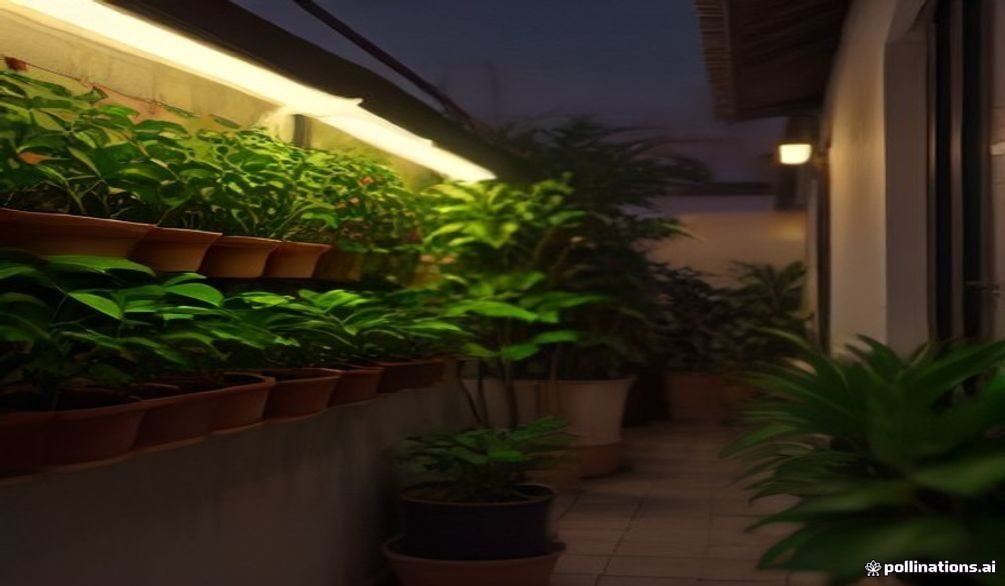
- Provide Adequate Light: If your plant is stretching, move it to a brighter spot or use grow lights. For indoor plants, rotate them weekly. For outdoor plants, consider if they’re getting enough direct sunlight – like 6+ hours for most fruiting vegetables.
- Regulate Watering: Check soil moisture before watering. Stick your finger an inch or two deep. If it feels dry, water thoroughly until it drains from the bottom. If it’s still damp, wait. University extension research shows that damaged roots cannot regulate water uptake, leading to loss of turgor pressure, the internal pressure that keeps stems rigid, according to UrbaneEight (2026).
- Improve Soil Structure: Healthy soil vegetable garden is key. Amend heavy clay soils with coco-peat and perlite to improve drainage and aeration. For sandy soils, add compost to improve water retention and nutrient availability. You can find good quality coco-peat from brands like Cocogreen at local nurseries or online on Ugaoo for around ₹200–300 for 5 kg.
- Ensure Proper Drainage: Make sure your pots have drainage holes. If not, drill some! I once bought a “grow bag” online advertised as 15 litres, but it held only 9 litres when filled properly because the sides were too thin to stand upright. I wasted an entire season of tomatoes because the root volume was not enough for the plants to establish strong root health for strong stems. Now I only buy grow bags from physical nurseries where I can check the material thickness and ensure proper drainage.
What nutrient is good for strong stems?
The best nutrient for strong stems is undoubtedly silica, which significantly enhances cell wall strength and overall plant resilience. While nitrogen is crucial for growth, it’s silica that really helps make plant stems thicker and tougher.
Honestly, most gardeners focus on the NPK trio (Nitrogen, Phosphorus, Potassium), and they’re important, but silica is often overlooked. “Silica makes cell walls tougher, preventing stems from bending and breaking under pressure,” explains Seedsman (2025). Think of it like adding rebar to concrete – it provides structural integrity. Products like “Silica Blast by Botanicare” are great for this; you can find similar liquid silica supplements at larger garden stores or online for around ₹400–600.
Key nutrients to fix weak plant stems
- Silica (Si): This micronutrient is a game-changer for strengthening plant stalks. It gets deposited in plant cell walls, providing physical rigidity and improving resistance to stress, pests, and environmental factors.
- Nitrogen (N): While too much nitrogen can lead to excessive leafy growth and floppy plant stems, a balanced amount is essential for overall plant vigor and healthy cell development. Just don’t overdo it, especially if you’re already using a lot of compost.
- Calcium (Ca): Essential for cell wall formation and structural integrity. A deficiency can lead to weak, brittle stems. Eggshells crushed into the soil can provide a slow release of calcium.
- Potassium (K): Important for water regulation (turgor pressure plants) and overall plant strength. It helps with nutrient transport and strengthens cell walls.
Quick tip: Nutrient uptake is most effective when combined with healthy soil biology, rather than excessive fertilization, according to research from horticultural institutions (2026). So, focus on good soil first, then supplement.
Can weak plant stems recover?
Yes, weak plant stems can absolutely recover, especially if the underlying cause is identified and corrected promptly. The plant’s ability to bounce back depends on the severity of the damage and how quickly you act.
When you see your tulsi plant drooping in the Mumbai heat, it’s not necessarily a lost cause. Horticultural research (2026) indicates that stem strength relies on water balance, root health, light exposure, and nutrient availability. Addressing these core issues often allows the plant to regain its vigor. I’ve seen many plants that looked almost dead perk up within a day or two after a good watering and moving them to a shadier spot during peak Indian summer heat.
Steps for recovery
- Immediate Correction: If it’s a watering issue, adjust immediately. If it’s light, move the plant.
- Pruning: Sometimes, removing severely damaged or leggy plant stems can redirect energy to healthier growth. Use clean, sharp shears to make a clean cut.
- Support: Provide temporary support with stakes or ties while the plant regains strength. This helps prevent further damage and allows it to focus energy on recovery.
- Patience: Recovery isn’t instant. Give your plant time to respond to the changes you’ve made.
Remember, plants grown long-term in depleted soil often exhibit weak stems and recover slowly from stress, according to soil science research (2026). So, long-term soil health is crucial for preventing a recurrence.
What causes weak stems in seedlings?
Weak stems in seedlings, often called “leggy seedlings,” are primarily caused by insufficient light, leading them to stretch excessively for a light source. This is a common issue for many new gardeners trying to fix weak plant stems in their young plants.
When you’re growing methi or dhania from seed indoors, it’s really easy for them to get leggy. They just aren’t getting enough direct light, especially if they’re on a windowsill that only gets a few hours of sun. The lack of intense light forces the seedlings to grow taller and thinner, trying to reach for the light, instead of developing strong, compact stems. I once had a batch of pudina seedlings that became so leggy they just toppled over, even though I thought they were getting enough light. That’s when I switched to cuttings, and they were much stronger.
Common causes of weak seedling stems
- Insufficient Light: The most common culprit. Seedlings need bright, direct light for 12-16 hours a day.
- Overcrowding: Too many seedlings in a small space compete for light and nutrients, leading to weaker growth.
- Lack of Air Circulation: Stagnant air can lead to fungal issues like “damping off,” which weakens the stem at the soil line.
- Incorrect Watering: Both over and under-watering can stress young roots, impacting their ability to support the stem.
- Nutrient Imbalance: While seedlings don’t need much fertilizer initially, a severe deficiency can hinder development.
To fix weak plant stems in seedlings, ensure they have strong light from day one. If you’re using grow lights, keep them just a few inches above the seedlings and adjust as they grow. This is probably the most crucial step for strengthening houseplant stems when they’re young.
How does light affect stem strength?
Light significantly affects stem strength because it’s vital for photosynthesis, which provides the energy for cell division and growth, and it also dictates the plant’s growth hormones. Without enough light, plants prioritize vertical growth over stem thickness, resulting in weak plant stems.
Think about how trees grow in a dense forest – they shoot straight up, fighting for sunlight, often with thinner trunks compared to trees in open fields. It’s the same principle for your balcony plants. The intensity and duration of light directly influence the plant’s ability to produce robust cell walls and maintain turgor pressure. This is why plants in low light get those floppy plant stems. If your plants are indoors, especially in a city like Bangalore with its often mild but sometimes overcast weather, you might need supplemental lighting.
Light and stem development
| Light Factor | Impact on Stem Strength | Solution for Weak Stems |
|---|---|---|
| Intensity | Low intensity leads to elongated, thin cells and leggy growth. | Move to a brighter spot or use a full-spectrum grow light (e.g., 60W LED for ₹1000–1500 online). |
| Duration | Insufficient hours reduces energy production, weakening overall structure. | Ensure 12-16 hours of light for most vegetables; use a timer for grow lights. |
| Spectrum | Blue light encourages compact, sturdy growth; red light promotes flowering. | Full-spectrum lights mimic natural sunlight, providing balanced growth. |
| Direction | Unilateral light causes plants to bend, leading to uneven strength. | Rotate plants regularly or use multiple light sources for even exposure. |
For me, during the pre-monsoon heat in Delhi, even my balcony plants sometimes need a break from the direct afternoon sun, but they still need bright, indirect light to avoid developing weak stems. It’s a delicate balance.
What are the best support structures for weak stems?
The best support structures for weak stems depend on the plant’s size, growth habit, and the weight of its fruits or flowers, ranging from simple stakes to elaborate cages. Providing physical support is a quick way to fix weak plant stems while the plant recovers its strength.
When my tomato plants start getting heavy with fruit, I don’t wait for them to snap; I get the stakes in early. The Home Depot carries various plant supports, including heavy-duty green plastic stakes for trees and vegetables, which are great for larger plants. For smaller or more delicate plants, there are eco-friendly options too. Proven Winners offers Climb-itt™ plant supports from leafjoy®, made from all-natural, biodegradable materials, which are perfect for encouraging natural growth and strengthening houseplant stems without looking intrusive.
Types of plant stem support
- Stakes: Simple and effective for single stems or plants like tall lal mirch. Use bamboo, metal, or sturdy plastic stakes. Push them firmly into the soil without damaging roots, and tie the stem loosely with soft ties or old cloth strips.
- Cages: Ideal for bushy plants like tomatoes or capsicum that produce heavy fruit. Tomato cages, available at most nurseries for ₹80–150, provide support on all sides.
- Trellises: Excellent for climbing plants like beans, gourds, or even some flowering vines. They provide a vertical structure for tendrils to grip and can be made from netting, wire, or wooden lattices.
- Plant Clips and Ties: Gentle clips or soft ties can attach stems to stakes or trellises, offering targeted support without constricting growth.
Remember, the goal is to support, not restrict. Make sure ties are loose enough to allow for stem thickening. This proactive approach can really help strengthen plant stalks and prevent future damage.
Frequently asked questions
Why are my plant stems so thin and weak?
Your plant stems are likely thin and weak due to insufficient light, improper watering, poor soil, or nutrient deficiencies. Horticultural research (2026) confirms that stem strength relies on water balance, root health, light exposure, and nutrient availability. Addressing these factors can help fix weak plant stems.
How do you strengthen weak plant stems?
Strengthen weak plant stems by optimizing light exposure, ensuring proper watering and drainage, improving soil quality, and providing essential nutrients like silica. For example, adding silica can make cell walls tougher, according to Seedsman (2025). Physical support with stakes or cages can also help during recovery.
What nutrient is good for strong stems?
Silica is particularly good for strong stems because it enhances cell wall strength and overall plant resilience. While nitrogen aids growth, silica provides the structural integrity to prevent floppy plant stems, as highlighted by Seedsman (2025). Balanced NPK and calcium also contribute to robust stem development.
Can weak stems recover?
Yes, weak stems can often recover if you quickly identify and correct the underlying issues like inadequate light or improper watering. Plants grown long-term in depleted soil often exhibit weak stems and recover slowly from stress, as per soil science research (2026). Provide immediate care and support for the best chance of recovery.
What causes weak stems in seedlings?
Weak stems in seedlings, or leggy seedlings, are most commonly caused by insufficient light, forcing them to stretch excessively. Overcrowding, lack of air circulation, and incorrect watering can also contribute to weak seedling stems. Ensure bright, direct light for 12-16 hours daily to prevent this common problem.
Seeing your plants struggle with weak stems is disheartening, but with a focused approach on light, water, nutrients, and soil, you can absolutely fix weak plant stems and help them thrive. Remember, it’s often the simple environmental factors that make the biggest difference, not complex diseases. So, take a close look at your gardening practices, make those adjustments, and watch your plants grow stronger and healthier!