
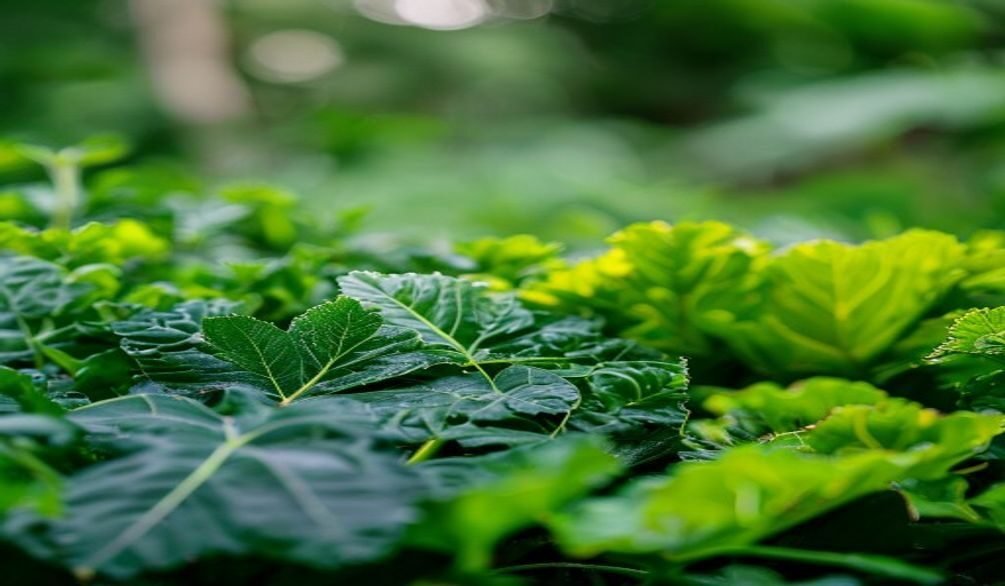
Key Takeaways
- Beginners can achieve a successful Growing Leafy Greens Vegetable Patch by selecting cool-season, easy-to-grow varieties like loose-leaf lettuce or spinach.
- Over 40% of households engage in some vegetable gardening as of 2026, highlighting the widespread appeal of home food production, according to Kingsport Times News.
- The global urban agriculture market is projected to reach $9.2 billion in 2026, underscoring the increasing interest in local food sources, as reported by Seeds In A Cup®.
- Proper soil preparation, including organic amendments, is crucial for nutrient availability and water retention in your leafy greens patch.
- Succession planting ensures a continuous harvest of fresh greens, preventing gluts and extending your Growing Leafy Greens Vegetable Patch’s productivity.
Are you dreaming of fresh, vibrant greens straight from your backyard? Starting a **Growing Leafy Greens Vegetable Patch** is one of the most rewarding gardening endeavors for beginners, offering a continuous supply of nutritious produce. Many aspiring gardeners wonder where to begin, facing challenges like choosing the right varieties, understanding soil needs, or managing common pests. This comprehensive guide, informed by my over 10 years of experience in horticulture, will walk you through every step to ensure your leafy greens thrive, transforming your garden into a productive and enjoyable space.
Quick Answer: Beginners can successfully grow leafy greens in a vegetable patch by choosing a sunny spot with well-drained, fertile soil, selecting easy varieties like loose-leaf lettuce or spinach, and providing consistent watering. Key steps include proper soil preparation, timely planting, and regular harvesting to encourage continuous growth.
What are the Easiest Leafy Greens to Grow for Beginners in 2026?
The easiest leafy greens for beginners to grow are loose-leaf lettuce, spinach, Swiss chard, and arugula, as they are forgiving, grow quickly, and offer a “cut-and-come-again” harvest. These varieties typically mature in 30-60 days, providing a rapid return on your gardening efforts. When you’re just starting your Growing Leafy Greens Vegetable Patch, choosing resilient plants can build confidence and ensure early success.
Loose-leaf lettuce varieties, such as ‘Black Seeded Simpson’ or ‘Salad Bowl’, are perfect for a beginner’s Growing Leafy Greens Vegetable Patch because they tolerate a range of conditions and can be harvested leaf by leaf. This allows for continuous fresh salads over several weeks. Spinach, another excellent choice, thrives in cooler weather and is packed with nutrients, making it a valuable addition to any home garden.
Consider these top varieties for your initial Growing Leafy Greens Vegetable Patch efforts:
- Loose-leaf Lettuce: Quick growing, tolerates partial shade, and can be harvested outer leaves first. Varieties like ‘Buttercrunch’ or ‘Romaine’ are also excellent choices.
- Spinach: Prefers cool temperatures and rich soil, providing tender leaves. The ‘Space Spinach’ variety, available from Botanical Interests in their “New Varieties 2026 Bundle,” is a robust option for your Growing Leafy Greens Vegetable Patch.
- Swiss Chard: Exceptionally ornamental and productive, tolerating both cool and warmer conditions better than many other greens. Its colorful stems add visual appeal.
- Arugula (Rocket): Offers a peppery flavor and grows rapidly, often ready for harvest in just 3-4 weeks. It’s a fantastic choice for quick gratification in your Growing Leafy Greens Vegetable Patch.
- Kale: Hearty and cold-tolerant, varieties like ‘Red Russian’ or ‘Lacinato’ can withstand light frosts, extending your harvest into colder months. Kale is incredibly versatile in the kitchen.
For those with limited space, growing lettuce in pots for beginners is a highly effective method. Many leafy greens adapt well to container gardening leafy greens, making a productive Growing Leafy Greens Vegetable Patch possible even on a balcony or patio.
How Do You Start a Leafy Green Vegetable Patch in 2026?
Starting a leafy green vegetable patch involves careful site selection, proper soil preparation, and choosing the right planting method to ensure a healthy and productive garden. The foundation for successful **Growing Leafy Greens Vegetable Patch** lies in creating an optimal environment from the very beginning.
Step 1: Choose Your Site & Soil
Selecting the right location is paramount for your Growing Leafy Greens Vegetable Patch. Most leafy greens prefer full sun, meaning at least 6 hours of direct sunlight per day, though some can tolerate partial shade, according to Seeds to Success (LSU AgCenter and UF Extension Planting Guides adapted). A well-chosen site ensures adequate light for robust growth.
Beyond sunlight, soil quality is the single most critical factor for a thriving Growing Leafy Greens Vegetable Patch. Leafy greens flourish in well-drained, fertile soil rich in organic matter. You can improve existing soil by incorporating compost, aged manure, or other organic amendments. For deeper insights into soil, explore our guide on the Best Soil Mix for Vegetable Gardens.
Step 2: Select Easy Leafy Green Varieties
Choosing appropriate varieties sets the stage for success in your Growing Leafy Greens Vegetable Patch. Opt for those known for their vigor and resistance to common issues, especially when starting out. My experience shows that selecting varieties well-suited to your local climate and growing conditions significantly increases your chances of a bountiful harvest.
Consider the diverse options available from reputable seed companies like Baker Creek Heirloom Seeds, known for their wide selection of open-pollinated and heirloom varieties, or Botanical Interests, which offers a range of organic and non-GMO seeds, including options perfect for your Growing Leafy Greens Vegetable Patch.
Step 3: Prepare Your Vegetable Patch
Proper preparation of your garden bed ensures an ideal growing environment for your leafy greens. This involves clearing weeds, loosening the soil, and enriching it with amendments before planting. A well-prepared bed provides easy root penetration and essential nutrients.
If you’re establishing a new bed, consider the benefits of a raised bed garden, which offers better drainage and soil control. You can learn more about this approach in our Beginner’s Guide to Starting a Raised Bed Garden.
Key steps for soil preparation:
- Clear the Area: Remove all weeds, rocks, and debris from your chosen site.
- Loosen the Soil: Use a garden fork or shovel to loosen the soil to a depth of 8-12 inches. This improves aeration and drainage.
- Incorporate Organic Matter: Mix in 2-4 inches of high-quality compost or well-rotted manure. This enriches the soil, improves structure, and provides slow-release nutrients essential for a thriving Growing Leafy Greens Vegetable Patch.
- Test Soil pH: Leafy greens generally prefer a slightly acidic to neutral pH (6.0-7.0). Adjust as needed with lime to raise pH or sulfur to lower it.
Step 4: Plant Seeds or Transplants
Deciding whether to plant seeds or use transplants impacts both the timing and initial growth of your Growing Leafy Greens Vegetable Patch. Direct sowing seeds is often more cost-effective, while transplants offer a head start. “Leafy greens can be started by transplant or direct sowing into a garden bed,” according to Piedmont Master Gardeners.
When direct sowing, follow package instructions for spacing and depth. For transplants, gently remove them from their containers, being careful not to disturb the roots, and plant them at the same depth they were in their pots. Water thoroughly immediately after planting.
When is the Best Month to Plant Leafy Greens in 2026?
The best months to plant leafy greens in 2026 are typically early spring (March-April) and late summer to early fall (August-September), as most varieties thrive in cooler temperatures. “Most greens prefer the cool weather of spring and fall,” states Virginia Cooperative Extension. This dual planting window allows gardeners to enjoy harvests throughout much of the year.
For spring planting, sow seeds or set out transplants a few weeks before your last expected frost date. This gives plants time to establish before the heat of summer arrives, which can cause many leafy greens to bolt (go to seed). For a successful spring Growing Leafy Greens Vegetable Patch, paying attention to local frost dates is crucial.
Many leafy greens are considered cool-season crops, meaning they perform best when daytime temperatures are between 50-75°F (10-24°C). Planting in these windows ensures optimal growth and flavor for your Growing Leafy Greens Vegetable Patch.
Leafy greens normally are direct-seeded in the spring in the garden once the soil has warmed to 50 F, according to NDSU Agriculture. This critical soil temperature ensures proper germination and seedling vigor. Understanding your local climate and soil conditions is key to successful timing.
| Leafy Green Variety | Ideal Planting Time (Spring) | Ideal Planting Time (Fall) | Days to Harvest |
|---|---|---|---|
| Loose-leaf Lettuce | March – April | August – September | 30-45 |
| Spinach | March – April | August – September | 30-40 |
| Arugula | March – May | August – October | 20-30 |
| Swiss Chard | April – June | August – September | 50-60 |
| Kale | April – June | July – September | 50-70 |
For gardeners in warmer climates, selecting heat-tolerant varieties or providing afternoon shade can extend the growing season. Conversely, in colder regions, using cold frames or cloches can help your Growing Leafy Greens Vegetable Patch withstand early frosts and extend the harvest into winter.
Maximizing Your Leafy Green Harvest: Succession Planting & Year-Round Tips for 2026
Maximizing your leafy green harvest and ensuring a year-round supply involves strategic succession planting and consistent care, allowing you to enjoy fresh greens continuously. The goal is to avoid a single large harvest followed by empty beds, instead creating a steady flow of produce from your Growing Leafy Greens Vegetable Patch.
Step 5: Water & Fertilize Consistently
Consistent watering is crucial for juicy, tender leafy greens, as irregular moisture can lead to bitterness or bolting. Soil that’s consistently moist, but not soggy, yields the best greens, according to Garden Gate Magazine. Proper hydration is a cornerstone for a productive Growing Leafy Greens Vegetable Patch.
Water deeply and regularly, especially during dry spells. Aim for about 1 inch of water per week, either from rain or irrigation. Consider using drip irrigation or soaker hoses to deliver water directly to the root zone, minimizing evaporation and keeping leaves dry to prevent fungal diseases.
For fertilization, leafy greens are heavy feeders of nitrogen, which promotes lush leaf growth. Incorporate compost into your soil before planting, and consider a balanced organic liquid fertilizer like fish emulsion or compost tea every 2-4 weeks. This consistent feeding supports vibrant growth in your Growing Leafy Greens Vegetable Patch.
Step 7: Harvest Regularly
Regular harvesting is essential for encouraging continuous production and maintaining the quality of your leafy greens. Many varieties thrive on a “cut-and-come-again” approach. By removing older, outer leaves, you signal the plant to produce new growth, extending the harvest period of your Growing Leafy Greens Vegetable Patch.
Harvesting young leaves often provides the best flavor and texture. For most loose-leaf greens, simply snip off the outer leaves about an inch above the soil line, leaving the central growing point intact. This method is particularly effective for growing lettuce in pots for beginners, where space might be limited.
Step 8: Plan for Succession Planting
Succession planting leafy greens for continuous harvest is the most effective strategy for ensuring a steady supply of fresh greens throughout the growing season. Instead of planting all your seeds at once, sow small batches every 2-3 weeks. This creates a staggered harvest, preventing a glut of produce and ensuring your Growing Leafy Greens Vegetable Patch remains productive.
For example, if you plant a row of spinach today, plan to plant another small row in two or three weeks. By the time your first planting is fading, your second will be ready to harvest. This technique is especially valuable for crops with shorter harvest windows, like arugula and loose-leaf lettuce. You can find more detailed strategies in our Late Season Vegetable Planting Guide.
Year-round tips for your Growing Leafy Greens Vegetable Patch:
- Extend the Season: Use cold frames, cloches, or row covers to protect cool-season crops from early and late frosts. This allows for earlier spring planting and later fall harvests.
- Summer Management: In hot climates, plant heat-tolerant varieties like New Zealand Spinach or Malabar Spinach. Provide afternoon shade with shade cloth to prevent bolting and bitterness in traditional greens.
- Winter Growing: For mild winter climates, many hardy greens like kale and collards can continue to grow slowly. In colder regions, consider growing leafy greens indoors or in a greenhouse.
What Leafy Greens Grow Well Together in a Vegetable Patch?
Most leafy greens generally grow well together in a vegetable patch, as they share similar needs for moisture, nutrients, and sunlight, making companion planting relatively straightforward. The key is to group plants with compatible growth habits and environmental requirements.
Companion planting leafy greens can also offer benefits beyond simple cohabitation, such as improved growth, pest deterrence, or better soil health. For instance, planting aromatic herbs like dill or cilantro near your lettuce can help confuse common pests, providing a natural layer of protection for your Growing Leafy Greens Vegetable Patch.
Here are some excellent companion pairings for your Growing Leafy Greens Vegetable Patch:
- Lettuce & Carrots: Carrots help loosen the soil, which benefits lettuce roots. Lettuce, in turn, can provide ground cover, keeping the soil cool and moist for carrots.
- Spinach & Radishes: Both are quick-growing, cool-season crops that don’t compete for resources significantly. Radishes can also break up compacted soil.
- Kale & Onions/Garlic: Onions and garlic are known for their pest-repelling properties, which can help protect kale from common insect invaders.
- Swiss Chard & Bush Beans: Bush beans fix nitrogen in the soil, providing a natural nutrient boost for nitrogen-loving Swiss chard.
- Arugula & Marigolds: Marigolds are well-known for deterring nematodes and other garden pests, offering protection to delicate arugula.
Avoid planting leafy greens directly next to very tall, sprawling plants that could heavily shade them, unless you are intentionally creating a leafy greens for shade garden. Understanding these symbiotic relationships can significantly enhance the health and productivity of your Growing Leafy Greens Vegetable Patch. For more detailed information, consult our guide on Best Companion Plants: Science-Backed Vegetable Garden Guide.
Beginner's Guide to Organic Pest Control for Leafy Greens in 2026
Organic pest control for leafy greens involves preventative measures, vigilant monitoring, and natural remedies to manage common garden pests without harmful chemicals. Protecting your **Growing Leafy Greens Vegetable Patch** organically ensures your produce is safe and healthy for consumption.
Step 6: Manage Pests Organically
Effectively managing pests in your Growing Leafy Greens Vegetable Patch begins with a proactive approach and a commitment to organic methods. Early detection and intervention are key to preventing minor issues from becoming major infestations. In my 10 years of experience, I’ve found that a healthy plant is naturally more resistant to pests.
Common pests that target leafy greens include aphids, slugs, snails, and cabbage worms. Regularly inspect the undersides of leaves and new growth for any signs of these invaders.
Organic pest control strategies for your Growing Leafy Greens Vegetable Patch:
- Hand-picking: For larger pests like slugs, snails, and cabbage worms, physically removing them from plants is highly effective. Do this in the early morning or evening.
- Neem Oil Spray: An organic insecticide derived from the neem tree, neem oil disrupts insect feeding and growth cycles. Apply according to package directions, typically every 7-10 days, to manage aphids and other soft-bodied insects.
- Insecticidal Soap: This solution suffocates soft-bodied pests like aphids and spider mites on contact. Ensure thorough coverage, especially on the undersides of leaves.
- Row Covers: Physical barriers, such as lightweight floating row covers, can prevent flying insects like cabbage moths from laying eggs on your plants. This is a very effective preventative measure for your Growing Leafy Greens Vegetable Patch.
- Companion Planting: As discussed, planting deterrents like marigolds, nasturtiums, or strong-smelling herbs can naturally repel pests.
- Encourage Beneficial Insects: Attract predators like ladybugs and lacewings by planting flowers such as dill, cilantro, and cosmos. These beneficial insects prey on common garden pests, reducing the need for intervention.
For more comprehensive strategies, refer to our DIY Organic Pest Control: Your Guide to a Healthy Garden. Remember, a thriving ecosystem in your Growing Leafy Greens Vegetable Patch often means fewer pest problems.
Troubleshooting Common Leafy Green Problems: Nutrient Deficiencies & More
Troubleshooting common leafy green problems, from nutrient deficiencies to environmental stressors, requires keen observation and an understanding of plant needs to keep your garden healthy. Recognizing the signs early is crucial for maintaining a productive **Growing Leafy Greens Vegetable Patch**.
One common issue is yellowing leaves, which often indicates a nitrogen deficiency, as nitrogen is vital for lush green foliage. If you notice older leaves turning pale or yellow, especially from the tips inward, your Growing Leafy Greens Vegetable Patch likely needs a nitrogen boost. Applying a liquid feed like fish emulsion or a side dressing of compost can quickly remedy this.
Another frequent problem is bolting, where leafy greens prematurely send up a flower stalk and produce seeds, often making the leaves bitter. This is typically triggered by rising temperatures or stress from inconsistent watering. “Kale and collards are tolerant of hot summer weather,” but most other greens are not, according to Virginia Cooperative Extension.
To prevent bolting in your Growing Leafy Greens Vegetable Patch, ensure consistent moisture, provide afternoon shade during hot spells, and select bolt-resistant varieties. Promptly harvesting outer leaves can also delay the bolting process. Once a plant bolts, it’s best to remove it and replant.
Leaf edges turning brown or crispy can indicate insufficient watering or excessive heat, while stunted growth might point to compacted soil or nutrient lock-up. Addressing these issues promptly helps ensure the long-term health and productivity of your Growing Leafy Greens Vegetable Patch. Always ensure proper drainage to prevent root rot.
| Problem Symptom | Possible Cause | Organic Solution for Growing Leafy Greens Vegetable Patch |
|---|---|---|
| Yellowing older leaves | Nitrogen Deficiency | Apply compost tea or fish emulsion. |
| Yellowing between veins | Iron Deficiency | Add chelated iron or foliar spray. |
| Small, pale leaves | Phosphorus Deficiency | Incorporate bone meal or rock phosphate. |
| Leaves turning purple | Phosphorus Deficiency (often in cold soil) | Warm soil, add bone meal.
Related PostsLATEST Post
Vegetable garden: 7 proven tips for successPublished On: July 23, 2026
Prevent plant diseases: 7 simple ways for a healthy gardenPublished On: July 23, 2026
Start organic gardening: 12 simple ways todayPublished On: July 23, 2026
Hydroponics lighting: 7 best fixtures for optimal growthPublished On: July 23, 2026
Terrace gardening: 7 proven space-saving ideasPublished On: July 22, 2026
Fertilize indoor plants: 7 proven ways for healthy growthPublished On: July 22, 2026
Herb companion plants: 7 proven pairings for growthPublished On: July 22, 2026
Flower gardening: 5 simple tips for stunning displaysPublished On: July 22, 2026
|