Are you dreaming of a garden overflowing with healthy, vibrant produce, but struggling with pests, diseases, or lackluster yields? If you’re looking to create the best companion plants vegetable garden possible, understanding strategic plant pairings is your secret weapon. This guide will reveal the science-backed methods to cultivate a resilient, productive garden that thrives naturally.
What is Companion Planting & Why Does it Work?
Companion planting is an age-old gardening practice that strategically places different plant species close to one another to create mutually beneficial relationships. As Naomi Duncan, author of “Companion Planting,” defines it, it’s “the planting of different crops next to each other for strategic reasons.” These relationships can enhance plant health, deter pests, attract beneficial insects, improve soil fertility, and even boost flavor and growth.
The core principle behind this method is mimicking nature’s diversity, where monocultures are rare. By fostering a diverse ecosystem, you build a more resilient garden that can naturally resist common challenges. What most people miss is that it’s not just about what you plant, but understanding the ecological interactions at play.
The Benefits of Strategic Plant Pairings
When done correctly, companion planting offers a multitude of advantages for your vegetable garden. You can expect improved garden productivity and healthier plants overall. This practice is a cornerstone of organic gardening and Integrated Pest Management (IPM) strategies.
- Natural Pest Control: Certain plants emit compounds that repel harmful insects or attract their natural predators.
- Attracting Pollinators: Flowers and herbs can draw in bees, butterflies, and other pollinators essential for fruit set.
- Soil Enrichment: Some plants, especially legumes, perform nitrogen fixing, enriching the soil for heavy feeders.
- Weed Suppression & Moisture Retention: Groundcover plants can shade the soil, reducing weed growth and keeping moisture in.
- Improved Growth & Flavor: Anecdotal and some scientific evidence suggest certain pairings can enhance the vitality and taste of neighboring crops.
Best Companion Plants for Common Vegetables
Creating a thriving vegetable garden often starts with knowing which plants are natural allies. Here’s a quick companion planting guide for beginners, focusing on some of the most popular garden vegetables and their ideal partners.
Companion Plants for Tomatoes
Tomatoes are garden favorites, and they benefit greatly from good neighbors. For example, basil is a widely cited pairing, believed to enhance tomato flavor and repel pests like tomato hornworms and whiteflies, according to Jessica Walliser, author of “Plant Partners.”
- Basil: Improves flavor, deters tomato hornworms, whiteflies, and mosquitoes.
- Marigolds (French): Repel nematodes and other soil pests.
- Carrots: Loosen the soil, benefiting tomato roots.
- Nasturtiums: Act as trap crops, luring aphids away from tomatoes.
- Borage: Attracts pollinators and beneficial insects, potentially deterring tomato hornworms.
Best Companion Plants for Cucumbers
Cucumbers are vigorous growers that appreciate companions providing shade, pest deterrence, and soil health.
- Corn: Provides a natural trellis for climbing cucumbers.
- Beans: Fix nitrogen, benefiting heavy-feeding cucumbers.
- Radishes: Loosen the soil and can deter cucumber beetles.
- Nasturtiums: Trap crops for aphids and cucumber beetles.
- Marigolds: Deter nematodes and other soil-borne pests.
Companion Plants for Peppers
Peppers thrive with companions that offer pest protection and promote vigorous growth.
- Basil: Deters thrips and possibly enhances pepper flavor.
- Carrots: Help loosen soil.
- Onions/Garlic: Repel aphids and spider mites with their strong scent.
- Spinach/Lettuce: Provide ground cover, suppress weeds, and keep soil cool.
What is the Best Companion for Zucchini?
Zucchini, a prolific producer, benefits from companions that can deter common squash pests and enhance soil nutrients.
- Nasturtiums: Act as effective trap crops for squash bugs and other pests.
- Radishes: Can help deter squash vine borers.
- Corn: Provides shade in hot climates and can act as a windbreak.
- Beans: Offer nitrogen fixing, crucial for nutrient-hungry squash plants.
The “Three Sisters” planting method (corn, beans, and squash) is a classic example of mutually beneficial companion planting, where corn provides a trellis, beans fix nitrogen, and squash provides ground cover, suppressing weeds and retaining moisture.
What Vegetables Should Not Be Planted Together?
Just as some plants are excellent partners, others can hinder each other’s growth or attract unwanted pests. Understanding these bad companion plants is crucial for garden success. What vegetables should not be planted next to each other often comes down to conflicting needs or allelopathy.
Common Incompatible Pairings
- Fennel: Known for its allelopathic properties, fennel can inhibit the growth of many plants, including tomatoes, beans, and kohlrabi. Keep it isolated.
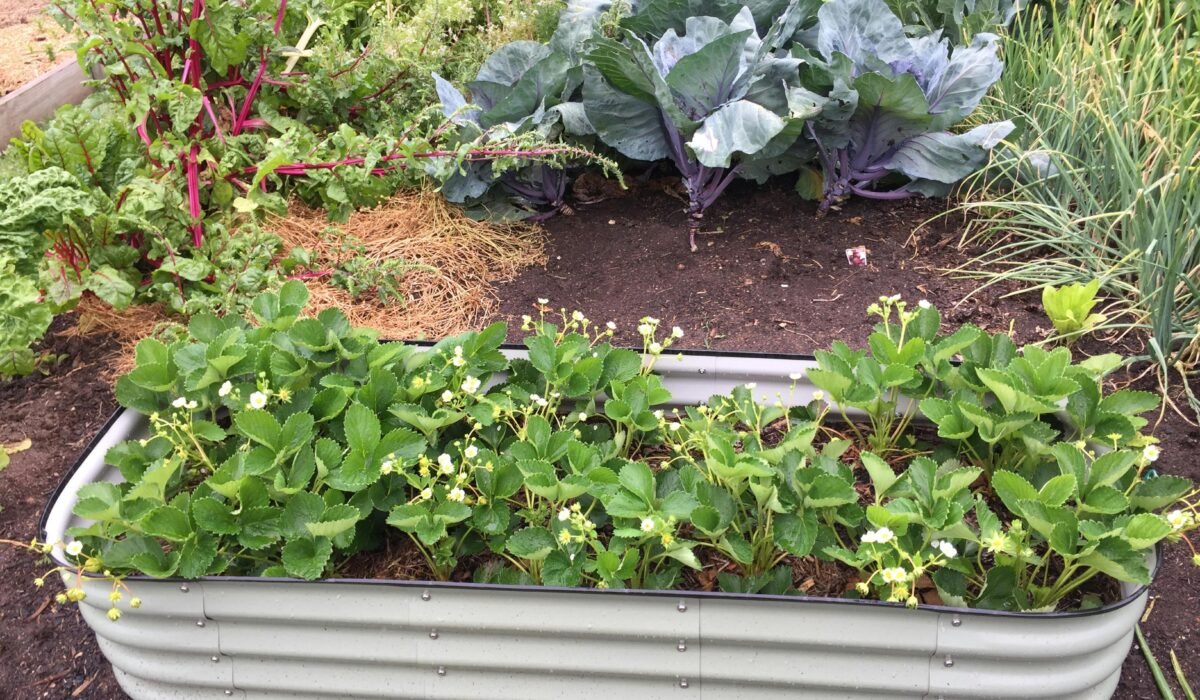
- Cabbage Family (broccoli, kale, cauliflower) & Strawberries: Cabbage family plants can inhibit strawberry growth.
- Beans & Alliums (onions, garlic, chives): Alliums can stunt the growth of beans and peas.
- Potatoes & Tomatoes: Both are in the nightshade family and susceptible to early and late blight. Planting them together increases disease spread and competition for nutrients.
- Carrots & Dill: Dill can attract spider mites and other pests that harm carrots.
In practice, observing your plants’ growth and health when different species are nearby can also offer valuable clues about compatibility, even beyond established lists. Sometimes a plant simply doesn’t like its neighbor, and moving it can make all the difference.
Companion Plants That Deter Pests & Attract Pollinators
A vibrant, healthy garden relies on a delicate balance, where beneficial insects play a starring role. Incorporating specific flowers and herbs is a powerful companion planting pest control strategy and excellent for attracting pollinators.
Natural Pest Deterrents
Many plants possess natural defense mechanisms that can be harnessed for pest control in your vegetable garden. These plants work by repelling pests with strong scents, exuding root compounds, or acting as sacrificial trap crops.
- Marigolds (Tagetes spp.): Especially French Marigolds, are highly effective at deterring nematodes and other soil pests through compounds exuded from their roots, making them excellent companions for root crops, cucumbers, and tomatoes.
- Nasturtiums: These edible flowers serve as fantastic trap crops, luring aphids and caterpillars away from your desirable vegetables. Once infested, you can remove the nasturtium plants, taking the pests with them.
- Alliums (Onions, Garlic, Chives): The pungent odor of these plants repels a wide array of pests, including carrot flies, onion flies, aphids, and slugs. Planting garlic around potatoes or roses, for instance, is known to deter aphids and beetles.
- Mint: While aggressive spreaders, mint varieties can deter flea beetles, aphids, and even mice. Consider planting them in containers to control their spread.
Attracting Beneficial Insects and Pollinators
Beyond deterring bad bugs, you want to invite the good ones. Attracting pollinators is vital for fruit set, and beneficial insects like ladybugs and lacewings are natural predators for common garden pests.
- Dill, Cilantro, Parsley: When allowed to flower, these herbs attract parasitic wasps, lacewings, and hoverflies, which prey on aphids and other soft-bodied insects.
- Borage: Known to attract bees and other pollinators, borage also deters tomato hornworms and cabbage worms.
- Sweet Alyssum: This low-growing flower provides nectar for tiny beneficial insects like hoverflies and predatory wasps.
- Sunflowers: Tall and bright, sunflowers attract a variety of pollinators and can provide shade for more delicate plants.
The “How” and “Why”: Science Behind Companion Planting Benefits
While much of companion planting has been passed down through generations, a growing body of scientific research explains the underlying mechanisms. It’s not just garden folklore; there’s real biology at work.
Mechanisms of Pest Deterrence
The “why” behind pest deterrence is fascinating and multi-faceted. It often involves chemical communication between plants and insects.
- Masking Host Plant Odors: Jessica Walliser highlights that the strong odor of some companion plants doesn’t necessarily repel pests directly. Instead, it “mask[s] the host plants,” making it harder for pests to locate their target crops. This olfactory confusion is a key Integrated Pest Management strategy.
- Repellent Compounds: Some plants release specific volatile organic compounds (VOCs) that are genuinely unappealing or toxic to certain pests. For example, marigolds produce thiophenes from their roots that are nematicidal.
- Trap Cropping: As seen with nasturtiums, some plants are simply more attractive to pests than your desired crops. They draw pests away, acting as a sacrifice.
- Attracting Natural Enemies: Many flowers and herbs provide nectar and pollen for beneficial insects like ladybugs, hoverflies, and parasitic wasps, which then prey on garden pests.
Soil Health and Nutrient Cycling
Companion planting significantly contributes to robust soil health and efficient nutrient cycling, which is fundamental for vigorous plant health.
- Nitrogen Fixing: Leguminous crops like beans and peas are proven to fix nitrogen in the soil through symbiotic bacteria in their root nodules. This makes this essential nutrient available to companion plants, reducing the need for synthetic fertilizers. This is a foundational principle for building healthy soil organically.
- Bio-drilling: Deep-rooted plants can break up compacted soil, improving aeration and water penetration for shallower-rooted companions.
- Shade & Mulching: Broad-leaved plants like squash provide ground cover, shading the soil, suppressing weeds, and retaining moisture, which creates a stable microclimate for soil organisms.
Charles Darwin, a naturalist and proponent of evolutionary theory, highlighted the benefits of diversity in the garden, a principle central to companion planting, noting that it leads to “a greater absolute amount of life…” This ecological perspective underscores why diverse plantings are inherently more productive and resilient.
Companion Planting Strategies for a Thriving Garden
Implementing a successful companion planting strategy requires thoughtful planning and observation. It’s more than just tossing seeds together; it’s about designing an ecosystem.
Planning Your Garden Layout
Start by sketching out your garden beds. Consider the mature size of each plant, its light requirements, and its water needs. Group plants with similar requirements, then layer in your beneficial companions.
For example, if you’re planning a bed for tomatoes, think about surrounding them with basil, marigolds, and borage to maximize their protective and growth-enhancing effects. Remember that more diverse species compositions, specifically 3+ species planted together, are more effective at reducing flea beetle damage than single trap crops.
IPM and Holistic Garden Management
Position companion planting as a key component of a broader Integrated Pest Management (IPM) strategy. It’s not a magic bullet, but a powerful tool that complements other organic pest control methods. Gardeners who use companion planting in a scientifically sound manner can improve plant health and productivity, decrease damage from insects and disease, and decrease the need for pesticides and fertilizers—all part of IPM and Plant Health Care (PHC) strategies, as noted by university extensions.
This holistic approach means also considering soil quality, proper watering, and choosing disease-resistant varieties. Companion planting can cut pest damage by 20% in certain applications, but it works best when integrated into a comprehensive care plan.
Troubleshooting Companion Planting: What to Do When it Doesn’t Work
Even with the best intentions, companion planting doesn’t always yield immediate, dramatic results. Don’t get discouraged if your first attempts aren’t perfect; gardening is a continuous learning process.
Common Reasons for Lackluster Results
If your companion planting efforts aren’t paying off, consider these potential issues:
- Incorrect Plant Spacing: Plants need adequate room to grow. Overcrowding can lead to competition for resources and poor air circulation, negating benefits.
- Soil Issues: Poor soil health, nutrient deficiencies, or incorrect pH can undermine any companion planting efforts. Always prioritize healthy soil first.
- Severe Pest Pressure: In cases of overwhelming pest infestations, companion plants alone may not be enough. They are a preventative and supportive measure, not a standalone cure-all for extreme problems.
- Environmental Factors: Insufficient sunlight, improper watering, or extreme weather conditions can stress plants, making them more susceptible to pests and diseases regardless of their companions.
- Anecdotal vs. Scientific: While many pairings are beneficial, some claims are more anecdotal. Focus on scientifically-backed benefits for reliable results, referencing resources like the University of Minnesota Extension or Virginia Tech Cooperative Extension for reliable information.
When in doubt, always return to the basics: assess your soil, ensure proper light exposure, and maintain consistent watering. Companion planting enhances these fundamentals, it doesn’t replace them.
Frequently Asked Questions
What should you not plant next to tomatoes?
You should generally avoid planting members of the brassica family (like broccoli, cabbage, kohlrabi) near tomatoes, as they can inhibit growth. Additionally, keep corn and potatoes away from tomatoes due to shared pest and disease vulnerabilities, especially blight.
What vegetables should not be planted next to each other?
Avoid planting alliums (onions, garlic) near beans and peas, as they can stunt growth. Fennel should also be isolated from most vegetables due to its allelopathic properties, which release chemicals that inhibit other plants. Similarly, keep carrots and dill apart, as dill can attract spider mites that harm carrots.
What is the best companion for zucchini?
The best companions for zucchini include nasturtiums, which act as trap crops for squash bugs, and radishes, which can deter squash vine borers. Beans are also excellent companions as they fix nitrogen in the soil, providing essential nutrients for heavy-feeding zucchini plants.
What plants keep bugs away from vegetable gardens?
Several plants are excellent for natural pest control in vegetable gardens. Marigolds deter nematodes and other soil pests, while nasturtiums act as trap crops for aphids and caterpillars. Alliums like onions and garlic repel a broad spectrum of pests with their strong odors, and herbs such as mint can deter flea beetles and aphids.
Embracing companion planting is about more than just rearranging your garden beds; it’s about fostering a resilient, interconnected ecosystem. By applying these science-backed strategies, you’re not just growing vegetables, you’re cultivating a healthier, more productive garden that supports itself. Start experimenting with these pairings today and watch your vegetable garden flourish with fewer pests and bigger harvests.