Key Takeaways
- Approximately 70% of tomato yield loss in 2025 was linked to wilt and leaf fungal diseases, according to Farmonaut (2026).
- Early detection of tomato plant diseases in Deep Water Culture (DWC) systems is over 80% effective using AI-driven molecular diagnostics, as reported by Farmonaut (2026).
- Implementing AI-based crop rotation has reduced recurring tomato disease outbreaks by up to 60% in precision farming systems by 2026, according to Farmonaut (2026).
- Fungal infections alone can destroy between 20% and 40% of global annual harvests, costing billions and posing significant threats to food security, as stated by The Hebrew University (2026).
- Environmentally friendly pesticides were found to lower pesticide residues on tomatoes by 45% in 2025, contributing to safer produce and healthier ecosystems, according to Farmonaut (2026).
Are you struggling to keep your tomato plants healthy and productive this season? Understanding and managing **Tomato Plant Diseases 2026** is crucial for a successful harvest, protecting your efforts from devastating fungal, bacterial, and viral threats. As an expert gardener with over a decade of experience, I’m here to guide you through identifying, preventing, and effectively treating these common ailments to ensure your garden thrives.
Quick Answer: Tomato plant diseases are ailments from fungi, bacteria, viruses, or environmental factors, causing wilting, spots, and reduced yields. Effective 2026 management involves early identification, resistant varieties, cultural controls, and targeted organic or chemical treatments.
What are the most common Tomato Plant Diseases in 2026?
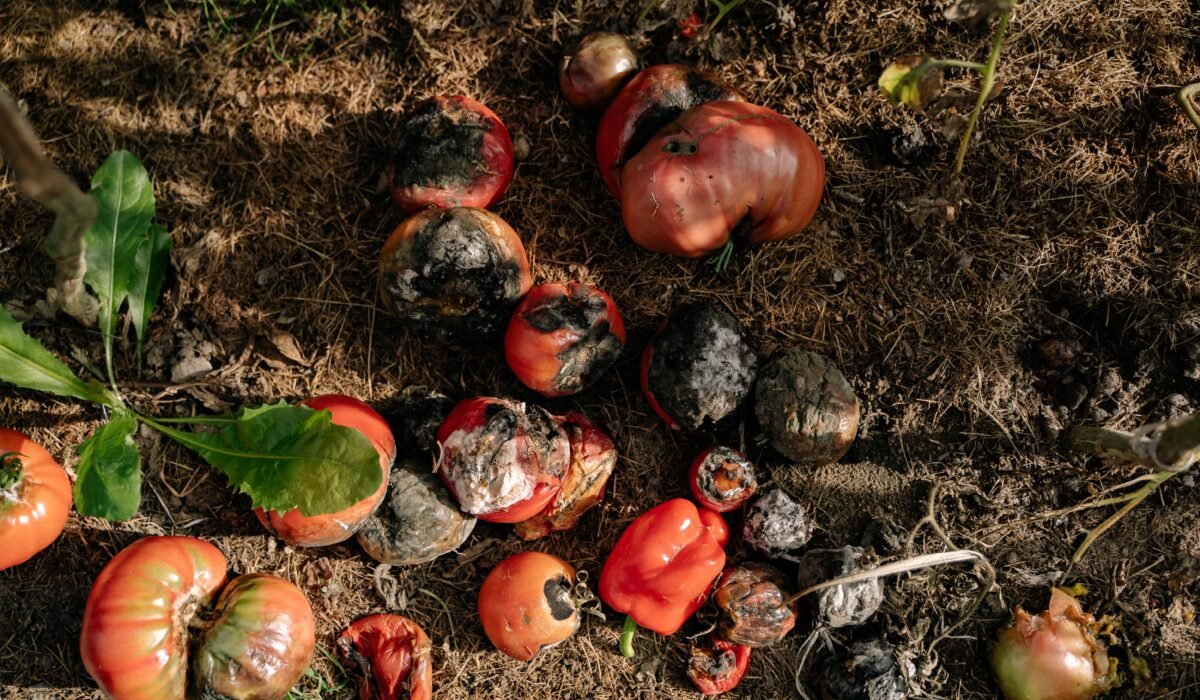
The most common **Tomato Plant Diseases 2026** include early blight, late blight, Fusarium wilt, Verticillium wilt, Septoria leaf spot, and bacterial spot, all posing significant threats to tomato harvests. Approximately 70% of tomato yield loss in 2025 was linked to wilt and leaf fungal diseases, underscoring the prevalence and impact of these conditions, according to Farmonaut (2026). Recognizing these common tomato diseases pictures is the first step toward effective management.
These diseases manifest in various ways, often starting with subtle changes that quickly escalate if left unchecked. My experience shows that early identification is absolutely critical to saving your plants. Understanding the specific symptoms of each of these **Tomato Plant Diseases 2026** allows for quicker, more effective intervention strategies.
* **Early Blight:** Caused by the fungus *Alternaria solani*, early blight symptoms include dark, concentric spots with yellow halos appearing on older leaves, often leading to defoliation. This is one of the most widespread **Tomato Plant Diseases 2026** in many regions.
* **Late Blight:** A highly destructive disease caused by the oomycete *Phytophthora infestans*, late blight symptoms involve large, irregular, water-soaked spots on leaves and stems, often with a fuzzy white mold on the undersides in humid conditions. It can rapidly destroy an entire crop.
* **Fusarium Wilt:** This fungal disease, caused by *Fusarium oxysporum f. sp. lycopersici*, leads to yellowing and wilting of leaves on one side of the plant, often progressing upwards. The vascular tissue inside the stem may show brown discoloration when cut. Farmonaut (2026) highlights its significant impact on yield.
* **Verticillium Wilt:** Similar to Fusarium wilt, Verticillium wilt (caused by *Verticillium dahliae*) also causes yellowing and wilting, usually starting on lower leaves. However, the vascular discoloration might be less pronounced. Both are serious **Tomato Plant Diseases 2026** that affect water transport.
* **Septoria Leaf Spot:** Characterized by numerous small, circular spots with dark brown borders and tiny black dots (fruiting bodies) in the center, Septoria leaf spot is caused by *Septoria lycopersici*. It primarily affects leaves and can cause significant defoliation.
* **Bacterial Spot:** Caused by various *Xanthomonas* species, bacterial spot tomato treatment is often challenging. Symptoms include small, dark, water-soaked spots on leaves that may merge, as well as scab-like lesions on fruits. This is a particularly vexing one among **Tomato Plant Diseases 2026**.
What causes common tomato plant diseases?
Common **Tomato Plant Diseases 2026** are primarily caused by fungi, bacteria, viruses, or environmental stressors, with specific pathogens thriving under distinct conditions. Knowing what causes tomato plant disease empowers you to implement targeted prevention strategies. Dr. Martin Draper, a plant pathologist through the USDA National Institute of Food and Agriculture, discussed in a workshop that diseases like Septoria leaf spot, early blight, and late blight can appear at any time during the year, emphasizing the constant threat.
Understanding the origin of these issues is crucial for effective prevention and treatment. My decade of gardening has taught me that prevention is always better than cure, especially when dealing with these pervasive **Tomato Plant Diseases 2026**.
* **Fungal Pathogens:** Many of the most common **Tomato Plant Diseases 2026**, such as early blight, late blight, Fusarium wilt, Verticillium wilt, and Septoria leaf spot, are caused by fungi or oomycetes. These pathogens typically thrive in warm, humid conditions and are often spread by splashing water, wind, or contaminated tools. Fungal infections can destroy between 20% and 40% of global annual harvests, costing billions of dollars, as stated by The Hebrew University (2026).
* **Bacterial Pathogens:** Bacterial spot and bacterial canker are examples of **Tomato Plant Diseases 2026** caused by bacteria. These pathogens often enter plants through wounds or natural openings and are spread by splashing water, rain, and human handling. Rutgers Cooperative Extension (2026) frequently advises on managing bacterial issues.
* **Viral Pathogens:** Viruses like Tomato Spotted Wilt Virus (TSWV) and Tomato Mosaic Virus (ToMV) are transmitted by insect vectors (e.g., thrips for TSWV) or through infected seeds, sap, or tools. Erica Goss, a UF/IFAS plant pathology professor, notes that when new genetic variation of pathogens like bacterial spot arrives, it may cause new problems or spread to other crops like peppers, highlighting the evolving nature of **Tomato Plant Diseases 2026**.
* **Environmental Stressors:** While not diseases themselves, factors like nutrient deficiencies, inconsistent watering, extreme temperatures, poor soil drainage, or compacted soil can weaken plants, making them more susceptible to actual **Tomato Plant Diseases 2026**. This stress can mimic disease symptoms, making accurate diagnosis vital.
* **Contaminated Soil and Seeds:** Pathogens can overwinter in soil or be present in infected seeds, leading to recurring problems if not addressed. Crop rotation and using certified disease-free seeds are fundamental practices to mitigate these risks for **Tomato Plant Diseases 2026**.
What does an unhealthy tomato plant look like?
An unhealthy tomato plant typically displays symptoms such as yellowing or browning leaves, wilting, stunted growth, spots or lesions on foliage and fruit, and overall reduced vigor. Knowing how to recognize these signs is key to identifying tomato plant problems early. Brooke Edmunds, a horticulturist with Oregon State University Extension Service, advises gardeners that “Knowing the hows and whys of tomato diseases gives gardeners a leg up when it comes to growing one of the garden’s most treasured vegetables.”
My experience has shown that observing your plants daily is the best defense against severe outbreaks of **Tomato Plant Diseases 2026**.
* **Leaf Discoloration:** One of the most common signs is tomato plant leaves turning yellow, which can indicate nutrient deficiency, overwatering, or the onset of fungal diseases like Fusarium wilt or early blight. Black spots on tomato leaves often point to early blight or bacterial spot, depending on their size and pattern.
* **Wilting:** A sudden droop or persistent wilting, especially during cooler parts of the day, can signal root damage, drought stress, or serious vascular **Tomato Plant Diseases 2026** like Fusarium or Verticillium wilt. If only one side of the plant wilts, it’s a strong indicator of a wilt disease.
* **Spots and Lesions:** Beyond yellowing, specific spots provide clues. Early blight symptoms include target-like spots with concentric rings. Septoria leaf spot presents as small, circular spots with dark borders. Bacterial spot leads to dark, water-soaked lesions. These are classic indicators of various **Tomato Plant Diseases 2026**.
* **Stunted Growth and Deformity:** If your plant isn’t growing as expected, or if leaves appear curled, distorted, or abnormally small, it could be suffering from a viral infection or severe nutrient deficiency. A general lack of vigor often precedes more obvious symptoms of **Tomato Plant Diseases 2026**.
* **Fruit Problems:** Unhealthy plants often produce malformed, discolored, or spotted fruits. Blossom end rot, while a physiological disorder, can also manifest as dark, sunken spots on the blossom end of the fruit, indicating calcium deficiency or inconsistent watering. This is not one of the infectious **Tomato Plant Diseases 2026**, but it’s a common problem.
How do you get rid of tomato plant diseases?
Getting rid of **Tomato Plant Diseases 2026** involves a multi-pronged approach combining cultural practices, resistant varieties, and targeted treatments, depending on the specific disease identified. The key to successful disease management is early detection and consistent intervention. Implementing AI-based crop rotation has reduced recurring tomato disease outbreaks by up to 60% in precision farming systems by 2026, according to Farmonaut (2026), showcasing the power of integrated strategies.
Effective treatment for **Tomato Plant Diseases 2026** requires patience and diligence. As a gardener, I’ve learned that a proactive stance saves endless headaches.
Step 1: Identify Common Disease Symptoms
The first step is to accurately identify what type of **Tomato Plant Diseases 2026** you are facing. This matters because treatments vary widely between fungal, bacterial, and viral issues. Use a tomato disease identification chart or consult resources like the Rutgers Cooperative Extension to confirm your diagnosis.
Step 2: Understand Disease Causes & Prevention
Understanding the cause helps you prevent future outbreaks. For instance, many fungal diseases thrive in humidity, so improving air circulation is a preventative measure. This step is crucial for long-term garden health and minimizing future **Tomato Plant Diseases 2026**.
Step 3: Select Disease-Resistant Varieties
Choosing disease resistant tomato varieties is one of the most effective long-term strategies. New varieties like ‘Celebrity Plus’ and ‘Big Beef Plus’ offer improved resistance over their popular predecessors. My experience confirms that starting with resistant plants significantly reduces the battle against **Tomato Plant Diseases 2026**.
Step 4: Implement Integrated Cultural Controls
Cultural controls are non-chemical practices that create an unfavorable environment for pathogens. These practices are fundamental to controlling **Tomato Plant Diseases 2026**.
* **Crop Rotation:** Avoid planting tomatoes in the same spot year after year; rotate with other plant families to break disease cycles. This is a cornerstone of preventing soil-borne **Tomato Plant Diseases 2026**.
* **Sanitation:** Regularly clean tools and remove infected plant debris from the garden. Proper sanitation prevents the spread of fungal diseases of tomato and bacterial spot.
* **Watering Practices:** Water at the base of the plant in the morning to allow foliage to dry quickly, reducing humidity that favors fungal growth. Overhead watering can exacerbate **Tomato Plant Diseases 2026**.
* **Pruning and Air Circulation:** Prune lower leaves and suckers to improve air circulation within the plant canopy. This helps to manage diseases like Septoria leaf spot and early blight symptoms.
* **Mulching:** Apply mulch around the base of plants to prevent soil splash, which can spread soil-borne pathogens onto lower leaves. This helps reduce the incidence of many **Tomato Plant Diseases 2026**.
Step 5: Apply Targeted Organic Treatments
For many **Tomato Plant Diseases 2026**, organic tomato disease control options can be very effective, especially when applied early. Environmentally friendly pesticides were found to lower pesticide residues on tomatoes by 45% in 2025, according to Farmonaut (2026), promoting safer produce.
* **Fungicides:** For fungal diseases like early blight and late blight, organic fungicides containing copper or sulfur can be applied. Products like Trifecta Crop Control, a natural pesticide, can also be effective against certain fungal issues. Always follow label instructions.
* **Bacterial Treatments:** Bacterial spot tomato treatment is challenging, but copper-based sprays can help manage its spread. Remove and destroy severely infected plants to prevent further contamination.
* **Biological Controls:** Some beneficial microbes can help suppress soil-borne **Tomato Plant Diseases 2026**. Composting for Beginners provides excellent methods for improving soil health, which naturally boosts plant immunity.
* **Neem Oil:** Neem oil acts as an insect growth regulator and feeding deterrent, which can indirectly help control viral **Tomato Plant Diseases 2026** by managing their insect vectors. It’s a versatile tool for organic pest control.
Step 6: Monitor & Adapt Your Garden Strategy
Regularly inspect your plants for new or worsening symptoms. Be prepared to adapt your strategy based on disease progression and weather conditions. Continuous monitoring is essential for successful management of **Tomato Plant Diseases 2026**.
Integrated Disease Management for Your 2026 Tomato Garden
Integrated Disease Management (IDM) for your 2026 tomato garden combines cultural, biological, and chemical strategies to control **Tomato Plant Diseases 2026** sustainably and effectively. This holistic approach minimizes reliance on single solutions, ensuring robust plant health. Tom Kalb, NDSU Extension horticulturist, notes that scientists have identified new genes through natural breeding to develop varieties with amazing qualities, making genetic resistance a cornerstone of IDM.
In my years of gardening, I’ve found that IDM is not just a concept; it’s a practical framework that yields the best results for combating **Tomato Plant Diseases 2026**. It’s about working with nature, not against it.
| IDM Strategy Component | Description & Benefit for Tomato Plant Diseases 2026 | Example Action for Home Gardeners |
|---|---|---|
| Resistant Varieties | Utilizing tomato varieties bred with genetic resistance to common pathogens. This is your first line of defense against many **Tomato Plant Diseases 2026**. | Planting ‘Celebrity Plus’ (resistant to Fusarium, Verticillium, Nematodes) or ‘Mountain Fresh Plus’ (resistant to Verticillium, Fusarium, Alternaria Stem Canker, Gray Leaf Spot). |
| Cultural Practices | Optimizing growing conditions to discourage disease development and spread. These practices are fundamental in preventing **Tomato Plant Diseases 2026** outbreaks. | Ensuring proper spacing for air circulation, watering at the base, mulching, and practicing crop rotation. For hydroponic systems, see Best Hydroponic Plant Support Structures 2026. |
| Sanitation | Removing and properly disposing of infected plant material and cleaning tools to prevent pathogen transmission. Critical for stopping the spread of bacterial spot tomato treatment challenges. | Sterilizing pruning shears with a 10% bleach solution between plants, promptly removing black spots on tomato leaves. |
| Monitoring & Scouting | Regularly inspecting plants for early signs of disease symptoms. Early detection is paramount for managing **Tomato Plant Diseases 2026** effectively. | Daily visual checks for yellowing leaves, wilting, or early blight symptoms. |
| Biological Controls | Using beneficial organisms or natural substances to suppress pathogens or enhance plant immunity. This is a growing area for organic tomato disease control. | Introducing beneficial nematodes for soil pests that might cause root damage, or applying compost tea. |
| Targeted Treatments | Applying organic or chemical treatments only when necessary and specifically targeted at the identified pathogen. How to treat tomato blight effectively often relies on this. | Using Trifecta Crop Control for fungal issues, or specific fungicides for how to treat tomato blight. For more organic solutions, explore DIY Organic Pest Control: Ultimate Guide 2026. |
This comprehensive strategy makes your tomato garden more resilient against **Tomato Plant Diseases 2026**.
Adapting to Climate Change: New Disease Challenges for Tomatoes
Adapting to climate change is essential for managing new disease challenges for tomatoes, as shifting weather patterns create ideal conditions for novel and existing **Tomato Plant Diseases 2026**. Increased humidity, extreme temperatures, and altered rainfall patterns are directly influencing disease prevalence and severity. Giuseppe Romanini, president of OI Pomodoro da Industria Nord Italia, emphasized in September 2025 that the industrial tomato supply chain faces numerous challenges to maintain its position as a world leader in quality and sustainability, with climate change being a major factor.
The reality of a changing climate means gardeners must evolve their strategies to combat **Tomato Plant Diseases 2026**. What worked a decade ago might not be sufficient today.
* **Increased Humidity and Rainfall:** More frequent and intense rainfall, coupled with prolonged periods of high humidity, creates perfect breeding grounds for fungal diseases of tomato like late blight and early blight. These conditions promote spore germination and rapid disease spread, making these **Tomato Plant Diseases 2026** more aggressive.
* **Temperature Extremes:** Both unusually high and low temperatures can stress tomato plants, weakening their natural defenses and making them more susceptible to pathogens. Heat stress can also affect fruit set and quality. This vulnerability contributes to the severity of **Tomato Plant Diseases 2026**.
* **Altered Pest Dynamics:** Climate change can shift the geographical range and life cycles of insect vectors, such as thrips, which transmit viral **Tomato Plant Diseases 2026** like Tomato Spotted Wilt Virus. New pests in an area can introduce unfamiliar diseases.
* **New Pathogen Strains:** Warmer winters and extended growing seasons can allow pathogens to overwinter more successfully or even evolve new strains that overcome existing disease resistance in tomato varieties. This is a significant concern for the long-term management of **Tomato Plant Diseases 2026**.
* **Water Scarcity and Stress:** Periods of drought can cause significant plant stress, leading to issues like blossom end rot or making plants more vulnerable to opportunistic pathogens. Inconsistent watering, a common issue during erratic weather, is a major contributor to plant stress, impacting resilience to **Tomato Plant Diseases 2026**.
To mitigate these challenges, consider selecting tomato varieties with broader disease resistance and heat tolerance. Enhance soil health through composting to improve water retention and nutrient availability. Adjust watering schedules to match fluctuating environmental conditions. These adaptive measures are key to dealing with the evolving landscape of **Tomato Plant Diseases 2026**.
Smart Diagnostics & Early Detection for Tomato Ailments
Smart diagnostics and early detection are transforming how gardeners manage **Tomato Plant Diseases 2026**, enabling rapid identification and intervention before widespread damage occurs. Over 80% of tomato diseases in Deep Water Culture (DWC) systems can be detected early using AI-driven molecular diagnostics, according to Farmonaut (2026), demonstrating the power of modern technology. Empowering home gardeners with advanced diagnostic tools is a game-changer for tackling **Tomato Plant Diseases 2026**.
In my own garden, I’ve seen firsthand how quickly a minor issue can escalate into a major problem. Early detection is not just about saving a plant; it’s about saving the entire harvest from **Tomato Plant Diseases 2026**.
* **Visual Inspection:** The most basic yet crucial diagnostic tool remains regular, thorough visual inspection of your plants. Look for subtle changes like the initial yellowing of lower leaves (tomato plant leaves turning yellow), small black spots on tomato leaves, or slight wilting. This routine is the foundation for detecting any **Tomato Plant Diseases 2026**.
* **Mobile Apps with AI:** Several mobile applications leverage artificial intelligence to help gardeners diagnose **Tomato Plant Diseases 2026** by analyzing uploaded photos of symptoms. These apps can provide preliminary diagnoses and suggest potential treatments, making disease identification more accessible. Farmonaut offers such digital disease forecasting and satellite AI alerts, with reported effectiveness rates of 85-95% for Fusarium wilt and 90-96% for Late Blight.
* **Local Extension Services:** For definitive diagnosis, especially when symptoms are ambiguous or severe, submitting plant samples to your local agricultural extension office (e.g., Rutgers Cooperative Extension, NDSU Extension, Penn State Extension) is invaluable. They have plant pathologists who can accurately identify the specific **Tomato Plant Diseases 2026** affecting your garden.
* **Soil Testing:** Understanding your soil’s composition, pH, and nutrient levels can help rule out environmental stressors that mimic disease symptoms. Soil tests can also identify potential pathogen loads in the soil before you even plant, helping prevent soil-borne **Tomato Plant Diseases 2026**.
* **Digital Disease Forecasting Platforms:** Platforms like Farmonaut are enhancing yield security through digital disease forecasting. These tools use weather data and predictive models to alert gardeners to conditions favorable for specific **Tomato Plant Diseases 2026**, allowing for proactive preventative measures.
Can you eat tomatoes affected by early blight?
Yes, you can generally eat tomatoes affected by early blight, provided the fruit itself is not severely rotted or damaged. Early blight primarily affects the foliage and stems, leading to defoliation, but the disease rarely makes the fruit inedible if caught early. The main concern with early blight symptoms is reduced yield and sunscald on exposed fruits.
When assessing tomatoes from plants with early blight symptoms, always inspect the fruit carefully. If the fruit shows no signs of rot, mold, or large lesions, it is typically safe to consume after washing. The goal for managing **Tomato Plant Diseases 2026** like early blight is to preserve as much healthy fruit as possible. Remove any portions of the fruit that look diseased or damaged.
Frequently Asked Questions
What are the most common diseases in tomato plants?
The most common **Tomato Plant Diseases 2026** include early blight, late blight, Fusarium wilt, Verticillium wilt, Septoria leaf spot, and bacterial spot. Approximately 70% of tomato yield loss in 2025 was linked to wilt and leaf fungal diseases, according to Farmonaut (2026). Early identification of these common tomato diseases pictures is crucial for effective management.
How do you get rid of tomato plant diseases?
To get rid of **Tomato Plant Diseases 2026**, combine resistant varieties, cultural controls like crop rotation and proper watering, and targeted organic or chemical treatments. Implementing AI-based crop rotation has reduced recurring tomato disease outbreaks by up to 60% in precision farming systems by 2026, according to Farmonaut (2026). Consistent monitoring and adapting your strategy are key.
What does an unhealthy tomato plant look like?
An unhealthy tomato plant often exhibits yellowing or browning leaves, wilting, stunted growth, and spots or lesions on its foliage and fruit. Black spots on tomato leaves are a common sign of issues like early blight or bacterial spot. Early recognition of these signs helps in prompt intervention for **Tomato Plant Diseases 2026**.
What naturally kills blight on tomatoes?
Natural remedies for blight on tomatoes include organic copper or sulfur-based fungicides and neem oil, particularly when applied early in the disease progression. Improving air circulation, proper watering, and removing infected leaves are essential cultural controls that support organic tomato disease control. Trifecta Crop Control is also an effective natural pesticide against some fungal issues.
What is the best fungicide for tomato plants?
The “best” fungicide for tomato plants depends on the specific **Tomato Plant Diseases 2026** you are targeting and whether you prefer organic or synthetic options. For organic gardeners, copper or sulfur-based fungicides are often recommended for fungal diseases like early blight and late blight. Always choose a product labeled for tomatoes and follow the instructions carefully to ensure efficacy and safety.