
Key Takeaways
- Starting an herb garden offers fresh ingredients and a rewarding hobby, with 18.3 million U.S. households beginning gardening in 2021.
- Millennial customers at gardening stores increased by 65%, and Gen Zers by 40% in recent reports, as noted by garden trade show Glee (2025).
- For beginners, easy-to-grow herbs include basil, mint, chives, and thyme, which thrive with minimal care.
- Well-draining soil and at least six hours of sunlight daily are crucial for a successful herb garden.
- A record-breaking 64% of respondents intend to plant more and expand their gardens in 2026, according to Axiom’s 2026 Gardening Outlook Study.
If you’ve ever dreamt of adding fresh, aromatic flavors to your cooking right from your windowsill or backyard, then learning **How to Start an Herb Garden** is your perfect next step. This guide will walk you through the essential steps to cultivate your own vibrant herb collection, ensuring you enjoy homegrown goodness with ease. As an expert gardener with over 10 years of experience, I’ve seen firsthand how rewarding a thriving herb garden can be for beginners and seasoned enthusiasts alike.
Quick Answer: Starting your first herb garden involves choosing a sunny spot, selecting easy-to-grow herbs like basil or mint, using well-draining soil in pots or a garden bed, and watering consistently. With minimal effort, you can enjoy fresh, flavorful herbs for cooking.
Why Grow Your Own Fresh Herbs?
Growing your own fresh herbs offers numerous benefits, from enhancing your culinary skills to improving your well-being. The simple act of cultivating herbs connects you with nature and provides a constant supply of vibrant flavors for your kitchen.
Fresh herbs significantly elevate the taste and aroma of your dishes, far surpassing their dried counterparts. You gain the satisfaction of knowing exactly where your food comes from, ensuring it’s free from unwanted pesticides when you **start an herb garden** organically.
Beyond the kitchen, gardening is a growing passion; 47.6% of gardeners spent more time gardening in 2025, the highest level since 2022, according to Axiom’s 2026 Gardening Outlook Study. This trend highlights the increasing appeal of hands-on horticulture.
Having an herb garden encourages healthier eating habits by making it easy to add nutrient-rich flavorings to meals. It also provides a relaxing and rewarding outdoor activity, contributing to mental well-being and a sense of accomplishment.
What Do You Need to Start an Herb Garden?
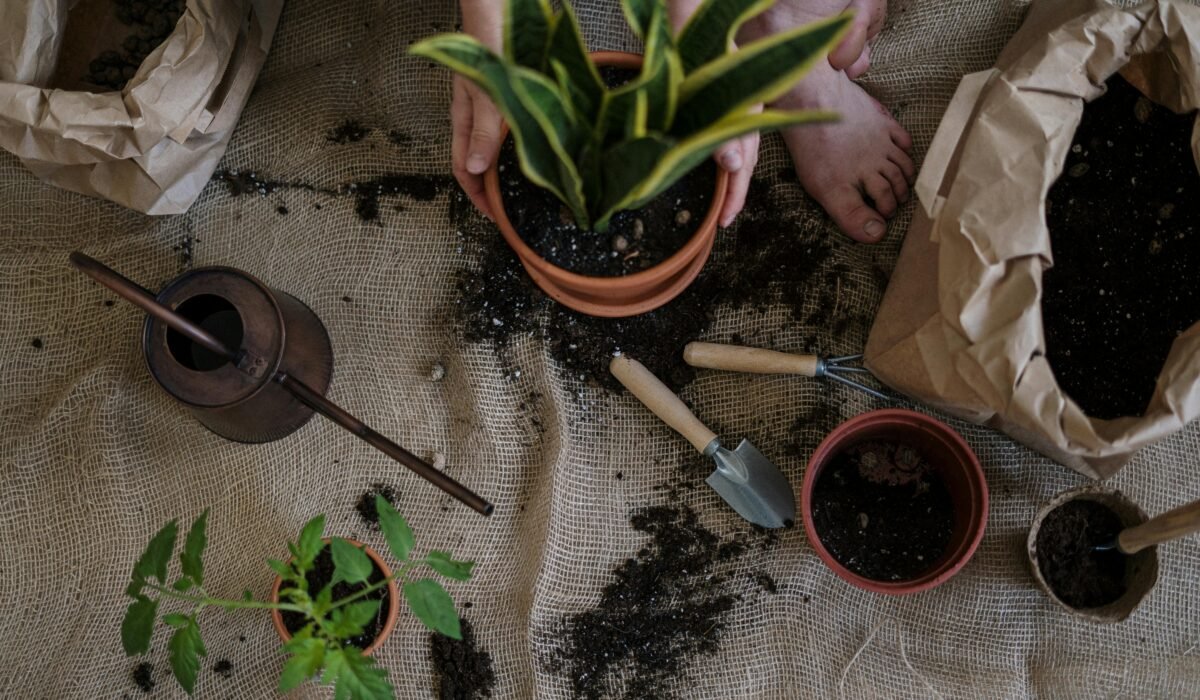
To **start an herb garden**, you primarily need a sunny location, appropriate containers or a garden bed, good quality soil, and your chosen herb seeds or starter plants. These foundational elements are crucial for giving your herbs the best chance to thrive.
Specific plant variety remained the most important decision factor for 36% of buyers in 2025, according to Axiom’s 2026 Gardening Outlook Study. This emphasizes the need to research which herbs best suit your climate and space before you **start an herb garden**.
Here’s a detailed list of essential items:
- Location: Most herbs require at least 6 hours of direct sunlight daily. A south-facing window or a sunny spot in your garden is ideal when you **start an herb garden**.
- Containers: For indoor or patio gardens, choose pots with drainage holes. Terracotta pots are excellent for herbs as they allow the soil to breathe. You can also consider innovative options like the AeroGarden Harvest Elite 360 for hydroponic growing.
- Soil: Use a high-quality, well-draining potting mix. Malibu Compost Baby Bu’s Potting Soil is a great organic option that provides essential nutrients for robust growth.
- Seeds or Starter Plants: Beginners often find success with starter plants. For seeds, look for reputable brands like Spade To Fork Organic Herb Garden Kits, which include USDA-certified organic seeds.
- Watering Can: A small, precise watering can, such as the Haws copper watering can, helps deliver water directly to the soil without disturbing delicate seedlings.
- Basic Tools: A hand trowel, pruning shears (like Niwaki Okatsune Secateurs), and gardening gloves are useful. A Redecker Garden Dibber can ensure precise planting depth for seeds.
- Fertilizer (Optional): While not always immediately necessary for herbs, a balanced organic fertilizer like Down to Earth (4-4-4 N-P-K formula) can support long-term health.
Having the right tools and materials from the outset sets you up for success. Investing in quality items, like those from Niwaki, ensures durability and efficiency in your gardening endeavors.
Easiest Herbs for Your First Garden
The easiest herbs for beginners to grow are those that are forgiving, require minimal care, and produce abundantly, making them perfect candidates for your first attempt at **how to start an herb garden**. These varieties offer quick rewards and build confidence for new gardeners.
“Herbs are the easiest to grow because they require the least amount of time, maintenance and room,” says Eric Preston Stout, expert gardener and landscaper with TeachMe.To. This expert insight reinforces why herbs are an excellent starting point for any new gardener.
Consider these reliable choices when you **start an herb garden**:
- Basil: Loves sun and warmth. Pinch off flowers to encourage leaf growth. Great for pesto and Italian dishes.
- Mint: Vigorous grower, best kept in its own pot to prevent it from taking over. Many varieties offer diverse flavors.
- Chives: A perennial onion-flavored herb. Snip leaves from the base, and it will regrow quickly.
- Thyme: Drought-tolerant and prefers well-draining soil. Ideal for Mediterranean cuisine and ground cover.
- Oregano: Similar to thyme, it thrives in full sun and well-drained conditions. Its flavor intensifies when dried.
- Parsley: Can be grown from seed or starter plant. Keep soil consistently moist. Available in flat-leaf and curly varieties.
- Rosemary: A woody perennial that needs plenty of sun and good drainage. It’s robust and drought-tolerant once established.
Choosing these resilient herbs significantly increases your chances of success, providing a steady supply of fresh flavors. They are excellent choices for anyone wondering **how to start an herb garden** without feeling overwhelmed.
Many of these herbs are frequently included in beginner kits, such as those from Spade To Fork, due to their ease of cultivation and versatility in cooking. This makes selecting your first plants straightforward and enjoyable.
Step-by-Step Guide to Planting Your Herb Garden
A successful herb garden begins with careful planning and execution of a few key steps, ensuring your plants have the best environment to flourish. Following a structured approach will demystify the process of **how to start an herb garden**.
A record-breaking 64% of respondents intend to plant more and expand their gardens in 2026, according to Axiom’s 2026 Gardening Outlook Study, underscoring the growing interest in successful planting guides. This section provides the practical steps to join that trend.
Step 1: Choose Your Location and Container
Selecting the right spot is paramount for herb health. Most culinary herbs thrive with at least six hours of direct sunlight per day, so choose a south-facing window for indoor herbs or a sunny outdoor patch. For containers, ensure they have drainage holes to prevent root rot; terracotta pots or specialized indoor herb garden setups like an AeroGarden are excellent choices.
Step 2: Select Easy-to-Grow Herbs
Opt for beginner-friendly herbs such as basil, mint, chives, or thyme, as these are more forgiving and less prone to common gardening pitfalls. “Herb seeds are readily available and there is no need to be choosy,” says Hooper, an expert gardener interviewed by NBC News, but starter plants can offer a quicker start for newcomers.
Step 3: Prepare Soil and Plant Seeds or Starts
Use a high-quality, well-draining potting mix, like Malibu Compost Baby Bu’s Potting Soil, which provides vital nutrients and aeration. When planting seeds, follow package instructions for depth and spacing. For starter plants, gently remove them from their nursery pots and plant them at the same depth they were previously growing.
Step 4: Water Consistently and Provide Sunlight
Herbs prefer consistently moist, but not waterlogged, soil. Water thoroughly when the top inch of soil feels dry, checking daily, especially during warm weather. Ensure your herbs receive adequate sunlight; rotate indoor plants regularly to ensure even growth. This step is critical when learning **how to start an herb garden**.
Step 5: Monitor for Pests and Diseases
Regularly inspect your herbs for signs of pests like aphids or spider mites, or diseases such as powdery mildew. Early detection is key. For organic pest control, use insecticidal soap or neem oil, or simply rinse pests off with a strong stream of water. Healthy plants are more resistant to issues.
Step 6: Harvest Your Herbs Correctly
Harvesting encourages bushier growth and prolongs the life of your plant. Use clean shears, like Niwaki Okatsune Secateurs, to snip off the top third of the stems, just above a leaf node. Avoid taking more than 25% of the plant at once to ensure it can recover and continue producing.
Step 7: Preserve and Store Your Yield
To enjoy your homegrown herbs long after harvest, consider drying or freezing them. Drying herbs like oregano and thyme concentrates their flavor, while freezing softer herbs like basil or cilantro in olive oil preserves their fresh taste. This extends the culinary benefits of your **how to start an herb garden** efforts.
Following these steps will provide a solid foundation for anyone looking to **start an herb garden**. Monty Don famously states, “Gardening is easy. Stick it in the ground the right way up and most plants will grow perfectly well,” a sentiment that certainly applies to resilient herbs.
Troubleshooting Common Herb Garden Mistakes
New gardeners often encounter a few common issues when they **start an herb garden**, but most problems are easily remedied with a bit of knowledge and attention. Understanding these pitfalls can save your plants and your enthusiasm.
One frequent mistake is overwatering, which can lead to root rot. Herbs generally prefer soil that dries out slightly between waterings rather than being constantly soggy, making proper drainage essential.
Here are some common problems and their solutions:
- Yellowing Leaves: Often a sign of overwatering or nutrient deficiency. Check soil moisture; if it’s consistently wet, reduce watering. If dry, consider a light feeding with an organic fertilizer like Down to Earth.
- Leggy Growth: This indicates insufficient sunlight. Move your herbs to a sunnier spot or supplement with a grow light, especially for indoor herb garden setups. Pruning back leggy stems can encourage bushier growth.
- Wilting Plants: Can be caused by both underwatering and overwatering. Feel the soil; if dry, water thoroughly. If wet, check drainage and allow the soil to dry out.
- Pest Infestations: Small holes in leaves or sticky residue are common signs. For minor issues, manually remove pests. For more severe cases, use organic insecticidal soap or neem oil. Regularly checking the undersides of leaves is vital for early detection.
- Lack of Flavor: Herbs need adequate sunlight and nutrients to develop strong flavors. Ensure they are getting enough sun and consider a balanced organic fertilizer if growth is slow or leaves seem pale.
By proactively addressing these challenges, you can keep your herbs healthy and productive. Learning **how to start an herb garden** includes mastering these simple troubleshooting techniques.
Eric Preston Stout emphasizes the importance of observation, noting that paying close attention to your plants’ subtle cues is key to preventing major problems. This expert advice highlights the value of consistent monitoring.
How to Harvest and Preserve Your Homegrown Herbs
Harvesting your herbs correctly not only provides you with fresh ingredients but also encourages your plants to grow fuller and more productively. Knowing the best techniques for **how to start an herb garden** extends to how you gather your bounty.
Proper harvesting ensures the plant remains healthy and continues to yield throughout the growing season. This makes your efforts in cultivating a thriving herb garden truly worthwhile.
Here are effective harvesting and preservation methods:
- Harvesting Technique: Always use clean, sharp scissors or Niwaki Okatsune Secateurs to prevent damage. Snip stems above a leaf node or where two leaves meet. This encourages the plant to branch out, leading to a bushier, more productive plant.
- When to Harvest: The best time to harvest most herbs is in the morning after the dew has dried but before the heat of the day. This is when their essential oils are most concentrated, leading to peak flavor.
- Drying Herbs: For woody herbs like rosemary, thyme, and oregano, tie small bunches together and hang them upside down in a cool, dry, well-ventilated area away from direct sunlight. Once brittle, strip the leaves and store them in airtight containers.
- Freezing Herbs: Softer herbs like basil, parsley, and cilantro freeze well. Chop them finely and mix with a little olive oil, then freeze in ice cube trays. Once frozen, transfer the cubes to freezer bags for easy, pre-portioned use.
- Making Herb Oils/Vinegars: Infuse fresh herbs into olive oil or vinegar for flavorful condiments. Ensure herbs are completely dry to prevent mold growth. This is a great way to use a large harvest from your **how to start an herb garden** project.
By mastering these techniques, you can enjoy the fruits of your labor year-round, making the most of your investment in learning **how to start an herb garden**.
Jekka McVicar, a renowned herbalist, stresses the importance of regular harvesting to maintain plant vigor, advising gardeners to “cut little and often” to keep herbs productive and flavorful.
Culinary Delights: Integrating Fresh Herbs into Your Cooking
Integrating fresh herbs from your garden into your cooking is the ultimate reward for your efforts, transforming everyday meals into gourmet experiences. This direct connection between garden and plate is a core joy of learning **how to start an herb garden**.
The vibrant flavors and aromas of homegrown herbs can elevate simple dishes, adding depth and complexity that dried herbs often cannot match. You’ll quickly find yourself experimenting with new flavor combinations.
Here’s how to incorporate your fresh herbs:
- Basil: Perfect for Italian cuisine. Make fresh pesto, add to Caprese salads, or tear over pizzas and pasta dishes just before serving.
- Mint: A refreshing addition to drinks like mojitos or iced tea. It also pairs well with lamb, salads, or fruit desserts.
- Chives: Sprinkle finely chopped chives over scrambled eggs, baked potatoes, or creamy soups for a mild oniony kick.
- Thyme & Rosemary: Robust herbs ideal for roasting vegetables, chicken, or potatoes. They can also be added to marinades and stews.
- Oregano: A staple in Mediterranean cooking. Use it in tomato sauces, on grilled meats, or sprinkled over Greek salads.
- Parsley: A versatile finishing herb. Chop and add to almost any savory dish—soups, salads, fish, or egg dishes—for a burst of freshness.
- Cilantro: Essential for Mexican, Indian, and Southeast Asian cuisines. Add to salsas, curries, or as a garnish for tacos and pho.
Experimenting with different herbs will open up a world of culinary possibilities, making your cooking more exciting and flavorful. This is the true payoff of learning **how to start an herb garden**.
The global garden seeds market is expected to rise from about $3.7 billion in 2025 to nearly $5.4 billion by 2035, indicating a strong future for home gardening and culinary exploration, according to industry projections. This growth reflects the increasing desire for fresh, home-grown ingredients.
Frequently Asked Questions
What are the easiest herbs for beginners to grow?
The easiest herbs for beginners to grow include basil, mint, chives, thyme, and oregano because they are resilient and require minimal specialized care. These herbs are forgiving and offer quick rewards, making them ideal for anyone learning **how to start an herb garden**. “Herbs are the easiest to grow because they require the least amount of time, maintenance and room,” states expert gardener Eric Preston Stout.
What are the 5 basic herbs?
While “basic” can vary, five commonly recommended and versatile herbs for any kitchen are basil, parsley, rosemary, thyme, and oregano. These five provide a foundation for a wide range of cuisines, making them excellent choices when you **start an herb garden** for culinary purposes. Many gardeners find these to be their most frequently used herbs.
How do you start an outdoor herb garden for beginners?
To start an outdoor herb garden for beginners, choose a spot with at least six hours of direct sunlight, prepare well-draining soil, and select easy-to-grow starter plants like mint or basil. Ensure adequate spacing between plants and water consistently, especially during dry periods, to establish healthy growth. A record-breaking 64% of respondents intend to plant more and expand their gardens in 2026, according to Axiom’s 2026 Gardening Outlook Study, reflecting a strong interest in outdoor cultivation.
What do I need to start an herb garden?
To start an herb garden, you need a sunny location, pots with drainage holes or a garden bed, quality potting soil, herb seeds or starter plants, and a watering can. Essential tools like a hand trowel and pruning shears also prove useful for maintenance. Having these basic supplies ensures you have everything necessary to begin cultivating your own fresh herbs.
How much sun do herbs need?
Most herbs require at least six hours of direct sunlight per day to thrive and develop robust flavors. Insufficient light can lead to leggy growth and reduced aromatic intensity, making a sunny location crucial for a successful herb garden. Position your plants where they can soak up the sun, especially if you’re aiming for a bountiful harvest.







