
Key Takeaways
- To attract beneficial insects organically, focus on creating a diverse, pesticide-free habitat that provides consistent food, water, and shelter.
- The global beneficial insects market is projected to reach USD 2,745.0 million by 2033, according to market analysis.
- Planting a variety of insectary plants like dill, fennel, and cosmos ensures continuous nectar and pollen sources for beneficial insects.
- Predatory mites represent the largest segment of the beneficial insects market, valued at USD 388.27 million in 2025.
- Avoiding broad-spectrum pesticides is crucial, as many beneficials are more sensitive to these chemicals than the pests they target.
Are you struggling with garden pests and looking for a sustainable, chemical-free solution? The best way to achieve a vibrant, healthy garden is to **attract beneficial insects organically**, inviting nature’s own pest control team to work for you. In my 10+ years as an expert gardener, I’ve seen firsthand how a balanced ecosystem, rich in these helpful allies, can transform a garden from a battleground into a thriving sanctuary. This guide will show you five proven strategies to create an irresistible haven for beneficial insects, ensuring your plants flourish without synthetic intervention.
Quick Answer: To attract beneficial insects organically, create a diverse habitat with flowering plants for nectar/pollen, provide water, and offer shelter. Avoid broad-spectrum pesticides to allow natural predators to thrive and control garden pests effectively.
Why Attract Beneficial Insects Organically?
Attracting beneficial insects organically is fundamental for creating a resilient and low-maintenance garden ecosystem because these “good bugs” provide natural pest control and essential pollination services. The market for biological pest control, which includes beneficial insects, is projected to reach USD 6.4 billion by 2025, highlighting their growing importance in sustainable agriculture and gardening.
These tiny allies are the unsung heroes of a healthy garden. They help maintain ecological balance, reducing the need for chemical interventions. As Jessica Walliser, author of “Attracting Beneficial Bugs to Your Garden,” wisely puts it, “Think of it as an ecosystem. It’s a place with many complex layers of organisms… All of these things are interconnected. It’s a functioning ecosystem that we as gardeners have an exciting opportunity to nurture to create a good space for everybody that should live there” (March 17, 2022).

The benefits extend beyond just pest management. Many beneficial insects, such as bees and certain wasps, are also vital pollinators, directly impacting your fruit and vegetable yields. By choosing to attract beneficial insects organically, you support biodiversity and contribute to a healthier environment. This approach aligns with the principle that “a better approach in the home garden is to attract and encourage existing populations of beneficials,” according to Penn State Extension (September 26, 2025).
A garden rich in beneficial insects is a testament to sustainable practices. It creates a self-regulating system where nature handles pest outbreaks, saving you time and money. This natural pest control is far more effective and sustainable in the long run than continuous pesticide applications.
How to Create a Welcoming Habitat for Good Bugs
To create a welcoming habitat for good bugs and effectively attract beneficial insects organically, you must provide the three essentials for life: food, water, and shelter, while crucially eliminating harmful pesticides. This holistic approach ensures these helpful creatures can thrive and reproduce in your garden. The following steps outline how to build such an environment.
Step 1: Plant Diverse Insectary Plants
Your garden should offer a continuous buffet of nectar and pollen. Plant a variety of native flowers, herbs, and vegetables that bloom at different times throughout the growing season. This diversity ensures a steady food supply, which is critical to attract beneficial insects organically.
Step 2: Provide Consistent Water Sources
Beneficial insects, like all living creatures, need water. Shallow dishes with stones or marbles provide safe landing spots, preventing smaller insects from drowning. Even a bird bath with a few rocks can serve as a vital water source for many species.
Step 3: Offer Shelter and Breeding Habitat
Many beneficial insects need places to hide from predators, lay eggs, and overwinter. Consider leaving some leaf litter, creating brush piles, or planting dense ground covers. An insect house, also known as a bee hotel, can also provide excellent shelter for various species.
Step 4: Eliminate Chemical Pesticides
The most critical step to attract beneficial insects organically is to stop using broad-spectrum chemical pesticides, even those labeled “organic.” These chemicals indiscriminately kill both pests and beneficial insects, disrupting the natural balance. As Penn State Extension emphasizes, “Many beneficials are more sensitive to insecticides than the pests you are trying to control” (September 26, 2025).
Step 5: Practice Thoughtful Garden Maintenance
Avoid over-cleaning your garden, especially in autumn. Leaving some spent plant stalks and leaf litter over winter provides crucial overwintering sites for many beneficial species. This simple practice helps ensure their return in the spring, allowing you to attract beneficial insects organically year after year.
Best Plants and Flowers to Attract Beneficial Insects
The best plants and flowers to attract beneficial insects organically are typically those with small, open flowers that allow easy access to nectar and pollen, such as members of the carrot (Apiaceae) and daisy (Asteraceae) families. These “insectary plants” are crucial for providing the sustenance that predatory and parasitic insects need to survive and reproduce.

To build a robust beneficial insect habitat, focus on a mix of plant types. Herbs like dill, fennel, and cilantro are excellent, as are flowering plants like cosmos, marigolds, and sunflowers. Even some common weeds, if managed, can contribute to attracting beneficial insects organically.
Here is a list of highly effective plants and flowers:
- Dill: Its umbrella-shaped flower heads attract parasitic wasps and Ladybugs, which feast on aphids.
- Fennel: Similar to dill, fennel provides nectar and pollen for hoverflies and Green Lacewings.
- Cilantro: When allowed to bolt, cilantro flowers are a magnet for tiny parasitic wasps.
- Cosmos: These cheerful flowers offer abundant nectar for various pollinators and beneficial predators.
- Marigolds: Known to deter some pests, their flowers also attract hoverflies.
- Sweet Alyssum: This low-growing plant forms a carpet of tiny flowers, providing nectar for minute parasitic wasps.
- Yarrow: A hardy perennial, yarrow’s flat-topped flower clusters are ideal for Ladybugs and predatory mites.
- Borage: Its beautiful blue flowers attract bees and parasitic wasps.
- Sunflowers: While large, their composite flowers provide a significant food source and shelter.
- Buckwheat: Often used as a cover crop, it produces flowers that are highly attractive to beneficial insects.
Consider companion planting strategies to maximize the impact of these plants. Planting insectary plants strategically among your vegetables can help protect them from pests. This method is a cornerstone of how to attract beneficial insects organically and achieve natural pest control.
Year-Round Organic Action Plan for Beneficial Insects
A successful year-round organic action plan for beneficial insects involves proactive steps throughout all four seasons to ensure a continuous presence and thriving population in your garden. This comprehensive approach is essential to attract beneficial insects organically and maintain a balanced ecosystem.

Here’s a seasonal breakdown of actions to take:
-
Spring: Establish and Invite
Begin by planting early-blooming insectary plants like sweet alyssum and borage to provide immediate food sources as beneficial insects emerge from dormancy. Introduce beneficial insect products if necessary, such as Ladybug larvae or Green Lacewing eggs, particularly if pest pressure is already evident. Focus on creating a welcoming environment to attract beneficial insects organically from the start.
-
Summer: Sustain and Support
Ensure a continuous succession of flowering plants throughout the summer to maintain nectar and pollen availability. Regularly check water sources and replenish them, especially during dry spells. Avoid any pesticide use, even organic ones, that could harm adult beneficials or their larvae. This is a critical period to attract beneficial insects organically for ongoing pest control.
-
Autumn: Prepare for Overwintering
Resist the urge to “clean up” your garden too thoroughly. Leave spent plant stalks, leaf litter, and brush piles to provide crucial overwintering sites for beneficial insects. Consider planting late-blooming flowers like asters or sedum to offer a final food source before winter. These habitats are vital for ensuring that beneficial insects return the following spring.
-
Winter: Protect and Plan
While activity slows, your preparations from autumn will protect overwintering beneficials. Use this time to plan next year’s insectary garden, researching new plants to enhance diversity and bloom times. Consider adding or maintaining an insect house to provide additional shelter. This thoughtful planning helps you continuously attract beneficial insects organically.
By following this cyclical plan, you create a dynamic and supportive environment that encourages beneficial insects to stay and thrive in your garden throughout the entire year. This proactive strategy is far more effective than reactive pest control methods.
Essential Organic Products to Support Beneficial Insects
Beyond planting, several essential organic products can significantly support your efforts to attract beneficial insects organically and enhance their presence in your garden. These products range from direct introductions of beneficials to habitat-enhancing tools.

Here are some key organic products:
- Beneficial Insect Releases: Companies like Koppert Biological Systems specialize in providing live beneficial insects, such as Ladybugs, Green Lacewings, and parasitic wasps. Releasing these can provide an immediate boost to your pest control efforts, especially for localized outbreaks. However, as Penn State Extension notes, “While buying and releasing beneficials can help control large populations of insect pests, a better approach in the home garden is to attract and encourage existing populations of beneficials” (September 26, 2025).
- Insect Houses/Bee Hotels: These structures provide vital shelter and nesting sites for solitary bees and predatory wasps. Building or buying a well-designed insect house can significantly increase the overwintering success and breeding rates of beneficial insects, helping you attract beneficial insects organically.
- Beneficial Nematodes: These microscopic roundworms are natural predators of many soil-dwelling pests, including grubs, flea larvae, and fungus gnats. Monrovia Nurseries, for example, has been using beneficial nematodes for close to 30 years to control insects (Ron Tuckett, June 11, 2024). They are applied to the soil and offer excellent underground pest control.
- Organic Insecticidal Soaps and Horticultural Oils (Use with Caution): If a pest outbreak is severe, these can be used as a last resort, but always target specific pests and apply them carefully to minimize harm to beneficials. They are less persistent than synthetic pesticides.
- Compost and Organic Fertilizers: Healthy soil fosters healthy plants, which are more resilient to pests and provide better resources for beneficial insects. Improving vegetable garden soil health naturally with compost creates a robust foundation for your entire garden ecosystem.
When purchasing, always verify that products are certified organic and come from reputable suppliers. The global beneficial insects market reached USD 1,133.3 million in 2025 and is expected to reach USD 2,745.0 million by 2033, growing with a CAGR of 11.7% during the forecast period 2026-2033, indicating a strong and reliable market for these solutions. Koppert Biological Systems launched enhanced beneficial insect rearing systems in October 2025, demonstrating ongoing innovation in this sector.
Troubleshooting: Why Aren’t Beneficial Insects Staying?
If you’re making efforts to attract beneficial insects organically but they aren’t staying, the issue often stems from a lack of continuous resources, the lingering presence of harmful chemicals, or an imbalance in the garden ecosystem. It’s frustrating when your good intentions don’t yield results, but common problems usually have straightforward solutions.
Consider these troubleshooting steps:
- Inconsistent Food Supply: Is there a continuous bloom of nectar and pollen sources throughout the entire growing season? Gaps in flowering plants mean gaps in food, prompting beneficials to seek sustenance elsewhere. Ensure you have a diverse range of plants that bloom from early spring to late autumn.
- Lack of Water: Are your water sources drying out, or are they inaccessible to smaller insects? A shallow dish with pebbles must be consistently filled to serve its purpose.
- Insufficient Shelter: Do beneficial insects have places to hide from predators, harsh weather, and to overwinter? Dense plantings, leaf litter, and insect houses are vital for their survival and reproduction.
- Pesticide Residue: Even if you’ve stopped using broad-spectrum pesticides, residues can linger in the soil and on plants, harming new beneficial populations. It may take time for your garden to fully recover and become a safe haven.
- Lack of Pests (Paradoxically): While you want to control pests, a complete absence of them means no food source for predatory beneficial insects. A healthy garden ecosystem often has a small, manageable pest population that sustains beneficials without causing significant damage.
- Poor Plant Health: Stressed or unhealthy plants are more susceptible to pests and may not produce the quality of nectar and pollen needed to attract beneficial insects organically. Improve vegetable garden soil health naturally to support robust plant growth.
- Monoculture: A garden dominated by one type of plant offers limited resources. A diverse garden with many plant species is far more attractive to a wider range of beneficial insects.
Regular observation of your garden will help you identify specific issues. For instance, if you see Ladybugs but no aphids, they might move on. Creating a truly balanced ecosystem where you attract beneficial insects organically requires patience and consistent effort.
Integrating Beneficials into Different Garden Types
Successfully integrating beneficial insects into different garden types, whether a large vegetable patch or a small balcony garden, requires adapting the core principles of habitat creation to suit the specific constraints of each space. The goal remains to attract beneficial insects organically, regardless of scale.

Here’s how to apply these strategies:
| Garden Type | Key Integration Strategy to Attract Beneficial Insects Organically | Example Plants & Practices |
|---|---|---|
| Large Vegetable Garden | Designate specific “insectary rows” or borders with diverse flowering plants to serve as beneficial insect habitats. Employ companion planting. | Plant dill and cilantro rows next to tomatoes. Allow a section of wildflowers to grow. Create brush piles at the garden edge. |
| Raised Beds | Maximize vertical space with vining insectary plants and interplant flowers directly within vegetable beds. | Grow nasturtiums along the edges or let them trail. Interplant marigolds or sweet alyssum with kale and lettuce. |
| Container Gardens | Select compact, continuous-blooming insectary plants for pots. Provide small water dishes and consider mini insect hotels. | Use container herbs like parsley and thyme allowed to flower. Grow cosmos or dwarf sunflowers in pots. Container Gardening Herbs Small Spaces offers more ideas. |
| Balcony Gardens | Focus on high-impact, nectar-rich plants in hanging baskets and window boxes. Utilize vertical space for insect houses. | Plant small varieties of borage, sweet alyssum, or zinnias. Mount a small bee hotel on a wall. See Balcony Garden Succession Planting for plant ideas. |
| Flower Beds/Ornamental Gardens | Prioritize diversity in bloom times and flower shapes. Integrate native plants that are naturally attractive to local beneficials. | Mix yarrow, echinacea, and coreopsis for varied bloom times. Plant groupings of different heights and textures. |
For any garden type, the principle of creating a mini garden ecosystem remains paramount. Even in small spaces, you can successfully attract beneficial insects organically by thoughtfully selecting plants and providing basic necessities. The key is to think like a beneficial insect: what would make this place a safe and fruitful home?
Key Beneficial Insects You Want in Your Garden
Understanding the key beneficial insects you want in your garden helps you tailor your habitat-building efforts to attract beneficial insects organically most effectively. These natural predators and pollinators perform specific roles that contribute to a thriving garden ecosystem.

Here are some of the most desirable beneficial insects:
- Ladybugs (Lady Beetles): Both adult Ladybugs and their larvae are voracious predators of aphids, scale insects, and mealybugs. An adult Ladybug can consume up to 5,000 aphids in its lifetime. To attract Ladybugs, plant dill, fennel, and cosmos.
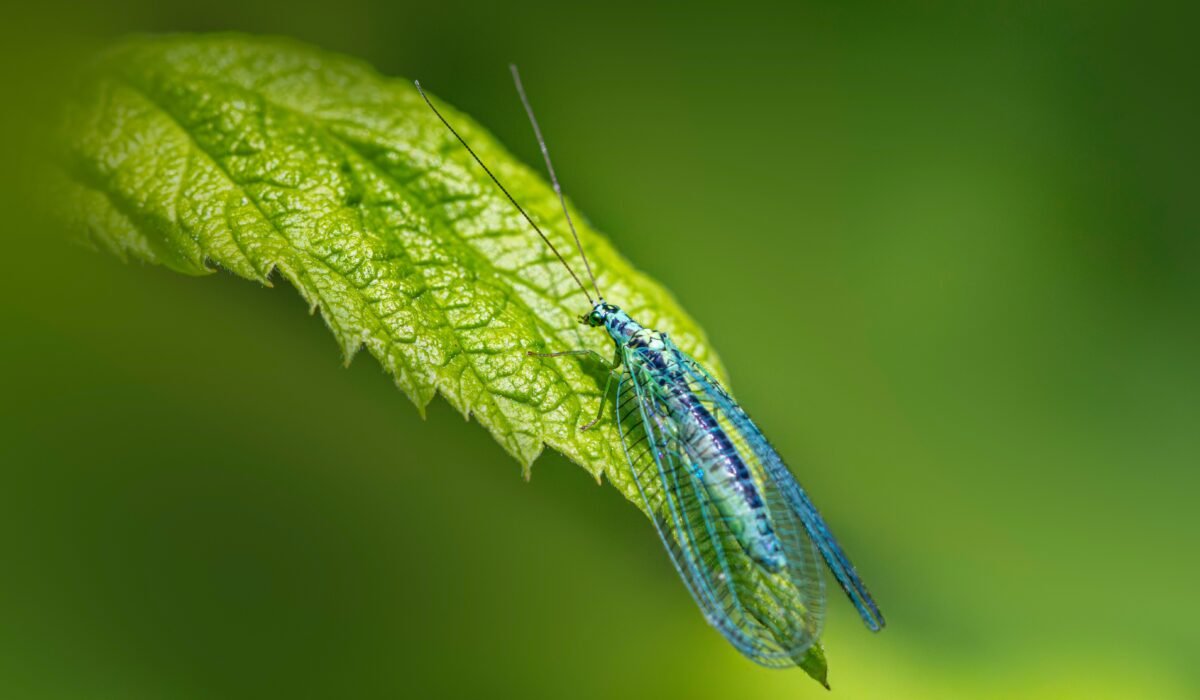
- Green Lacewings: The larvae of Green Lacewings are often called “aphid lions” due to their insatiable appetite for aphids, whiteflies, thrips, and spider mites. Adult lacewings feed on nectar and pollen. Sweet alyssum and dill are excellent choices to attract Green Lacewings.
- Hoverflies (Syrphid Flies): Adult hoverflies resemble small bees and are important pollinators, but their larvae are highly effective predators of aphids and other soft-bodied pests. Their larvae can consume hundreds of aphids before pupating. They are attracted to flat, open flowers like those of parsley, dill, and daisies.
- Parasitic Wasps: These tiny wasps (often less than 1/8 inch long) lay their eggs inside or on other insects, such as aphids, caterpillars, and whiteflies, effectively parasitizing and killing the host. Their small size means they need tiny flowers for nectar, such as sweet alyssum, cilantro, and carrots allowed to flower.
- Minute Pirate Bugs: These small, black-and-white true bugs are generalist predators, feeding on thrips, spider mites, aphids, and insect eggs. They are attracted to a variety of flowering plants and weeds.
- Predatory Mites: These tiny mites feed on pest mites like spider mites, as well as thrips and other small insects. The predatory mites segment was valued at USD 388.27 million in 2025 and is expected to reach USD 1,183.63 million by 2034, with a strong CAGR of 13.23%, according to market research. Monrovia Nurseries uses predatory mites for pest control on their crops (June 11, 2024).
By recognizing these allies and understanding their needs, you can strategically cultivate an environment that helps them thrive, making it easier to attract beneficial insects organically. Each species plays a vital role in maintaining the health and productivity of your garden.
Frequently Asked Questions
How do you attract beneficial insects to your garden naturally?
You attract beneficial insects to your garden naturally by providing a diverse habitat with continuous food sources (nectar and pollen), consistent water, and ample shelter. Avoiding all broad-spectrum pesticides is crucial, as even organic sprays can harm these helpful insects. This holistic approach creates a self-sustaining ecosystem.
What flowers attract beneficial insects?
Flowers that attract beneficial insects are typically those with small, accessible florets or clusters of tiny flowers, providing easy access to nectar and pollen. Examples include dill, fennel, cilantro, cosmos, sweet alyssum, and yarrow, which support a wide range of beneficial species. These plants serve as essential insectary plants.
What plants attract good bugs but not bad bugs?
No plant exclusively attracts “good bugs” while repelling “bad bugs” entirely, as many pests and beneficials share similar plant preferences. The key is to create a balanced ecosystem with diverse insectary plants that attract a higher proportion of beneficials, which then prey on any emerging pest populations. This strategy helps to naturally control pests.
What is the best ground cover for beneficial insects?
The best ground cover for beneficial insects provides both shelter and a nectar source, such as sweet alyssum, clover, or creeping thyme. These low-growing plants offer continuous blooms and a protective microclimate for various beneficial species, helping to conserve soil moisture and suppress weeds. Sweet alyssum, for instance, attracts tiny parasitic wasps.
Why aren’t my beneficial insects staying in my garden?
Beneficial insects may not be staying in your garden due to a lack of consistent food and water, insufficient shelter, or the presence of pesticide residues. Ensure a continuous bloom of insectary plants throughout the season, maintain shallow water sources, and provide dense foliage or insect houses for refuge and breeding. The global beneficial insects market is expected to reach USD 2,745.0 million by 2033, underscoring the importance of creating a welcoming environment.
To truly embrace sustainable gardening, your ultimate goal should be to consistently **attract beneficial insects organically**, transforming your outdoor space into a vibrant, self-regulating ecosystem. By focusing on providing diverse food sources, consistent water, and ample shelter, while strictly avoiding harmful chemicals, you empower nature to manage pests and enhance plant health. Start implementing these five proven strategies today, and watch your garden thrive with life and vitality.







