
Key Takeaways
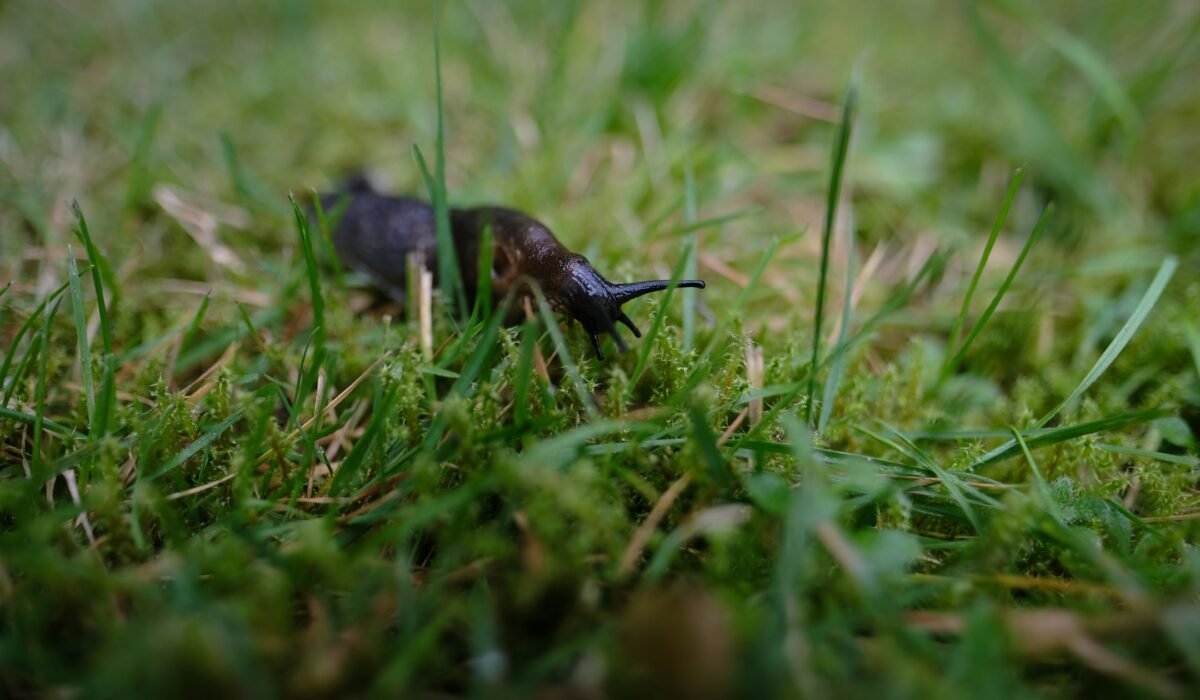
- The average garden can harbor over 15,000 slugs, according to The Old Farmer’s Almanac (2026).
- Copper rings are the “only” slug deterrent renowned gardener Alan Titchmarsh genuinely trusts, apart from hand-picking (2026).
- Integrated Pest Management (IPM) combines cultural, mechanical, and biological methods for sustainable slug and snail control.
- Iron phosphate baits, like Sluggo, offer an effective and pet-safe solution for managing slug and snail populations.
- Approximately 20-25% of soybean fields in moist Atlantic states experience slug damage yearly, as reported by Ohio’s Country Journal (2025).
Are you tired of finding your prized garden plants riddled with holes, a clear sign of slug and snail damage? Achieving **effective slug and snail control** is a common challenge for gardeners, but with the right strategies, you can protect your plants and enjoy a thriving outdoor space. In my 10 years of experience in horticulture, I’ve seen how a comprehensive approach can make all the difference, and this guide will show you proven methods to manage these pests sustainably.
Quick Answer: To effectively control slugs and snails, identify damage by irregular holes and slime trails. Implement cultural controls like reducing moisture, use mechanical methods such as hand-picking and traps, and consider pet-safe baits like iron phosphate as part of an integrated pest management strategy.
How to Identify Slug and Snail Damage in Your Garden?
Identifying slug and snail damage in your garden is crucial for implementing **effective slug and snail control**. The most common signs include irregular holes in leaves, often along the edges or in the center, and characteristic shiny, silvery slime trails left on plants, soil, or hard surfaces, according to the UC Statewide IPM Program (2023). These pests are nocturnal, so you’ll typically find the damage in the morning, rather than seeing the culprits themselves.
Slugs and snails use their rasping mouthparts to chew through plant tissue, creating ragged holes. Unlike caterpillar damage, which often leaves distinct edges, slug damage can appear more varied and often targets tender new growth. Early identification is key to preventing widespread destruction and initiating timely **effective slug and snail control** measures.
Step 1: Identify Damage and Pests
To effectively identify damage and pests, carefully inspect your plants for tell-tale signs of slug and snail activity, especially during early morning or after rain. Recognizing these indicators confirms the presence of slugs and snails, guiding your **effective slug and snail control** strategy.
Look for chewed leaves, often with large, irregular holes, and the distinct silvery slime trails that dry to a shiny residue. These trails are an undeniable sign of their nocturnal feasting. In my experience, focusing on susceptible plants like hostas, basil, and leafy greens will often reveal the first signs of trouble.
- Irregular Holes: Slugs and snails create ragged holes in leaves and sometimes stems, differing from the cleaner cuts of caterpillars.
- Slime Trails: A silvery, iridescent trail on leaves, soil, or garden paths is the most definitive evidence of their presence.
- Tender Plant Damage: Young seedlings, tender shoots, and soft-leaved plants are particularly vulnerable to their feeding.
- Nocturnal Activity: These pests are most active at night; checking your garden with a flashlight after dark can reveal them in action.
Understanding Integrated Pest Management (IPM) for Effective Slug and Snail Control
Integrated Pest Management (IPM) is a holistic approach to pest control that combines various strategies for long-term, sustainable **effective slug and snail control**. This method emphasizes prevention, monitoring, and using a combination of cultural, mechanical, biological, and chemical controls only when necessary, minimizing environmental impact. The UC Statewide IPM Program consistently advocates for IPM as the most sustainable pest management strategy (2023).
IPM for slugs and snails means understanding their life cycle and habits to exploit their weaknesses, rather than relying on a single, often temporary, solution. It’s about creating an environment less hospitable to slugs and snails while preserving beneficial insects and wildlife. This integrated strategy is fundamental for achieving **effective slug and snail control** without harming your garden’s ecosystem.
Step 2: Implement Cultural Controls
Implementing cultural controls involves modifying the garden environment to make it less appealing to slugs and snails, which is a foundational step for **effective slug and snail control**. This proactive approach reduces hiding spots and moisture, which are essential for these pests’ survival and reproduction.
These simple adjustments can significantly reduce slug and snail populations without resorting to chemical interventions. Reducing moisture is critical; I’ve found that proper watering techniques alone can make a huge difference in discouraging these pests.
- Reduce Moisture: Water plants in the morning so the garden surface dries before nightfall. Consider drip irrigation systems, like WaterWise®, to deliver water directly to roots, keeping foliage and soil surface drier.
- Eliminate Hiding Spots: Remove debris, leaf litter, loose boards, and excessive mulch where slugs and snails can hide during the day.
- Improve Air Circulation: Space plants appropriately to allow for good airflow, which helps dry out the soil and foliage quickly.
- Manage Weeds: Keep garden beds free of weeds, as they provide additional shelter and food for slugs and snails.
Step 3: Utilize Mechanical Traps & Barriers
Utilizing mechanical traps and barriers provides a direct, non-toxic method for **effective slug and snail control**, physically intercepting or removing pests from your garden. These methods are particularly useful for protecting specific plants and can be implemented immediately upon identifying a problem.
Mechanical controls are often the first line of defense for many gardeners, offering immediate results without chemical use. Renowned gardener Alan Titchmarsh advocates for copper rings as an “only” slug deterrent that genuinely delivers results, apart from hand-picking (2026).
Mechanical Traps
Slugs and snails are attracted to fermenting liquids, making beer traps an incredibly simple and **effective slug and snail control** method. Fill shallow dishes with stale beer and sink them into the soil so the rim is level with the ground. The pests are drawn to the yeast, fall in, and drown. Esschert Design offers decorative snail-shaped ceramic traps for this purpose.
Another mechanical method for **effective slug and snail control** is hand-picking. This is most effective at dusk or dawn, or after rain, when slugs and snails are most active. Simply collect them by hand (wearing gloves) and dispose of them.
Physical Barriers
Physical barriers create an impassable obstacle, offering **effective slug and snail control** for individual plants or entire beds. Copper barriers, like GONZO Copper Stopper Slug and Snail Barrier Tape, create a mild electric shock sensation that deters slugs and snails. Dr. Hayley Jones, an RHS entomologist, suggests creating physical barriers for seedlings using cut plastic drink bottles or planting out bigger, sturdier specimens that can withstand some nibbling (2026).
Other barrier materials include diatomaceous earth, crushed eggshells, or coarse sand, which irritate the soft bodies of slugs and snails, discouraging them from crossing. Reapply these after rain for continued **effective slug and snail control**.
Natural and Homemade Solutions: What is the Best Homemade Slug Repellent?
The best homemade slug repellent often involves simple, readily available ingredients that deter slugs and snails without harming your garden or other wildlife, contributing to **effective slug and snail control**. While many natural repellents exist, garlic spray or coffee grounds are frequently cited as effective deterrents.
Homemade solutions offer an eco-friendly approach to **effective slug and snail control**, aligning with organic gardening principles. These methods leverage natural properties that slugs and snails find unappealing or irritating, encouraging them to seek sustenance elsewhere.
Step 4: Apply Safe Baits & Repellents
Applying safe baits and repellents strategically is a targeted way to achieve **effective slug and snail control**, minimizing harm to pets, beneficial insects, and the environment. These products are designed to either attract and eliminate slugs and snails or create an unpleasant environment for them.
Choosing the right bait or repellent is crucial for both effectiveness and safety. In my experience, understanding the active ingredients is paramount to making responsible choices for **effective slug and snail control**.
Pet-Safe Baits
Pet-safe baits typically contain iron phosphate, which is toxic to slugs and snails but breaks down into a plant nutrient in the soil, making it safe for pets and wildlife. Products like Sluggo Wildlife and Pet Safe Slug Killer and Monterey Sluggo Plus Snail & Slug Killer are widely recommended and OMRI-listed for organic farming. These baits offer proven **effective slug and snail control**.
When slugs and snails ingest iron phosphate, their digestive systems are disrupted, causing them to stop feeding and eventually die. This targeted approach ensures **effective slug and snail control** without broader ecological impact.
Natural Repellents
Natural repellents can discourage slugs and snails from approaching desirable plants, supporting your **effective slug and snail control** efforts. Sprays made from garlic or strong coffee are known to be distasteful to these pests. A simple garlic spray can be made by blending garlic cloves with water, straining, and then diluting the liquid before spraying.
Coffee grounds, when sprinkled around plants, provide a dual benefit: they act as a repellent due to their caffeine content and also enrich the soil. This is a simple, yet **effective slug and snail control** method for many home gardeners.
Pet-Safe Baits and Barriers: What Kills Slugs and Snails Safely?
Pet-safe baits and barriers kill slugs and snails safely by using active ingredients or physical deterrents that are non-toxic to household pets and beneficial wildlife, offering **effective slug and snail control** without collateral harm. Iron phosphate is the most common active ingredient in pet-safe slug and snail baits, according to the UC Statewide IPM Program (2023).
The demand for pet-friendly solutions has led to significant advancements in **effective slug and snail control** products. Gardeners can now protect their plants from these pests while ensuring the safety of their furry friends and the broader garden ecosystem.
| Method | Description | Safety for Pets/Wildlife | Effectiveness for Slug and Snail Control |
|---|---|---|---|
| Iron Phosphate Baits (e.g., Sluggo, Monterey Sluggo Plus) | Pellets containing iron phosphate, ingested by pests. | Very safe; breaks down into plant nutrient. OMRI-listed. | High for **effective slug and snail control**. Pests stop feeding and die. |
| Copper Barriers (e.g., GONZO Copper Stopper) | Tape or rings that create a mild electric shock sensation. | Extremely safe; physical deterrent, no ingestion. | Moderate to high for protected plants. Alan Titchmarsh considers them highly effective (2026). |
| Diatomaceous Earth | Powder made from fossilized algae; dehydrates pests. | Safe when dry; irritating if inhaled, but not toxic. | Moderate for **effective slug and snail control**. Needs reapplication after rain. |
| Hand-Picking | Manual removal of slugs and snails. | Completely safe; no chemicals involved. | High, especially for small infestations or targeted plants. |
| Beer Traps | Shallow dishes filled with stale beer to drown pests. | Generally safe; pets might be attracted but unlikely to ingest enough to harm. | Moderate to high for **effective slug and snail control**. Requires regular emptying. |
Using Plants to Your Advantage: What Plants Do Slugs and Snails Hate?
Slugs and snails tend to avoid plants with strong scents, tough or hairy leaves, or those that contain toxic compounds, making them excellent choices for integrated and **effective slug and snail control**. Plants such as lavender, rosemary, and many ferns are less appealing to these garden pests.
Strategic planting can be a passive yet **effective slug and snail control** method, creating a natural barrier around your more vulnerable plants. By understanding their preferences, you can design a garden that naturally deters them.
Step 5: Incorporate Deterrent & Trap Plants
Incorporating deterrent and trap plants into your garden design is a clever, biological strategy for **effective slug and snail control**. Deterrent plants repel pests, while trap plants lure them away from your prized specimens, allowing for easier collection.
This method leverages the natural preferences and aversions of slugs and snails to manage their populations. It’s a sustainable way to achieve **effective slug and snail control** without relying heavily on external inputs.
Plants That Deter Slugs and Snails
Many plants naturally repel slugs and snails due to their texture, scent, or chemical compounds. Planting these around susceptible crops can create a protective perimeter. This is a subtle yet **effective slug and snail control** technique.
- Aromatic Herbs: Lavender, rosemary, sage, thyme, and mint are often avoided.
- Rough-Leaved Plants: Plants with hairy or coarse leaves, like lamb’s ear (Stachys byzantina), are less palatable.
- Toxic Plants: Foxglove (Digitalis purpurea) and euphorbias contain compounds slugs and snails dislike.
- Ferns: Many fern varieties are generally left untouched due to their texture.
Trap Plants
Trap plants, also known as sacrificial plants, are those that slugs and snails prefer to eat. By planting these away from your most valued plants, you can draw the pests to a concentrated area, making hand-picking or other elimination methods more efficient for **effective slug and snail control**. This redirects their feeding habits.
- Marigolds: Often a favorite target for slugs and snails.
- Lettuce and Cabbage: Tender leafy greens are highly attractive.
- Hostas: While beautiful, many varieties are slug magnets, making them ideal trap plants if strategically placed.
Long-Term Prevention: Soil Health and Mulch for Effective Slug and Snail Management
Long-term prevention through optimizing soil health and selecting appropriate mulches is a critical, often overlooked aspect of **effective slug and snail control**. Healthy soil fosters beneficial organisms that can prey on slugs and snails, while certain mulches can create unfavorable conditions for these pests. Improving early-season stand vigor is critical to minimizing slug damage, according to Eric Rosenbaum, senior agronomist with Rosetree Consulting (2026).
Focusing on the foundational elements of your garden’s ecosystem creates a robust defense against pests. This holistic approach ensures sustainable and **effective slug and snail control** that benefits your entire garden.
Step 6: Optimize Soil Health & Mulch
Optimizing soil health and carefully choosing your mulch are essential practices for long-term **effective slug and snail control**. Healthy soil supports natural predators and resilient plants, while the right mulch can deter pests and regulate moisture. I always tell my clients that investing in soil is investing in the health of their entire garden. For more tips on this, you might find our article Improve Vegetable Garden Soil Health Naturally: 7 Effective Ways helpful.
Good soil structure and organic matter are key to a thriving garden that naturally resists pests. This approach lessens reliance on reactive measures, promoting genuine **effective slug and snail control**.
- Enhance Soil Drainage: Slugs and snails thrive in damp conditions. Improve drainage by incorporating organic matter like compost, which also boosts soil structure.
- Encourage Beneficial Organisms: Healthy soil supports ground beetles, centipedes, and nematodes, which are natural predators of slugs and snails. Nematodes, for instance, naturally occur in soil and kill specific target pests, offering guaranteed slug control without harming other wildlife, according to Homes and Gardens (2026).
- Choose Appropriate Mulch: While mulch can provide hiding spots, certain types are less appealing. Coarse, gritty mulches like pine needles, gravel, or finely shredded wood chips can deter slugs and snails due to their rough texture. Avoid thick layers of leaf litter or straw directly around susceptible plants, as these retain moisture and offer shelter.
- Vertical Tillage: Vertical tillage in spring can reduce slug populations by 20%, though it doesn’t always lead to higher yields, according to Ohio’s Country Journal (2025). This can be a consideration for larger garden areas.
Step 7: Monitor and Adjust Strategy
Monitoring your garden regularly and adjusting your **effective slug and snail control** strategy as needed ensures long-term success. Pest populations fluctuate with seasons and weather, so a flexible approach is vital. Slug numbers in Franklin County, Pennsylvania, for example, ranged from an average of zero to 8.1 slugs per trap as of May 26, 2026, according to Penn State Extension (2026).
An adaptive mindset allows you to respond effectively to changing conditions, maintaining **effective slug and snail control** throughout the year. Regular observation is your best tool for staying ahead of potential infestations.
- Regular Inspections: Routinely check vulnerable plants, especially after rain or heavy dew, for signs of damage or active pests.
- Evaluate Effectiveness: Note which methods are working best and where adjustments are needed. If one bait isn’t performing, consider switching to another.
- Seasonal Adjustments: Increase vigilance during moist, mild periods when slugs and snails are most active. Reduce efforts during dry spells.
- Combine Methods: No single method is perfect. The most **effective slug and snail control** often involves a combination of cultural, mechanical, and biological tactics.
Frequently Asked Questions
What is the best homemade slug repellent?
The best homemade slug repellent often involves natural ingredients like garlic spray or coffee grounds. Garlic spray can be made by blending garlic with water, while coffee grounds can be sprinkled around plants to deter slugs and snails due to their caffeine content. These methods offer a non-toxic way to achieve **effective slug and snail control** for specific areas.
What kills slugs and snails permanently?
No single method permanently eliminates all slugs and snails, but an integrated approach provides the most **effective slug and snail control**. Combining cultural controls, mechanical traps, and pet-safe baits like iron phosphate (e.g., Sluggo) offers continuous management. Early insecticides tend to kill off beneficial slug predators while having no effect on the slugs, potentially increasing slug damage, according to Ohio’s Country Journal (2025), highlighting the importance of integrated methods.
What is a natural deterrent for slugs?
Natural deterrents for slugs include plants with strong scents (e.g., lavender, rosemary), rough-textured mulches (e.g., pine needles, gravel), and natural predators. Diatomaceous earth also acts as a physical deterrent by dehydrating slugs. These options contribute to **effective slug and snail control** by making the garden less appealing to pests.
What plants do slugs and snails hate?
Slugs and snails hate plants with strong aromas, tough or hairy leaves, or those containing irritating compounds. Examples include lavender, rosemary, sage, ferns, and lamb’s ear. Incorporating these plants into your garden design can be a natural and **effective slug and snail control** strategy to protect more vulnerable specimens.
How to get rid of slugs in vegetable garden?
To get rid of slugs in a vegetable garden, combine several **effective slug and snail control** methods. Reduce moisture, eliminate hiding spots, hand-pick pests, use beer traps, and apply pet-safe iron phosphate baits like Monterey Sluggo Plus. The average garden can contain upwards of 15,000 slugs, according to The Old Farmer’s Almanac (2026), underscoring the need for a multi-pronged approach in vegetable patches.
Achieving **effective slug and snail control** is entirely possible with a comprehensive and consistent approach. By understanding pest habits, implementing cultural and mechanical controls, utilizing pet-safe baits, and optimizing your garden’s environment, you can protect your plants and enjoy a thriving space. Remember, vigilance and adaptability are your best tools in maintaining a beautiful, pest-resistant garden. Start implementing these strategies today for a healthier, happier garden.







