
Key Takeaways
- Over 80% of growers experience losses due to mite activity, according to Nursery Management magazine (2025).
- The two-spotted spider mite is the most problematic species, reported by 77% of growers in a 2025 survey.
- Orchards with spider mites last year have a 95% chance of recurrence, according to Todd Burkdoll of Valent (2025).
- *Phytoseiulus persimilis* is a highly effective predatory mite for biological control, pioneered by Koppert Biological Systems (1967).
- Broad-spectrum pesticides can trigger spider mite outbreaks by eliminating their natural enemies, as noted by UC IPM (2025).
Are you struggling to keep your beloved plants healthy and vibrant against tiny, destructive invaders? Learning how to prevent and treat spider mite infestations is crucial for any gardener, whether you’re tending to houseplants or a sprawling outdoor garden. In my 10 years of experience, I’ve seen firsthand how these persistent pests can quickly decimate crops and ornamentals, but with the right strategies, you can protect your green spaces. This comprehensive guide will equip you with effective, integrated pest management techniques to identify, prevent, and treat spider mite infestations, ensuring your plants thrive.
Quick Answer: Prevent and treat spider mite infestations with an integrated approach: maintain plant health, inspect regularly, use cultural controls (watering, humidity), biological controls (predatory mites), and targeted organic sprays like neem oil or insecticidal soaps. Early action is key to protecting your plants.
How to Identify Spider Mite Infestations Early
Identifying spider mite infestations early is crucial for effective management and minimizing damage to your plants. These tiny pests are often overlooked until their populations explode, causing visible harm. Spider mites can lead to 6–10% crop loss, but during severe infestations, losses can climb to 14% or higher, according to a 2025 publication.
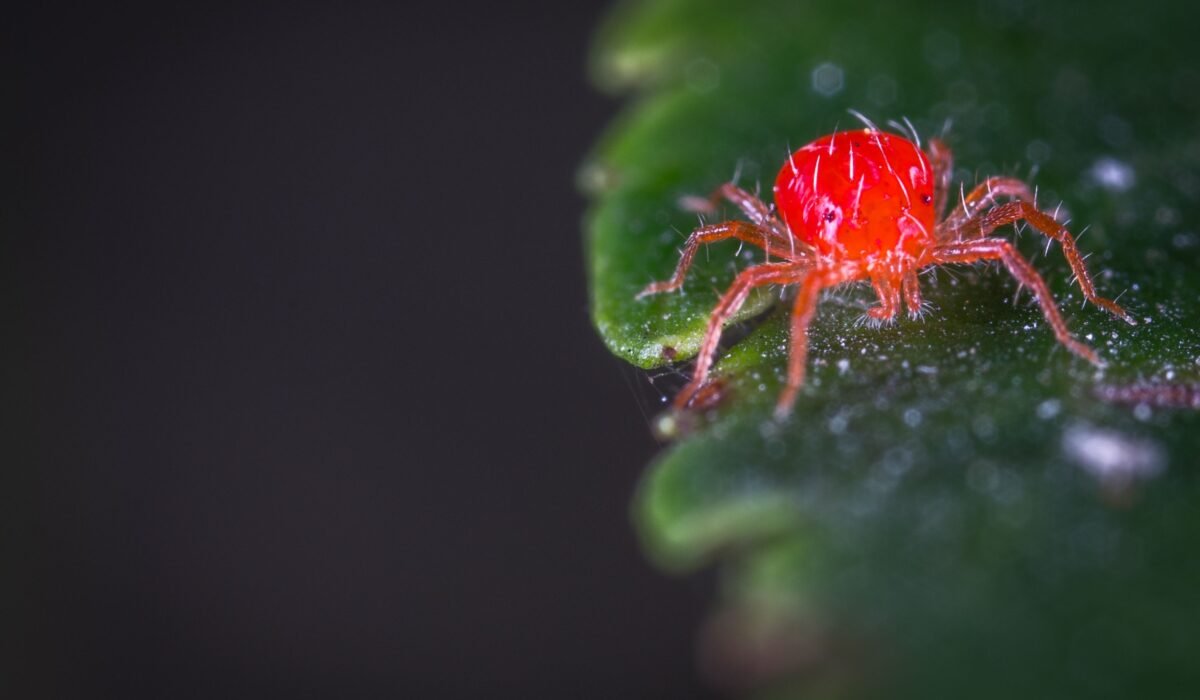
Spider mites are not insects but arachnids, typically less than 1/50th of an inch long, making them difficult to see with the naked eye. They are commonly found on the undersides of leaves, where they feed by piercing plant cells and sucking out the chlorophyll. This feeding causes characteristic stippling on leaves, which appears as tiny yellow or white dots.
Early signs of spider mite damage include a fine, speckled discoloration on leaves, particularly on **natural spider mite killer for houseplants** you might be nurturing. As the infestation progresses, leaves may turn yellow, bronze, or brown, and eventually drop off.
One of the most tell-tale signs of a significant spider mite problem is the presence of fine webbing. These delicate webs, often found between leaves and stems, are used by mites for protection and to travel between plants. This webbing is a clear indicator that you need to act quickly to prevent and treat spider mite infestations.
* Visual Inspection: Regularly check the undersides of leaves, especially new growth, for tiny moving dots. A magnifying glass can be very helpful.
* Paper Test: Hold a white piece of paper under a leaf and tap the leaf. If tiny specks fall onto the paper and begin to crawl, you likely have spider mites.
* Leaf Discoloration: Look for stippling or bronzing on leaves. This damage is often the first visible symptom of spider mite feeding.
* Webbing: The presence of fine silk webbing on plants is a strong indicator of an advanced spider mite infestation.
The two-spotted spider mite is the most prolific problematic mite, reported by 77% of respondents in the 2025 Nursery Management survey, compared to the broad mite at 33%. Understanding what do spider mites look like and their early damage is your first line of defense to prevent and treat spider mite infestations.
Prevent Spider Mite Infestations with Proactive Care
Proactive care is the most effective strategy to prevent spider mite infestations before they ever become a problem. Building strong, resilient plants and maintaining a vigilant monitoring routine significantly reduces the likelihood of these pests taking hold. As an expert gardener, I’ve learned that prevention is always easier and less stressful than treatment.
A key principle in preventing spider mite infestations is to keep your plants healthy and stress-free. Weakened plants are more susceptible to pest attacks, including spider mites. Ensure proper watering, adequate light, and balanced nutrition to boost plant immunity.
Regular inspection is paramount; make it a habit to check your plants weekly, paying close attention to the undersides of leaves. Early detection allows for localized, less intensive interventions, making it easier to prevent and treat spider mite infestations effectively.
Here are essential proactive steps to implement in your gardening routine:
* Quarantine New Plants: Always isolate new plants for at least two weeks before introducing them to your existing collection. This prevents hitchhiking pests from spreading.
* Maintain Optimal Humidity: Spider mites thrive in dry conditions. For indoor plants, use a humidifier or mist regularly to increase humidity around susceptible plants.
* Regular Cleaning: Wipe down leaves of indoor plants with a damp cloth to remove dust and dislodge any nascent mite populations. This also helps with photosynthesis.
* Proper Watering: Avoid both overwatering and underwatering, as both can stress plants. Consistently moist, but not soggy, soil is ideal for most plants.
* Nutrient Balance: Provide a balanced fertilizer. Over-fertilizing, especially with nitrogen, can lead to lush, soft growth that spider mites find particularly appealing.
Todd Burkdoll, field market development specialist for Valent, noted in 2025 that there’s a 95% chance that orchards that had spider mites last year will have them again this year. This statistic underscores the importance of consistent vigilance and proactive measures to prevent and treat spider mite infestations year after year.
Cultural Controls: Building a Mite-Resistant Garden Ecosystem
Cultural controls involve modifying the plant’s environment to make it less hospitable for spider mites and more favorable for beneficial organisms. This approach is fundamental to integrated pest management (IPM) and is often the first line of defense when you want to prevent and treat spider mite infestations. It focuses on creating a balanced garden ecosystem.
Proper watering techniques are critical; a strong spray of water can physically dislodge spider mites from plants, especially on how to get rid of spider mites on outdoor plants. This simple act can significantly reduce mite populations, particularly during the early stages of an infestation.
Maintaining good air circulation around plants is another vital cultural practice. Crowded plants create stagnant, dry air pockets where spider mites flourish. Pruning excess foliage improves airflow and reduces ideal breeding grounds for these pests.
Consider these cultural practices to build a mite-resistant garden:
* High-Pressure Water Sprays: Regularly spray plants, especially the undersides of leaves, with a strong stream of water. This physically knocks off mites and disrupts their webs.
* Pruning and Trimming: Remove heavily infested leaves or branches to reduce mite populations and improve air circulation. Dispose of infested material carefully.
* Increase Humidity: Spider mites prefer hot, dry conditions. For indoor plants, group plants together, use pebble trays, or humidifiers to raise local humidity. For outdoor plants, consider misting during dry spells.
* Weed Control: Many weeds can host spider mites, acting as a reservoir for infestations. Keeping your garden free of weeds reduces potential breeding sites.
* Mulching: Apply organic mulch around plants. Mulch helps retain soil moisture, creating a slightly cooler and more humid microclimate at the plant base, which can deter mites.
This holistic approach not only helps to prevent and treat spider mite infestations but also contributes to the overall health and resilience of your garden. UC IPM highlights that application of broad-spectrum pesticides can actually cause spider mite outbreaks by killing off mites’ natural enemies (2025). This emphasizes the importance of cultural controls to preserve beneficial insects.
Biological Controls: Harnessing Natural Predators for Spider Mites
Biological controls involve using natural enemies to manage spider mite populations, offering an environmentally friendly and sustainable method to prevent and treat spider mite infestations. This strategy leverages the natural predator-prey relationship to keep pest numbers in check without relying on chemical interventions. It’s a cornerstone of any effective IPM program.
The predatory mite *Phytoseiulus persimilis* is a prime example of an effective biological control agent. Koppert Biological Systems pioneered the commercial production of *Phytoseiulus persimilis* in 1967 for biological control of spider mites in cucumber crops. These specialist predators actively hunt and consume spider mites, including their eggs and nymphs, offering excellent control.
Introducing beneficial insects can be highly effective, especially for larger infestations or in outdoor settings where a balanced ecosystem is desired. Products like **spider mite predatory mites for sale** from suppliers like Arbico Organics make this approach accessible to home gardeners.
Key biological control agents and how to use them:
* Phytoseiulus persimilis: These fast-moving, reddish predatory mites are highly effective against two-spotted spider mites. They are best introduced when mite populations are detectable but not yet severe, performing optimally in warm (above 68°F / 20°C) and humid conditions.
* Amblyseius californicus: Another predatory mite that tolerates a wider range of temperatures and lower humidity than *P. persimilis*. It can survive on alternative food sources, making it suitable for preventative releases.
* Ladybugs (Lady Beetles): While not primary spider mite predators, ladybug adults and larvae will consume spider mites if other food sources are scarce.
* Lacewings: The larvae of green lacewings are voracious predators that feed on various soft-bodied pests, including spider mites.
To successfully harness biological controls, it is crucial to avoid broad-spectrum pesticides that can harm these beneficial insects. Anna Howell, Field Development Rep for Gowan USA, emphasized in 2025 the need for an integrated approach, monitoring, and using miticides compatible with beneficial arthropods to prevent mites from developing resistance. This strategic integration is vital to prevent and treat spider mite infestations long-term.
Organic & Least-Toxic Treatments for Spider Mites
When cultural and biological controls need a boost, organic and least-toxic treatments provide targeted solutions to prevent and treat spider mite infestations without harming the environment or beneficial insects. These options are generally safer for pets, children, and the gardener, making them ideal for home use. They act quickly to reduce existing mite populations.
Neem oil is a highly effective organic pesticide derived from the neem tree, known for its insecticidal and repellent properties. It works by disrupting the spider mite’s feeding, growth, and reproduction cycles, offering a multi-faceted approach to control. A study screening organic miticides for greenhouse vegetable production found that AzaDirect, containing azadirachtin (a key component of neem oil), performed well on peppers and tomatoes (2025).
Insecticidal soaps are another excellent choice for a **homemade spray for spider mites**. They work by smothering the mites and disrupting their cell membranes, leading to dehydration. These soaps are contact killers, so thorough coverage is essential, especially on the undersides of leaves where mites reside.
Here are some effective organic and least-toxic treatment options:
* Neem Oil: Mix 1-2 tablespoons of 100% cold-pressed neem oil with a teaspoon of mild liquid soap per gallon of water. Spray thoroughly, ensuring coverage of all plant surfaces, particularly the undersides of leaves. Apply every 5-7 days until the infestation is under control.
* Insecticidal Soap: Follow product instructions, or create a DIY version by mixing 1-2 tablespoons of mild liquid dish soap (avoid detergents with degreasers) per gallon of water. Spray plants thoroughly, repeating every few days as needed.
* Horticultural Oils: These oils, like JMS Stylet Oil and Pure Spray Green, work similarly to insecticidal soaps by smothering mites. They are effective but should be used cautiously on heat-stressed plants or during hot weather to avoid phytotoxicity. Studies show these oils effectively suppress spider mite populations within 12 days (2025).
* Rubbing Alcohol: For small infestations on sturdy plants, dab mites with a cotton swab dipped in a solution of 70% isopropyl alcohol diluted 1:1 with water. Test on a small area first.
Remember that consistency is key with organic treatments. Repeated applications are often necessary to break the spider mite life cycle and fully prevent and treat spider mite infestations.
| Treatment Type | Mechanism of Action | Application Frequency | Best For |
|---|---|---|---|
| Neem Oil | Antifeedant, growth disruptor, repellent | Every 5-7 days | Preventative & active infestations |
| Insecticidal Soap | Smothers mites on contact | Every 3-5 days | Active infestations (contact killer) |
| Horticultural Oil | Smothers mites on contact | Every 7-14 days | Active infestations (contact killer) |
| Rubbing Alcohol | Dries out mites on contact | Spot treatment as needed | Small, localized outbreaks |
When to Use Chemical Controls: Effective & Responsible Miticide Use
Chemical controls, specifically miticides, should be considered a last resort in an integrated pest management strategy, used only when other methods fail to prevent and treat spider mite infestations. When choosing to use chemical controls, responsible application is paramount to minimize harm to beneficial insects, the environment, and human health. Over 80% of growers have experienced losses due to mite activity, with 30% reporting those losses as moderate to significant, according to Nursery Management magazine’s 2025 Miticide Market Report survey.
The primary concern with chemical miticides is the potential for spider mites to develop resistance, as they reproduce quickly. “Mites, especially the Two-spotted spider mite, are known for developing resistance to many active ingredients on the market,” stated Anna Howell of Gowan USA in 2025. This underscores the need for careful product selection and rotation.
When you decide to use chemical miticides, always select products specifically labeled for spider mites and follow the instructions precisely. Consider products that are less harmful to beneficial insects to preserve your garden’s natural defenses.
Guidelines for responsible miticide use:
* Identify the Mite: Ensure you are dealing with spider mites, not other pests, to select the correct product.
* Spot Treat: Apply miticides only to infested plants or areas, rather than broadcasting widely.
* Rotate Active Ingredients: To prevent resistance, alternate between miticides with different modes of action. Envu has developed products like Floramite® SC and Shuttle® SC, emphasizing rotation for resistance management.
* Consider Life Cycle: Some miticides target specific life stages (eggs, nymphs, adults). Applying multiple products or repeating applications can help break the spider mite infestation stages. Valent USA offers Zeal, an insect growth regulator (IGR) that acts as a mite growth regulator and sterilizes female spider mites, making laid eggs sterile and killing nymphs.
* Read Labels Carefully: Pay close attention to safety precautions, application rates, and pre-harvest intervals. “The best advice I have about getting the most out of a miticide program is to stay on top of your treatments,” advised Bridget Hatfield, Technical Services Manager at Kemin Crop Technologies (2025).
“At BASF, we recommend following the principles of IPM, which emphasizes a multi-faceted approach rather than relying on a single method,” stated Tiwari of BASF in May 2025. This expert advice reinforces that chemical controls are one tool in a larger toolkit designed to prevent and treat spider mite infestations.
Common Mistakes to Avoid When Treating Spider Mites
Avoiding common pitfalls is just as important as knowing what to do when you’re trying to prevent and treat spider mite infestations. Many gardeners, in their eagerness to eliminate pests, inadvertently make mistakes that can worsen the problem or harm their plants. From my experience, understanding these errors can save you a lot of frustration and effort.
One of the biggest mistakes is not treating thoroughly or consistently enough. Spider mites have a rapid life cycle, meaning eggs can hatch and new generations can emerge quickly. A single treatment is rarely sufficient to eliminate an infestation entirely.
Another common error is relying solely on chemical solutions without addressing underlying cultural issues. If the environment remains ideal for mites, they will simply return, making it challenging to truly prevent and treat spider mite infestations long-term.
Here are crucial mistakes to avoid:
* Ignoring the Undersides of Leaves: Spider mites primarily live and feed on the undersides of leaves. If you only spray the top, you’ll miss the majority of the population.
* Not Repeating Treatments: Due to their short life cycle (often 5-7 days from egg to adult), you must repeat treatments every few days for at least 2-3 weeks to target newly hatched mites and break the life cycle of a spider mite.
* Using Broad-Spectrum Pesticides: These chemicals kill beneficial insects (like predatory mites and ladybugs) along with the spider mites, often leading to a worse infestation once the beneficials are gone. UC IPM research from 2025 explicitly states that broad-spectrum pesticides can cause mite outbreaks.
* Treating Stressed Plants Improperly: Applying horticultural oils or strong chemicals to plants already stressed by drought, heat, or disease can cause further damage, including leaf burn.
* Failing to Quarantine New Plants: Bringing new plants directly into your garden without a quarantine period is a surefire way to introduce new pests, making it harder to prevent and treat spider mite infestations across all your plants.
* Lack of Monitoring: Assuming the problem is gone after a few treatments without continued monitoring can lead to a resurgence of the infestation. Regular checks are essential for long-term success.
By being mindful of these common mistakes, you can significantly improve your chances of successfully managing and preventing spider mite infestations, leading to healthier plants and a more enjoyable gardening experience.
Will Spider Mites Go Away on Their Own?
No, spider mites will generally not go away on their own; in fact, they are highly unlikely to disappear without intervention and will almost certainly worsen. These pests are prolific breeders, and their populations can explode rapidly under favorable conditions, quickly overwhelming plants. Nearly 10% of respondents in the 2025 Miticide Market Report survey reported significant crop losses due to mite infestation, highlighting their destructive potential.
Ignoring a spider mite problem is a recipe for disaster. The longer an infestation is left untreated, the more damage your plants will sustain, and the harder it will become to eradicate them. Early action is always the best approach to prevent and treat spider mite infestations effectively.
Spider mites thrive in warm, dry environments and can quickly spread from one plant to another, especially in indoor settings. Without natural predators or environmental changes to disrupt their life cycle, their numbers will continue to grow exponentially.
If left unchecked, spider mites will continue to feed on plant sap, causing leaves to become stippled, yellow, and eventually drop off. Severe infestations can stunt plant growth, reduce fruit and flower production, and ultimately lead to the death of the plant. This is particularly true for vulnerable plants like tomatoes or roses, where **spider mite damage** can quickly become irreversible. Therefore, active management is essential to prevent and treat spider mite infestations.
Frequently Asked Questions
How do you get rid of spider mites permanently?
You can get rid of spider mites permanently by adopting a consistent, integrated pest management (IPM) strategy that combines cultural, biological, and targeted organic controls. There is a 95% chance that orchards that had spider mites last year will have them again this year, according to Todd Burkdoll of Valent (2025), emphasizing the need for ongoing vigilance. Focus on prevention, such as maintaining plant health and introducing natural predators, rather than just reactive treatments.
What is the fastest way to get rid of spider mites?
The fastest way to get rid of spider mites is by using a combination of high-pressure water sprays and targeted organic contact sprays like insecticidal soap or horticultural oil. These methods provide immediate knockdown, physically dislodging mites and suffocating them on contact. Remember to repeat applications every few days for at least two weeks to break the mites’ rapid life cycle.
What kills spider mites naturally?
Natural solutions like neem oil, insecticidal soaps, and horticultural oils effectively kill spider mites by disrupting their life cycle or smothering them. Introducing beneficial insects, such as predatory mites like *Phytoseiulus persimilis*, also naturally controls populations. Studies show that organic miticides like JMS Stylet Oil effectively suppressed spider mite populations within 12 days (2025).
Will spider mites eventually go away?
No, spider mites will not go away on their own; they are likely to multiply rapidly and cause increasing damage without intervention. These pests thrive in dry conditions and reproduce quickly, meaning an untreated infestation will only worsen over time. Active management is always required to prevent and treat spider mite infestations.
What do spider mites look like?
Spider mites are tiny arachnids, typically less than 1/50th of an inch long, appearing as small moving dots on the undersides of leaves. They often create fine, delicate webbing between leaves and stems, especially when populations are high. The two-spotted spider mite, a common problematic species, was reported by 77% of growers in a 2025 survey.







