Key Takeaways
- The global organic pest control solutions market is projected to reach $7.8 billion by 2032, according to market estimates (2025).
- 96% of organic farmers believe the soil microbiome is vital for reducing pest pressure and supporting plant health, as found by a Cambridge survey (2026).
- Bacillus thuringiensis (Bt) showed high effectiveness against cabbageworms for 95% of gardeners surveyed in 2026.
- Consistent garden monitoring is crucial for effective pest management decisions, according to ResearchGate (2021).
- Integrated Organic Pest Management (IOPM) combines various natural strategies for long-term garden health and pest resilience.
Are you tired of battling garden pests with harsh chemicals, only to compromise your plants’ health and the environment? Adopting effective organic garden pest control methods is the solution to cultivating a thriving, chemical-free garden. As a gardener with over a decade of experience, I’ve seen firsthand how these natural approaches lead to resilient plants and abundant harvests, and I’m here to guide you through proven strategies.
Quick Answer: Organic pest control methods manage garden pests using natural techniques and materials like beneficial insects, companion planting, and botanical sprays. This approach prioritizes ecosystem health and reduces reliance on synthetic chemicals, fostering resilient gardens and healthier crops.
What is Organic Pest Control in Gardening?
Organic pest control in gardening is a holistic approach that manages garden pests using natural, non-synthetic methods and materials, prioritizing the health of the entire ecosystem. This philosophy focuses on prevention and uses biologically friendly interventions to maintain balance without harming beneficial insects, soil microbes, or the broader environment.
The global organic pest control solutions market is estimated to be valued at $3.5 billion in 2025 and is expected to reach $7.8 billion by 2032, according to market projections (2025), reflecting a growing commitment to these sustainable practices. In my experience, it’s about working with nature, not against it.
This approach encompasses a wide range of techniques, from encouraging natural predators to using plant-based sprays, all designed to minimize ecological disruption. The goal of organic garden pest control methods is to create a resilient garden that can largely manage its own pest populations.
Effective organic garden pest control methods emphasize understanding the life cycles of pests and beneficial organisms. This knowledge allows gardeners to intervene at the most vulnerable stages of a pest’s life, often before significant damage occurs.
Why Choose Organic Pest Control Methods?
Choosing organic garden pest control methods protects your family, pets, and the environment by avoiding harmful synthetic chemicals. These methods reduce exposure to toxins and promote a healthier, more balanced garden ecosystem that thrives long-term.
Many common pesticides can affect human health, with research from the Harvard School of Public Health (2025) indicating some chemicals can impact the nervous system, leading to issues like memory problems and coordination difficulties. This is a primary reason why I advocate for natural pest control for vegetable garden spaces.
Beyond human health, organic garden pest control methods support biodiversity. They preserve beneficial insects like ladybugs and lacewings, which are natural predators of common garden pests, thereby fostering a self-regulating system.
Adopting eco-friendly pest management practices also contributes to soil health. A Cambridge survey (2026) found that 96% of organic farmers believe the soil microbiome plays a vital role in reducing pest pressure and supporting plant health, highlighting the interconnectedness of soil and plant vitality.
7 Effective Organic Garden Pest Control Methods
Implementing a variety of organic garden pest control methods is key to maintaining a healthy and productive garden without resorting to synthetic chemicals. These strategies focus on prevention, natural deterrence, and targeted interventions.
Step 1: Understand Your Garden Ecosystem
To effectively manage pests organically, you must first understand the unique environment of your garden, including its soil, plants, and local wildlife. This foundational knowledge helps you identify potential issues and tailor your organic garden pest control methods accordingly.
The National Gardening Association (2020) highlights that selecting the right variety of plant for your climate and site is the best way to prevent insect and disease attacks. A healthy plant is inherently more resistant to pests.
- Soil Health: Rich, living soil supports strong plants that are more resilient to pest attacks. Incorporate compost and organic matter regularly.
- Plant Selection: Choose native plants or varieties known to thrive in your specific climate, as stressed plants are more susceptible to pests.
- Biodiversity: Encourage a diverse range of plants to attract a wider array of beneficial insects.
Step 2: Prevent Pests Before They Start
Proactive prevention is the cornerstone of successful organic garden pest control methods, minimizing the chances of infestations before they even begin. By creating an unfavorable environment for pests, you reduce the need for reactive measures.
Crop rotation showed a 90% success rate in controlling various root maggots among survey respondents in a 2026 nationwide reader survey. This simple practice significantly disrupts pest life cycles.
- Companion Planting: Strategically plant certain species together to deter pests or attract beneficial insects. Marigolds, for example, can repel nematodes, while dill and fennel attract hoverflies. For more specific combinations, consider our guide on Best Companion Planting Vegetables.
- Sanitation: Regularly remove diseased leaves, fallen fruit, and weeds that can harbor pests and diseases.
- Proper Watering and Feeding: Over- or under-watering can stress plants, making them more vulnerable. Provide balanced organic nutrients to promote vigor.
Step 3: Monitor for Early Pest Activity
Consistent monitoring is crucial for detecting pest problems at their earliest stages, allowing for swift, targeted organic garden pest control methods before infestations become severe. Early detection makes managing pests much easier and more effective.
ResearchGate (2021) emphasizes that consistent monitoring is crucial for all pest management decisions and for informing future adjustments to ensure effective outcomes. Spend time in your garden daily.
- Regular Inspections: Check the undersides of leaves, stems, and new growth for eggs, nymphs, or adult pests.
- Yellow Sticky Traps: Use these to identify flying pests like whiteflies, thrips, and fungus gnats, providing an early warning system.
- Record Keeping: Note down when and where you see pests, which helps identify patterns and inform future organic garden pest control methods.
Step 4: Identify Pests & Beneficials Accurately
Accurate identification of both pests and beneficial insects is vital for implementing effective organic garden pest control methods, ensuring you target harmful organisms without harming your garden allies. Misidentification can lead to ineffective treatments or the accidental elimination of helpful insects.
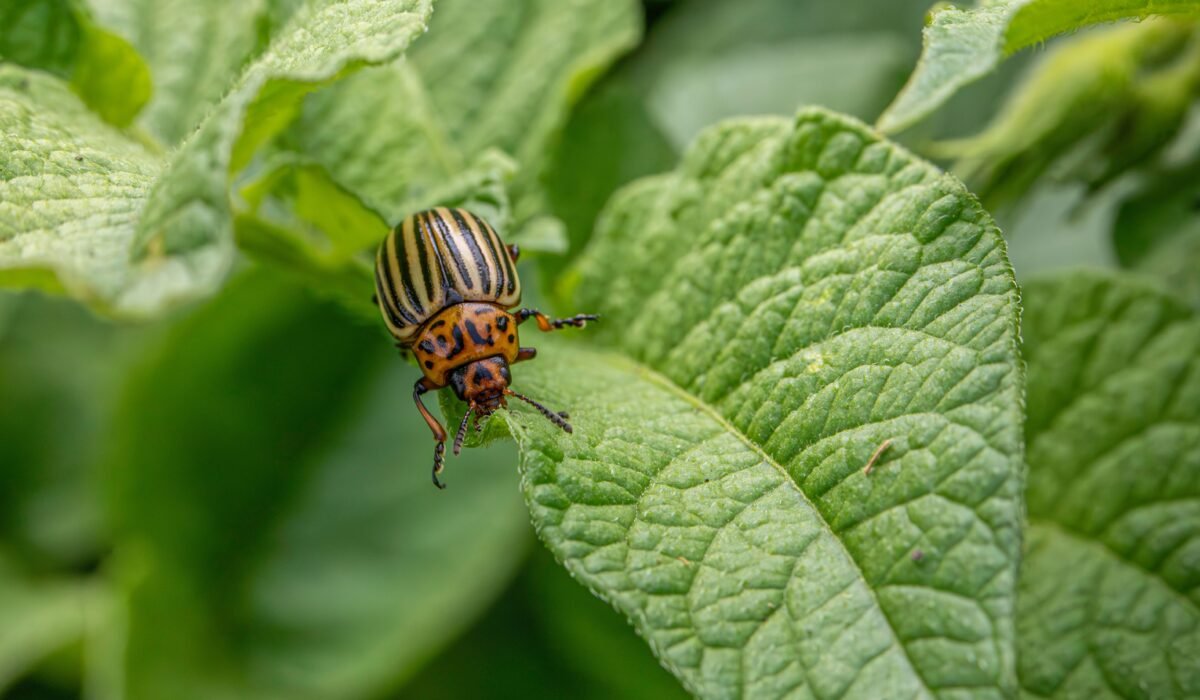
Many beneficial insects, such as ladybug larvae, can be mistaken for pests if you’re not familiar with their appearance. Learning to distinguish them is a critical skill for any gardener.
For example, ladybugs (both adults and larvae) are voracious eaters of aphids, while hoverfly larvae also consume significant numbers of these common garden pests. Understanding these relationships helps you protect your natural pest control for vegetable garden.
Step 5: Implement Targeted Organic Interventions
Once pests are identified, implement targeted organic garden pest control methods that are specific to the pest and minimally disruptive to the ecosystem. This approach ensures maximum efficacy with minimal collateral damage.
Joe Lamp’l, from Growing A Greener World®, advises that “Organic pest control methods are generally less environmentally damaging and toxic. Whenever possible, you should use the least toxic method first.” This principle guides all effective organic interventions.
| Method | Description | Target Pests | Key Entity |
|---|---|---|---|
| Hand-picking | Manually removing larger pests from plants. | Tomato hornworms, slugs, squash bugs, beetles | N/A |
| Horticultural Oils | Smothering soft-bodied insects and eggs. | Aphids, spider mites, whiteflies, mealybugs | Neem oil |
| Insecticidal Soaps | Disrupting insect cell membranes, causing dehydration. | Aphids, thrips, spider mites, whiteflies | Safer® Brand Insect Killing Soap |
| Diatomaceous Earth (DE) | Microscopic sharp particles cut insect exoskeletons. | Slugs, ants, earwigs, beetles | Diatomaceous Earth |
| Bacillus thuringiensis (Bt) | Naturally occurring bacteria that targets specific larvae. | Cabbageworms, hornworms, cutworms | Bacillus thuringiensis |
| Beneficial Insects | Introducing natural predators to control pest populations. | Aphids (ladybugs), spider mites (predatory mites) | National Gardening Association |
Arber Organic Bio Insecticide is a specific product that some gardeners, like myself, use weekly, often combined with their bio fungicide and bio protectant, as a “spray and play” safe solution for maintaining plant health and supporting organic garden pest control methods.
Step 6: Evaluate & Adjust Your Strategy
Regularly evaluate the effectiveness of your organic garden pest control methods and be prepared to adjust your strategy based on observed results. Gardening is an ongoing learning process, and flexibility is key to long-term success.
If a particular method isn’t working, consider why. Was the pest misidentified? Was the application method incorrect? Perhaps a combination of organic garden pest control methods is needed.
Keep a garden journal to track what worked and what didn’t. This valuable information will guide your decisions in future growing seasons, making your pest management increasingly efficient.
Developing Your Integrated Organic Pest Management (IOPM) Strategy
Developing an Integrated Organic Pest Management (IOPM) strategy involves combining multiple organic garden pest control methods into a comprehensive, long-term plan that prioritizes ecosystem health and minimizes pest impact. This holistic approach builds resilience rather than relying on single interventions.
The core of IOPM is understanding that no single solution works for every pest or situation; instead, it’s about layering strategies for maximum effect. This comprehensive approach is what truly makes organic garden pest control methods sustainable.
“Organic pest control isn’t about perfection. It’s about resilience,” states Elm Dirt (2026). “A garden where pests are managed naturally, the soil keeps getting richer, and your harvests keep improving. That’s the whole goal.”
- Cultural Controls: Focus on healthy soil, proper plant spacing, and watering to create robust plants naturally resistant to pests.
- Physical Controls: Employ barriers like row covers, hand-picking, and traps to physically remove or exclude pests.
- Biological Controls: Introduce or encourage beneficial insects and microorganisms that prey on or parasitize pests.
- Botanical Controls: Utilize natural sprays derived from plants, such as Neem oil or pyrethrin, as a last resort for targeted intervention among organic garden pest control methods.
Pest-Specific Organic Solutions and Their Efficacy
Understanding which organic garden pest control methods are most effective for specific pests allows for precise and successful interventions, maximizing your efforts and protecting your plants. Different pests respond to different natural treatments.
For instance, a 2026 survey revealed that 95% of gardeners who used Bacillus thuringiensis (Bt) reported high effectiveness against cabbageworms, while spinosad had a 79% success rate against them. This clearly shows targeted solutions yield better results.
- Aphids: These soft-bodied insects are effectively controlled by a strong blast of water, insecticidal soap, or Neem oil. Introducing ladybugs or lacewings also provides excellent biological control.
- Spider Mites: Often difficult to see, spider mites thrive in dry conditions. Horticultural oils, like Neem oil, and consistent misting or predatory mites are effective organic garden pest control methods for them. For more, see our guide on Prevent and Treat Spider Mite Infestations.
- Tomato Hornworms: These large caterpillars can strip a plant quickly. Hand-picking is highly effective, as is Bacillus thuringiensis (Bt), which targets caterpillar larvae specifically.
- Slugs and Snails: Barriers like copper tape, beer traps, or Diatomaceous Earth around vulnerable plants can deter these nighttime feeders.
- Whiteflies: Reflective mulches, yellow sticky traps, and sprays of Neem oil or insecticidal soap are good organic garden pest control methods for whiteflies.
Addressing Common Challenges in Organic Pest Control
Organic garden pest control methods, while highly beneficial, can present unique challenges, such as slower action or the need for consistent reapplication, which require patience and persistence from the gardener. Understanding these hurdles helps manage expectations and foster success.
One common challenge is the perception that organic solutions are slower to act than synthetic pesticides; however, their long-term benefits for ecosystem health are unparalleled. Precision agriculture technologies are improving the application efficiency of organic solutions by over 30%, according to industry reports (2026), making them more competitive.
- Patience is Key: Unlike chemical pesticides that offer immediate knockdown, organic methods often work by disrupting pest life cycles, requiring repeated applications or a longer time to show full effect.
- Accurate Identification: Mistaking a beneficial insect for a pest can undermine your efforts. Invest time in learning to identify common garden insects.
- Consistent Application: Many homemade organic pest control sprays and botanical insecticides require more frequent application than synthetic alternatives, especially after rain.
- Integrated Approach: Relying on a single organic garden pest control method is rarely sufficient. A combination of cultural, physical, and biological controls yields the best results.
What is the Best Organic Pest Control Approach?
The best organic garden pest control approach is a comprehensive, integrated strategy that emphasizes prevention and fosters a healthy, biodiverse garden ecosystem. It’s not about finding a single “magic bullet” but rather layering multiple natural methods to create a resilient environment where pests struggle to thrive.
Over 62% of organic growers prioritize biological pest management solutions, demonstrating a clear lean towards natural predators and beneficial microorganisms as a cornerstone of their organic garden pest control methods (2026). This proactive mindset is crucial.
For me, after years of gardening, the most effective strategy combines healthy soil practices, companion planting, vigilant monitoring, and targeted natural interventions like Neem oil or Bacillus thuringiensis when necessary. This creates a balanced, sustainable system for pet safe organic pest control.
Frequently Asked Questions
What is the most effective natural pesticide?
The most effective natural pesticide depends on the specific pest, but Bacillus thuringiensis (Bt) is highly effective against caterpillars, with 95% of gardeners reporting success against cabbageworms (2026). Neem oil is also a broad-spectrum botanical insecticide effective against a range of soft-bodied insects. Always identify your pest first to choose the most appropriate organic garden pest control methods.
What are the 5 methods of pest control?
The five primary methods of pest control generally include cultural, physical/mechanical, biological, chemical, and genetic controls. In organic garden pest control methods, the focus is heavily on cultural practices (like healthy soil), physical removal (hand-picking), biological controls (beneficial insects), and botanical/natural chemical controls (like Neem oil).
How do you get rid of aphids organically?
You can get rid of aphids organically by spraying them with a strong stream of water to dislodge them, applying insecticidal soap, or using Neem oil. Introducing natural predators like ladybugs or lacewings is also a highly effective biological method for organic garden pest control methods. Consistent monitoring is key to catching infestations early.
What is integrated pest management garden?
Integrated Pest Management (IPM) in a garden is a holistic strategy that combines various pest control tactics to manage pest populations effectively while minimizing environmental and health risks. For an organic garden, this translates to an Integrated Organic Pest Management (IOPM) strategy, which prioritizes prevention, monitoring, and the use of natural, eco-friendly interventions as primary organic garden pest control methods.
What is the best organic pest control for indoor plants?
The best organic pest control for indoor plants often involves wiping leaves with a damp cloth, using insecticidal soap sprays, or applying Neem oil. Regularly inspecting plants, especially new ones, and isolating infested plants can prevent widespread issues, making these simple organic garden pest control methods highly effective indoors.
Embracing organic garden pest control methods is a powerful step towards a healthier, more sustainable garden. By focusing on prevention, nurturing your garden’s ecosystem, and applying targeted natural solutions, you can enjoy thriving plants and bountiful harvests without relying on harsh chemicals. Start implementing these strategies today to cultivate a resilient garden that gives back to you and the environment.