
Key Takeaways
- Organic mulches accounted for approximately 58.3% of the global mulching materials market revenue in 2025.
- Mulching garden soil is one of the most valuable cultural practices, according to David Hillock, Oklahoma State University Extension consumer horticulturist (2025).
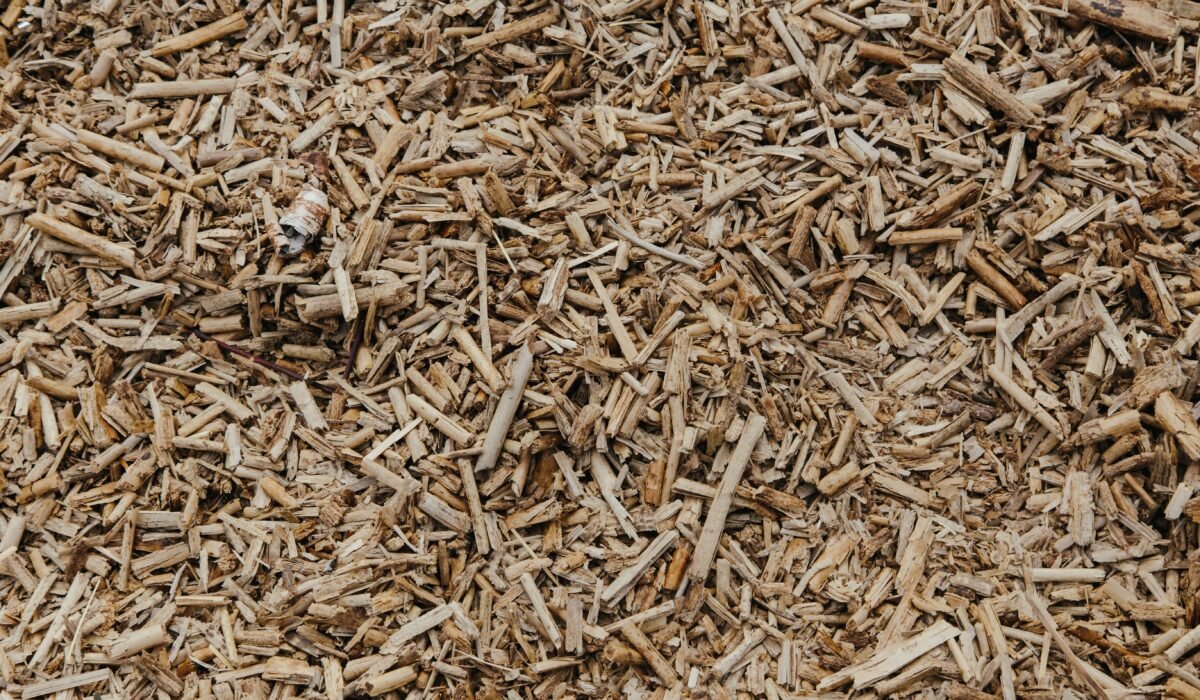
- Wood chips are expected to hold the largest share of mulching materials, accounting for approximately 40.6% of the market share in 2026.
- Organic mulch significantly reduces evaporation, helping soil retain moisture longer and creating consistent growing conditions for plants.
- As organic mulch decomposes, it enriches soil with valuable nutrients, improving structure and promoting beneficial microbial activity.
Are you looking to cultivate a thriving garden that requires less watering, fewer chemicals, and boasts healthier plants? Understanding the immense benefits of organic mulch is your first step towards achieving that goal. In my 10+ years of experience in horticulture, I’ve seen firsthand how this simple practice can transform a garden from struggling to flourishing, creating a vibrant ecosystem beneath the surface.
Quick Answer: Organic mulch enriches soil, retains moisture, suppresses weeds, and regulates temperature, fostering a healthy environment for plants. It improves soil structure and reduces the need for frequent watering and chemical interventions over time.
What are the Benefits of Organic Mulch?
The benefits of organic mulch are extensive, transforming your garden’s health and reducing maintenance significantly. David Hillock, an Oklahoma State University Extension consumer horticulturist, emphasizes that “Mulching garden soil is one of the most valuable, cultural practices of gardening” (2025). This practice offers multifaceted advantages, from moisture retention to soil enrichment.
Organic mulch acts like a natural blanket for your soil, providing a protective layer that nurtures the entire garden ecosystem. It’s not just about aesthetics; it’s about creating an optimal environment where plants can thrive with minimal stress.
Here are the primary benefits of organic mulch for a vibrant garden:
- Moisture Retention: Organic mulch significantly reduces evaporation, helping the soil retain moisture longer, according to Organic Mulch for Vegetable Gardens (2026). This means you water less frequently, conserving precious resources and saving time.
- Weed Suppression: A thick layer of organic mulch smothers existing weeds and prevents new weed seeds from germinating by blocking sunlight. This drastically cuts down on weeding chores, a task most gardeners dread.
- Soil Temperature Regulation: Mulch keeps soil cooler in summer—by as much as 10 degrees—and warmer during cool nights, as noted by Andrea Laine, Extension Master Gardener Volunteers of Durham County (2016). During winter, it insulates roots from extreme temperature fluctuations, preventing frost heave.
- Soil Health Improvement: As organic mulch decomposes, it adds valuable organic matter and nutrients to the soil, according to Raney Tree Care (2024). This process improves soil structure, aeration, and drainage, fostering a healthier root environment.
- Erosion Control: Organic mulch protects bare soil from the impact of heavy rain and wind, preventing soil erosion and nutrient runoff. This is especially crucial on sloped areas or in gardens with loose soil.
- Reduced Soil Compaction: The mulch layer absorbs the impact of foot traffic and rainfall, preventing the underlying soil from becoming compacted. This allows plant roots to grow more freely and access water and nutrients effectively.
- Enhanced Beneficial Microbe Activity: Decomposing organic mulch provides a consistent food source and habitat for earthworms, fungi, and bacteria, which are vital for nutrient cycling and overall soil fertility. These beneficial microbes are key players in a thriving garden ecosystem.
These benefits of organic mulch contribute to more resilient plants, a richer soil profile, and a more enjoyable gardening experience. Implementing this practice is one of the best long-term investments you can make in your garden.
Organic vs. Inorganic Mulch: What’s the Difference?
The fundamental difference between organic and inorganic mulch lies in their composition and how they interact with the soil over time. Organic mulch, derived from natural materials, decomposes and enriches the soil, while inorganic mulch, made from synthetic or mineral materials, remains inert. Organic mulches accounted for approximately 58.3% of the global mulching materials market revenue in 2025, highlighting their widespread preference.
Choosing the right type of mulch is critical for your garden’s specific needs and long-term health. Each type has distinct advantages and disadvantages that influence soil health, plant growth, and maintenance requirements.
Let’s compare the characteristics to better understand the distinct benefits of organic mulch versus its inorganic counterparts:
| Feature | Organic Mulch | Inorganic Mulch |
|---|---|---|
| Composition | Wood chips, shredded leaves, straw, compost, pine needles, bark | Rubber, gravel, plastic sheeting, stones, landscape fabric |
| Decomposition | Decomposes over time, adding organic matter and nutrients to soil | Does not decompose, remains inert in the landscape |
| Soil Enrichment | Significantly improves soil structure, fertility, and microbial life | Offers no nutritional value to the soil |
| Moisture Retention | Excellent; reduces evaporation and moderates soil temperature | Good; but can trap heat, potentially overheating roots |
| Weed Control | Very effective; smothers weeds and prevents germination | Effective; but often requires landscape fabric underneath to prevent weeds |
| Temperature Regulation | Insulates soil, keeping it cooler in summer and warmer in winter | Can absorb and radiate heat, potentially increasing soil temperature |
| Replenishment | Needs to be replenished annually or biennially as it decomposes | Rarely needs replenishment; can last for many years |
| Cost-Effectiveness | Can be sourced affordably (or free, DIY), but requires regular reapplication | Higher initial cost, but minimal long-term maintenance/replacement cost |
While inorganic mulches offer durability and aesthetic appeal without decomposition, they lack the profound soil-building advantages. The key benefits of organic mulch are tied directly to its natural breakdown, which continuously feeds and improves your garden’s living soil.
How Organic Mulch Transforms Soil Health Long-Term
Organic mulch fundamentally transforms soil health over the long term by continuously enriching it with organic matter, fostering a vibrant microbial community, and improving its physical structure. This sustained improvement is one of the most significant benefits of organic mulch, leading to a more resilient and productive garden ecosystem. Over time, your soil becomes a living, breathing foundation for plant growth.
The decomposition process is where the magic happens. As wood chips, leaves, or other organic materials break down, they release a steady supply of nutrients and humus into the soil. This slow-release feeding mechanism supports sustained plant growth without the need for excessive chemical fertilizers.
Here’s how organic mulch delivers its long-term soil health benefits:
- Increases Organic Matter: The gradual decomposition of organic mulch consistently adds humus to the soil. This organic matter improves soil aggregation, enhancing its ability to hold nutrients and water, while also increasing aeration.
- Feeds the Soil Food Web: Organic materials are a banquet for beneficial soil organisms, including bacteria, fungi, protozoa, and earthworms. These organisms break down complex organic compounds, making nutrients available to plants and improving nutrient cycling within the soil.
- Enhances Soil Structure: Improved soil structure, a direct result of increased organic matter and microbial activity, leads to better drainage in heavy clay soils and improved water retention in sandy soils. This creates a more stable and hospitable environment for root development.
- Buffers Soil pH: While some organic mulches like pine needles can subtly acidify soil, many help to buffer pH changes, maintaining a more stable environment for nutrient uptake. This consistency is vital for plant health.
- Reduces Compaction and Erosion: By covering and protecting the soil surface, organic mulch prevents compaction from rain and foot traffic, and significantly reduces erosion. This preserves the delicate soil structure that takes years to build.
From my experience, a garden consistently mulched with organic materials develops a darker, richer soil that smells earthy and feels crumbly. This is a testament to the powerful, enduring benefits of organic mulch in fostering long-term soil vitality. You can find more practical advice on building healthy soil in our guide to Composting for Beginners: 5 Easy Steps to Start Today.
Choosing the Best Organic Mulch for Specific Plants
Choosing the best organic mulch involves considering your plants’ specific needs, soil conditions, and aesthetic preferences. The vast array of organic mulches means there’s an ideal option for almost every garden scenario, each offering distinct benefits of organic mulch tailored to different environments. Understanding these differences ensures you maximize the positive impact.
Different plants thrive under different conditions, and your mulch choice can significantly influence these. For instance, acid-loving plants will benefit from mulches that subtly lower pH, while vegetables often prefer mulches that keep soil consistently moist and cool.
Here’s a guide to selecting the right organic mulch for various garden applications:
- Wood Chips and Shredded Bark:
- Best for: Trees, shrubs, perennial beds, natural pathways.
- Benefits: Excellent weed suppression, long-lasting, decomposes slowly, attractive appearance. Wood chips are expected to hold the largest share of mulching materials, accounting for approximately 40.6% of the market share in 2026.
- Considerations: Can initially tie up some nitrogen as they decompose; avoid piling against tree trunks.
- Straw:
- Best for: Vegetable gardens (especially around tomatoes, squash), strawberry patches, new seedbeds.
- Benefits: Excellent moisture retention, keeps fruits clean, great for insulating potatoes, easily incorporated into soil at season’s end. The benefits of organic mulch like straw include superior temperature moderation.
- Considerations: Can blow away in windy areas; ensure it’s weed-free straw, not hay.
- Compost:
- Best for: Boosting fertility in any garden bed, raised beds, top-dressing annuals and perennials.
- Benefits: Rich in nutrients, significantly improves soil structure and microbial activity. Commercial compost is recommended to ensure weed seeds are killed during the heating process.
- Considerations: Decomposes quickly, needs more frequent replenishment; can be more expensive if not homemade.
- Pine Needles:
- Best for: Acid-loving plants like blueberries, azaleas, rhododendrons, and conifers.
- Benefits: Contribute to soil acidification, light and airy, good moisture retention. The unique benefits of organic mulch derived from pine needles are ideal for specific plant requirements.
- Considerations: Best for plants that thrive in slightly acidic conditions.
- Shredded Leaves:
- Best for: Almost any garden bed, especially under deciduous trees and shrubs.
- Benefits: Free and abundant, excellent soil amendment as they break down, good moisture retention.
- Considerations: Can mat if applied too thickly or wet; best when shredded.
- Grass Clippings:
- Best for: Annual flower and vegetable gardens, in thin layers.
- Benefits: Provides nitrogen, good moisture retention.
- Considerations: Must be dried and applied in thin layers (no more than 1-2 inches) to prevent matting and odor; ensure no herbicides were used on the lawn.
By matching the mulch to the plant, you unlock the full spectrum of benefits of organic mulch, ensuring your plants receive the optimal care they deserve. For specific advice on nurturing fruit trees, consider our guide on How to Fertilize Fruit Trees: 7 Essential Steps, where mulch plays a supporting role.
DIY Organic Mulch: Sustainable & Cost-Effective Solutions
Creating your own DIY organic mulch is a highly sustainable and cost-effective solution that leverages materials readily available in your yard. This approach maximizes the benefits of organic mulch while minimizing waste and expense. In my years of gardening, I’ve found that homemade mulch is often superior because you know exactly what’s going into your garden.
Instead of buying bags of mulch, which can be costly and generate plastic waste, you can transform common yard waste into valuable resources. This not only saves money but also returns nutrients directly to your garden, completing a natural cycle.
Here are some excellent DIY organic mulch options:
- Shredded Leaves:
- Process: Rake up fallen leaves in autumn and shred them using a leaf shredder, lawnmower with a bagging attachment, or even a string trimmer in a trash can.
- Benefits: Free, abundant, excellent source of carbon and trace minerals, improves soil structure as they decompose. The benefits of organic mulch from shredded leaves include superior soil improvement.
- Application: Apply a 2-4 inch layer around plants.
- Grass Clippings:
- Process: Collect grass clippings after mowing. Allow them to dry slightly in the sun to prevent matting and odor.
- Benefits: Adds nitrogen to the soil, free, readily available.
- Application: Apply in thin layers (1-2 inches) around plants. Ensure no herbicides were used on the lawn.
- Compost:
- Process: Start a compost pile using kitchen scraps, yard waste, and other organic materials. Allow it to break down until it’s dark, crumbly, and earthy-smelling.
- Benefits: The ultimate soil conditioner, rich in diverse nutrients and beneficial microbes. This is one of the most powerful benefits of organic mulch for long-term soil health.
- Application: Spread a 1-3 inch layer around plants as a top-dressing.
- Wood Chips (Arborist Chips):
- Process: Contact local tree care companies like Raney Tree Care; they often deliver wood chips for free or a small fee.
- Benefits: Excellent weed suppression, long-lasting, great for trees and shrubs.
- Application: Apply a 3-6 inch layer, keeping it away from plant stems.
Embracing DIY organic mulch solutions not only enhances your garden’s health but also contributes to a more sustainable gardening practice. The long-term benefits of organic mulch, especially homemade varieties, are truly invaluable for any gardener.
Common Organic Mulching Mistakes to Avoid
While the benefits of organic mulch are numerous, improper application can negate these advantages or even harm your plants. Avoiding common mulching mistakes is crucial for ensuring your efforts yield a healthy, thriving garden rather than unintended problems. Many gardeners, even experienced ones, can fall into these traps.
The goal of mulching is to create a beneficial environment for your plants, not to suffocate them or invite pests. Understanding these pitfalls allows you to apply mulch effectively and safely.
Here are some common organic mulching mistakes to steer clear of:
- Applying Too Thick a Layer:
- Mistake: Piling mulch too deeply (more than 3-4 inches for most plants).
- Problem: Can suffocate roots, prevent water penetration, create anaerobic conditions, and harbor pests like rodents.
- Solution: Maintain a 2-4 inch layer for most plants, and 3-6 inches for trees and shrubs.
- Creating “Mulch Volcanoes”:
- Mistake: Piling mulch directly against the base of tree trunks or plant stems.
- Problem: Traps moisture against the bark, leading to rot, fungal diseases, and inviting pests to chew on the softened bark. This is a common and damaging error.
- Solution: Always leave a 2-6 inch gap between the mulch and the plant stem or tree trunk, creating a “donut” shape.
- Using Uncomposted Materials:
- Mistake: Applying fresh wood chips, sawdust, or other “green” organic materials directly to garden beds.
- Problem: These materials can tie up nitrogen in the soil as they decompose, temporarily starving your plants of this essential nutrient. This is known as nitrogen immobilization.
- Solution: Use well-aged or partially composted materials, or apply a nitrogen-rich fertilizer beforehand if using fresh materials.
- Ignoring Soil Drainage:
- Mistake: Applying mulch to areas with poor drainage without addressing the underlying issue.
- Problem: Can exacerbate waterlogging, leading to root rot, especially in heavy clay soils.
- Solution: Improve soil drainage first (e.g., by incorporating compost) before applying mulch.
- Not Replenishing Mulch:
- Mistake: Expecting organic mulch to last indefinitely without reapplication.
- Problem: As mulch decomposes, its weed suppression and moisture retention capabilities diminish.
- Solution: Inspect your mulch annually and top it up as needed, typically every 1-3 years depending on the material.
By being mindful of these common errors, you can fully harness the incredible benefits of organic mulch, ensuring your garden remains healthy and vibrant. Proper application is just as important as the choice of material itself.
How to Apply Organic Mulch Effectively
Applying organic mulch effectively is a straightforward process that maximizes its numerous benefits for your garden. Proper technique ensures optimal moisture retention, weed suppression, and soil health improvement without harming your plants. Achieving the full benefits of organic mulch hinges on correct application from the start.
Follow these essential steps to apply organic mulch like a pro, creating a healthier and more beautiful garden environment.
Step 1: Select the Right Organic Mulch
The first step is to choose an appropriate organic mulch for your specific plants and garden goals. For example, wood chips are excellent for trees, while straw is ideal for vegetable gardens, as discussed by Simply Smart Gardening. The choice impacts the long-term benefits of organic mulch you’ll receive.
Step 2: Prepare Your Garden Area
Before applying mulch, thoroughly weed the area and remove any debris. This prevents existing weeds from being trapped under the mulch and ensures the mulch can effectively suppress new growth. Water the area if the soil is dry to lock in moisture.
Step 3: Apply Mulch with Proper Thickness
Spread the organic mulch evenly over the soil surface. Aim for a layer that is typically 2-4 inches deep for most garden beds and perennials. For trees and shrubs, a slightly thicker layer of 3-6 inches is often beneficial. This thickness is key to unlocking the full benefits of organic mulch, such as weed control and moisture retention.
Step 4: Avoid Mulch Volcanoes
Crucially, keep the mulch 2-6 inches away from the base of plant stems and tree trunks. This “mulch donut” prevents moisture accumulation against the bark, which can lead to rot, fungal diseases, and pest infestations. This practice is vital for plant longevity.
Step 5: Maintain and Replenish Mulch Layers
Regularly check your mulch layer. As organic mulch decomposes, it will thin out, and its effectiveness will diminish. Top up the mulch annually or every few years, depending on the material, to maintain the desired thickness and continue reaping the benefits of organic mulch. Lightly cultivate the existing layer before adding new material if compaction occurs.
Step 6: Create Your Own DIY Mulch
Consider making your own mulch from shredded leaves, grass clippings (herbicide-free), or compost. This sustainable approach saves money and provides nutrient-rich materials directly from your yard. This is a practical way to ensure a steady supply of high-quality organic material.
Addressing Disadvantages of Organic Mulch
While the benefits of organic mulch are compelling, it’s also important to acknowledge and address its potential disadvantages to ensure successful gardening. No gardening practice is entirely without its drawbacks, and organic mulching is no exception. Being aware of these challenges allows you to mitigate them effectively.
Understanding these potential downsides helps you make informed decisions and apply organic mulch in a way that maximizes its advantages while minimizing any negative impacts. My experience has taught me that preparation and awareness are key.
Here are some disadvantages of organic mulch and how to address them:
- Decomposition and Replenishment:
- Disadvantage: Organic mulches break down over time, requiring regular replenishment (typically annually or biennially). This adds to ongoing labor and material costs.
- Solution: Choose longer-lasting mulches like wood chips for permanent plantings, or use DIY options like shredded leaves or compost to reduce costs. Plan for replenishment as part of your annual garden maintenance.
- Nitrogen Tie-up (for fresh woody mulches):
- Disadvantage: Fresh, uncomposted woody mulches (e.g., sawdust, fresh wood chips) can temporarily deplete nitrogen from the soil as microbes break them down.
- Solution: Use well-aged or composted woody mulches. If using fresh materials, apply a nitrogen-rich fertilizer beforehand or incorporate a nitrogen source like composted manure into the soil.
- Pest and Disease Habitat:
- Disadvantage: Thick, consistently wet mulch layers can create a favorable environment for slugs, snails, voles, and certain fungal diseases.
- Solution: Maintain proper mulch thickness (2-4 inches) and keep it away from plant stems (“mulch donut”). Ensure good air circulation around plants. Regularly check for pests and adjust as needed.
- Initial Cost and Labor:
- Disadvantage: Purchasing and applying organic mulch can involve an upfront cost and significant labor, especially for large areas.
- Solution: Utilize free or low-cost DIY options like shredded leaves or grass clippings. Break down the application into smaller, manageable sections. Consider the long-term savings in water, weeding, and fertilizer as an investment.
- Weed Seed Introduction:
- Disadvantage: Some organic mulches, particularly straw or hay, can contain weed seeds if not properly sourced.
- Solution: Always source weed-free straw. If making your own compost, ensure your pile reaches sufficient temperatures to kill weed seeds. Purchase certified weed-free commercial mulches.
By understanding these potential drawbacks and implementing the suggested solutions, you can continue to enjoy the extensive benefits of organic mulch while effectively managing any challenges. The positive impact on soil health and plant vitality far outweighs these minor considerations.
Frequently Asked Questions
What are the benefits of using organic mulch?
Organic mulch offers numerous advantages, including superior moisture retention, effective weed suppression, and significant soil temperature regulation. David Hillock of Oklahoma State University Extension (2025) considers mulching one of the most valuable gardening practices. It also enriches soil with organic matter, fostering a healthy microbial environment.
What is the difference between organic and inorganic mulch?
Organic mulch is derived from natural materials like wood chips or leaves, decomposing to enrich the soil, while inorganic mulch, such as gravel or rubber, does not break down. Organic mulches accounted for approximately 58.3% of the global mulching materials market revenue in 2025, largely due to their soil-improving qualities. Inorganic mulches offer durability but lack nutritional benefits for soil.
What is the best type of organic mulch?
The best type of organic mulch depends on your specific garden needs, as each offers unique advantages. Wood chips are excellent for trees and shrubs due to their longevity and weed suppression, accounting for approximately 40.6% of the mulching material market share in 2026. Straw is ideal for vegetable gardens, while compost enriches any soil.
What are the disadvantages of organic mulch?
Disadvantages of organic mulch include the need for regular replenishment as it decomposes, potential for nitrogen tie-up with fresh woody materials, and the possibility of creating habitats for pests if applied improperly. However, these issues can be easily managed by applying the correct thickness and choosing well-aged materials. Proper application is key to mitigating these concerns.
Why is organic mulch good for soil?
Organic mulch is exceptionally good for soil because it continuously adds organic matter, improving soil structure, aeration, and water retention as it breaks down. According to Raney Tree Care (2024), this process promotes beneficial microbial activity and increases overall soil fertility. It transforms inert soil into a living ecosystem that supports robust plant growth.
Harnessing the full benefits of organic mulch is one of the most impactful decisions you can make for your garden’s long-term health and vitality. By retaining moisture, suppressing weeds, regulating temperature, and enriching soil, organic mulch creates a thriving ecosystem that requires less intervention. Start integrating this powerful practice into your gardening routine today, and watch your plants flourish with newfound resilience.







