Key Takeaways
- Blossom end rot is a physiological disorder, not a disease, primarily caused by inconsistent water availability affecting calcium uptake.
- Tomato plants need about 1 to 1.5 inches of water per week during fruiting to prevent blossom end rot, according to University of Georgia Extension (2015).
- Foliar calcium applications are generally ineffective for blossom end rot treatment because calcium does not readily move from leaves to fruit, states RHS Advice.
- Consistent soil moisture, not just adding calcium, is the most critical factor for preventing and treating blossom end rot in tomatoes and peppers.
- Container-grown tomatoes and peppers are more susceptible to blossom end rot due to rapid soil moisture fluctuations.
Are you seeing those dreaded dark, sunken spots on the bottom of your ripening tomatoes and peppers? If so, you’re likely dealing with blossom end rot, a common frustration for many gardeners. Understanding and implementing an effective Blossom End Rot Treatment Tomatoes Peppers strategy is crucial for a healthy harvest, and I’m here to share my 10+ years of gardening expertise to help you overcome this challenge.
Quick Answer: Blossom end rot in tomatoes and peppers is a calcium deficiency in the fruit, primarily caused by inconsistent watering. Treat and prevent it by ensuring consistent soil moisture, proper soil pH (6.5-6.8), and balanced fertilization, not just by adding calcium.
What is Blossom End Rot and What Causes It?
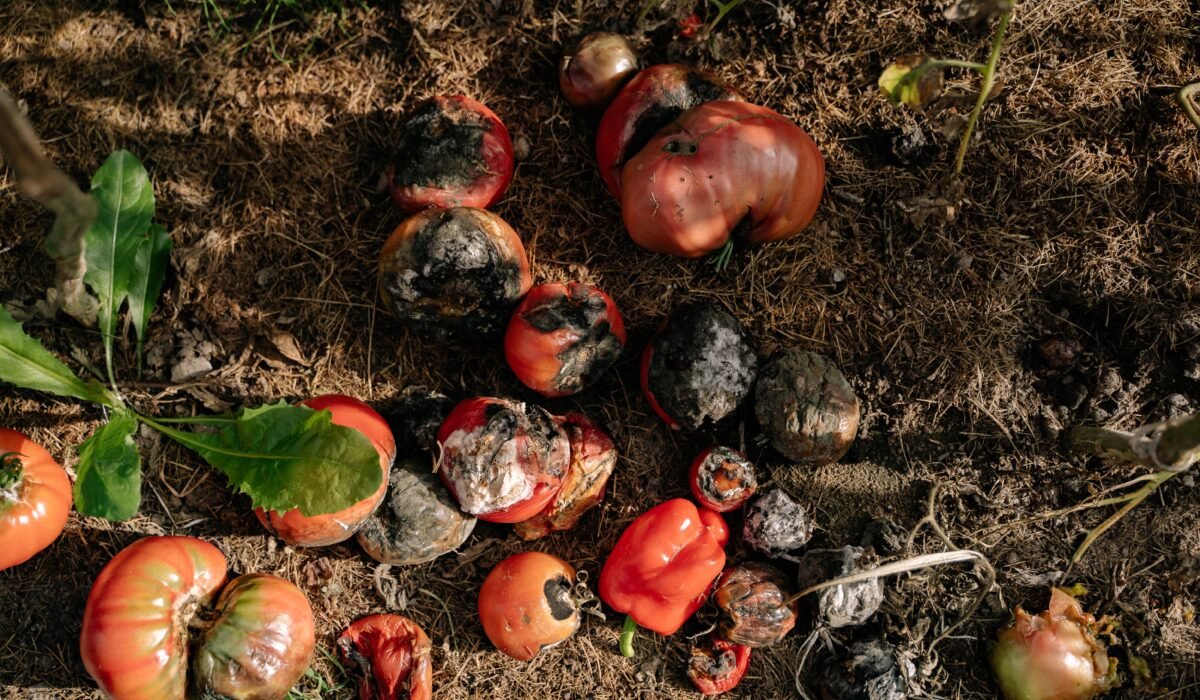
Blossom end rot is a physiological disorder characterized by a dark, sunken, leathery spot on the bottom (blossom end) of developing fruit, primarily affecting tomatoes and peppers. This issue is almost always a result of the plant’s inability to absorb sufficient calcium, not necessarily a lack of calcium in the soil itself, according to Iowa State University Extension and Outreach Small Farm Sustainability. It’s a frustrating problem that signals an environmental imbalance.
The core cause of blossom end rot is a localized calcium deficiency within the fruit, which often stems from inconsistent water delivery to the plant. When water availability fluctuates wildly—from too much to too little—the plant struggles to transport calcium efficiently to rapidly growing fruit tissues. This leads to cell breakdown at the fruit’s blossom end, manifesting as the characteristic rot.
Several factors contribute to inconsistent water uptake, including irregular watering schedules, extreme soil moisture fluctuations, and damaged root systems. In my 10+ years of gardening, I’ve observed that consistent watering is the single most important factor in preventing blossom end rot, far more than simply adding calcium. This is because calcium moves with water in the plant’s vascular system, so if water flow is erratic, calcium delivery suffers.
Fast-growing plants, especially during hot, dry periods, can also be more susceptible to this disorder. Understanding these underlying causes is the first step toward effective Blossom End Rot Treatment Tomatoes Peppers.
How to Treat Blossom End Rot in Tomatoes and Peppers Effectively
Effectively treating blossom end rot in tomatoes and peppers involves addressing the root causes of calcium deficiency, primarily focusing on consistent moisture and proper nutrient availability. The short answer is to stabilize your plant’s environment rather than just reacting to the symptoms. Studies show that simply applying calcium often has no significant effect if the primary cause is uneven watering, according to the Laidback Gardener (2025).
The key to effective Blossom End Rot Treatment Tomatoes Peppers is an integrated approach that supports the plant’s natural ability to take up and distribute calcium. This means looking beyond quick fixes and implementing long-term strategies for plant health. My experience has shown that gardeners who focus on consistent care see the best results.
Step 1: Maintain Consistent Soil Moisture
To treat blossom end rot, you must ensure your plants receive a steady supply of water, avoiding extremes of wet and dry. This matters because calcium moves through the plant with water, so consistent moisture allows for steady calcium uptake. Tomato plants need about 1 to 1.5 inches of water per week while fruiting, according to the University of Georgia Extension (2015).
Water deeply and regularly, especially during dry spells and when fruits are developing. A good rule of thumb is to check soil moisture 2-3 inches deep; if it feels dry, it’s time to water. Drip irrigation or soaker hoses are excellent tools for delivering water directly to the root zone, minimizing evaporation and runoff.
Step 2: Ensure Proper Soil pH Balance
Achieve a soil pH between 6.5 and 6.8 for optimal nutrient availability, including calcium. This matters because calcium uptake can be hindered in overly acidic or alkaline soils, even if calcium is present. Soil tests, available through your local extension office, can accurately determine your current pH.
If your soil pH is too low (acidic), consider adding agricultural lime or gypsum several months before planting to raise it. For overly alkaline soils, amendments like elemental sulfur can help lower the pH. Proper pH creates an environment where plants can efficiently absorb all necessary nutrients, supporting a robust Blossom End Rot Treatment Tomatoes Peppers strategy.
Step 3: Apply Balanced Fertilizers
Use fertilizers that are balanced and not excessively high in nitrogen, as too much nitrogen can promote lush foliage growth at the expense of fruit development and calcium uptake. This matters because an imbalance of nutrients can stress the plant and exacerbate calcium transport issues. Products like Miracle-Gro® Shake ‘n Feed® Tomato, Fruit & Vegetable Plant Food contain calcium and other essential nutrients, designed to support healthy growth from planting.
Avoid over-fertilizing, especially with nitrogen-heavy formulas, particularly during fruiting stages. Opt for fertilizers that provide a good balance of N-P-K (Nitrogen, Phosphorus, Potassium) along with micronutrients. A soil test can also guide your fertilization strategy, ensuring you apply only what your plants truly need for optimal Blossom End Rot Treatment Tomatoes Peppers.
Step 4: Use Mulch Around Plants
Apply a 2-4 inch layer of organic mulch around your tomato and pepper plants to conserve soil moisture and regulate soil temperature. This matters because mulch reduces evaporation, keeps the soil consistently moist, and prevents rapid temperature fluctuations that can stress roots. Good mulches include straw, shredded leaves, or wood chips.
Mulch also helps suppress weeds, which compete with your plants for water and nutrients. By maintaining a stable soil environment, mulch significantly contributes to preventing inconsistent watering, a primary cause of blossom end rot. Consider linking to an article on Benefits of Organic Mulch for more details on its advantages.
Step 5: Select Resistant Plant Varieties
Choose tomato and pepper varieties known for their resistance to blossom end rot when planning your garden. This matters because some varieties are genetically less susceptible to this physiological disorder, offering a proactive prevention strategy. While no variety is completely immune, selecting robust types can greatly reduce your chances of encountering the problem.
Research specific cultivars before planting. For example, paste tomatoes and larger-fruited varieties are often more prone to blossom end rot than smaller cherry tomatoes. Consulting local nurseries or extension services can provide recommendations for varieties that perform well in your specific climate and soil conditions, aiding your overall Blossom End Rot Treatment Tomatoes Peppers efforts.
Step 6: Manage Container Plant Watering
Implement meticulous watering practices for container-grown tomatoes and peppers, as they are particularly vulnerable to blossom end rot due to rapid soil drying. This matters because container soils dry out much faster than garden beds, leading to severe moisture fluctuations that impede calcium uptake. Container-grown plants require more frequent, often daily, watering.
Ensure containers have adequate drainage holes to prevent waterlogging, but also consider using self-watering planters or larger pots to provide a more stable moisture reservoir. Monitoring soil moisture daily with your finger or a moisture meter is crucial for container plants. This focused management is a key aspect of Blossom End Rot Treatment Tomatoes Peppers in confined spaces.
Step 7: Consider Targeted Calcium Application
While not a primary fix for inconsistent watering, targeted calcium application can sometimes supplement a comprehensive Blossom End Rot Treatment Tomatoes Peppers plan, especially if a verified soil calcium deficiency exists. This matters because in rare cases where soil calcium is genuinely low, a direct supplement can be beneficial. However, always prioritize water management first.
If a soil test confirms low calcium, amendments like gypsum or calcium nitrate can be worked into the soil before planting. For existing plants, a soil drench with a product like Fertilome Yield Booster, a liquid calcium supplement, can provide readily available calcium. Always follow product instructions carefully to avoid over-application, which can lead to other nutrient imbalances.
5 Proven Ways to Prevent Blossom End Rot
Preventing blossom end rot is far more effective than trying to cure it once it appears, and it primarily involves creating a stable, supportive environment for your plants. My years in horticulture have taught me that proactive measures are the gardener’s best friend.
-
Consistent Watering Schedule: The most crucial preventative measure is to water deeply and regularly. Aim for 1 to 1.5 inches of water per week for fruiting plants, ensuring the soil remains consistently moist but not waterlogged. This steady moisture flow is vital for calcium transport within the plant.
-
Soil Testing and Amendment: Conduct a soil test every few years to assess pH and nutrient levels. Amend your soil with compost or well-rotted manure to improve its water-holding capacity and provide a steady release of nutrients. If your soil is truly calcium deficient, add gypsum or bone meal at planting time, working it into the soil.
-
Mulching: Apply a 2-4 inch layer of organic mulch, such as straw or shredded leaves, around the base of your plants. This helps maintain consistent soil moisture by reducing evaporation and moderating soil temperature, significantly reducing the risk of blossom end rot.
-
Proper Fertilization: Avoid high-nitrogen fertilizers, especially when fruits are setting, as these can promote leafy growth at the expense of fruit development and calcium uptake. Use balanced fertilizers or those specifically formulated for tomatoes and peppers, which often include calcium.
-
Planting Location and Container Size: Choose a planting site with good drainage and adequate sunlight. For container gardening, use large pots (at least 15-20 gallons for tomatoes) to provide a more stable root environment and moisture buffer. Smaller containers dry out too quickly, making them prone to blossom end rot in container tomatoes.
Implementing these preventative strategies is the best long-term Blossom End Rot Treatment Tomatoes Peppers plan. They help your plants build resilience and ensure a healthier, more abundant harvest.
Debunking Blossom End Rot Myths: What Doesn’t Work?
Many common “cures” for blossom end rot are ineffective because they don’t address the underlying cause of the disorder. It’s important to separate fact from fiction to achieve effective Blossom End Rot Treatment Tomatoes Peppers.
One prevalent myth is that simply sprinkling Epsom salts or Tums around your plants will solve blossom end rot. Epsom salts provide magnesium, not calcium, and while magnesium is an important nutrient, it won’t fix a calcium transport problem. Tums, while calcium-rich, often don’t break down quickly enough or in a form readily available to plant roots, making them an unreliable solution.
Another common misconception is that foliar sprays of calcium are a quick fix. While products like Bonide Rot-Stop Tomato Blossom End Rot contain calcium chloride and are marketed for foliar application, studies show they are generally ineffective. “Foliar applications of calcium salts such as calcium nitrate are not effective because calcium is not readily absorbed by the fruits and transport from leaves to fruit is poor,” states RHS Advice. Calcium primarily moves through the plant with water via the xylem, mostly ending up in leaves, not easily reaching the fruit. This is a critical insight for understanding true Blossom End Rot Treatment Tomatoes Peppers.
| Common Blossom End Rot Myth | Why It Doesn’t Work / Reality |
|---|---|
| Sprinkle Epsom Salts | Epsom salts provide magnesium, not calcium. Magnesium does not address calcium deficiency. |
| Bury Tums/Eggshells | Calcium from these sources is often unavailable to plant roots or takes too long to break down. |
| Foliar Calcium Sprays | Calcium is poorly absorbed by fruit from leaves; it doesn’t move effectively from foliage to fruit. (RHS Advice) |
| Just Add More Calcium to Soil | Most soils have sufficient calcium; the issue is usually inconsistent water hindering uptake, not soil deficiency. (Laidback Gardener, 2025) |
Focusing on these ineffective methods can waste time and resources, delaying the implementation of proven strategies for Blossom End Rot Treatment Tomatoes Peppers. Always prioritize consistent watering and soil health over quick, unproven remedies.
Managing Blossom End Rot in Container Plants
Container-grown tomatoes and peppers are particularly susceptible to blossom end rot due to their limited soil volume and rapid moisture fluctuations, requiring specific management strategies. The confined space makes consistent watering a constant challenge, which directly impacts calcium uptake.
The primary challenge with container plants is maintaining consistent soil moisture. Container soils dry out much faster than garden beds, especially on hot, sunny days, leading to the inconsistent watering that causes blossom end rot. In my experience, container gardening blossom end rot is one of the most common issues beginners face.
- Use Large Containers: Opt for the largest possible containers. For tomatoes, I recommend at least 15-20 gallon pots. Larger soil volume buffers against rapid moisture changes.
- Daily Monitoring: Check soil moisture daily, sometimes twice a day during peak summer. Water deeply until water drains from the bottom.
- Self-Watering Planters: Consider self-watering containers, which have a reservoir that helps maintain more consistent moisture levels.
- Mulch Containers: Apply a layer of mulch on top of the container soil to reduce evaporation.
- Quality Potting Mix: Use a high-quality potting mix that retains moisture well but also drains freely. Adding compost to your mix can improve its water-holding capacity.
- Fertilize Carefully: Use a balanced liquid fertilizer like Fertilome Yield Booster, which provides calcium, as part of your regular feeding routine, ensuring consistent nutrient delivery.
By implementing these focused strategies, you can significantly reduce the incidence of blossom end rot in container tomatoes and peppers, ensuring a more successful harvest. These methods are a vital part of comprehensive Blossom End Rot Treatment Tomatoes Peppers for urban and patio gardeners.
Best Calcium Supplements for Blossom End Rot Treatment
While consistent watering is paramount, specific calcium supplements can be beneficial for Blossom End Rot Treatment Tomatoes Peppers if a soil test confirms a genuine calcium deficiency. It’s crucial to understand when and how to use these products effectively.
The best calcium supplements for blossom end rot aim to make calcium readily available to the plant’s roots, where it can be absorbed and transported. These are most effective when incorporated into the soil before planting or as a soil drench. My top recommendations include:
-
Gypsum (Calcium Sulfate): This is an excellent long-term soil amendment that provides calcium without significantly altering soil pH. It improves soil structure, which can enhance water penetration and root growth. Apply gypsum for tomatoes several months before planting, working it into the top few inches of soil.
-
Calcium Nitrate: This fast-acting, water-soluble calcium source is good for soil drench applications. Calcium nitrate uses include providing immediate calcium to the root zone. Be cautious with application rates, as excessive nitrogen can sometimes be counterproductive. Always follow label directions for proper dosage.
-
Calcium Chloride: Found in products like Bonide Rot-Stop Tomato Blossom End Rot, calcium chloride is often suggested for foliar sprays. However, as discussed, foliar applications are generally not effective for fruit-bound calcium issues. It can be used as a soil drench, but calcium nitrate is often preferred for its added nitrogen benefit in the soil.
-
Bone Meal: A slower-release organic option, bone meal provides both calcium and phosphorus. It’s best incorporated into the soil at planting time for a gradual supply of nutrients throughout the growing season. This is a great choice for organic blossom end rot treatment.
Remember, these supplements support, but do not replace, the fundamental need for consistent soil moisture. Always conduct a soil test before adding significant amendments to ensure you’re addressing the correct issue for successful Blossom End Rot Treatment Tomatoes Peppers.
Can You Reverse Blossom End Rot Once it Starts?
Once a fruit shows visible signs of blossom end rot, the damage to that specific fruit is irreversible and cannot be repaired. The affected cells at the blossom end have already broken down due to calcium deficiency.
While you cannot reverse the damage on already affected fruit, you absolutely can prevent new fruits from developing the disorder. The goal of any Blossom End Rot Treatment Tomatoes Peppers is to stop the problem from spreading to subsequent blossoms and developing fruits. You should pick off and discard any affected fruits, as they will not recover and can drain the plant’s resources.
After removing the damaged fruit, immediately implement the preventative and treatment strategies discussed earlier. Focus on:
- Establishing consistent watering: This is your most powerful tool.
- Ensuring proper soil pH: Check your soil and amend if necessary.
- Applying appropriate fertilizers: Avoid excess nitrogen.
- Using mulch: To stabilize soil moisture and temperature.
By taking these immediate steps, you significantly increase the chances that the next flush of tomatoes and peppers will be healthy and free of blossom end rot. Think of it as damage control and future prevention, rather than a cure for existing problems. This proactive approach is the most effective Blossom End Rot Treatment Tomatoes Peppers you can undertake.
Frequently Asked Questions
What is the fastest way to stop blossom end rot?
The fastest way to prevent *new* fruits from developing blossom end rot is to immediately implement a consistent watering schedule, ensuring 1 to 1.5 inches of water per week for fruiting plants. This stabilizes calcium uptake, which is almost always the core issue, according to Iowa State University Extension and Outreach Small Farm Sustainability. Also, remove any already affected fruits, as they cannot recover.
What is the best treatment for blossom end rot?
The best treatment for blossom end rot is a multi-faceted approach centered on consistent soil moisture, proper soil pH (6.5-6.8), and balanced fertilization. Relying solely on calcium supplements is often ineffective because calcium transport issues, not soil deficiency, are the primary cause, as noted by Laidback Gardener (2025). Mulching and using appropriately sized containers for container plants also play crucial roles in preventing blossom end rot.
How do you fix blossom end rot in tomatoes and peppers?
You fix blossom end rot in tomatoes and peppers by addressing the underlying environmental factors, primarily inconsistent watering. Ensure deep, regular watering, maintain optimal soil pH, apply balanced fertilizers, and use mulch to conserve soil moisture. While you cannot repair affected fruits, these steps will prevent new fruits from developing the disorder.
Can you reverse blossom end rot?
No, you cannot reverse blossom end rot once it starts on a specific fruit; the damage is permanent. The affected fruit should be removed and discarded. However, by implementing proper cultural practices like consistent watering and balanced fertilization, you can prevent subsequent fruits on the same plant from developing the condition.
Why do my tomatoes get blossom end rot every year?
Your tomatoes likely get blossom end rot every year due to persistent issues with inconsistent watering, fluctuating soil moisture, or improper soil pH, rather than a lack of calcium in the soil itself. Identifying and correcting these environmental factors, such as improving your watering routine or amending your soil based on a soil test, is crucial for breaking the cycle.
Successfully managing Blossom End Rot Treatment Tomatoes Peppers hinges on understanding that it’s primarily a water management issue, not just a calcium deficiency. By focusing on consistent soil moisture, proper pH, and balanced feeding, you can ensure your plants absorb the calcium they need for healthy fruit development. Don’t let this common problem deter you; implement these strategies and enjoy a bountiful, blemish-free harvest this season!