
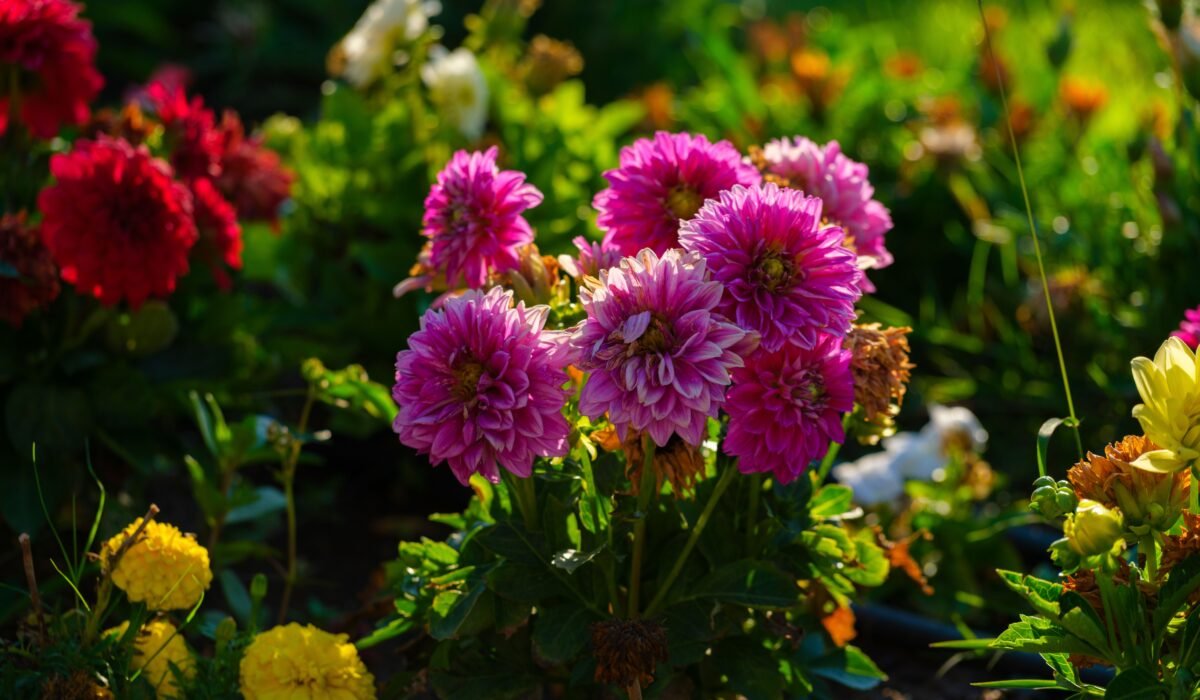
Key Takeaways
- Dahlias bloom from mid-summer through fall, typically from July until the first autumn frosts.
- There are approximately 60,000 named dahlia varieties and 18 official flower forms, according to research (2025).
- Dahlias generally begin blooming 90–100 days after planting in optimal conditions.
- An estimated 25–30 million dahlia tubers are grown annually in the Netherlands, a significant global supply (2025).
- Kristine Albrecht advises choosing tubers for more control over desired dahlia colors and varieties.
Are you eager to fill your garden with breathtaking, vibrant blooms that last from summer until the first frost? Learning how to grow dahlias from tubers is a rewarding journey, transforming your outdoor space with their incredible diversity and beauty. This comprehensive guide, drawing from my 10+ years in horticulture, will walk you through every essential step, ensuring you cultivate stunning dahlias that thrive.
Quick Answer: Plant dahlia tubers in well-drained, sunny soil after the last frost. Water regularly, stake tall varieties, and deadhead spent blooms. Dig up and store tubers in fall in cold climates for re-planting, ensuring continuous vibrant flowers from summer to autumn.
Choosing the Best Dahlia Varieties and Planting Location
To successfully grow dahlias from tubers, selecting the right variety and an optimal planting site are your first critical steps. Dahlias are considered the most popular flower for gardeners and florists in 2025, with demand for new varieties surging, highlighting the vast array of choices available. Understanding how to grow dahlias from tubers begins with these foundational decisions.
There are approximately 60,000 named dahlia varieties and 18 official flower forms, according to research (2025), offering an incredible spectrum of colors, sizes, and petal arrangements. When choosing, consider your climate, available space, and desired aesthetic. For instance, smaller “border” varieties are perfect for containers, while towering “dinnerplate” types demand ample space and robust staking.
Selecting Your Perfect Dahlia
Matching a dahlia variety to your garden’s conditions and your personal style is key to enjoying abundant blooms. Dahlia expert Kristine Albrecht, author of “Dahlia Breeding for the Farmer-Florist and the Home Gardener,” emphasizes that choosing tubers gives gardeners more control over the specific colors and forms they desire, unlike the unpredictable nature of growing from seed. This direct approach is fundamental to how to grow dahlias from tubers effectively.
Consider these factors when making your selection:
- Flower Form: From delicate anemone-flowered to dramatic dinnerplate, the American Dahlia Society classifies 18 distinct forms.
- Size: Dahlia plants range from less than one foot to over six feet in height, dictating their placement in your garden.
- Color Palette: Dahlias offer nearly every color imaginable, allowing you to create stunning garden compositions.
- Purpose: Are you growing for cutting, exhibition, or general garden display? Some varieties are better suited for specific uses.
Preparing the Ideal Dahlia Bed
Dahlias thrive in specific environmental conditions that ensure robust growth and prolific flowering. A sunny spot with well-drained, fertile soil is non-negotiable when you learn how to grow dahlias from tubers.
Here’s what your dahlias need:
- Sunlight: Dahlias require at least 6-8 hours of direct sunlight daily to produce abundant blooms, according to Dutch Bulbs (2023). Less sun results in leggy plants and fewer flowers.
- Soil Drainage: Good drainage is paramount. If your soil is heavy clay, amend it with organic matter like compost, well-rotted manure, or peat moss to improve aeration and prevent tuber rot.
- Soil pH: Dahlias prefer a slightly acidic to neutral soil pH, ideally between 6.5 and 7.0. A soil test can confirm your pH levels and inform amendments.
- Fertility: Rich, fertile soil provides the necessary nutrients. Incorporate compost or a balanced organic fertilizer into your planting area before you start to grow dahlias from tubers.
Proper site selection significantly impacts your success in learning how to grow dahlias from tubers. Investing time in preparing the perfect bed will pay dividends in spectacular floral displays.
When and How to Plant Dahlia Tubers for Success
The key to successful dahlia cultivation, and a crucial aspect of how to grow dahlias from tubers, lies in precise timing and correct planting techniques. Planting too early risks frost damage, while planting too late can shorten your bloom season. Henry Mitchell humorously captures this dilemma, noting that gardeners often wonder if it’s too soon or too late.
Dahlias generally bloom 90–100 days after planting, according to research (2025), making timing critical for a full season of flowers. Most people miss the importance of waiting until the soil is truly warm.
Optimal Timing for Planting Dahlia Tubers
Knowing exactly when to plant your dahlia tubers is vital for their survival and performance. The danger of frost must be completely gone before you consider putting tubers in the ground.
* After Last Frost: Wait until all danger of frost has passed in your area. This typically means late spring, after your region’s average last frost date.
* Soil Temperature: The soil temperature should consistently be 60°F (15°C) or warmer. Planting in cold, wet soil can lead to tuber rot.
* Early Start (Optional): For earlier blooms, RHS judge Martin Fish of Pots & Trowels advises potting up dahlia tubers in late March and keeping them in a frost-free greenhouse. This gives them a head start before outdoor planting.
Step 1: Prepare Your Tubers
Before planting, inspect your tubers carefully. Each tuber clump needs at least one “eye” (a small bud) to sprout.
* Inspect for Damage: Discard any tubers that are soft, shriveled, or show signs of rot. A healthy tuber is firm and plump.
* Pre-sprouting (Optional): Some gardeners choose to pre-sprout tubers indoors in trays of damp peat or sand a few weeks before planting to get a jump on the season. This method helps you identify viable tubers.
* Labeling: If you have multiple varieties, label each tuber or clump clearly to keep track.
Step 2: Plant Dahlia Tubers After Frost
Once the soil is warm and conditions are right, you’re ready to learn how to grow dahlias from tubers in their final location. Proper depth and spacing are essential for healthy plant development.
- Dig the Hole: Dig a hole approximately 6 inches deep and 12-18 inches wide for each tuber.
- Place the Tuber: Lay the tuber horizontally in the hole with the “eye” pointing upwards.
- Cover Lightly: Cover the tuber with about 2-3 inches of soil. Do not fill the entire hole at once. This shallow planting allows the soil to warm around the tuber faster and encourages stronger stem development.
- Spacing: Space tubers 18-36 inches apart, depending on the mature size of the variety. Larger varieties need more room.
- Initial Watering: Water sparingly immediately after planting. Overwatering at this stage can lead to rot.
This step-by-step approach ensures your dahlias get the best possible start. Many gardeners find that precise planting is the secret to getting a robust display when they grow dahlias from tubers.
Essential Dahlia Care: Watering, Fertilizing, and Support
Consistent care is paramount for nurturing your dahlias from small sprouts into magnificent bloom factories. After mastering how to grow dahlias from tubers initially, ongoing attention to their needs for water, nutrients, and physical support will ensure a stunning display. Proper watering and feeding are critical.
Dahlias bloom from mid-summer straight through fall, typically from July to the first autumn frosts, according to the Farmer’s Almanac (2026), making sustained care vital for this extended period. Neglecting these aspects can significantly reduce flower production.
Watering Your Dahlias
Dahlias need consistent moisture, especially once they start actively growing and blooming. However, too much water can be detrimental.
* Initial Phase: After planting, water sparingly until sprouts emerge. Overwatering before growth is visible can cause tubers to rot.
* Active Growth: Once plants are 6-8 inches tall, water deeply 2-3 times per week, especially during dry spells. The goal is to keep the soil consistently moist but not waterlogged.
* Deep Watering: Aim for deep, infrequent watering rather than shallow, frequent sprinkles. This encourages roots to grow deeper, making plants more resilient.
* Mulching: Apply a 2-3 inch layer of organic mulch around your plants. This helps retain soil moisture, suppress weeds, and regulate soil temperature, which is beneficial when you grow dahlias from tubers.
Fertilizing for Prolific Blooms
Dahlias are heavy feeders and benefit from regular fertilization throughout the growing season. A balanced approach is best for learning how to grow dahlias from tubers.
* Starting Strong: Incorporate compost or a slow-release granular fertilizer into the soil at planting time.
* Ongoing Feeding: Once plants are established and growing vigorously (around 1 foot tall), begin regular feeding every 3-4 weeks.
* Fertilizer Type: Use a low-nitrogen fertilizer with higher phosphorus and potassium (e.g., 5-10-10 or 10-20-20). Too much nitrogen promotes leafy growth at the expense of flowers. Miracle-Gro Organic™ offers suitable options that support robust blooming.
* Application: Apply granular fertilizers around the drip line of the plant and water in thoroughly. Liquid feeds can be applied more frequently, every 2 weeks.
Providing Essential Support
Many dahlia varieties, especially taller ones, require staking to prevent their heavy blooms from snapping stems in wind or rain. This is an overlooked aspect of how to grow dahlias from tubers successfully.
* Install Early: Place stakes at planting time or shortly after sprouts emerge. Waiting until plants are large risks damaging the tubers.
* Staking Methods:
* Individual Stakes: Use sturdy bamboo or metal stakes (5-6 feet tall) for each plant, tying the main stem loosely as it grows.
* Corral Staking: For multiple plants, use posts at the corners of a bed and run twine between them to create a supportive grid.
* Tomato Cages: Smaller varieties can often be supported by tomato cages.
* Tie Loosely: Use soft ties (like garden twine or old stockings) to avoid girdling the stems. Check ties regularly as plants grow.
The right support ensures your dahlias stand tall and proud, showcasing their beautiful flowers.
Pinching and Deadheading Dahlias for Abundant Blooms
To maximize the number of flowers your dahlia plants produce, two essential techniques are pinching and deadheading. These practices, crucial for anyone wanting to truly master how to grow dahlias from tubers, redirect the plant’s energy from vegetative growth and seed production towards creating more glorious blooms. Carol, The Sunday Gardener, emphasizes pinching out growing tips for more blooms.
These simple interventions can dramatically increase your flower yield. Without them, plants tend to be leggy with fewer, smaller flowers.
The Art of Pinching Dahlias
Pinching is the removal of the central growing tip of a young dahlia plant, encouraging it to branch out. This results in a bushier plant with more stems and, consequently, more flowers.
* When to Pinch: Pinch your dahlias when they are about 8-12 inches tall and have developed at least 3-4 sets of leaves.
* How to Pinch: Locate the main stem’s central growing tip. Using clean pruners or your fingers, snip or pinch off the top 3-4 inches of the stem, just above a leaf node.
* Benefits: Pinching forces the plant to produce lateral branches, leading to a stronger, more multi-stemmed plant. This is a crucial step in learning how to grow dahlias from tubers for cutting.
* Pinching for More Blooms: By removing the apical dominance, you encourage more flower buds to form along the new side shoots.
Deadheading for Continuous Flowering
Deadheading is the process of removing spent or faded flowers. This prevents the plant from putting energy into producing seeds and instead redirects it towards creating new blooms. It’s a continuous task but vital for extending the flowering season when you grow dahlias from tubers.
* Identify Spent Blooms: Look for flowers that are past their prime, with fading petals or a shriveled appearance.
* Cut at the Leaf Node: Follow the stem of the spent flower down to a main stem or leaf node where a new bud or branch is forming. Make your cut just above this point.
* Why it Matters: Dahlias bloom from mid-summer straight through fall, typically from July to the first autumn frosts, according to the Farmer’s Almanac (2026). Deadheading ensures this continuous flush of flowers.
* Regular Practice: Deadhead regularly, ideally every few days, to keep your plants productive and looking their best.
By consistently pinching and deadheading, you’ll ensure a spectacular and prolonged display from your dahlia plants.
Overwintering Dahlia Tubers: Do Dahlias Come Back Every Year?
Many gardeners wonder, “Do dahlias come back every year?” The answer depends on your climate zone. In USDA Hardiness Zones 8 and warmer, dahlias can often be left in the ground to overwinter. However, in colder climates (Zones 7 and below), dahlia tubers are typically not hardy and must be dug up and stored indoors to survive the winter. This process is essential for continuing to grow dahlias from tubers year after year in cooler regions.
Overwintering ensures the longevity of your favorite varieties, making it a critical skill for any dahlia enthusiast. For those in colder areas, understanding how to grow dahlias from tubers includes knowing how to store them.
When and How to Dig Dahlia Tubers
The timing for digging is crucial to ensure the tubers are mature enough for storage. Wait for specific cues from your plants.
* After First Frost: Wait until the first hard frost has blackened the foliage. This signals the plant to send its energy down into the tubers for storage.
* Curing Time: Allow the plants to remain in the ground for about 1-2 weeks after the frost. This “curing” period helps the tubers toughen up and improves their storage potential.
* Cutting Stems: Cut the dahlia stems down to about 4-6 inches above the ground before digging.
* Careful Digging: Use a garden fork to carefully loosen the soil around the plant, starting about a foot away from the stem to avoid damaging the tubers. Gently lift the entire clump from the ground.
Preparing Tubers for Storage
Once dug, tubers need proper preparation to prevent rot during their dormant period. This is a vital step in how to grow dahlias from tubers successfully next season.
- Remove Excess Soil: Gently brush off most of the soil from the tuber clumps. Avoid washing them thoroughly, as residual moisture can encourage rot.
- Inspect and Discard: Remove any damaged, diseased, or broken tubers. Healthy tubers are firm and plump.
- Initial Drying (Curing): Place the tuber clumps in a cool, dry, well-ventilated area (like a garage or shed) for 3-7 days. This allows the skin to harden, which protects against moisture loss and pathogens.
- Dividing (Optional): While some prefer to divide tubers in spring, you can also divide them carefully after curing in the fall. Ensure each division has at least one “eye” and a piece of the original stem (the “neck”).
Proper preparation significantly increases the success rate of overwintering.
Storing Dahlia Tubers for Winter
The right storage conditions are key to keeping your tubers viable until spring. This part of how to grow dahlias from tubers is often the most challenging.
* Temperature: Store tubers in a cool, dark, and frost-free location, ideally between 40-50°F (4-10°C). A basement, unheated closet, or root cellar works well.
* Humidity: Maintain moderate humidity to prevent shriveling. Too dry, and they shrivel; too wet, and they rot.
* Storage Medium: Pack tubers in a breathable medium such as peat moss, vermiculite, wood shavings, or sand. Ensure tubers are not touching each other to prevent potential spread of rot.
* Containers: Use cardboard boxes, plastic bins with ventilation holes, or mesh bags for storage.
* Regular Checks: Check your stored tubers monthly for any signs of rot or shriveling. Remove any affected tubers immediately.
Following these steps ensures you’ll have healthy tubers ready to plant again next spring, continuing your journey to grow dahlias from tubers.
Troubleshooting Common Dahlia Problems Organically
Even with the best care, dahlias can sometimes encounter pests or diseases. Learning how to identify and address these issues organically is an important part of how to grow dahlias from tubers sustainably and effectively. An integrated pest management approach, focusing on prevention and natural remedies, is always the best strategy. For more general advice, consider our guide on Organic Garden Pest Control Methods.
Early detection is key to preventing minor issues from becoming major problems.
Common Dahlia Pests and Organic Solutions
Several pests are attracted to dahlias, but many can be managed without harsh chemicals.
* Slugs and Snails: These pests love young dahlia shoots.
* Organic Solution: Set beer traps, apply diatomaceous earth around plants, or handpick them in the early morning or evening.
* Aphids: Small, soft-bodied insects that cluster on new growth, sucking plant sap.
* Organic Solution: Spray with a strong stream of water, introduce beneficial insects like ladybugs, or use insecticidal soap.
* Earwigs: Can chew holes in petals and leaves.
* Organic Solution: Trap with rolled-up newspapers or short pieces of hose placed near plants, emptying them daily.
* Spider Mites: Tiny pests that thrive in hot, dry conditions, causing stippling on leaves and fine webbing.
* Organic Solution: Increase humidity, spray plants with water, or use neem oil.
Regular inspection helps catch these pests before they establish large populations.
Managing Dahlia Diseases Organically
Dahlias are generally robust, but certain diseases can pose a threat. Prevention through good cultural practices is your best defense when you grow dahlias from tubers.
* Powdery Mildew: A white, powdery coating on leaves, common in humid conditions with poor air circulation.
* Organic Solution: Ensure good air circulation, avoid overhead watering, and spray with a solution of baking soda (1 teaspoon per quart of water) or neem oil.
* Botrytis Blight (Gray Mold): Fuzzy gray mold on flowers, buds, and leaves, especially in cool, wet conditions.
* Organic Solution: Improve air circulation, remove affected plant parts promptly, and avoid overhead watering.
* Dahlia Gall: A contagious bacterial disease causing misshapen, lumpy growth on stems and tubers. Sophie from @floraldaysintheshires notes that misshapen flowers can be a sign of gall and recommends burning infected plants.
* Organic Solution: There is no cure. Immediately remove and destroy (burn, do not compost) infected plants and tools to prevent spread. This is a critical step for anyone who wants to grow dahlias from tubers and maintain a healthy patch.
* Viral Diseases: Can cause stunted growth, distorted leaves, and streaked flowers.
* Organic Solution: No cure. Remove and destroy infected plants. Control insect vectors (like aphids) that can spread viruses. Sanitize tools between plants.
Practicing good garden hygiene and being vigilant are your most powerful tools for keeping dahlias healthy.
Advanced Dahlia Techniques: Tuber Division and Breeding Basics
Once you’ve mastered how to grow dahlias from tubers, you might be ready to explore advanced techniques like tuber division and even breeding. These methods allow you to multiply your favorite varieties, create new ones, and deepen your connection with these fascinating flowers. Joseph Waite (Jowey series) and Peter Haslhofer (HAPET series) are inspiring figures in dahlia breeding.
These advanced skills are incredibly rewarding and can significantly expand your dahlia collection.
Step 3: Dividing Dahlia Tubers in Spring
Dividing dahlia tubers is an excellent way to propagate your plants and rejuvenate old clumps. It ensures each new plant has the best chance for vigorous growth.
- When to Divide: Divide tubers in early spring, just before planting, when the “eyes” (small sprouts) become visible.
- Identify the Neck and Eye: Each viable division must have at least one “eye” and a piece of the original stem (the “neck”) attached to a plump, healthy tuber. The “eye” is where the new shoot will emerge.
- Clean Tools: Use a sharp, clean knife or pruners to make your cuts. Sanitize your tools between clumps to prevent disease spread.
- Make Your Cuts: Carefully cut the clump, ensuring each section has an eye, a neck, and a healthy tuber. Discard any shriveled, rotten, or eye-less tubers.
- Dust with Fungicide (Optional): Some gardeners dust cut surfaces with sulfur or a powdered fungicide to prevent rot.
This methodical approach to division maximizes your plant count and invigorates your dahlia patch. Learning how to grow dahlias from tubers through division is a key skill for expansion.
Dahlia Breeding for Home Gardeners
Creating new dahlia varieties from seed is an exciting venture, as explored by joegardener® and Kristine Albrecht in her book, “Dahlia Breeding for the Farmer-Florist and the Home Gardener.” It’s a true testament to mastering how to grow dahlias from tubers and beyond.
* Pollination: Allow open-pollinated dahlias to go to seed. Bees and other pollinators will transfer pollen between flowers.
* Seed Collection: Once flowers fade and the seed head dries (turning brown and brittle), collect the seeds.
* Planting Seeds: Plant dahlia seeds indoors 6-8 weeks before the last frost. The chance of repeating the same dahlia genetic combination from seed is only 1/256 (0.4%), according to research (2025), meaning each seed is a unique genetic lottery!
* Growing Seedlings: Grow seedlings under lights until they are ready to be hardened off and planted outdoors after the last frost.
* First-Year Blooms: The first year’s blooms from seed will reveal your new, unique dahlia varieties. Floret Flowers provides excellent resources for growing flowers from seed.
This process of breeding adds an entirely new dimension to your gardening hobby.
Growing Dahlias in Pots and Challenging Climates
Extending your ability to grow dahlias from tubers beyond the traditional garden bed opens up new possibilities, especially for those with limited space or in difficult climates. Dahlias are versatile, and with a few adjustments, they can thrive in containers or endure less-than-ideal weather conditions. Bloom Hill Farm, a commercial grower, uses raised beds for proper drainage in clay soil, demonstrating adaptable growing methods.
Understanding these specialized techniques ensures beautiful blooms, no matter your gardening constraints.
Growing Dahlias in Containers
Container gardening is an excellent option for how to grow dahlias from tubers if you have a small garden, a patio, or want to easily move your plants.
* Choose the Right Pot: Select a large container, at least 12-18 inches in diameter, with excellent drainage holes. Smaller pots restrict root growth and plant size.
* Potting Mix: Use a high-quality, well-draining potting mix, ideally one formulated for containers. Amend with perlite for extra drainage if needed.
* Variety Selection: Opt for smaller, more compact dahlia varieties (e.g., ‘Topmix’ or ‘Mignon’ types) that are better suited for pots.
* Watering: Container dahlias dry out faster than those in the ground, so they will require more frequent watering, sometimes daily in hot weather.
* Fertilizing: Regular feeding is even more important for container plants, as nutrients leach out with frequent watering. Use a balanced liquid feed every 2-3 weeks.
* Overwintering: In cold climates, simply move the entire pot (or just the tubers after digging) to a frost-free location for winter storage.
Dahlias in Challenging Climates
Adapting your approach to grow dahlias from tubers in extreme heat or short growing seasons requires specific strategies.
* Hot Climates (e.g., Southern US):
* Morning Sun, Afternoon Shade: Plant dahlias where they receive morning sun but are protected from intense afternoon heat, which can scorch petals and stress plants.
* Consistent Moisture: Maintain consistent soil moisture to combat evaporation. Mulching is crucial.
* Heat-Tolerant Varieties: Some single-flowered or open-centered varieties may tolerate heat better.
* Short Growing Seasons (e.g., Northern US, Mountain Regions):
* Start Indoors Early: Give tubers a head start by potting them up indoors 4-6 weeks before the last frost date.
* Choose Early Bloomers: Select dahlia varieties known for their shorter bloom times (e.g., ‘Collarette’ or ‘Anemone’ types) to ensure you get flowers before the early autumn frosts.
* Protective Measures: Be prepared to cover plants with frost cloth if an unexpected late spring or early fall frost threatens.
By understanding and adapting to these conditions, you can successfully grow dahlias from tubers in almost any region.
Frequently Asked Questions
What month do you plant dahlia tubers?
You should plant dahlia tubers in late spring, after all danger of frost has passed and when soil temperatures consistently reach 60°F (15°C) or warmer. Planting in cold soil can lead to tuber rot, affecting your success in how to grow dahlias from tubers. RHS judge Martin Fish advises that he wouldn’t usually plant out dahlia tubers until mid-April at the earliest (2026).
Do dahlias need full sun?
Yes, dahlias absolutely need full sun to thrive, requiring at least 6-8 hours of direct sunlight daily for optimal growth and abundant blooms. Less sunlight will result in leggy plants with fewer and smaller flowers, which hinders efforts to grow dahlias from tubers effectively.
How long does it take for dahlias to grow?
Dahlias generally begin blooming 90–100 days after planting, with the first flowers appearing mid-summer and continuing until the first autumn frosts. This relatively quick turnaround makes them a rewarding choice for gardeners eager to see results from how to grow dahlias from tubers.
Do dahlias come back every year?
Dahlias do not reliably come back every year in colder climates (USDA Zones 7 and below) because their tubers are not frost-hardy. In these regions, you must dig up and store the tubers indoors for winter to successfully grow dahlias from tubers again the following spring.
What kind of soil do dahlias like?
Dahlias prefer rich, well-drained soil with a slightly acidic to neutral pH (6.5-7.0) for optimal growth. Amending heavy clay soils with organic matter like compost is crucial to improve drainage and aeration, which is vital for how to grow dahlias from tubers without rot.
Congratulations! You now have a comprehensive guide on how to grow dahlias from tubers, from selecting varieties to overwintering and even advanced techniques. With these expert tips and a little patience, you’re well on your way to enjoying a spectacular display of these magnificent flowers in your garden. Start planning your dahlia patch today and prepare for a season of vibrant, show-stopping blooms!







