Key Takeaways
- Repotting is generally needed every 12-18 months, or when roots emerge from drainage holes, according to Penn State Extension (2026).
- The global indoor plant market was valued at approximately $20–21 billion in 2025, highlighting widespread interest in houseplants.
- Late winter or early spring is the optimal time to repot, coinciding with a plant’s active growth phase, states University of Illinois Extension (2022).
- Online platforms for indoor plant sales are projected to grow at a 10.05% compound annual growth rate through 2031, indicating a shift in purchasing habits.
- Using a pot only 1-2 inches larger in diameter prevents overwatering and supports healthy root development, a key step when you repot indoor plants.
Navigating the nuances of **when and how to repot indoor plants** can transform struggling greenery into thriving specimens. As a gardener with over a decade of experience and a horticulture degree, I understand the common challenges plant parents face and the significant impact proper repotting has on plant health. This comprehensive guide will equip you with the knowledge and practical steps to ensure your houseplants flourish.
Quick Answer: Repot indoor plants when roots emerge or growth stalls, ideally every 12-18 months. Best time is late winter or early spring. Choose a 1-2 inch larger pot, use fresh potting mix, gently loosen roots, and water well.
How Do You Know When Your Indoor Plant Needs Repotting?
You know your indoor plant needs repotting when it exhibits several clear indicators of outgrowing its current container. The most common sign is seeing roots emerging from the drainage holes or circling tightly at the soil surface, a condition known as being **root bound**, according to Penn State Extension (2026). Recognizing these signs is the first crucial step in understanding when and how to repot indoor plants successfully.
When a plant becomes root bound, its growth can become stunted as nutrients and water struggle to reach the entire root system. You might also notice that the plant requires watering much more frequently than before, or water drains through almost instantly without soaking the soil. These are all critical signs a plant needs repotting.
* Roots visible: Look for roots growing out of the drainage holes or appearing on the soil surface. This is a definitive sign of an overcrowded root system.
* Stunted growth: If your plant hasn’t put out new leaves or grown noticeably in a long time, despite adequate care, it might be signaling a need for more space.
* Rapid drying soil: The potting mix dries out much faster than usual, often within a day or two of watering, indicating a high root-to-soil ratio.
* Top-heavy plant: A plant that frequently topples over due to its size relative to its pot often needs a larger, more stable container.
* Mineral buildup: A white or crusty layer on the soil surface or pot rim can indicate a buildup of salts and minerals, signaling depleted soil that needs refreshing.
Observing these symptoms closely helps you determine the right moment for intervention. Ignoring these signals can lead to a decline in plant health and vitality, making it crucial to act on the cues your plant provides about when and how to repot indoor plants.
What is the Best Time of Year to Repot Houseplants?
The best time of year to repot houseplants is generally in **late winter or early spring**, as this period coincides with the beginning of the plants’ natural active growing season, according to Katie Bell, University of Illinois Extension Educator (2022). Repotting during this time allows the plant to quickly recover from any transplant shock and establish new roots in its larger home. This optimal timing is key to mastering when and how to repot indoor plants.
While plants can technically be repotted at any time if they are in distress, spring offers the most favorable conditions for recovery and new growth. The increased light and warmer temperatures naturally encourage plants to grow, making them more resilient to the stress of repotting. Susan Marquesen, a Penn State Master Gardener, emphasizes that this timing provides the perfect window for plants to thrive after the process (2026).
Repotting during the dormant season (fall and winter) can be more stressful for plants, as their metabolic processes slow down. They may struggle to recover and establish themselves in the new pot. Therefore, waiting for spring is often the most forgiving approach, particularly when learning when to repot succulents or other slow-growing species.
What Happens If You Don’t Repot Your Plants?
If you don’t repot your plants, they will eventually become root-bound, leading to **stunted growth, nutrient deficiencies, and overall decline in health**. The roots will completely fill the pot, leaving no room for new growth or adequate access to fresh soil and nutrients. This neglect directly impacts the plant’s ability to absorb water and essential minerals, highlighting why understanding when and how to repot indoor plants is so vital.
A root-bound plant cannot properly take up water, even if you water it frequently, because there isn’t enough soil to retain moisture. This often results in signs of dehydration, such as wilting or yellowing leaves, even when the soil appears moist at the surface. Over time, the plant may become more susceptible to diseases and pests due to stress.
* Nutrient depletion: The existing potting mix will eventually run out of essential nutrients, leading to deficiencies that manifest as discolored leaves or weak stems.
* Poor drainage: A dense root ball can impede proper water flow, paradoxically leading to both underwatering (roots can’t absorb) and overwatering (water sits stagnant).
* Reduced air circulation: Overcrowded roots can lead to compacted soil, reducing vital oxygen flow to the root system, which is crucial for root respiration.
* Lack of stability: A top-heavy plant in a small pot is prone to tipping, risking damage to stems and leaves.
Martha Stewart, a renowned gardening expert, emphasizes the importance of checking plant conditions regularly and repotting those that have outgrown their vessels to keep them looking their best (2026). Neglecting this essential care step undermines the long-term vitality of your indoor garden.
How to Repot Indoor Plants: A Step-by-Step Guide
Learning **how to repot indoor plants** effectively involves a series of gentle, deliberate steps that prioritize the plant’s well-being. This guide will walk you through the process, ensuring a smooth transition for your beloved houseplants. Preparing properly and executing each stage with care is fundamental to successfully understanding when and how to repot indoor plants.
Step 1: Assess Plant Needs
The first step is to confirm your plant genuinely needs repotting by observing the signs discussed earlier. Check for roots emerging from drainage holes or significantly slowed growth, which are clear indicators it’s time to act. This initial assessment ensures you’re not unnecessarily stressing a plant that is otherwise content.
Step 2: Gather Supplies
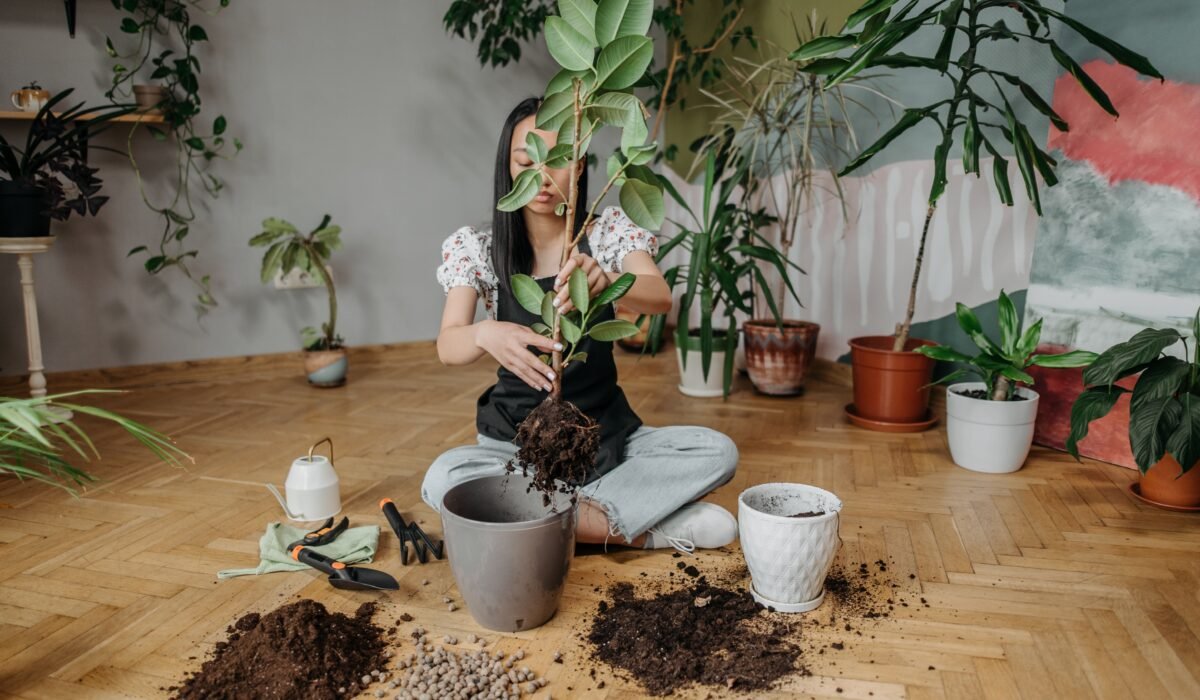
Before you begin, gather all necessary plant repotting tools and materials to ensure a seamless process. You will need a new pot, fresh potting mix, gardening gloves, pruning shears or scissors, and a small trowel. Having everything at hand minimizes stress for both you and the plant when you repot indoor plants.
* New pot: Choose a pot that is 1-2 inches larger in diameter than the current one, or the same size if refreshing soil.
* Fresh potting mix: Select a high-quality, appropriate mix for your plant type (e.g., aroid mix for Monsteras, succulent mix for cacti).
* Gardening gloves: Protect your hands from soil and potential irritants.
* Pruning shears: Essential for trimming roots or damaged foliage. Fiskars offers sturdy, ergonomically designed shears suitable for delicate and heavy-duty tasks.
* Small trowel: Useful for loosening soil and filling the new pot. Edward Tools Transplanter Trowel is noted for being bend-proof and rust-proof.
Step 3: Prepare New Pot
Prepare the new pot by ensuring it has adequate drainage holes at the bottom. If using a pot much larger than 1-2 inches, consider adding a layer of gravel or broken pottery at the bottom to improve drainage, though this isn’t always necessary with well-draining soil. This preparation sets the stage for healthy root development after you repot indoor plants.
Step 4: Gently Remove Plant
Carefully turn the plant on its side, supporting the base of the stem with one hand, and gently slide the plant out of its old pot. If it’s stuck, you may need to tap the pot’s bottom or sides, or use a clean knife to loosen the soil around the edges. Avoid pulling the plant directly by its stem, as this can damage the plant’s structure.
Step 5: Inspect and Loosen Roots
Once removed, inspect the root ball. If the roots are tightly matted and circling (root bound plants), gently tease them apart with your fingers or a small tool. You can also trim away any dead, mushy, or excessively long roots with clean pruning shears. This step encourages new root growth and helps the plant absorb nutrients more efficiently.
Step 6: Place in New Pot
Add a layer of fresh potting mix to the bottom of the new pot, ensuring the plant will sit at the same depth as it was in its previous container. Place the plant in the center of the new pot, checking its height. The top of the root ball should be about an inch below the rim of the new pot. This allows for watering without overflow.
Step 7: Add Fresh Potting Mix
Carefully fill the remaining space around the root ball with fresh potting mix, gently tamping it down to remove large air pockets. Leave about an inch of space from the soil surface to the pot rim. Avoid burying the plant deeper than it was previously, as this can lead to stem rot. This is a critical step in knowing when and how to repot indoor plants successfully.
Step 8: Water Thoroughly
After repotting, water the plant thoroughly until water drains from the bottom of the pot. This helps settle the new soil around the roots and provides initial hydration. Avoid fertilizing immediately after repotting; wait a few weeks to allow the plant to recover from the stress.
Choosing the Right Pot and Potting Mix for Your Plants
Choosing the right pot and potting mix is fundamental to the long-term health of your indoor plants, directly influencing moisture retention, aeration, and nutrient availability. The correct choice ensures your plant has the ideal environment to thrive after you repot indoor plants. My years of experience confirm that a well-chosen pot and appropriate soil are non-negotiable for vibrant growth.
When selecting a new pot, opt for one that is typically **1 to 2 inches larger in diameter** than the previous one. This provides enough space for new root growth without overwhelming the plant with too much soil, which can lead to overwatering. For very slow-growing plants like snake plants or succulents, you might even choose a pot only a half-inch larger or simply refresh the soil in the same pot.
Potting Mix Considerations:
The best potting mix for indoor plants is not a one-size-fits-all solution; it depends largely on the specific plant’s needs. A high-quality, well-draining mix is crucial. The Sill, a popular plant retailer, often provides tailored recommendations for their plants, emphasizing good drainage (2026).
| Plant Type | Ideal Potting Mix Characteristics | Example Components |
|---|---|---|
| Most Tropicals (e.g., Philodendron, Pothos) | Well-draining, airy, moisture-retentive | Coco coir, perlite, vermiculite, compost |
| Succulents & Cacti | Very fast-draining, gritty, low organic matter | Cactus/succulent mix, sand, perlite, pumice |
| Ferns | Moisture-retentive, rich in organic matter, slightly acidic | Peat moss, compost, perlite, forest bark |
| Orchids | Extremely well-draining, airy, coarse | Orchid bark mix, sphagnum moss, charcoal |
Using fresh potting mix is essential as old soil can become compacted, depleted of nutrients, and potentially harbor pests or diseases. The potted plants market is forecast to reach $27510.4 million by 2033, growing at a CAGR of 6.2% from 2025, according to Cognitive Market Research, indicating the continued demand for quality plant care products like specialized potting mixes.
Repotting for Maintenance: Keeping Plants in the Same Pot
Repotting for maintenance, also known as refreshing the soil or root pruning, is an excellent technique for plants you wish to keep at their current size or when a larger pot isn’t necessary. This method focuses on renewing the growing medium and managing root growth rather than upsizing the container, providing a targeted approach to when and how to repot indoor plants. This is particularly useful for controlling the size of larger houseplants or for slow-growing varieties like ZZ plants.
The process for repotting without upsizing involves carefully removing the plant from its pot and gently pruning approximately **20-30% of the outer roots**. Use clean, sharp shears to make precise cuts, focusing on circling or excessively long roots. This practice, often called **root pruning houseplants**, stimulates new root growth and revitalizes the plant. After root pruning, remove as much of the old, depleted soil as possible without damaging the remaining roots. Then, simply place the plant back into the *same pot* with fresh, appropriate potting mix.
This technique is especially beneficial for plants that are mature or have reached their desired size. It prevents them from becoming root bound while providing them with a fresh supply of nutrients. After repotting, water thoroughly and allow the plant to adjust. This focused approach to repotting without upsizing helps maintain plant vigor and health.
Post-Repotting Care and Troubleshooting Plant Shock
Proper post-repotting care is crucial for minimizing plant shock and ensuring your plant quickly adapts to its new environment. Immediately after you repot indoor plants, they may experience a temporary period of stress, manifesting in various ways. Understanding these symptoms and how to address them is key to successful long-term plant health.
After repotting, **water the plant thoroughly** until water drains from the bottom, then place it in a location with indirect, bright light, away from direct sunlight or drafts. Avoid fertilizing for at least 4-6 weeks, allowing the roots to heal and establish themselves in the new soil. This initial care minimizes stress and supports recovery.
* Wilting: A common symptom of plant shock, often due to root disturbance. Ensure the soil is moist but not waterlogged.
* Yellowing leaves: Can indicate stress or nutrient imbalance. Remove severely yellowed leaves to help the plant conserve energy.
* Stunted growth: Normal for a few weeks as the plant focuses energy on root establishment. Be patient and maintain consistent care.
* Leaf drop: Some plants may shed older leaves. Provide consistent humidity and avoid drastic temperature changes.
If your plant shows severe signs of stress, consider increasing humidity around it with a pebble tray or humidifier. Paris Lalicata, Plant Education Lead at The Sill, notes that plants can be a quiet catalyst for change, and their journey looks different for everyone (2026), reminding us to be patient and observant during this adjustment period. Troubleshooting plant shock effectively ensures your plant recovers and thrives.
Propagating Plants by Division During Repotting
Propagating plants by division during repotting is an efficient and rewarding way to expand your plant collection or share with friends, especially for clumping plants with multiple stems or growth points. This technique aligns perfectly with when and how to repot indoor plants, as you’re already handling the root ball. Many popular houseplants, such as peace lilies, snake plants, and prayer plants, are easily propagated this way.
To divide a plant, first remove it from its pot, as you would for a standard repotting. Gently untangle the root ball, looking for natural divisions or clumps of stems with their own root systems. Using clean, sharp pruning shears or a knife, carefully separate these sections, ensuring each new division has a healthy amount of roots and at least one growth point. Martha Stewart’s head gardener, Ryan McCallister, was noted to be repotting Pilea peperomioides and likely employing division for propagation in early 2026, showcasing the practicality of this method.
Once divided, pot each new section into its own appropriately sized container with fresh potting mix. Water thoroughly and treat them as newly repotted plants, providing indirect light and avoiding immediate fertilization. This method not only gives you new plants but can also rejuvenate an overcrowded parent plant, making it a valuable part of understanding when and how to repot indoor plants.
Frequently Asked Questions
How do you know when an indoor plant needs repotting?
You know an indoor plant needs repotting when roots emerge from drainage holes, growth becomes stunted, or the soil dries out unusually quickly. Penn State Extension (2026) highlights these as primary indicators of a root-bound plant. Regularly checking the plant’s growth and root visibility is key to timely repotting.
What happens if you don’t repot a plant?
If you don’t repot a plant, it will become root-bound, leading to nutrient deficiencies, stunted growth, and poor water absorption. Over time, this can severely impact the plant’s health and make it more susceptible to stress and disease. The plant’s overall vitality will decline without fresh soil and space.
What is the best time of year to repot houseplants?
The best time of year to repot houseplants is during late winter or early spring, as this period marks the beginning of the plant’s active growing season. According to the University of Illinois Extension (2022), this timing allows plants to recover quickly from repotting shock and establish new roots efficiently. This ensures the plant has the best chance to thrive.
Should I water a plant after repotting?
Yes, you should always water a plant thoroughly immediately after repotting. This helps settle the new potting mix around the roots, eliminating air pockets and providing essential hydration. Watering after repotting is a critical step in reducing transplant shock and promoting root establishment.
How often should I repot my houseplants?
Most houseplants benefit from repotting every 12 to 18 months, though slower-growing species like snake plants or ZZ plants may only need it every 2-3 years. The global indoor plant market was valued at approximately $20–21 billion in 2025, indicating that many plant owners regularly engage in this essential care task. Always observe the plant’s specific signs of needing a new home.
Mastering **when and how to repot indoor plants** is a fundamental skill for any plant enthusiast, ensuring your green companions remain healthy and vibrant. By recognizing the signs, choosing the right time, and following these careful steps, you provide your plants with the fresh start they need to thrive. Don’t shy away from this essential task; your plants will thank you with lush growth and enduring beauty. Take the plunge and give your houseplants the care they deserve!