Key Takeaways
- Domestic production of red chillies in India is expected to decline by 17% in the 2025-26 season, according to AgriWatch (2025).
- The global Red Chili Seeds market is projected to expand to $2787.9 million by 2033, demonstrating a CAGR of 6.785% from 2025, according to Red Chili Seeds Market Analysis (2026).
- For optimal growth, red chilli plants require 6-8 hours of direct sunlight daily and consistent watering to prevent root rot.
- Overwintering chilli plants can lead to earlier and larger harvests in subsequent seasons, as noted by Alan Lodge of Newlands Nursery (2026).
- Harvest red chillies when they reach a vibrant red color, which typically occurs 80-100 days after planting.
Are you eager to cultivate your own vibrant, flavorful chillies and enjoy the satisfaction of a homegrown harvest? Learning How to Grow Red Chillies successfully can transform your garden, whether it’s a sprawling plot or a compact balcony. This comprehensive guide, drawing on my 10+ years of gardening expertise, will walk you through every essential step, ensuring you achieve a bumper crop of fiery red chillies.
Quick Answer: Grow red chillies by providing 6-8 hours of daily sun, well-draining soil, and regular watering. Plant seeds or seedlings, fertilize monthly, and harvest when fruits are bright red, typically 80-100 days after planting.
Why Grow Your Own Red Chillies?
Growing your own red chillies offers a multitude of benefits, from enhancing your culinary adventures to providing significant economic advantages. With domestic production of red chillies in India expected to decline by 17% in the 2025-26 season, according to AgriWatch (2025), cultivating your own becomes an increasingly practical choice. This decline often leads to higher market prices, making home growing a smart financial move.
The short answer is control and cost savings. When you learn How to Grow Red Chillies at home, you gain complete oversight of the growing conditions, ensuring your produce is free from unwanted chemicals and pesticides.
Beyond health benefits, there’s a unique satisfaction in harvesting ingredients straight from your garden. The wholesale market price of red chillies briefly surged to ₹22,000 per quintal in early 2026, the highest level in three years, according to trade analysts (2026). This volatility underscores the value of a steady, homegrown supply.
Homegrown red chillies often boast superior flavor and freshness compared to store-bought options. You can pick them at their peak ripeness, ensuring maximum pungency and taste for your dishes. This is a key reason why many gardeners are keen to learn How to Grow Red Chillies.
For those interested in the broader market, the global Red Chili Seeds market is projected to expand to $2787.9 million by 2033, demonstrating a Compound Annual Growth Rate (CAGR) of 6.785% from 2025, according to Red Chili Seeds Market Analysis (2026). This growth highlights the ongoing global demand and interest in chilli cultivation.
Choosing the Right Red Chilli Varieties for Your Garden
Selecting the appropriate red chilli varieties is crucial for successful cultivation, as different types thrive in varying climates and offer distinct flavor profiles and heat levels. “Pepper gardeners should always plan before they plant,” according to Dave DeWitt, author of “The Complete Chile Pepper Book” (2025), emphasizing the importance of this initial decision. Your choice will significantly impact your experience of How to Grow Red Chillies.
Consider your local climate, available space, and desired heat level when making your selection. Some varieties are better suited for container gardening, while others demand more open ground.
Step 1: Understand Heat Levels and Flavors
Different red chillies range from mild to extremely hot, measured on the Scoville Heat Unit (SHU) scale. For example, Jalapeño offers a moderate kick, while Habanero is known for its intense heat. Knowing your preference is key to enjoying your harvest.
- Mild to Medium: Varieties like Shishito or Padrón are great for grilling and frying, offering a gentle warmth.
- Medium to Hot: Cayenne and Ají Limón (Lemon Drop) provide a noticeable heat that’s versatile for many cuisines. “Cayennetta” is a vigorous and prolific chilli variety, ideal for reducing shopping bills due to its significant yield, as noted by Dobies.
- Very Hot to Superhot: Bird’s Eye (Thai) or Habanero are for those who crave serious spice. Be prepared for their intensity when learning How to Grow Red Chillies.
Step 2: Consider Growing Conditions and Space
Some red chilli plants are more compact, making them ideal for growing chilli plants in pots or balcony chilli gardens. Others require more space and can grow quite large.
For small spaces or growing chillies indoors, look for compact varieties like “Apache” F1 Hybrid chillies, which are noted for producing uniform-shaped, heavy crops that thrive in patio pots. These are perfect for those with limited space but big ambitions for How to Grow Red Chillies.
In 2025, China held a substantial 12.38% of the global Red Chili Seeds market, with India accounting for 6.72%, according to Red Chili Seeds Market Analysis (2026). This indicates a strong regional preference and market for specific chilli types.
Starting Your Red Chilli Plants: Seeds or Seedlings?
You can begin your red chilli cultivation journey either by starting with seeds or purchasing established seedlings, each method offering distinct advantages. Starting from seed allows for a wider choice of varieties and is often more cost-effective, while seedlings provide a head start and can simplify the initial growing phase. James Warner, an experienced chili grower, details his process of starting seeds indoors in February and March, emphasizing the importance of timing.
Step 3: Starting from Seed
To start red chillies from seed, begin indoors 8-12 weeks before the last expected frost date. This gives your chilli plant care a crucial early start.
Sow seeds in small pots or seed trays filled with a good quality seed-starting mix. Plant them about 0.5 cm deep and keep the soil consistently moist. Ideal germination temperatures range from 25-30°C (77-86°F), often requiring a heat mat for best results.
Germination can take anywhere from 7 to 21 days, depending on the variety and conditions. Once seedlings emerge, ensure they receive plenty of light, either from a sunny windowsill or under grow lights, to prevent them from becoming leggy. This attention to detail is paramount when considering How to Grow Red Chillies successfully from scratch.
Step 4: Transplanting Seedlings
If you’re starting with seedlings, either purchased or homegrown, they will need to be transplanted into larger pots or directly into the garden once the danger of frost has passed and night temperatures consistently stay above 10°C (50°F). Harden off your seedlings over a week or two by gradually exposing them to outdoor conditions.
Choose a location that receives at least 6-8 hours of direct sunlight daily. For growing chilli plants in pots, select containers that are at least 20-30 cm (8-12 inches) in diameter to allow for adequate root development. This space is vital for a strong chilli plant care regimen.
Carefully remove the seedling from its original container, disturbing the roots as little as possible. Plant it at the same depth it was previously growing and water thoroughly. Proper transplanting is a critical step in learning How to Grow Red Chillies to their full potential.
Essential Care for Thriving Red Chilli Plants
Providing the right environmental conditions and consistent care is fundamental for ensuring your red chilli plants thrive and produce abundant fruit. Optimal chilli plant care includes adequate sunlight, proper watering, and suitable soil conditions. Ben Vanheems on the GrowVeg YouTube channel advises moving greenhouse plants outside if temperatures soar to prevent flowers from aborting and dropping off the plant (2024).
Step 5: Provide Ideal Growing Conditions
Red chillies are sun-loving plants that require plenty of warmth and light. Place your plants in a location where they can receive a minimum of 6-8 hours of direct sunlight per day.
The soil should be well-draining, rich in organic matter, and have a pH between 6.0 and 6.8. If you’re growing chilli plants in pots, use a high-quality potting mix formulated for vegetables. Good drainage is crucial to prevent root rot, a common issue for many plants.
Ensure good air circulation around your plants to help prevent fungal diseases. Proper spacing is important, especially for outdoor plants, to allow air to move freely between them. These conditions are paramount for knowing How to Grow Red Chillies successfully.
Step 6: Water and Fertilize Regularly
Consistent watering is key, but avoid overwatering, which can be detrimental. Water your red chilli plants when the top inch of soil feels dry to the touch.
Deep watering is preferable to shallow, frequent watering, encouraging roots to grow deeper. Reduce watering slightly as fruits begin to ripen to concentrate their flavor. The frequency of watering depends on climate, pot size, and plant maturity.
Fertilize your plants monthly with a balanced organic fertilizer, switching to a fertilizer higher in potassium and phosphorus once flowering begins to encourage fruit production. This specialized feeding is a vital component of successful chilli plant care. For more tips on feeding, see our Vertical Garden Fertilization Guide. Understanding How to Grow Red Chillies involves diligent nutrition.
Here’s a quick guide to watering and fertilizing:
| Aspect | Recommendation | Benefit |
|---|---|---|
| Watering Frequency | When top 1 inch of soil is dry | Prevents root rot, ensures consistent moisture |
| Watering Method | Deep watering at the base | Encourages deep root development |
| Fertilizer (Vegetative) | Balanced organic fertilizer (monthly) | Promotes strong leaf and stem growth |
| Fertilizer (Fruiting) | Higher P/K fertilizer (monthly) | Boosts flower and fruit production |
Maximizing Your Red Chilli Yield: Advanced Techniques
To truly get the most out of your red chilli plants, consider implementing advanced techniques like pruning and overwintering. These strategies go beyond basic chilli plant care, significantly boosting your harvest and extending the life of your plants. Alan Lodge of Newlands Nursery notes that overwintering chilli plants can lead to earlier and larger harvests in 2026.
Step 7: Pruning for Higher Yields
Pruning can encourage bushier growth and more fruit production. When your red chilli plant is about 15-20 cm (6-8 inches) tall, pinch off the top set of leaves to encourage side branching.
Remove any lower leaves that touch the soil to improve air circulation and reduce the risk of disease. Throughout the growing season, selectively remove non-productive branches or those that are too dense. This directs the plant’s energy into fruit development, an expert tip for How to Grow Red Chillies.
Regular pruning also helps maintain plant shape and size, especially when growing chilli plants in pots. This can be particularly beneficial for balcony chilli gardens where space is limited. My experience suggests that a well-pruned plant will always outperform an unmanaged one.
Step 8: Overwintering Chilli Plants
Many red chilli varieties are perennial in warm climates but are often grown as annuals in temperate zones. You can overwinter your favorite chilli plants indoors to get a head start on next season’s harvest. Mothin Ali from My Family Garden YouTube channel explains how to keep favorite chilli plants alive over winter by carefully removing stem and foliage and placing them on a warm windowsill (2024).
Before the first frost, prune your plant back significantly, leaving only a few main stems. Repot it into a smaller container if necessary and bring it indoors to a bright, cool location. Reduce watering and cease fertilization during this dormant period. This method is a game-changer for seasoned gardeners learning How to Grow Red Chillies year after year.
Protecting Your Red Chillies: Pest and Disease Management
Effective pest and disease management is essential for a healthy crop, as red chilli plants can be susceptible to various common garden issues. Proactive measures and timely intervention are key to safeguarding your plants and ensuring a good yield. Addressing these challenges is a critical part of knowing How to Grow Red Chillies successfully.
Step 9: Implement Pest Control Strategies
Common pests affecting red chillies include aphids, spider mites, and whiteflies. Regularly inspect your plants, especially the undersides of leaves, for any signs of infestation.
For minor infestations, a strong spray of water can dislodge pests. Neem oil spray is an excellent organic option for controlling a wide range of pests. You can also introduce beneficial insects like ladybugs, which prey on aphids. For more organic solutions, explore our guide on DIY Organic Pest Control.
In 2026, dry red chilli was cultivated across 79,152 hectares in Karnataka, resulting in a total production of 1.58 lakh metric tonnes (2026). This large-scale cultivation underscores the constant need for effective pest management strategies to protect valuable crops.
Step 10: Prevent and Treat Common Diseases
Red chilli plants can suffer from diseases such as powdery mildew, bacterial spot, and various forms of wilt. Good air circulation, proper watering, and using disease-resistant varieties are your first lines of defense.
Remove any affected leaves or plant parts immediately to prevent the spread of disease. For fungal issues like powdery mildew, organic fungicides or a baking soda solution can be effective. Ensure your soil has good drainage to prevent root-borne diseases. Understanding How to Grow Red Chillies includes anticipating and preventing these issues.
Crop rotation is also a valuable practice to prevent soil-borne pathogens from building up over time. If you notice signs of blossom end rot, it’s often due to calcium deficiency or inconsistent watering, which can be remedied. Our article on Blossom End Rot Treatment offers detailed solutions.
When and How to Harvest Your Red Chillies
Knowing precisely when and how to harvest your red chillies is the rewarding culmination of your gardening efforts. Harvesting at the right time ensures maximum flavor, heat, and encourages the plant to produce more fruit. Jess Gough of @happy_smallholding (2024) advises, “The longer you leave those fruits on the plant to mature, the hotter they’ll get!”
Step 11: Identify Ripe Red Chillies
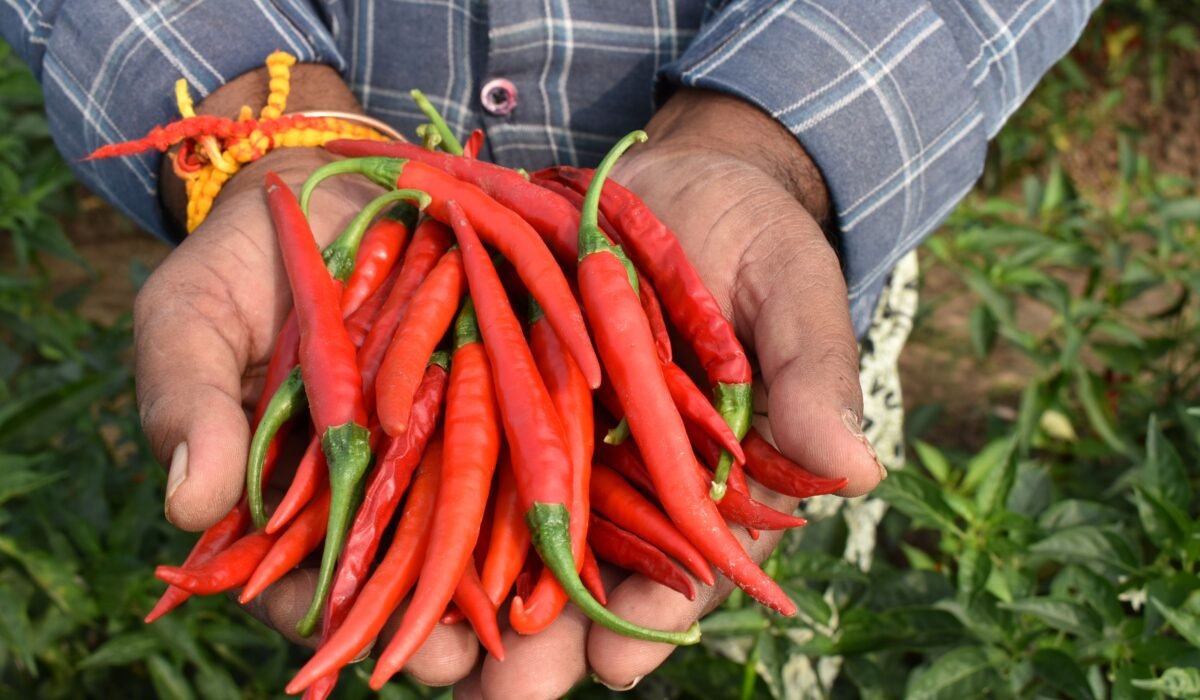
Red chillies are typically ready for harvest when they have reached their full size and turned a vibrant, uniform red color. This usually occurs 80-100 days after planting, depending on the variety.
While you can harvest green chillies, allowing them to ripen to red significantly increases their capsaicin content, which is responsible for their heat. Fully ripe red chillies also often have a sweeter, more complex flavor profile. This is the ultimate goal of learning How to Grow Red Chillies.
Step 12: Proper Harvesting Technique
When harvesting, use sharp scissors or pruning shears to snip the stem just above the cap of the chilli. Avoid pulling the chillies directly, as this can damage the plant and potentially break off branches.
Regular harvesting encourages the plant to produce more flowers and fruits throughout the growing season. If you leave ripe chillies on the plant for too long, it can signal to the plant to slow down production. This simple technique is crucial for continuous yield when you How to Grow Red Chillies.
After harvesting, you can use your red chillies fresh, dry them, freeze them, or even make your own chilli powder or sauce. Preserving your harvest allows you to enjoy the fruits of your labor for months to come. This also helps maximize the economic benefits of home cultivation.
Frequently Asked Questions
How long does it take to grow red chillies?
Red chillies typically take 80-100 days from planting to harvest, though this can vary by variety and growing conditions. For example, some early varieties may ripen faster, while super-hot chillies might take longer to mature, according to Simpson’s Seeds (2025). Consistent sunlight and warmth are key factors in speeding up the ripening process.
Do red chilli plants need full sun?
Yes, red chilli plants absolutely need full sun, requiring 6-8 hours of direct sunlight daily for optimal growth and fruit production. Insufficient light can lead to leggy plants and poor yields, as observed in various gardening guides (2026). Position your plants in the sunniest spot available in your garden or balcony.
What is the best fertilizer for chilli plants?
The best fertilizer for chilli plants is a balanced organic fertilizer during the vegetative stage, shifting to one higher in phosphorus and potassium once flowering begins. This change in nutrient profile supports flower and fruit development, crucial for abundant harvests, according to general horticultural advice (2025). Regular monthly fertilization ensures continuous nutrient supply.
Can I grow red chillies from store-bought chillies?
Yes, you can grow red chillies from the seeds of store-bought chillies, though success rates can vary, especially with hybrid varieties. Seeds from open-pollinated chillies are more likely to produce plants true to the parent, as noted by many home gardening forums (2024). Always choose healthy, fully ripe chillies for seed extraction.
How often should I water my chilli plant?
You should water your chilli plant when the top inch of soil feels dry to the touch, which might be every 1-3 days depending on climate, pot size, and plant maturity. Overwatering is a common mistake that can lead to root rot, so always check soil moisture before watering.
Mastering How to Grow Red Chillies is a rewarding endeavor that brings fresh flavor to your kitchen and vibrant life to your garden. By following these comprehensive steps—from selecting the right varieties and providing optimal care to implementing advanced techniques and managing pests—you’ll be well on your way to enjoying a bountiful harvest. Don’t hesitate to start your chilli growing journey today and savor the unique taste of your homegrown efforts.